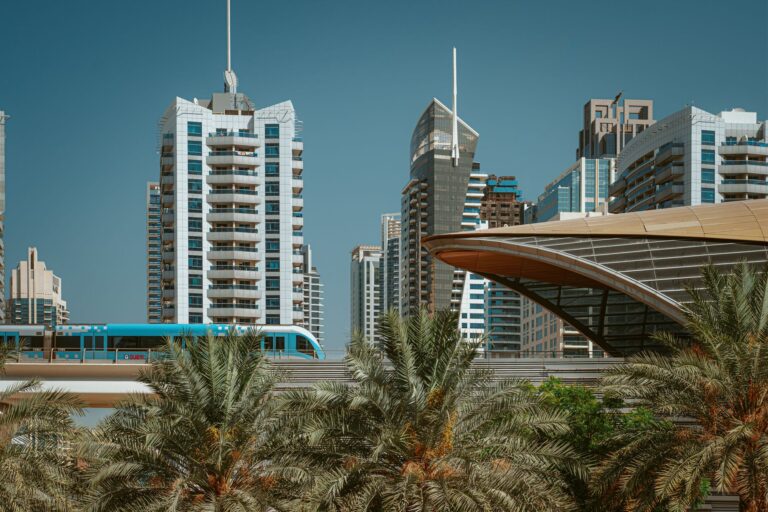

Accessible Dubai Seniors Children refers to the emirate’s growing ecosystem of wheelchair-friendly attractions, senior-adapted transport, and sensory-inclusive experiences designed for older travellers and families with young children. Additionally, Dubai has invested significantly in universal accessibility across its tourism infrastructure. Furthermore, it is now one of the most inclusive destinations in the Middle East for multigenerational travel.
- Location: Dubai, United Arab Emirates
- Best Time to Visit: November through March (mild weather)
- Recommended Duration: 5–7 days for a relaxed itinerary
- Highlights: Wheelchair-friendly malls and museums, dedicated family metro cars, sensory‑calm sessions at key attractions
- Ideal For: Seniors with mobility needs, families with pushchairs, neurodivergent children

Planning an accessible trip to Dubai can feel overwhelming when you are juggling mobility aids, pushchairs, and the needs of both older relatives and little ones. However, the city has quietly become a regional leader in inclusive tourism. Many landmarks now offer dedicated ramps, quiet hours, and family priority lanes. Additionally, the government has mandated accessibility standards across public transport and major venues. For this reason, Dubai now welcomes millions of visitors of all ages and abilities each year.
At TripHabibi, our team of Dubai-based travel experts has helped over 10,000 travellers experience the UAE authentically. For this reason, we offer private, customised tours — not crowded group experiences. Contact our local experts or message us on WhatsApp for a personalised itinerary.
Ready to Experience Accessible Dubai with a Private Guide?
Skip the crowds. Private tours, flexible timing, expert local guides.
Browse Private Tours →Popular Tours & Activities
.jpg)

Understanding Accessible Dubai Seniors Children
What Makes Dubai Accessible for Multigenerational Travellers?
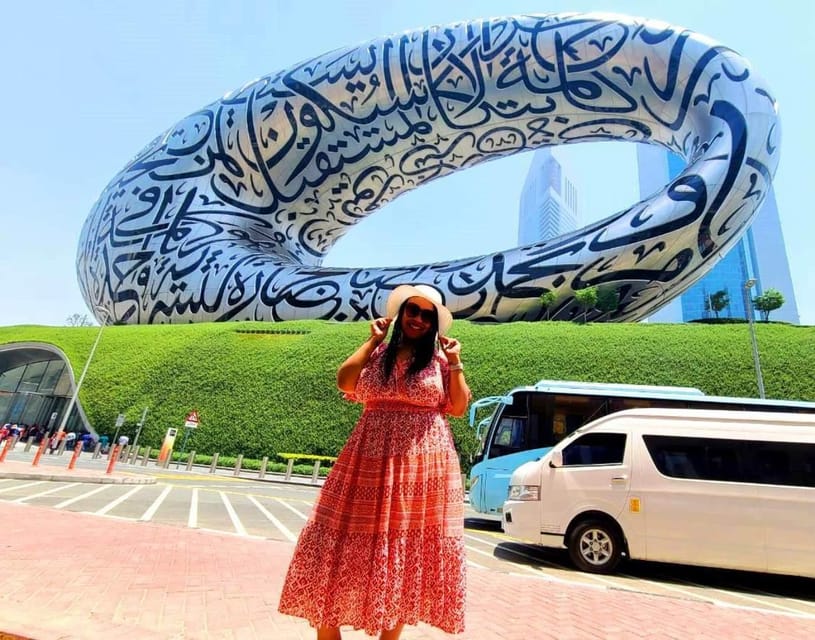
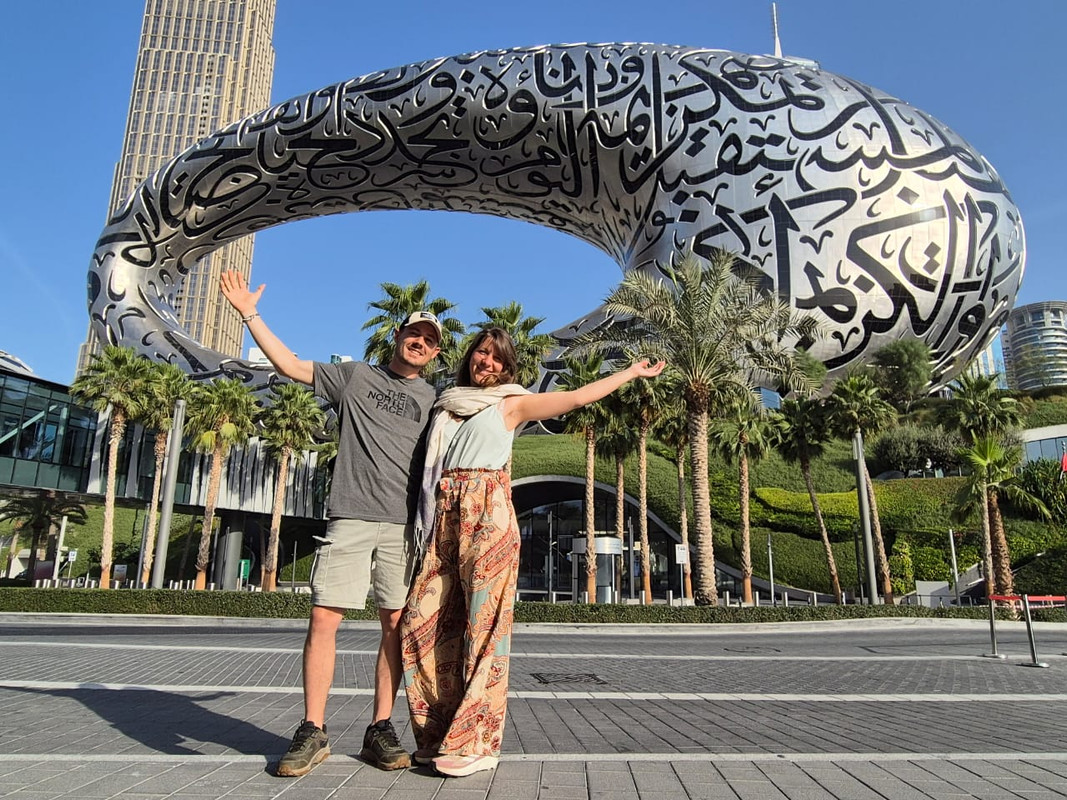
Dubai’s accessibility framework covers three core areas: physical infrastructure, transport integration, and sensory accommodations. The Dubai Universal Design Code, introduced in 2017, mandates step-free access in all new public buildings. Most shopping centres, including Dubai Mall and Mall of the Emirates, provide complimentary wheelchair hire and family restrooms. However, the most impressive feature is the metro system, which offers dedicated spaces for wheelchairs and pushchairs on every carriage. Furthermore, many attractions such as the Dubai Frame and Museum of the Future have been designed with gentle gradients and quiet zones. For this reason, navigating the city with a senior or a toddler is considerably easier than in many European capitals.
How Does Dubai Compare to Other Accessible Destinations?
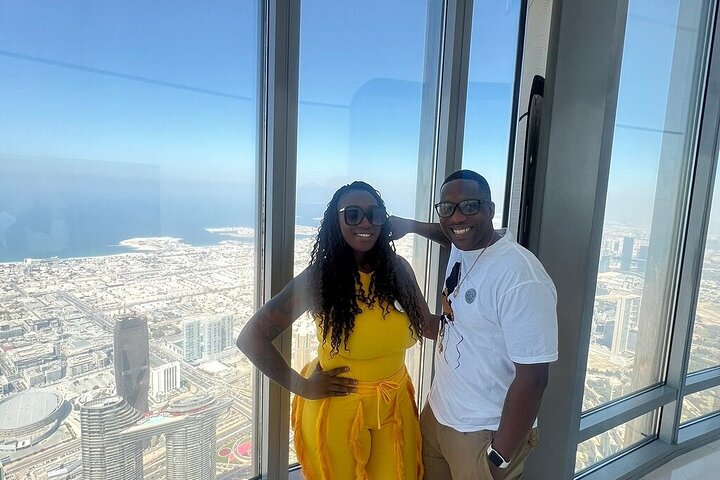
Unlike cities that retrofit accessibility as an afterthought, Dubai embeds it at the planning stage. The Dubai Metro, for instance, was the first driverless network in the region to integrate tactile paving, audio announcements, and priority seating as standard. In contrast, older destinations like London or Paris still grapple with step‑free access at many tube stations. Moreover, Dubai’s hotels routinely offer interconnecting rooms and ground-floor suites, which suits families caring for elderly relatives. Notably, the Burj Khalifa observation deck provides a dedicated accessible route that bypasses the main queue — a detail that makes a significant difference for visitors with limited stamina. According to Visit Dubai, over 90 per cent of the city’s top attractions now meet international accessibility standards.
Why Accessibility Matters for Dubai Families
Who Benefits Most from Accessible Infrastructure?
Seniors with reduced mobility, parents navigating pushchairs, and children with sensory sensitivities are the primary beneficiaries. For older travellers, smooth pathways, ample seating, and step‑free hotel entrances reduce fatigue significantly. Families with young children appreciate wide lifts, nursing rooms, and shaded play areas. Crucially, neurodivergent children benefit from designated quiet hours at venues such as the Dubai Aquarium and KidZania, where sound levels are lowered and lighting is softened. Most importantly, these features allow the entire family to explore together rather than splitting up because one member cannot manage the terrain.
- Priority queuing: Many attractions offer fast‑track lanes for seniors and families.
- Free wheelchair hire: Available at all major malls and museums.
- Dedicated sensory rooms: Quiet spaces at selected venues for children who need a break.
- Family metro cars: The Dubai Metro reserves the first carriage exclusively for families and women.
- Step‑free access: Almost all recent developments include ramps and low‑level counters.
Top Reasons to Choose Dubai for Multigenerational Travel
The city’s compact layout means attractions are close together, reducing transfer time — a major advantage for seniors and toddlers. The climate, while hot in summer, is carefully managed indoors; every mall, metro station, and museum is air‑conditioned. Additionally, Dubai’s hotels are well‑practised at accommodating special requests, from bed rails to hypoallergenic pillows. TripHabibi’s private tours further simplify logistics by providing door‑to‑door transport in spacious vehicles with child seats and step‑access. Browse our full range of things to do in Dubai to see which attractions offer the best accessibility features.
Accessible Dubai Seniors Children Experiences
What to Expect During Your Visit
A typical day might begin at the Dubai Mall, where staff offer complimentary wheelchairs and strollers. The mall’s walkways are wide enough for two chairs side by side, and rest areas appear every 200 metres. Next, the Dubai Aquarium inside the mall provides a low‑stimulus corridor where children can watch marine life without crowds pressing in. However, the real highlight for seniors is the Dubai Fountain promenade, which offers seated viewing platforms at water level. Most importantly, every major attraction in Downtown Dubai connects via a climate‑controlled walkway, so you never need to step outside in the heat.
Insider Details Most Guides Skip
The Dubai Metro’s Gold Class carriage, while marketed as a luxury option, also offers wider seats and more legroom — ideal for seniors with joint issues. Additionally, the RTA (Roads and Transport Authority) provides a dedicated UAE immigration authority‑approved taxi service for people of determination, which can be booked via the S’hail app. For families with neurodivergent children, the Children’s City at Creek Park runs sensory‑friendly sessions on weekday mornings when visitor numbers are lowest. TripHabibi’s guides know these schedules by heart and will tailor your itinerary accordingly.
Transport & Mobility Options
Comparing Your Travel Choices
You May Also Like

What Is and Is Not Included in Standard Transport
Public transport in Dubai is free for seniors aged 60 and above and for children under five. However, the Nol card system requires registration at a ticket office to activate the senior concession — an easy step often missed by visitors. Standard taxis are not equipped with ramps, though the RTA’s dedicated fleet fills this gap. TripHabibi’s private vehicles come with fold‑down steps, air conditioning, and onboard water, ensuring that neither seniors nor children feel rushed between stops. Additionally, our drivers receive training in assisting passengers with walkers and pushchairs.
Questions? Our Local Experts Are Standing By
Get instant answers from our Dubai-based team — free, no obligation.
💬 Chat on WhatsApp →Planning Your Accessible Dubai Visit
When Is the Best Time to Visit?
The optimal window spans November through March, when daytime temperatures hover between 20°C and 28°C. During these months, outdoor attractions like the Dubai Miracle Garden and La Mer are comfortable for extended exploration. Summer months (June to September) bring extreme heat, but indoor venues such as the Dubai Mall, Ski Dubai, and the Museum of the Future remain fully accessible and air‑conditioned. For this reason, many families opt for a winter itinerary to balance outdoor time with indoor comfort.
Practical Tips Before You Go
Request a “people of determination” card from Dubai Airports upon arrival — it grants expedited clearance at security and immigration. Additionally, download the RTA S’hail app to book accessible taxis and check metro lift status in real time. Pack a small sensory kit for children — noise‑cancelling headphones and a favourite toy — as some areas (particularly the Gold Souk and spice markets) can become loud and crowded. TripHabibi also recommends pre‑booking Dubai city tours that include flexible timing and rest stops, so you are never rushing between sights.
Accessible Dubai Seniors Children Benefits
What Does This Approach Reveal About UAE Culture?
The UAE places a strong emphasis on family cohesion and respect for elders, values that directly shape its accessibility policies. The “people of determination” framework, introduced by the government, reframes disability as a matter of societal responsibility rather than individual limitation. For this reason, you will find staff trained to assist seniors with dignity at every museum, mall, and mosque. The Sheikh Zayed Grand Mosque in Abu Dhabi, for instance, provides electric buggies for elderly visitors and pushchair parking with numbered tags — small touches that reflect a broader cultural commitment to care.
Historical Context Every Visitor Should Know
Dubai’s accessibility transformation gained momentum after 2014, when the government launched the “My Community… A City for Everyone” initiative. This programme aimed to make Dubai a fully accessible city by 2020. While the pandemic delayed some targets, the infrastructure remains impressive. Over 3,000 buildings have been retrofitted with ramps and tactile indicators, and the Dubai Taxi Corporation now operates over 500 wheelchair‑accessible cabs. This level of investment is rare globally and positions Dubai as a reference point for accessible urban planning in the Middle East.
Common Mistakes When Travelling with Seniors or Children
What Most Tourists Get Wrong
- Assuming all taxis are accessible. Standard cabs lack ramps; you must book the dedicated RTA fleet.
- Visiting outdoor attractions in summer midday. The heat is intense; plan outdoor slots before 10am or after 4pm.
- Forgetting noise management for children. The Gold Souk and Spice Souk can overwhelm sensitive ears without headphones.
- Overlooking quiet hours. Many museums offer sensory‑reduced sessions — you must book separately.
- Not pre‑booking mobility equipment. Complimentary wheelchairs run out by 11am at busy malls during peak season.
How to Avoid These Errors
Book a private tour with TripHabibi to sidestep every one of these pitfalls. Our guides handle the Nol card registration, reserve accessible vehicles, schedule visits during low‑crowd windows, and carry sensory‑friendly items as backup. Additionally, we pre‑confirm that mobility equipment is reserved at each venue. For instance, when visiting the Dubai Frame, we ensure your wheelchair is waiting at the entrance rather than queuing at the rental desk. Explore our day trip options to see how we integrate these details into every itinerary.
Request a “quiet morning” at the Dubai Aquarium — our team can arrange a private session before public opening hours. However, this allows seniors and children to enjoy the tunnel without the usual crowds. According to IATA travel requirements, all passengers should also carry medical documentation for any assistive devices.
Expert Recommendations for Accessible Travel
How to Get the Most from Your Visit
Prioritise one major attraction per day rather than cramming multiple stops into a single morning. Seniors and young children fatigue quickly in Dubai’s sprawling complexes. For example, allocate a full morning to the Dubai Mall complex (including the Aquarium and Ice Rink) and leave the afternoon free for rest at your hotel. Use the Metro for short hops between Downtown stations — it is faster than driving and eliminates the hassle of parking. Most importantly, build in buffer time. A 60‑minute rest between activities prevents meltdowns and keeps the whole family energised.
What to Combine It With
Combine a morning at the Museum of the Future with a late‑afternoon dhow cruise on Dubai Creek. The museum offers step‑free access and sensory headphones, while the dhow cruise provides shaded seating and calm waters — a perfect wind‑down activity for seniors. Families with younger children will enjoy pairing a visit to KidZania with a sunset stroll at La Mer, where pushchair‑friendly boardwalks and shaded play areas abound. For a full‑day itinerary, consider our Dubai desert safari tours in a private vehicle with soft‑suspension seats — a comfortable option for seniors who want to experience the dunes without the bumpy ride of group safaris.
How long does an accessible Dubai trip for seniors and children take?
A well‑paced itinerary spans five to seven days. This allows for one major attraction per day plus rest periods. Additionally, our team can tailor the duration to your family’s energy levels and interests.
What should I pack for a multigenerational Dubai trip?
Pack lightweight layers, comfortable walking shoes, sun protection, and noise‑cancelling headphones for children. However, our guides can provide a full packing checklist upon booking.
Is Dubai suitable for families with very young children?
Yes. Dubai offers dedicated nursing rooms, pushchair parking, and family‑only metro carriages. Furthermore, TripHabibi provides child seats and stroller assistance on all private tours.
What is the best time of year for seniors to visit Dubai?
November through March offers mild temperatures between 20°C and 28°C. In particular, morning visits before 10am avoid the strongest sun while keeping attractions uncrowded.
Do I need to book accessible tours in advance?
Yes, especially for wheelchair‑accessible vehicles and sensory‑friendly sessions. Therefore, TripHabibi recommends booking at least 48 hours ahead to secure availability.
Can I combine Dubai with Abu Dhabi on an accessible trip?
Absolutely. The Sheikh Zayed Grand Mosque and Louvre Abu Dhabi both offer wheelchair access and quiet zones. Additionally, TripHabibi’s Abu Dhabi day trips from Dubai include accessible vehicles and a flexible pace.
Final Thoughts on Accessible Dubai Seniors Children
Ultimately, Accessible Dubai Seniors Children travel is not just possible — it is genuinely enjoyable when planned with care. In fact, the city’s wide pavements, lift‑equipped metro, and sensory‑friendly attractions create a foundation that few global destinations match. Indeed, the combination of cultural respect for elders and modern infrastructure makes Dubai a standout choice for families travelling across generations. Whether you are pushing a stroller or guiding a parent with a walker, you will find ramps, rest spots, and patient hospitality at every turn.
TripHabibi’s Dubai-based team offers private, expert-guided tours with flexible timing and 24/7 support. Additionally, book your experience today or chat with us on WhatsApp — we reply within minutes.
Related Tours
Ready to Explore Dubai? Let’s Make It Happen! 🌆
💬 Chat with Our Tour Experts on WhatsAppRelated Posts