Introduction
Discover the Abaya fashion tradition story? This iconic garment embodies grace and cultural identity. Furthermore, it represents a fascinating blend of history and contemporary style. Moreover, understanding its journey enriches any visit to the UAE. Consequently, this guide explores its roots, evolution, and shopping secrets.
The Abaya is more than simple attire. Specifically, it is a canvas of cultural expression and modesty. Therefore, its story is integral to the region’s heritage. From ancient desert origins to global runways, its narrative is compelling. Additionally, knowing how to select an authentic piece is key.
At TripHabibi, your trusted travel companion, we provide comprehensive destination guides and authentic travel experiences across the UAE. Our platform helps thousands of travelers discover the best of Dubai and Abu Dhabi. Contact us or reach us on WhatsApp for personalized recommendations.
Ready to Explore Dubai?
Understanding Abaya Fashion Tradition Story
The Abaya fashion tradition story begins with practical necessity. Historically, the garment protected from the harsh desert sun and sand. Moreover, its loose design ensured modesty and comfort in a hot climate. Consequently, it became a staple of regional dress for centuries.
Furthermore, its evolution is deeply tied to Islamic principles of modesty. However, it also reflects local tribal identities and social status. Traditionally, colors and embellishments varied by region. For instance, Bedouin styles differed from coastal designs. Therefore, each piece told a subtle story.
Today, the Abaya maintains its core significance. Meanwhile, it has embraced global fashion influences. Designers now experiment with cuts, fabrics, and details. Nevertheless, the essence of cultural respect remains paramount. This balance defines the modern Abaya fashion tradition story perfectly.
Key historical influences include:
- Desert Practicality: Protection from sun and sand.
- Islamic Modesty: Adherence to faith-based dress codes.
- Tribal Identity: Variations in embroidery and style.
- Global Trade: Introduction of new fabrics and techniques.
Why Choose This Cultural Attire
Engaging with this cultural attire offers profound insights. First, it fosters a deeper appreciation for Emirati heritage. Additionally, wearing or purchasing an Abaya shows cultural sensitivity. Therefore, visitors often find it a respectful and enriching practice.
Moreover, the modern Abaya is a fashion statement. Consequently, it appeals to style-conscious individuals worldwide. Designers like renowned regional ateliers have gained international acclaim. Their work blends tradition with haute couture. Thus, the garment transcends its traditional role.
Choosing an authentic Abaya also supports local artisans. Specifically, it contributes to preserving traditional crafts. Embroidery, beadwork, and tailoring skills are passed down generations. Hence, your purchase helps sustain valuable cultural heritage. It is a meaningful souvenir.
Finally, understanding this attire enhances your overall travel experience. It connects you to the local way of life. Whether visiting a mall or a heritage site, this knowledge is invaluable. Consider a Dubai city tour to see diverse styles in context.
Abaya Fashion Tradition Story Experience
Experiencing the Abaya fashion tradition story firsthand is unforgettable. Begin by visiting dedicated souks and boutiques. For example, Dubai’s Deira district offers traditional shopping lanes. Here, you can touch fabrics and see classic designs. Moreover, engaging with shopkeepers provides personal anecdotes.
Furthermore, attend fashion events or exhibitions if possible. Dubai Fashion Week often features Abaya collections. Similarly, cultural museums display historical garments. Consequently, you witness the garment’s artistic and historical journey. This multi-faceted view is essential.
Another immersive method is a tailoring consultation. Many shops offer made-to-measure services. Therefore, you participate in the creation process. You select fabric, cut, and embellishments. Subsequently, you gain insight into the craftsmanship involved. It becomes a personal cultural exchange.
Do not forget digital exploration. Many designers showcase their work online. However, physical interaction with the garment is irreplaceable. Feel the weight of a chiffon Abaya versus a heavy crepe one. Notice the intricate hand-stitched details. This tactile experience completes the Abaya fashion tradition story.
Garment Details & Key Features
Authentic Abayas possess distinct features. First, the cut is always loose and flowing. It is designed to drape over the body modestly. Sleeves are typically long and wide. Moreover, the length reaches the ankles or floor. These elements ensure comfort and adherence to tradition.
Fabrics vary by occasion and season. For instance, lightweight crepe and chiffon suit warmer months. Conversely, heavier jersey or wool blends appear in winter. Embellishments range from subtle to elaborate. Common details include:
- Embroidery: Hand-stitched patterns on cuffs and hems.
- Beading & Sequins: Added for evening or festive wear.
- Closures: Hidden snaps, zippers, or traditional tie belts.
- Necklines: Often V-shaped or round, sometimes with capes.
Color holds significant meaning. Traditionally, black was predominant for daily wear. However, modern trends embrace a full spectrum. Pastels, earth tones, and even prints are now popular. Nevertheless, black remains a classic choice for formal contexts. Understanding these details aids selection.
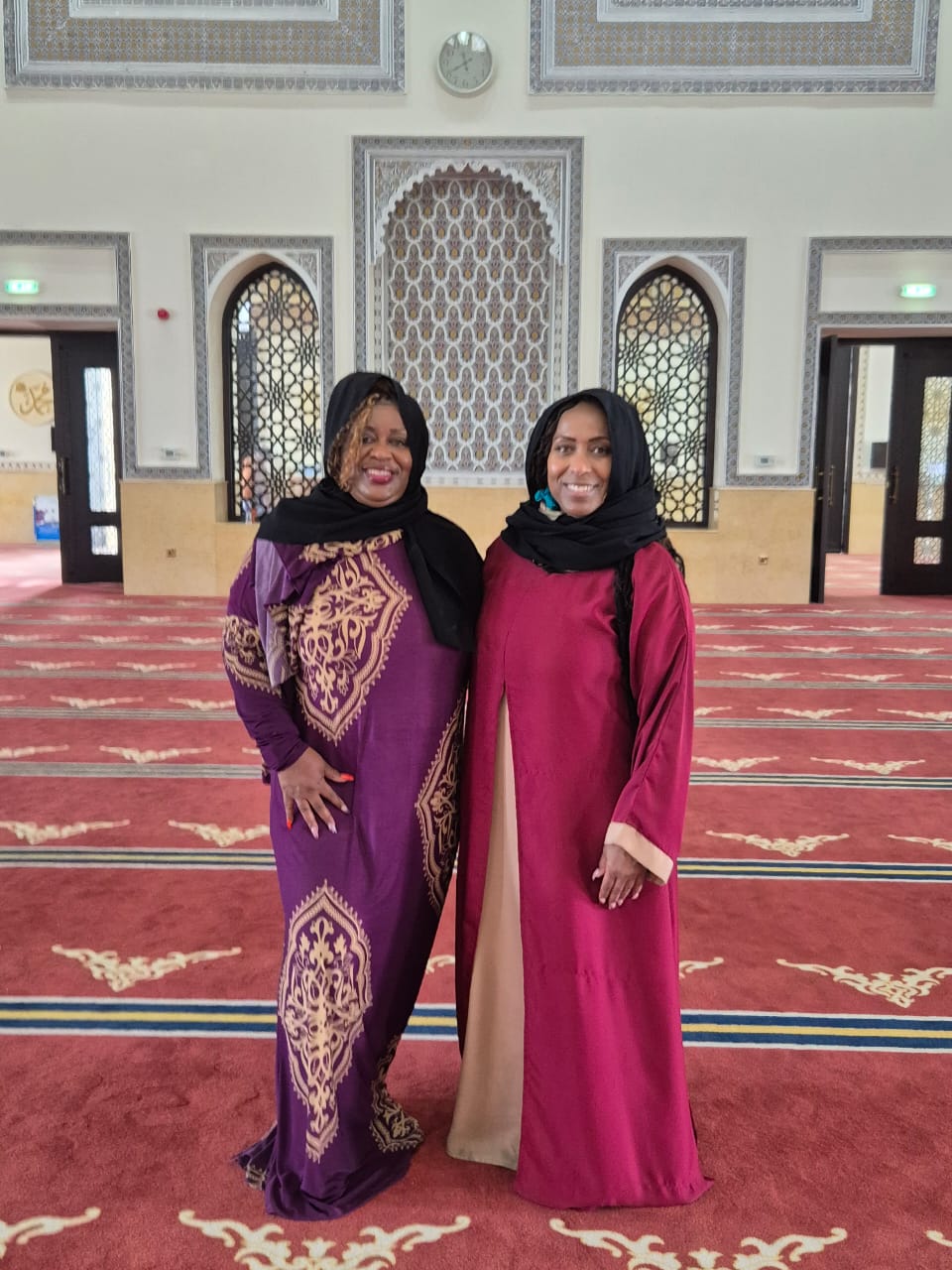
Finally, the lining and finish indicate quality. A well-made Abaya has even stitching and durable seams. Furthermore, it should feel comfortable and move gracefully. When planning other day trips from Dubai, consider fabric suitability for the climate.
Need Travel Advice?
Shopping Planning & Essential Tips
Planning your Abaya purchase requires forethought. First, set a realistic budget. Prices range from affordable ready-to-wear to high-end custom. Therefore, knowing your limit streamlines choices. Moreover, allocate time for browsing and fittings.
Research reputable shopping areas beforehand. For traditional options, visit souks in Deira or Bur Dubai. For contemporary designer pieces, explore malls like The Dubai Mall or Mall of the Emirates. Additionally, Abu Dhabi city tours can include stops at boutique ateliers.
Key shopping tips include:
- Try Before Buying: Ensure fit and comfort, especially sleeve length.
- Check Fabric Care: Some materials require specialist cleaning.
- Ask About Origin: Support locally made garments when possible.
- Negotiate Politely: In souks, gentle haggling is often expected.
Consider your lifestyle and needs. Will you wear it for a special event or daily? Consequently, this influences fabric and ornamentation choice. Finally, keep receipts and understand alteration policies. A well-planned purchase becomes a cherished item for years.
Abaya Fashion Tradition Story Cultural Significance
The Abaya fashion tradition story holds deep cultural significance. Primarily, it is a symbol of modesty and privacy. These values are central to Gulf Arab societies. Furthermore, the garment expresses personal and national identity. It is worn with pride during national celebrations and daily life.
Moreover, the Abaya acts as a social equalizer. Underneath it, personal wealth or status is less visible. Therefore, it promotes a sense of community and equality. This social function is as important as its aesthetic role. Consequently, it is deeply woven into the social fabric.
Its adaptation also shows cultural confidence. Emirati designers reinterpret tradition for the global stage. Thus, they dialogue with international fashion while honoring their roots. This innovation ensures the Abaya remains relevant. It is a living, evolving tradition, not a relic.
Understanding this significance enriches your perspective. It transforms the garment from mere clothing to a cultural text. When you witness it at places like the Dubai Frame, you see its place in the modern skyline. The Abaya fashion tradition story is a testament to resilient heritage.
Common Shopping Mistakes to Avoid
Shopping for an Abaya can be overwhelming. Therefore, avoid common pitfalls. First, do not prioritize price over quality exclusively. A cheap garment may lack durability and fine details. Conversely, the most expensive option is not always the most authentic.
Another mistake is ignoring personal comfort and style. Do not buy a trend that does not suit you. Specifically, ensure the cut allows easy movement. Moreover, choose a fabric appropriate for your climate. Heavy embellishments may be impractical for frequent travel.
Furthermore, avoid buying without proper research. Not all shops cater to tourists authentically. Some may sell mass-produced imports as local crafts. Hence, read reviews or seek local recommendations. Trusted guides, like those from TripHabibi, can advise.
Finally, do not forget about accessories. The Abaya is often paired with a Shayla (headscarf) and modest clothing underneath. Purchasing these elements together ensures a cohesive look. Planning other Dubai desert safari tours? Consider a simpler Abaya for such active outings.
Expert Garment Recommendations
For an authentic experience, seek expert-recommended venues. In Dubai, visit S*uce or The Cartel for contemporary designer Abayas. For traditional souk shopping, the Textile Souk in Bur Dubai is ideal. Additionally, concept stores in Al Serkal Avenue showcase avant-garde interpretations.
Consider the occasion for your purchase. For a formal event, opt for luxurious fabrics like silk or velvet. Delicate embroidery or beadwork elevates the look. For everyday elegance, choose comfortable crepe or jersey. Simple detailing offers versatility and ease.
Furthermore, think about color psychology. Black conveys timeless elegance and formality. Neutral tones like beige or grey offer modern sophistication. Pastels are perfect for daytime events. Do not be afraid to express your personal style within respectful bounds.
Lastly, invest in proper care. Use padded hangers to maintain the garment’s shape. Store it in a breathable garment bag. Follow washing instructions meticulously to preserve embellishments. A well-cared-for Abaya lasts for many years. For more unique finds, explore during an Abu Dhabi day trip from Dubai.
Frequently Asked Questions About Abaya Fashion Tradition Story
What is the Abaya fashion tradition story?
It is the evolution of the Abaya from practical desert attire to a modern fashion icon. The narrative covers historical roots, cultural significance, and contemporary trends.
Related Posts