Introduction
Planning to explore Emirates Heritage Club? This cultural venue offers a deep dive into authentic Emirati life. Moreover, it provides a tangible link to the nation’s past. Therefore, visitors gain profound cultural understanding. The site features traditional crafts and immersive events. Additionally, it delivers hands-on lessons for every age group.
The Emirates Heritage Club is more than a museum. Specifically, it is a living institution dedicated to preservation. Consequently, it actively engages the community. It hosts workshops, festivals, and educational programs regularly. These activities showcase Bedouin traditions and coastal heritage. Furthermore, they connect modern audiences with ancestral wisdom.
This guide unlocks the full potential of your visit. We detail the crafts, seasonal events, and historical context. Our insights ensure a rich and rewarding experience. At TripHabibi, your trusted travel companion, we provide comprehensive destination guides and authentic travel experiences across the UAE. Our platform helps thousands of travelers discover the best of Dubai and Abu Dhabi. Contact us or reach us on WhatsApp for personalized recommendations.
Ready to Explore Dubai?
Understanding Emirates Heritage Club
The Emirates Heritage Club serves as a vital cultural guardian. Founded to preserve national identity, it operates across the UAE. Its flagship location often includes a heritage village. This village recreates a traditional desert and coastal settlement. Consequently, it offers a complete sensory journey into the past.
This institution focuses on tangible and intangible heritage. Specifically, it safeguards traditional knowledge and artisan skills. Moreover, it functions as a research and documentation center. Therefore, its work supports academic and public education. The club’s mission is both protective and participatory. It invites visitors to engage directly with culture.
Key components of the Emirates Heritage Club experience include:
- Live Craft Demonstrations: Watch artisans practice sadu weaving, pottery, and metalwork.
- Historical Exhibits: Explore displays on pearl diving, falconry, and date cultivation.
- Interactive Workshops: Participate in hands-on sessions for all skill levels.
- Cultural Performances: Enjoy traditional music, dance, and storytelling events.
Furthermore, the venue often partners with local schools. Subsequently, it plays a key role in youth education. Its approach makes heritage accessible and engaging. Thus, it ensures traditions are passed to new generations. This makes the club a dynamic and essential landmark.
Why Choose This Cultural Landmark
Selecting this heritage site offers unique advantages. First, it provides an authentic alternative to modern attractions. Meanwhile, it delivers genuine educational value for families. Therefore, it stands apart from typical tourist spots. The experience is curated by cultural experts. Consequently, information is accurate and deeply insightful.
This venue is exceptionally family-friendly. Children can touch, try, and learn actively. Additionally, the pacing is relaxed and self-directed. Visitors escape the crowds of larger Museum of the Future or theme parks. Instead, they enjoy a peaceful, reflective atmosphere. The setting encourages meaningful connection and conversation.
Moreover, the site showcases sustainability and resourcefulness. Traditional architecture uses natural cooling methods. Old crafts utilize local, renewable materials. Hence, the visit offers lessons in eco-friendly living. These principles resonate strongly with modern values. Ultimately, the experience is both nostalgic and forward-thinking.
Finally, the location is often convenient. Many heritage villages sit near other major sights. Therefore, you can easily combine your visit with a Dubai city tour. This allows for a well-rounded day of exploration. You can contrast historic heritage with urban modernity seamlessly.
Emirates Heritage Club Experience
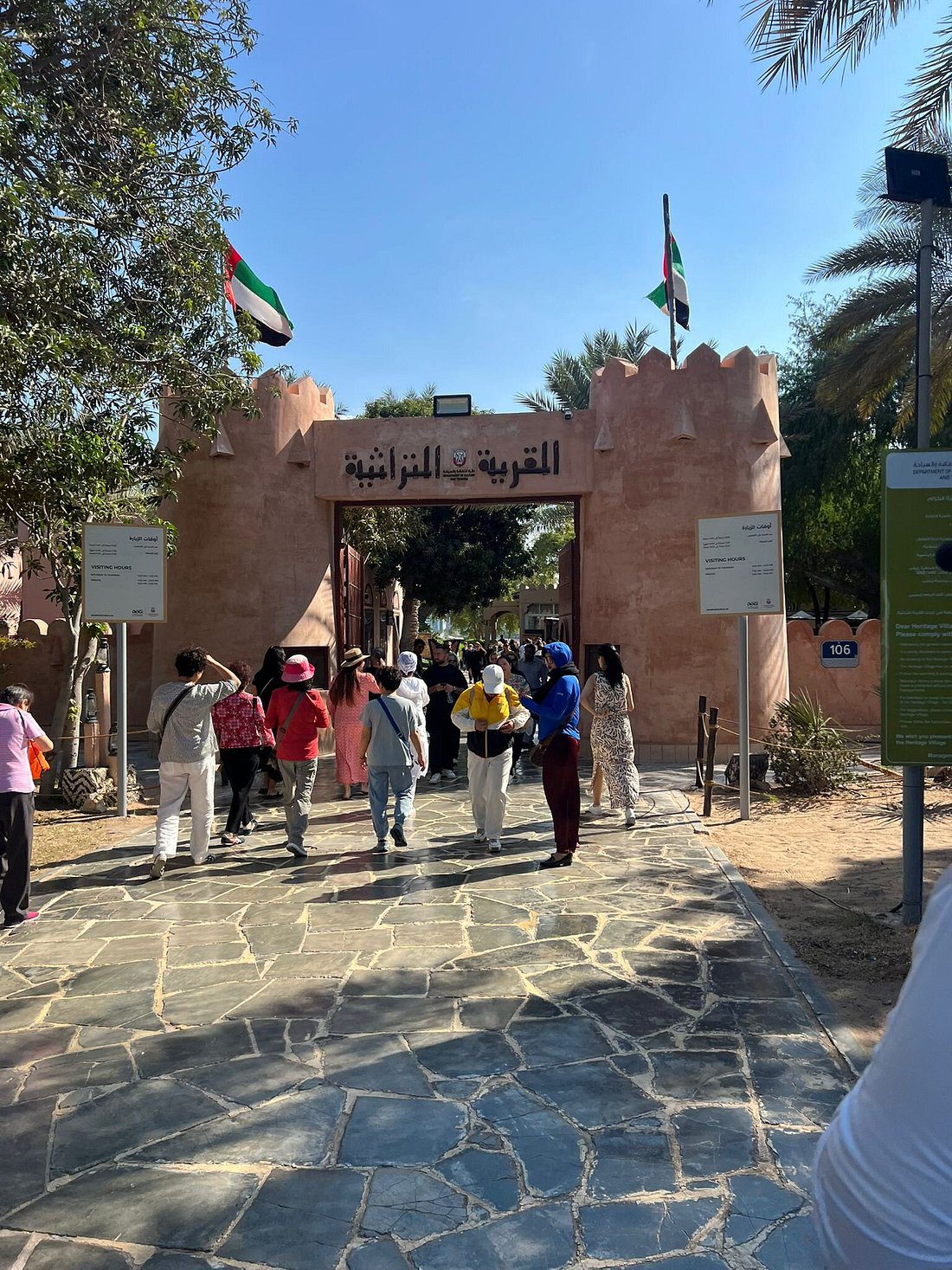
The core Emirates Heritage Club experience is multifaceted and engaging. Upon arrival, visitors typically enter a recreated traditional village. This includes barasti huts, wind towers, and a central majlis. Artisans work in open workshops, demonstrating their crafts. Guests are encouraged to observe, ask questions, and even try simple techniques.
A key highlight is the hands-on craft participation. For instance, you might weave a simple palm frond mat. Alternatively, you could try your hand at Arabic calligraphy. These activities are supervised by patient instructors. Therefore, they are suitable for complete beginners. Children particularly enjoy the tactile, creative process.
Seasonal events significantly enhance the standard visit. The club often hosts heritage festivals during Eid and National Day. These events feature:
- Traditional camel races and falconry displays.
- Live cooking demonstrations of Emirati cuisine like harees and luqaimat.
- Henna art stations and traditional perfume (oud) mixing.
- Storytelling sessions under the stars for families.
Furthermore, the historical narrative is woven throughout. Informative plaques and guides explain the significance of each craft. They connect daily past life to the UAE’s rapid development. Consequently, visitors leave with a profound appreciation for the nation’s journey. The experience is a powerful, immersive dive into living culture.
Venue Details and Key Features
Practical details ensure a smooth visit. Opening hours often run from 9:00 AM to 9:00 PM. However, these can change during Ramadan or special events. Admission fees are typically nominal, around AED 5-20 per person. Some workshops or events may carry additional costs. Therefore, checking the official schedule in advance is wise.
The site layout is usually compact and walkable. Key areas include the craft quarter, historical exhibits, and a small souq. Moreover, a mosque and traditional café are often present. Facilities like restrooms and drinking water are available. The paths are generally accessible, but some sandy areas may challenge wheelchairs.
Notable features to seek out include:
- The Weaving House: Where sadu (Bedouin weaving) is practiced.
- The Boatyard: Showcasing traditional dhow building techniques.
- The Falconry Area: Demonstrating the care and training of these birds.
- The Heritage Museum: A small gallery with artifacts and photographs.
Additionally, the on-site souq sells authentic handicrafts. Purchases here directly support local artisans. This is a responsible way to acquire meaningful souvenirs. Finally, consider combining your trip with a nearby attraction like the Dubai Frame for a full day of culture.
Need Travel Advice?
Visit Planning and Pro Tips
Effective planning maximizes your enjoyment. First, aim for a morning visit. The weather is cooler, and crowds are thinner. Furthermore, artisans are most active in the early hours. Weekdays are generally quieter than weekends. Always verify current hours on the official Dubai tourism portal before departing.
Dress respectfully and for comfort. Modest clothing covering shoulders and knees is appropriate. Moreover, comfortable walking shoes are essential. The ground can be uneven. Sunglasses, a hat, and sunscreen are crucial for outdoor areas. Carry a reusable water bottle to stay hydrated.
Engage actively with the craftspeople. Ask questions about their techniques and tools. Most are passionate and happy to share knowledge. However, always ask permission before taking close-up photos. Similarly, be mindful not to disrupt their work. A respectful attitude enriches the experience for everyone.
Allocate at least 2-3 hours for a thorough visit. This allows time for workshops and demonstrations. If attending a special festival, plan for a half-day. Consider booking a guided Abu Dhabi city tour that includes heritage stops. Finally, check for combined tickets with other cultural sites for better value.
Emirates Heritage Club Cultural Significance
The Emirates Heritage Club holds deep cultural significance. It acts as a living archive for endangered traditions. In a rapidly modernizing nation, such spaces are critical. They ensure that practical knowledge is not lost. Therefore, the club is a proactive guardian of national memory.
Its work fosters intergenerational dialogue. Elders share skills with younger Emiratis and international visitors. Consequently, it builds cultural pride and cross-cultural understanding. The venue demonstrates that heritage is dynamic, not static. It adapts traditional forms to contemporary contexts. Thus, it keeps culture relevant and alive.
The club also supports the local artisan economy. By providing a market and platform, it sustains traditional livelihoods. This economic aspect is vital for preservation. Moreover, it validates these crafts as valuable professional pursuits. The institution empowers craftspeople as cultural ambassadors.
Ultimately, the Emirates Heritage Club tells the human story behind the UAE’s success. It honors the resilience and ingenuity of pre-oil society. Visiting this site provides context for the country’s present and future. It is a profound lesson in identity, continuity, and respect for one’s roots.
Common Visitor Mistakes to Avoid
Avoiding common errors improves your visit. First, do not rush through the exhibits. This is a place for slow, attentive exploration. Conversely, do not expect high-tech, flashy displays. The value lies in authenticity and human interaction. Adjust your expectations accordingly for a richer experience.
Do not overlook the workshop schedules. Many visitors arrive between demonstrations. Consequently, they miss the live action. Always check the daily timetable upon entry. Plan your route around key showtimes. Similarly, do not be shy to participate. Hesitation can lead to missing unique hands-on opportunities.
Another mistake is neglecting proper attire. Inappropriate clothing can cause discomfort or offense. Furthermore, it may restrict entry to certain areas. Always dress modestly and for the climate. Also, avoid visiting during the peak afternoon heat. Outdoor sections can become uncomfortably warm.
Finally, do not forget to support the artisans. Bypassing the souq misses a chance to contribute directly. Purchasing a handmade item supports preservation. Moreover, it carries a story home with you. For a complete cultural day, consider a day trip from Dubai to other heritage sites like Al Ain.
Expert Recommendations for Your Visit
Expert tips can transform a good visit into a great one. First, connect the experience to broader UAE history. Read about pearl diving or Bedouin life beforehand. This background knowledge will make the exhibits more meaningful. Subsequently, you will ask better questions and gain deeper insights.
Prioritize the hands-on activities. Even a short pottery or weaving session creates lasting memories. These are especially valuable for children. They learn more by doing than by just viewing. Moreover, the artisans are excellent teachers. Embrace the chance to learn a new skill.
Attend a cultural performance if available. Traditional Ayala dance or Al Razfa music provide emotional resonance. These art forms express community values and history. They are a vibrant component of intangible heritage. Therefore, they complete the cultural picture presented by the crafts.
Extend your cultural exploration beyond the club. The UAE offers many heritage gems. For instance, explore the Sheikh Zayed Grand Mosque for architectural wonder. Alternatively, book a Dubai desert safari to experience the Bedouin landscape firsthand. Combining these experiences creates a comprehensive understanding.
Frequently Asked Questions About Emirates Heritage Club
How long does Emirates Heritage Club take to visit?
Duration varies by interest. Typically 2-3 hours suffices for the main village and crafts. Plan your visit around specific events for a longer stay.
What is required for this heritage site visit?
Required: modest dress, comfortable walking shoes, valid ID, camera for memories. Sun protection is highly recommended for outdoor areas.
What is the cost of this cultural experience?
Admission typically ranges AED 5-20. Prices vary by specific venue and season. Some workshops or events may have separate fees.
When is the best time for a heritage visit?
Morning hours are highly recommended. Cooler temperatures, fewer crowds, and better lighting for photos enhance the experience significantly.
Is photography allowed inside the club?
Personal photography is usually permitted. Flash restrictions often apply to protect artifacts. Always ask craftspeople before taking portraits.
Is this a family-friendly venue?
Yes, it is suitable for all ages. Family facilities are available. Interactive exhibits and hands-on crafts are excellent for children.
Final Thoughts on Emirates Heritage Club
Furthermore, the Emirates Heritage Club offers exceptional cultural value. Moreover, it provides authentic insights into the UAE’s living heritage. Therefore, proper planning enhances your experience significantly. It stands as a must-visit for culturally curious travelers.
TripHabibi provides comprehensive support for your journey:
- Expert Guides: Comprehensive destination insights and historical context.
- Local Knowledge: Authentic recommendations for hidden gems and seasonal events.
- 24/7 Support: Trusted travel assistance before, during, and after your trip.
Related Posts