At TripHabibi, your trusted travel companion, we provide comprehensive destination guides and authentic travel experiences across the UAE. Our platform helps thousands of travelers discover the best of Dubai and Abu Dhabi. Understanding local regulations like halal certification is part of our commitment to your seamless experience. Contact us or reach us on WhatsApp for personalized recommendations on dining and beyond.
Ready to Explore Dubai?
Understanding Halal Certification Dubai
The framework for Understanding Halal Certification Dubai begins with the UAE’s national standards. Specifically, the Emirates Authority for Standardization and Metrology (ESMA) sets the benchmark through UAE.S 993:2015. This comprehensive standard defines halal requirements for food production, handling, and storage. Furthermore, it covers animal slaughtering methods, prohibition of certain ingredients, and cross-contamination prevention. Therefore, any establishment seeking certification must demonstrate strict adherence to these guidelines throughout its supply chain.
Several accredited bodies are authorized to issue halal certificates within the UAE. For instance, the Dubai Municipality itself is a primary certifier for food establishments within the emirate. Additionally, other recognized entities include the Emirates International Accreditation Centre (EIAC) accredited bodies. The process involves rigorous audits, documentation reviews, and periodic inspections. Consequently, a valid halal certificate is a reliable indicator of a establishment’s commitment to Sharia-compliant practices.
Why Choose Certified Establishments
Dining at certified venues offers profound reassurance. First, it guarantees that the meat and poultry are sourced from animals slaughtered according to Islamic rites. This includes invoking the name of Allah and ensuring animal welfare. Moreover, it confirms the absence of pork derivatives, alcohol, and other prohibited substances in the food. Thus, patrons can enjoy their meals with full spiritual and dietary confidence, whether they’re sampling local Emirati cuisine or international dishes.
Beyond religious compliance, the halal certification process often aligns with higher hygiene and quality control standards. The audit process scrutinizes storage conditions, kitchen cleanliness, and staff training. Additionally, traceability of ingredients is a key component, ensuring transparency from farm to fork. Therefore, choosing a certified restaurant isn’t just a religious choice; it’s frequently a marker for overall food safety and quality, enhancing any dining experience in the city.
Understanding Halal Certification Experience
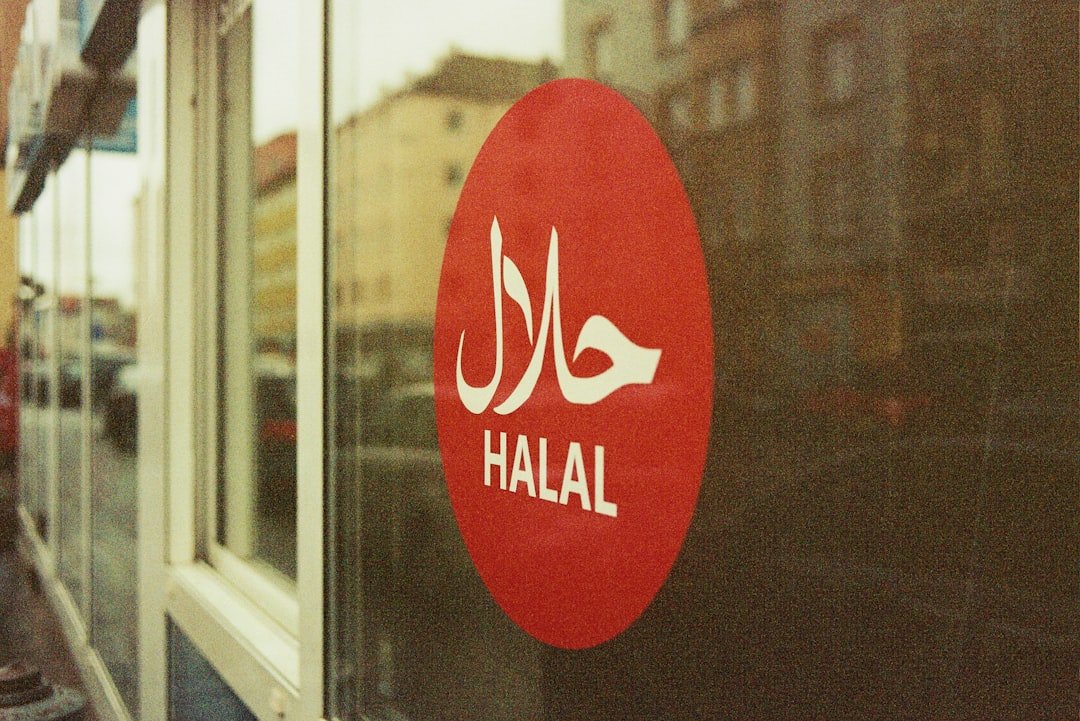
The practical experience of Understanding Halal Certification Dubai extends to recognizing official markers. Look for the halal certificate displayed prominently, usually at the entrance or counter. This certificate should be issued by a recognized UAE authority like Dubai Municipality and include an expiry date. Furthermore, many restaurants feature the halal logo on their menus, packaging, or marketing materials. However, always verify the certificate for authenticity, as the logo alone can sometimes be misused.
For travelers, this knowledge transforms the dining journey. Whether you’re enjoying a lavish Dubai desert safari tours dinner, grabbing a quick bite before a Dubai city tour, or exploring street food, you can make informed choices. Many popular attractions, including those near the Dubai Frame, host certified eateries. Similarly, planning a day trip to Abu Dhabi becomes easier when you know how to spot certified venues near landmarks like the Sheikh Zayed Grand Mosque.
Municipality Regulations and Enforcement
Dubai Municipality plays a pivotal enforcement role. Their Food Safety Department conducts regular and surprise inspections of all food outlets. During these checks, verifying the validity of the halal certificate is a standard procedure. Additionally, they investigate consumer complaints regarding false halal claims rigorously. Consequently, establishments found violating regulations face substantial fines, closure, or even legal prosecution, ensuring a high level of compliance across the board.
The municipality also provides resources for public verification. Their official website and smart applications often feature tools to check licensed and certified establishments. Moreover, they run public awareness campaigns about food safety and halal standards. Thus, both residents and tourists can rely on a robust regulatory framework. This system supports Dubai’s vision as a leading global destination that respects and caters to the diverse needs of its international visitors.
Need Travel Advice?
Dining Planning and Practical Tips
Effective planning starts with research. Utilize restaurant review platforms and filter searches using the “halal” tag. However, cross-reference this with the establishment’s own website for certificate details. Furthermore, when in doubt, do not hesitate to ask the restaurant manager to see their current halal certificate. Most reputable places are happy to provide this transparency. Meanwhile, for pre-packaged goods in supermarkets, look for the ESMA halal mark on the product label.
Be especially vigilant with international cuisines where non-halal ingredients are common. For example, Japanese restaurants may use mirin (cooking wine), and some desserts might contain alcohol or gelatin. Similarly, certain sauces in Chinese or European cuisines could have non-compliant components. Therefore, always inquire specifically about ingredients if the menu is not explicit. This proactive approach ensures you can savor everything from a fine Italian pasta to authentic Asian flavors without concern.

Understanding Halal Certification Cultural Significance
The deep cultural significance of Understanding Halal Certification Dubai lies in its role in social cohesion. In a city with over 200 nationalities, halal certification creates a trusted common ground. It allows Muslim communities to fully participate in the vibrant social and culinary life. Moreover, it signals respect for Islamic traditions at the heart of the UAE’s identity. Consequently, the system is more than a food safety protocol; it’s a cornerstone of the inclusive, respectful society Dubai fosters.
This commitment also positions Dubai as a global leader in the halal industry. The emirate attracts food producers and exporters seeking to access Muslim markets worldwide. Furthermore, it gives Muslim tourists from all over the globe the confidence to visit and indulge freely. Whether they’re here for luxury shopping, to visit the Museum of the Future, or to enjoy theme parks, they can dine with absolute assurance, enhancing Dubai’s appeal as a top-tier international destination.
Common Certification Mistakes
A frequent mistake is assuming all restaurants in a Muslim-majority country are automatically halal. While the UAE has strict laws, not every establishment holds formal certification. Some may serve halal meat but use common kitchen utensils for all dishes, risking cross-contamination. Additionally, venues in international hotels or catering primarily to non-Muslim tourists might have separate non-halal menus or alcohol-serving bars. Hence, relying on assumption rather than verification is a common pitfall.
Another error is overlooking the certificate’s expiry date. Halal certification is not a one-time award; it requires regular renewal and audits. An expired certificate means the establishment’s compliance has not been recently verified. Furthermore, mistaking a supplier’s certificate for the restaurant’s own certification can be misleading. The restaurant needs its own operational certificate covering its specific storage, handling, and preparation processes. Thus, careful inspection of the document details is crucial.
Expert Dining Recommendations
For a guaranteed experience, seek out establishments that are not only halal-certified but also fully alcohol-free. Many such family-friendly restaurants exist across Dubai and Abu Dhabi. Furthermore, explore dedicated halal food districts or sections within major food courts, which are increasingly common in malls. For a unique experience, consider a certified dining option during a Abu Dhabi desert safari or as part of your exploration of Al Ain.
Leverage local knowledge. Ask your hotel concierge, tour guide, or community members for their trusted recommendations. Moreover, when booking experiences through TripHabibi, you can request guidance on certified dining near your activities. Our experts can suggest options that align with your culinary preferences and dietary requirements. Additionally, exploring the websites of Dubai and Abu Dhabi’s tourism authorities can provide lists of accredited venues, making your trip planning smoother and more enjoyable.
Frequently Asked Questions About Understanding Halal Certification Dubai
Is every restaurant in Dubai halal-certified?
No, not automatically. While many are, certification is mandatory only for establishments serving meat and poultry. Always look for the displayed certificate from Dubai Municipality or another accredited body.
Can I find halal-certified international cuisine like Japanese or Italian?
Yes, absolutely. Dubai offers a vast array of halal-certified international restaurants. However, you must still verify certification and inquire about specific ingredients like sauces or cooking wines.
What is the key to Understanding Halal Certification Dubai authenticity?
Check for a valid, in-date certificate physically displayed, issued by a recognized UAE authority like Dubai Municipality. Do not rely solely on logos or online claims without verification. Contact us for help finding certified venues.
What should I do if I suspect a false halal claim?
Report it immediately to the Dubai Municipality Food Safety Department via their hotline or app. They take such violations seriously and will investigate promptly to protect consumers.
Are fast-food chains in Dubai halal-certified?
Most major international fast-food chains in the UAE operate with halal-certified meat and hold valid certificates. Nevertheless, it is good practice to confirm by looking for their certificate at the counter.
Does halal certification apply to seafood and vegetarian food?
Seafood is generally considered halal. For fully vegetarian restaurants, certification may not be required unless they use alcohol or high-risk ingredients. However, many still obtain certification for full customer trust.
Final Thoughts on Understanding Halal Certification Dubai
Furthermore, Understanding Halal Certification Dubai offers essential knowledge for a worry-free culinary journey. Moreover, it empowers you to explore the emirate’s incredible food diversity with confidence. Therefore, taking time to recognize certificates and ask questions significantly enhances your dining experience.
TripHabibi provides expert guides, local knowledge, and 24/7 support. Additionally, contact our experts today for personalized dining and travel itineraries. Meanwhile, chat with us on WhatsApp for instant support on your next UAE adventure..
Related Posts