
Looking for Abu Dhabi heritage villages information? These cultural sites offer a unique bridge between past and present. They provide immersive encounters with authentic Emirati traditions. Moreover, they showcase the nation’s rich history in a tangible way. Therefore, they are essential for any culturally curious traveler.
These living museums feature traditional architecture and crafts. Additionally, they host skilled artisans demonstrating ancient techniques. Visitors can explore palm-frond houses and historic forts. Consequently, they gain deep appreciation for the UAE’s rapid development. The experience connects modern luxury with timeless Bedouin roots.
At TripHabibi, your trusted travel companion, we provide comprehensive destination guides and authentic travel experiences across the UAE. Our platform helps thousands of travelers discover the best of Dubai and Abu Dhabi. Contact us or reach us on WhatsApp for personalized recommendations.
Ready to Explore Dubai?
Understanding Abu Dhabi Heritage Villages
Abu Dhabi heritage villages are curated cultural spaces. Specifically, they are reconstructions of traditional Emirati settlements. They serve as vital educational portals. Furthermore, they preserve customs that might otherwise fade. These sites actively demonstrate pre-oil daily life.
Key components define these heritage venues. First, they feature arish (palm leaf) houses. Second, they include a central majlis (meeting area). Third, they often contain a traditional falaj irrigation system. Finally, they showcase ancient marketplaces or souqs. Each element tells a part of the survival story.
The mission of these sites is multifaceted. Primarily, they safeguard intangible cultural heritage. Moreover, they educate younger Emirati generations. Additionally, they offer tourists authentic context. Consequently, visits foster greater cross-cultural understanding. They answer the “how” and “why” behind modern UAE society.
Experiencing Abu Dhabi heritage villages is a sensory journey. You will smell oud incense and fresh bread. You will hear the clink of blacksmiths. You will feel woven textiles. Therefore, it becomes more than a visual tour. It is a full immersion into a resilient way of life.
Why Choose These Cultural Landmarks
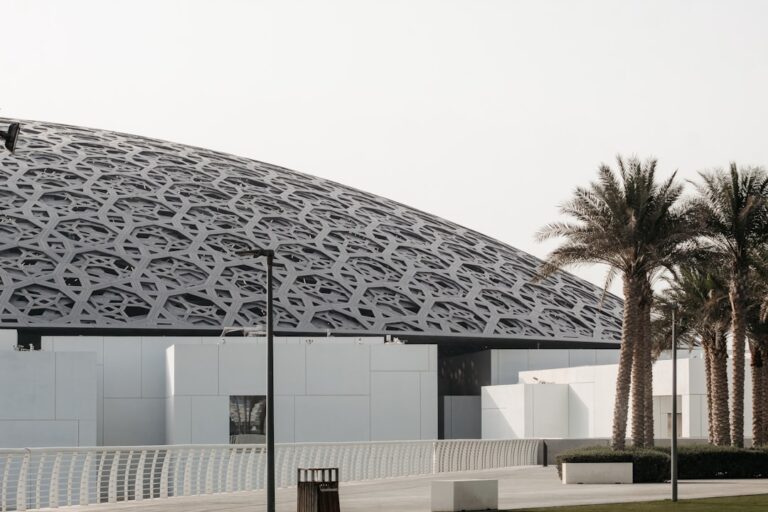
Several compelling reasons make these sites must-visit destinations. First, they provide authenticity often missing in urban tours. Meanwhile, modern attractions like the Louvre Abu Dhabi showcase global art. Conversely, heritage villages focus on hyper-local identity. They ground the UAE’s narrative in its desert origins.
Furthermore, they offer interactive, hands-on learning. Visitors can try weaving, pottery, or Arabic coffee making. This active participation creates lasting memories. Moreover, it builds respect for artisan skills. Consequently, it transforms passive sightseeing into engaged discovery. Families find these activities particularly rewarding.
Accessibility is another major advantage. Many heritage sites feature free admission. Additionally, they are often located near major city centers. Therefore, they fit easily into busy itineraries. They provide a cultural counterpoint to a day spent at Ferrari World Abu Dhabi. This balance enriches any travel plan.
Finally, these venues support local communities. Artisans sell handmade goods directly. Thus, tourism revenue sustains traditional crafts. This economic model helps preserve heritage. It ensures living culture, not just static displays. Your visit contributes directly to this mission.
Abu Dhabi Heritage Villages Experience
The Abu Dhabi heritage villages experience is wonderfully diverse. Typically, it begins with architecture exploration. You will see wind-tower designs for natural cooling. Moreover, you will understand strategic settlement placement near water. Guides explain family and social structures within the compound.
Subsequently, live demonstrations captivate visitors. Watch a skilled weaver create sadu patterns. Observe a metalsmith crafting intricate dagger (khanjar) handles. Furthermore, smell fresh khobez bread baking in a clay oven. These demonstrations happen daily. Therefore, timing your visit is straightforward.
Cultural performances often enhance the atmosphere. Traditional ayyala dance and tanoura spinning may occur. Additionally, poetry recitals in Nabati style are common. These art forms express historical values and stories. Consequently, they offer deep emotional connection. They are the heartbeat of the heritage experience.
Finally, interactive workshops allow personal creation. You might blend your own spices (bzar). Alternatively, you could try calligraphy. This hands-on element is unforgettable. It turns observation into participation. Thus, the Abu Dhabi heritage villages leave a profound, personal impact.
Primary Venue Details & Features
Two primary venues dominate the heritage scene in the capital. First, the Heritage Village on the Corniche Breakwater is iconic. It is a full-scale replica of a desert oasis village. Moreover, it boasts stunning views of the city skyline. This contrast between old and new is powerful.
Key features at this site include:
- A traditional mosque and majlis.
- Active workshops for pottery, glassblowing, and weaving.
- A small souq selling handicrafts and spices.
- A fascinating pearl diving exhibition.
- A Bedouin camp with goats and camels.
Second, Qasr Al Hosn in the city center is paramount. It is the oldest stone building in Abu Dhabi. Furthermore, it houses the Cultural Foundation and House of Artisans. This complex delves deeper into specific crafts. It represents the urban historical core.
Meanwhile, for a broader exploration, consider an Abu Dhabi city tour. Such tours often combine these heritage sites with modern landmarks. This provides a complete narrative arc of the emirate’s journey.
Need Travel Advice?
Essential Cultural Visit Planning & Tips
Successful planning maximizes your enjoyment. First, consider the season. Winter months (October to April) are ideal. Additionally, morning visits avoid peak heat and crowds. Therefore, aim for an opening time arrival. This ensures comfortable exploration.
Appropriate attire shows respect. Dress modestly as a cultural courtesy. Shoulders and knees should be covered. Furthermore, comfortable walking shoes are essential. Surfaces can be sandy or uneven. Consequently, practicality supports a longer, more pleasant visit.
Budget adequate time for immersion. Rushing defeats the purpose. Allocate at least two hours per village. Moreover, engage with the artisans. Ask questions about their crafts. This interaction enriches the experience significantly. It transforms viewing into dialogue.
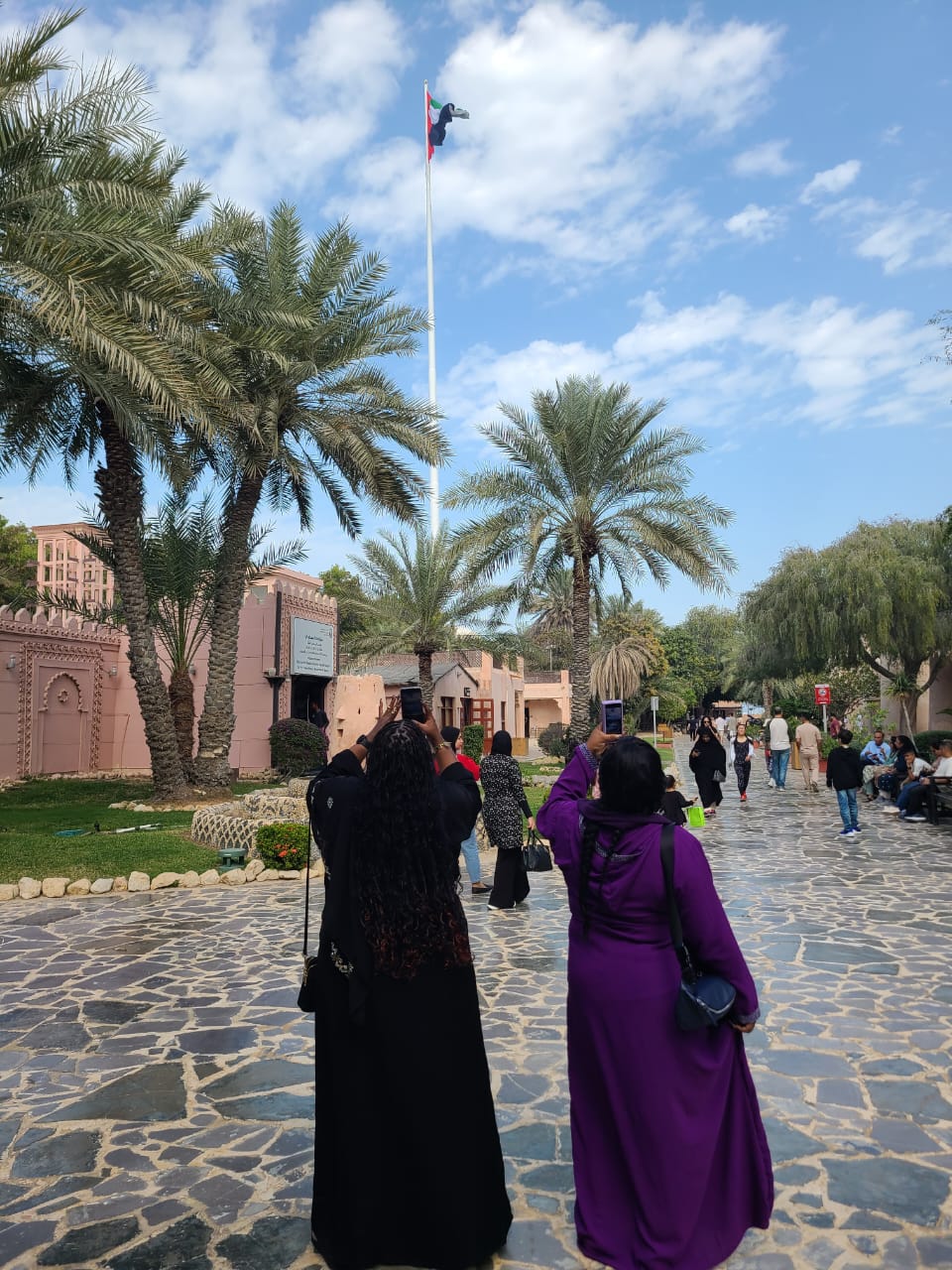
Combine your visit with other landmarks. For instance, pair the Corniche Heritage Village with the nearby Sheikh Zayed Grand Mosque. This creates a powerful full-day cultural itinerary. Alternatively, explore the oasis city of Al Ain via things to do in Al Ain guides for deeper history.
Abu Dhabi Heritage Villages Cultural Significance
The cultural significance of Abu Dhabi heritage villages is profound. They are not mere tourist attractions. Instead, they are active repositories of national identity. Furthermore, they combat cultural homogenization in a globalized world. They assert the enduring value of local traditions.
These sites teach sustainable pre-modern practices. For example, they showcase ancient water conservation methods. Moreover, they highlight resourcefulness in harsh environments. Consequently, they offer relevant lessons for today. They connect historical wisdom with contemporary sustainability goals.
Socially, they reinforce community values. The central majlis symbolizes collective decision-making. Similarly, the souq represents interdependence and trade. Therefore, visiting these spaces explains Emirati social cohesion. It provides context for the nation’s strong communal spirit.
Ultimately, Abu Dhabi heritage villages ensure continuity. They allow tradition to meet modernity on its own terms. They prove heritage is dynamic, not static. Thus, they play a crucial role in the UAE’s cultural ecosystem. They honor the past while engaging the present.
Common Heritage Experience Mistakes
Avoiding common errors enhances your visit. First, do not treat it as a quick photo stop. These sites require time and attention. Rushing leads to superficial understanding. Moreover, you miss subtle interactions and stories.
Second, avoid inappropriate clothing. Disrespectful attire can cause offense. It may also restrict entry to certain areas. Therefore, plan your outfit thoughtfully. Carry a scarf or shawl for easy adaptation if needed.
Third, do not overlook the artisans. Many visitors just walk past demonstrations. Instead, pause and observe. Furthermore, ask polite questions. Purchasing a small handmade item supports them directly. This engagement is mutually rewarding.
Finally, do not visit during peak midday heat. Comfort deteriorates quickly. Consequently, your enjoyment and stamina will drop. Plan for cooler hours. Always carry drinking water. These simple steps prevent fatigue and ensure a fulfilling experience.
Expert Cultural Journey Recommendations
Expert tips can elevate your cultural journey. First, hire a guide if possible. Knowledgeable interpreters provide invaluable context. They explain symbolism in crafts and architecture. Moreover, they share anecdotes not found on plaques.
Second, participate in scheduled workshops. Check the venue’s calendar upon arrival. Activities like date syrup making or henna painting are immersive. Furthermore, they create tangible souvenirs of your experience. These memories last far longer than bought items.
Third, extend your exploration beyond the capital. Consider a dedicated Abu Dhabi day trip from Dubai. This allows deeper immersion without logistical stress. Alternatively, explore the rich Abu Dhabi desert safari scene. Desert camps often incorporate similar heritage elements.
Finally, reflect after your visit. Discuss what surprised or moved you. Compare traditional life with modern UAE splendor. This reflection consolidates learning. It transforms a simple visit into meaningful personal insight. That is the true gift of heritage exploration.
Frequently Asked Questions About Abu Dhabi Heritage Villages
How long does an Abu Dhabi heritage villages visit take?
Duration varies by interest. Typically 2-3 hours suffices for a comprehensive experience. Plan your visit with extra time for workshops.
What is required for a heritage site visit?
Required: modest dress, comfortable walking shoes, valid ID, camera for memories. Sun protection and water are highly recommended.
What is the cost of this cultural experience?
Admission is typically free at major villages like the Corniche site. Workshops or special tours may have a nominal fee.
When is the best time for a heritage visit?
Morning hours are recommended. Cooler temperatures, fewer crowds, and better lighting for photos enhance the experience significantly.
Is photography allowed inside the villages?
Personal photography is usually permitted and encouraged. Always ask permission before photographing artisans or performers directly.
Is this a family-friendly venue?
Yes, it is highly suitable for all ages. Interactive exhibits and animal encounters keep children engaged and learning.
Final Thoughts on Abu Dhabi Heritage Villages
Furthermore, Abu Dhabi heritage villages offer exceptional cultural value. Moreover, they provide authentic insights into the Emirati spirit. Therefore, proper planning enhances your experience significantly. They are essential stops beyond the glittering skyscrapers.
TripHabibi provides comprehensive support for your journey. Our services include:
- Expert Guides: Comprehensive destination insights and historical context.
- Local Knowledge: Authentic recommendations for seamless cultural immersion.
- 24/7 Support: Trusted travel assistance before, during, and after your trip.
Additionally, contact our experts today to craft your perfect itinerary. Meanwhile, chat with us on WhatsApp for instant support and booking assistance. Let us help you connect with the heart of the UAE.
External Resources: For official information, consult the Dubai tourism official site. Check UAE immigration and Dubai residency for entry rules. Refer to UAE Foreign Affairs for travel advisories. Always verify travel requirements before your trip.
Related Posts