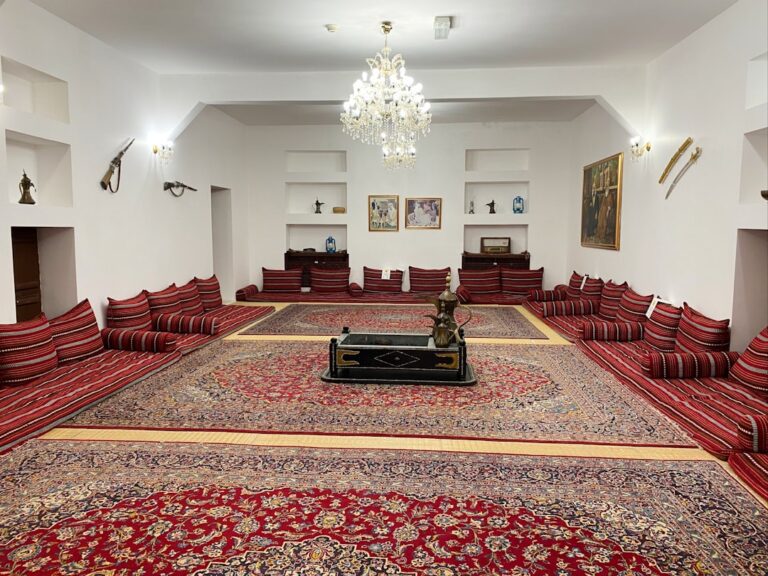
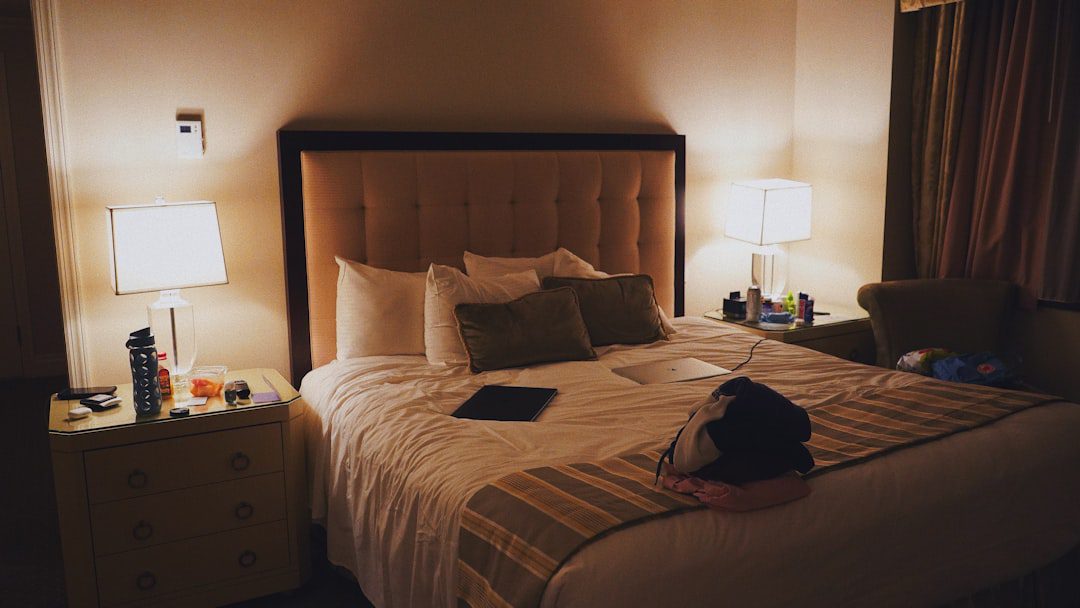
Abu Dhabi is turning hotel stays into cultural welcome ceremonies — here’s what ten new standards mean for your premium visit. Abu Dhabi Hotel Standards represent the new Emirati hospitality framework rolling out across the capital’s hotels. Furthermore, the initiative embeds ten cultural service standards into every guest journey, from Arabic coffee arrival rituals to locally inspired room design. For travellers, these standards transform a hotel stay into an authentic introduction to UAE culture.
- Location: Abu Dhabi hotels and resorts
- Best Time to Visit: October to April
- Standards: 10 new cultural service guidelines
- Highlights: Gahwa welcome, dates, Emirati cuisine, majlis design
- Ideal For: Culture-focused travellers, couples and families

Abu Dhabi has long competed with sparkling skylines and record-breaking attractions. Now the emirate is elevating the hotel experience itself. However, a recent What’s On Dubai report confirms hotels across Abu Dhabi will comply with ten new Emirati hospitality standards, a move designed to make every stay unmistakably local. Additionally, these standards go beyond soft opening touches; they define a repeatable, measurable culture of welcome. This guide explains what travellers can expect when they plan a premium stay in the UAE capital. That cultural shift matters if you value a hotel with a real sense of place. Therefore, look at the standards as a promise linking hotel teams, local craftspeople and guest memory. At TripHabibi, our team of Dubai-based travel experts has helped over 10,000 travellers experience the UAE authentically. For this reason, we offer private, customised tours — not crowded group experiences. Contact our local experts or message us on WhatsApp for a personalised itinerary built around the experiences below.
Ready to Experience Abu Dhabi with a Private Guide?
Skip the crowds. Private tours, flexible timing, expert local guides.
Browse Private Tours →Popular Tours & Activities



Understanding Abu Dhabi Hotel Standards
What Are the 10 New Emirati Hospitality Standards?
Abu Dhabi’s tourism authorities have long measured hotels by room size, facilities and service speed. The new framework adds a cultural layer to that checklist. In fact, ten standards cluster around arrival, atmosphere, dining, guest rooms and local connection. Most hotels already practise some elements; however, the shift makes them baseline expectations for a premium stay.
- Gahwa greeting: Arabic coffee served at check-in.
- Date welcome: Fresh dates offered with the coffee.
- Majlis-inspired spaces: Low seating arrangements in lobbies or suites.
- Bakhoor ambiance: Oud or agarwood scenting in public areas.
- Emirati design: Sadu textiles, calligraphy and date-palm craft.
- Local menus: Emirati dishes and regional ingredients at breakfast.
- Storytelling touches: Welcome notes explaining the heritage of amenities.
- Cultural activities: Coffee-making demonstrations, craft sessions or pearl stories.
- Regional amenities: Local dates, sidr honey, rosewater and traditional soaps.
- Farewell ritual: A generous send-off equal to the welcome.
How Do Abu Dhabi Hotel Standards Feel Different?
Luxury in Abu Dhabi used to feel global — white marble, crystal chandeliers and familiar international service. The new approach feels more personal. However, its real distinction is that hospitality is framed as entering someone’s home rather than checking in to a building. Furthermore, each welcome ritual is designed to slow you down, not speed you toward the elevator. For this reason, travellers who understand these small cues often describe Abu Dhabi as the most welcoming city in the Gulf.
Why New Emirati Hospitality Standards Matter
Who Will Notice the New Standards Most?
First-time visitors will notice the standards immediately because there is nothing subtle about being greeted with coffee and dates. Return guests, meanwhile, will feel the deeper changes through interiors, scent and dining choices. Additionally, families with children gain more hands-on cultural moments at resort properties. This makes Abu Dhabi an easier place to introduce younger travellers to real Emirati culture beyond theme parks and shopping malls.
What Are the Top Reasons to Book a Standards-Led Hotel?
For trip planners, a standards-led hotel is not just a room; it is an experience layer that shapes the entire journey. Here is why cultural hospitality is becoming the smart choice.
- You experience Emirati culture without leaving the hotel.
- Notably, the arrival ritual resets travel fatigue instantly.
- Room amenities become meaningful, not generic.
- Children encounter heritage through taste, sound and craft.
- Hotels near Qasr Al Watan or the Corniche add even more context.
- Your stay feels tied to Abu Dhabi’s identity, not copied from elsewhere.
Abu Dhabi Hotel Standards: The Guest Experience
What Should You Expect From Arrival to Checkout?
Your stay typically begins in the lobby. Staff offer gahwa in small handleless cups and a plate of dates while completing check-in smoothly. Then your bell attendant walks you through the design story of the property, explaining local materials rather than simply carrying luggage. Most importantly, these standards multiply the meaningful touchpoints of a normal hotel greeting. By the time you reach your suite, you understand that the hotel has invested in cultural authenticity.
Which Insider Details Do Most Guides Skip?
One overlooked detail is scent memory: many Abu Dhabi properties now use a signature bakhoor blend rather than generic designer perfume. Therefore, your corridor may carry subtle notes of agarwood, frankincense, rose or saffron. Another layer is storytelling in room amenities; you may find a handwritten card describing the date farm behind your gift. In fact, these small gestures turn a five-star room into a conversation about the Emirates.
Hotel Styles and Options Under the New Standards
How Do Stay Styles Compare Under the New Standards?
Because each hotel brand expresses the standards differently, you can choose the version that fits your journey. The table below groups the broad experiences travellers now find across the capital.
You May Also Like
.jpg)

What Is and Is Not Included?
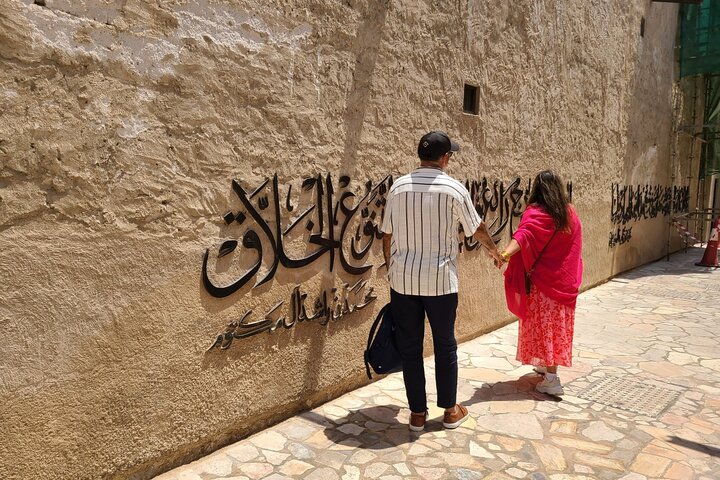
The ten standards apply broadly across Abu Dhabi hotels, but not every property will place all ten items in every room category. You may find gahwa in the lobby and a dates plate in your room, yet a full majlis sofa may appear only in suites or lounge areas. In addition, cultural activities such as Sadu weaving demonstrations or Arabic coffee workshops often run on selected days. However, if a particular experience matters to you, TripHabibi can match you with a property that brings it to life.
Questions? Our Local Experts Are Standing By
Get instant answers from our Dubai-based team — free, no obligation.
💬 Chat on WhatsApp →Planning Your Premium Abu Dhabi Hotel Stay
When Is the Best Time to Visit Abu Dhabi?
October through April offers the most comfortable temperatures for enjoying outdoor hotel spaces and nearby heritage sites. Summer months are quieter for resort time but demand clever scheduling to avoid midday heat. However, hospitality standards like gahwa and bakhoor are season-independent. Additionally, cultural programming often intensifies during Ramadan and UAE National Day, so check your dates if you want festive hotel traditions. For extra inspiration, browse Visit Abu Dhabi before you finalise timing.
What Practical Tips Should You Know Before You Go?
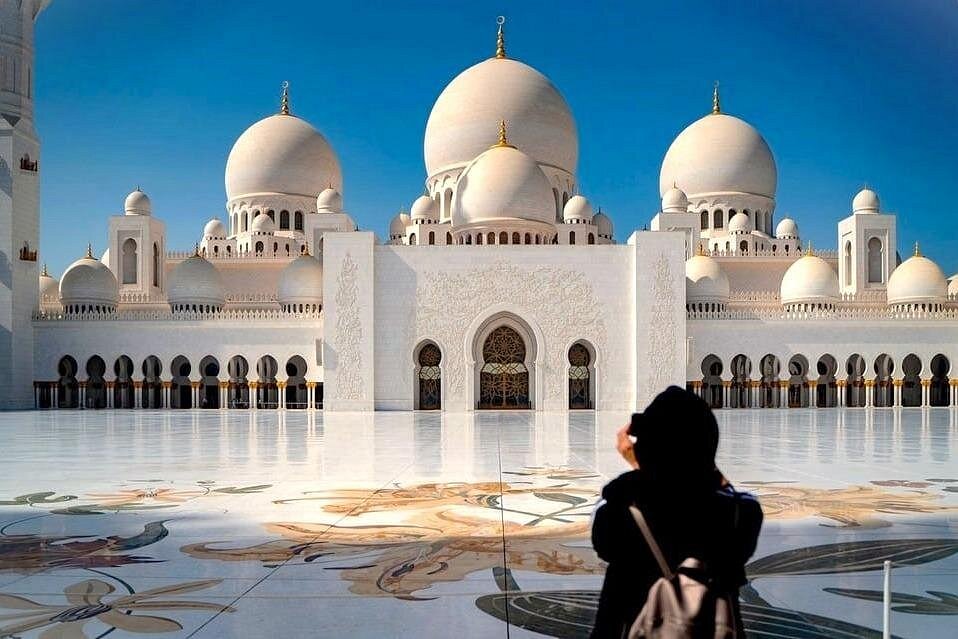
Pack light layers; Abu Dhabi’s interiors are heavily air-conditioned. For visits to the Sheikh Zayed Grand Mosque or Qasr Al Watan, men and women need modest clothing. Furthermore, the weekend rhythm runs Friday and Saturday, when restaurant service may feel slower and more celebratory. In addition, review our things to do in Abu Dhabi guide so you can connect your hotel base to the cultural sights around it.
Abu Dhabi Hotel Standards Cultural Significance
What Do the Standards Reveal About UAE Culture?
Emirati hospitality is rooted in desert tradition, where travellers received shelter, gahwa and dates without asking. The new hotel standards translate this tradition into contemporary practice. Furthermore, they reject the idea that luxury must erase local identity in favour of a generic aesthetic. Instead, a hotel room becomes a soft introduction to deeply held values of generosity and respect. As the UAE Ministry of Foreign Affairs emphasises, these values are central to the country’s national identity.
What Historical Context Should Every Visitor Know?
Abu Dhabi’s heritage institutions, including Qasr Al Hosn, the city’s oldest building, preserve stories of resourcefulness and community. Before oil, families shared what little they had; coffee pots were always kept warm for guests. Moreover, Sadu weaving and date palm cultivation carry UNESCO recognition as living cultural heritage. For this reason, when your hotel displays a traditional Sadu cushion or offers dates from Liwa, it is connecting you to a way of life that shaped the modern UAE.
Common Visitor Mistakes to Avoid
What Do Most Tourists Get Wrong?
Many guests mistake the standards for Instagram styling and forget to participate. However, the framework works best when travellers lean into the experience rather than simply photograph it. The most common errors are easy to avoid once you know them.
- Declining the Arabic coffee without trying it.
- Leaving dates untouched because they look like decoration.
- Wearing poolwear through internal corridors outside beach areas.
- Skipping hotel cultural sessions to book generic excursions.
- Asking about heritage crafts only on departure morning.
- Assuming every standard appears at every property.
How Can You Avoid These Errors?
Always accept the gahwa at least once; it marks you as a respectful guest. If you do not drink coffee, place your hand gently over the cup and say “shukran.” However, the same open attitude applies to dates — taste them even if you usually skip sweets. Furthermore, ask the concierge about the property’s cultural calendar as soon as you arrive. Before travelling, confirm your UAE visa requirements with the UAE immigration authority so your arrival is stress-free.
When you finish your gahwa, gently shake the empty cup side to side or hand it back to the server. However, this traditional signal tells them you are done, and the pouring stops. In fact, that tiny gesture often opens warm conversations with local staff.
Expert Recommendations for a Premium Stay
How Can You Get the Most From Your Stay?
Start your first morning with breakfast in the hotel’s Emirati restaurant rather than ordering room service. This is where you will meet chefs and see dishes explained with context. Afterwards, request a short tour of the property’s art or architectural features. In particular, hotels on Saadiyat Island pair well with Louvre Abu Dhabi, while Corniche properties bring you closer to Qasr Al Hosn and the water.
What Nearby Attractions Should You Combine It With?
Use your standards-led hotel as the cultural base for a broader itinerary. For example, after a morning gahwa experience at your hotel, a private Abu Dhabi city tour can connect the same rituals to the forts, mosques and palaces you visit. Therefore, sightseeing feels connected rather than disconnected. For contrast, balance city culture with an Abu Dhabi desert safari, where Bedouin hospitality continues under open skies.
Frequently Asked Questions About Abu Dhabi Hotel Standards
How long does Abu Dhabi Hotel Standards take to change a stay?
If you choose a premium hotel in Abu Dhabi, the standards begin at check-in and continue through checkout. The most visible moments often appear within your first ten minutes. However, the deeper cultural layer unfolds through dining, amenities and on-site talks.
What should I wear for a premium Abu Dhabi hotel stay?
Inside the hotel, smart-casual clothing works well for breakfast, lounges and restaurants. For pools and beaches, cover up when moving through internal corridors unless the resort is fully beach-front. However, hotels usually provide clear guidance for modest dress in shared public spaces.
Are the new Emirati hospitality experiences suitable for families with young children?
Yes, most cultural moments suit children beautifully. The coffee ritual fascinates older kids, while dates and craft sessions appeal to younger ones. Furthermore, TripHabibi offers private family-focused recommendations with flexible pacing and child-friendly restaurant options.
What is the best time of year to experience Emirati hospitality in Abu Dhabi?
October to April offers pleasant daytime highs that permit balcony breakfasts and Corniche walks. Summer is quieter and more resort-focused. In particular, early evening hours are magical for outdoor dining and sunset majlis settings.
Do I need to book a standards-led hotel stay in advance?
Yes, especially for standout properties on Saadiyat Island and the Corniche. Rooms in places with authentic Emirati details are increasingly sought after. Therefore, TripHabibi recommends reserving several weeks ahead for peak travel periods.
Can I combine an Abu Dhabi hotel stay with other UAE attractions?
Yes. Pair your hotel with Sheikh Zayed Grand Mosque, Qasr Al Watan, Louvre Abu Dhabi or an Abu Dhabi day trip from Dubai. Additionally, our experts can sequence the stops around your hotel’s cultural schedule for maximum depth.
Final Thoughts on Abu Dhabi Hotel Standards
Ultimately, Abu Dhabi Hotel Standards mark a shift from grand-lobby luxury to warmth with a local heartbeat. For guests, the evidence is not a plaque in the elevator but the scent of bakhoor, the weight of a gahwa cup and the sweetness of a freshly offered date. Furthermore, as the ten standards roll out, you will feel the difference in how hotel staff speak, serve and farewell you. This journey may make other hotel stays feel quiet by comparison. TripHabibi’s Dubai-based team offers private, expert-guided tours with flexible timing and 24/7 support. Additionally, book your experience today or chat with us on WhatsApp — we reply within minutes.
Related Tours
Ready to Explore Abu Dhabi? Let’s Make It Happen! 🌆
💬 Chat with Our Tour Experts on WhatsAppRelated Posts