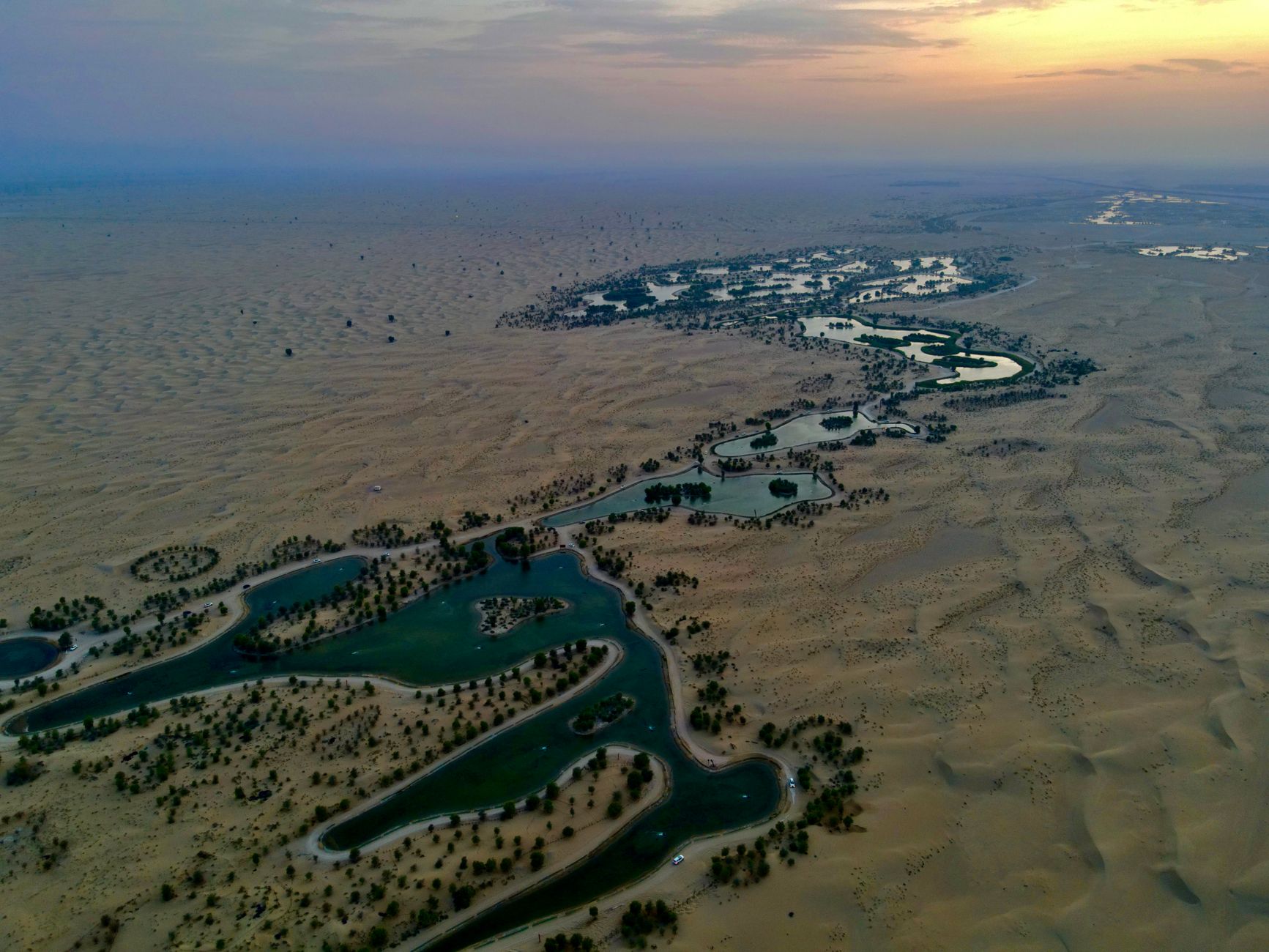
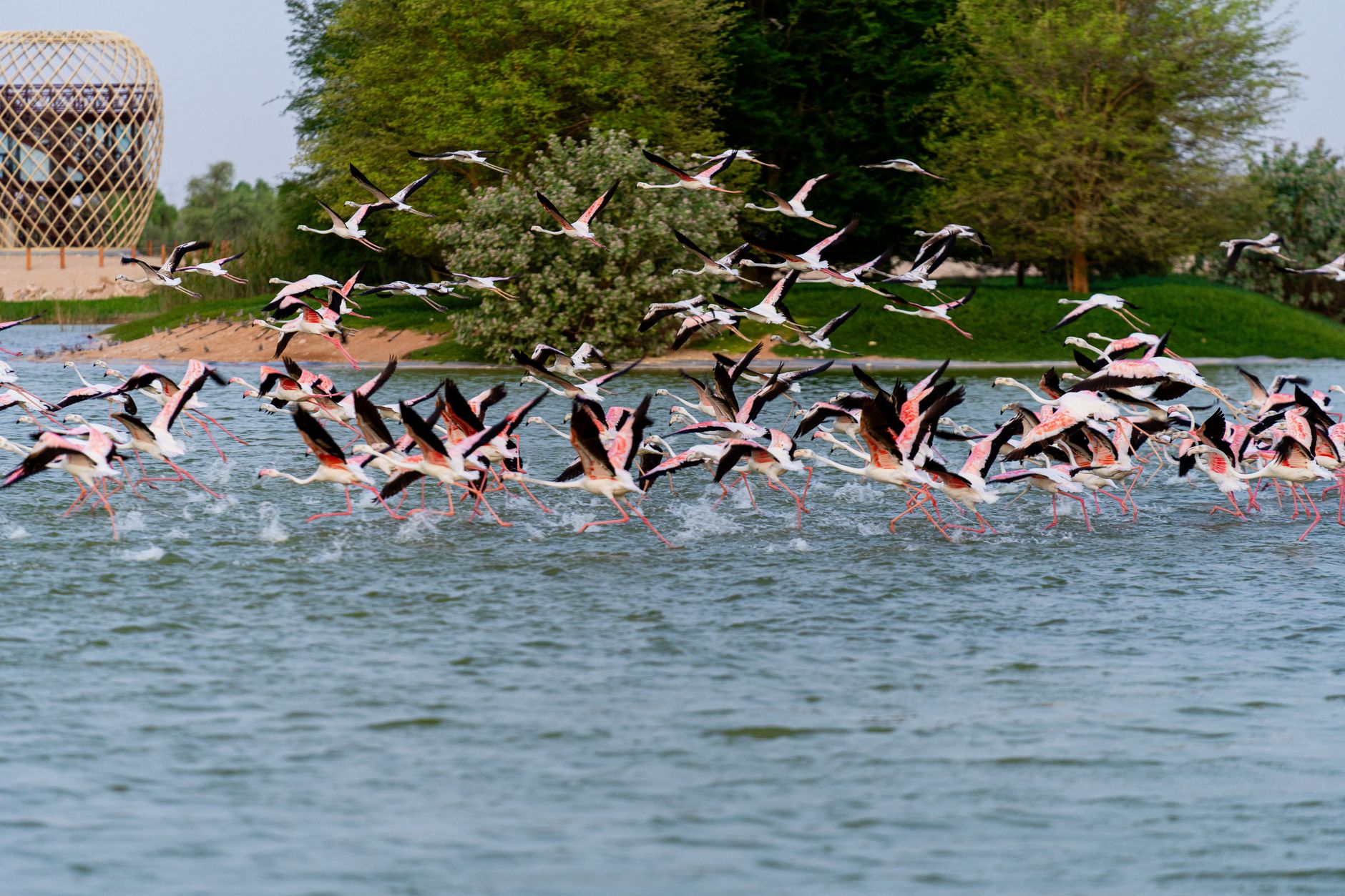
Al Qudra Lakes Dubai is a sprawling desert oasis in the Al Marmoom Desert Conservation Reserve, just 40 minutes south of downtown. Additionally, this man‑made lake system spans over 40 interconnected water bodies and attracts more than 165 bird species, including pink flamingos, herons and swans. It offers free public access, cycling trails and camping grounds. Travellers seeking a serene nature escape near the city flock here for sunrise birdwatching and sunset photography.
- Location: Al Marmoom Desert, 40‑minute drive from Downtown Dubai
- Best Time to Visit: November–March (peak flamingo season); sunrise or sunset
- Duration: 2–3 hours for birdwatching, half‑day with cycling or camping
- Highlights: Greater flamingos, 50‑km cycling trail, free camping areas
- Ideal For: Wildlife photographers, cyclists, families, nature lovers
Dubai’s skyline gives way to golden dunes within half an hour. At TripHabibi, our Dubai‑based travel experts have helped over 10,000 travellers experience the UAE authentically. For this reason, we offer private, customised tours — not crowded group experiences. Contact our local experts or message us on WhatsApp for a personalised itinerary.
Ready to Experience Al Qudra Lakes with a Private Guide?
Skip the crowds. Private tours, flexible timing, expert local guides.
Popular Tours & Activities
.jpg)
Understanding Al Qudra Lakes Dubai
What Makes This Oasis Unique in the UAE?
Al Qudra Lakes form part of the Al Marmoom Desert Conservation Reserve — the UAE’s largest unfenced nature reserve, covering 10% of Dubai’s land area. Unlike manicured city parks, these lakes are wild and self‑sustaining, fed by treated wastewater that supports a thriving ecosystem. However, what truly sets them apart is their accessibility: you can drive right up to the water’s edge, park, and start birdwatching within minutes. Additionally, the lakes host flamingos from November to March, a spectacle few desert places can match.
How Does It Compare to Other Nature Spots in Dubai?
Dubai has few natural wetlands. Ras Al Khor Wildlife Sanctuary is closer to the city but restricts access to viewing hides. Al Qudra, on the other hand, lets you walk freely along the shoreline. For this reason, it attracts serious birders as well as casual picnickers. Moreover, the cycling track here is longer and more scenic than any urban bike lane. In fact, the 50‑km loop passes through dunes and lake views that feel worlds away from the city.
Why Choose This Experience
Who Is This Experience Best For?
Al Qudra Lakes suit nature lovers, photographers, and families with older children who enjoy cycling. Birdwatchers will find rarities like the black‑necked grebe and western reef heron. However, those needing paved paths, restrooms, or shaded seating may prefer more developed parks. The lakes have basic facilities — picnic tables and public barbecues — but no cafes or shops. Meanwhile, serious cyclists love the dedicated asphalt track that is flat and traffic‑free.
Top Reasons to Visit
- See flamingos in the desert — 2,000+ birds during winter months
- In particular, Cycle on a 50‑km car‑free trail surrounded by dunes
- Camp under the stars in designated free campsites
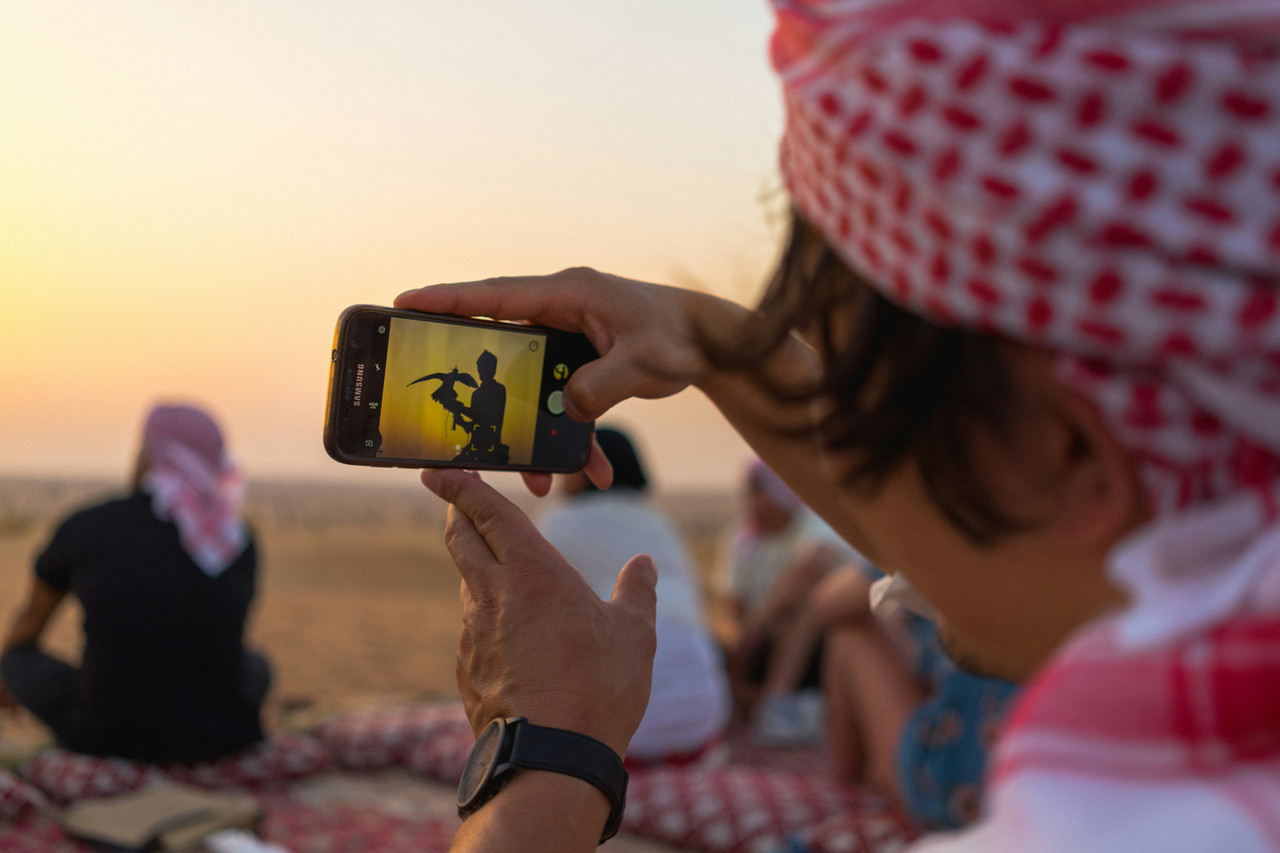
- Capture sunrise reflections and sunset silhouettes
- Escape Dubai’s crowds without a long drive
- Spot over 165 bird species in one morning
Al Qudra Lakes Dubai Experience
What to Expect During Your Visit
Enter the reserve via the Al Marmoom gate near Al Qudra Road. Drive slowly to spot Arabian oryx and gazelles along the way. First, you will see Love Lake — a heart‑shaped man‑made lake with a viewing platform. Then continue to the main lake cluster where flamingos gather near the eastern shore. Most importantly, bring binoculars and a telephoto lens; the birds are used to humans so you can approach within 30‑40 metres.
Insider Details Most Guides Skip
Flamingos are most active in the hour after sunrise and before sunset. Photographers should arrive by 6:00 am in winter. Also, the lakes are shallow — wading birds feed in the centre, so a long lens is essential. Besides, the wind picks up after 10 am, creating ripples that make reflections difficult. For this reason, early morning offers the calmest water for mirror‑like photos. Finally, the best spot for flamingo close‑ups is the small peninsula on the south side of Lake 4.
Details, Features & Options
Comparing Your Visit Options
You May Also Like

What Is and Is Not Included
Access to the lake area and public facilities is free. The cycling track is open to anyone. However, there are no bike rentals on site — you must bring your own. BBQ pits are available but bring your own charcoal and food. Furthermore, there are no shops, so pack water and snacks. Camping is allowed in designated zones without a permit, but fires are only permitted in provided fire pits. Notably, TripHabibi can arrange a private guide who brings a picnic setup and binoculars.
Questions? Our Local Experts Are Standing By
Get instant answers from our Dubai‑based team — free, no obligation.
Planning Your Visit
When Is the Best Time to Visit?
Visit between November and March for the highest concentration of flamingos. Furthermore, summer temperatures exceed 45°C, making midday visits unpleasant. Therefore, the ideal season is winter. Within that period, sunrise (6:00–7:30 am) offers calm light and active birds. Sunset (5:00–6:00 pm) warms the dunes with orange hues. Meanwhile, weekdays are far quieter than weekends. According to Visit Dubai, the reserve receives over 500,000 visitors yearly — most on Fridays and Saturdays.
Practical Tips Before You Go
Pack a sun hat, sunscreen, and at least two litres of water per person. However, wear sturdy shoes — the ground is dusty and uneven near the water. Additionally, bring a battery bank because there are no charging points. If you plan to cycle, inflate tyres beforehand. Most importantly, download offline maps; phone signal is weak in parts of the reserve. For a complete list, check our day trips from Dubai page.
Al Qudra Lakes Dubai Cultural Significance
What Does This Reveal About UAE Culture?
The Al Qudra Lakes embody the UAE’s commitment to sustainability and desert conservation. Unlike oil‑fuelled artificial islands, these lakes use treated wastewater — a model for arid‑region water management. Moreover, the Al Marmoom Reserve protects traditional bedouin flora such as ghaf trees and samr bushes. For this reason, the site symbolises forward‑thinking environmental stewardship. The nearby Al Marmoom Heritage Village offers insight into camel‑breeding traditions.
Historical Context Every Visitor Should Know
The lakes were created in 2013 as part of Dubai’s plan to increase green spaces by 100% by 2030. In fact, before that, this area was open desert used by nomadic herders. Today, it is a protected zone for oryx, gazelles and birds. Furthermore, the cycling route follows old caravan trails between the Liwa oasis and Dubai. In fact, the UAE Ministry of Foreign Affairs highlights Al Marmoom as a model of eco‑tourism. Understanding this history enriches every visit.
Common Visitor Mistakes
What Most Tourists Get Wrong
- Arriving after 10 am — birds are less active and light is harsh
- Consequently, forgetting binoculars — birds often feed 50‑100 metres from shore
- Wearing sandals — the lakeside is rocky and dusty
- Not bringing enough water — no shops within the reserve
- Driving too fast — oryx and gazelles cross the roads unpredictably
- Camping without prior arrangements — some zones close for maintenance
How to Avoid These Errors
Start your visit at 6:00 am for the best bird activity. Wear closed‑toe trainers and bring a wide‑brimmed hat. Pack two litres per person and a cooler with snacks. Drive at 30 km/h or slower after entering the reserve. Additionally, check the Dubai Municipality website for any temporary closures. For a stress‑free experience, consider a Dubai desert safari tour that includes Al Qudra Lakes as a stop.
Bring a polarising filter for your camera: it cuts glare from the shiny lake surface and makes the flamingo pink pop. Arrive before 6:30 am to claim the best spot on the south peninsula.
Expert Recommendations
How to Get the Most from Your Visit
Combine a sunrise birdwatching session with the first 10 km of the cycling track — it loops past the most photogenic lakes. Most importantly, stay until at least 9:30 am when the sun lights up the dunes behind the water. Book a private guide through TripHabibi; they will bring a spotting scope and identify species by call. Furthermore, our guides know the exact spots where flamingos feed each season, saving you trial and error.
What to Combine It With
Al Qudra Lakes works well with a visit to the Last Exit food truck park (15 minutes away) or the Al Faya heritage village. For a full day, pair the lakes with the Dubai Desert Conservation Reserve’s camel ride experience. Alternatively, add a stop at the things to do in Dubai guide — many travellers bundle it with the Global Village or Miracle Garden. TripHabibi can create a custom itinerary that includes pick‑up from your hotel.
Questions About Al Qudra Lakes Dubai
How long does Al Qudra Lakes Dubai take?
For this reason, a dedicated birdwatching visit takes 2–3 hours. Cycling the full 50‑km loop requires 3–5 hours. Camping trips last from evening to next morning. Additionally, our team can tailor the experience to your schedule.
What should I wear to the Al Qudra Lakes?
As a result, wear comfortable clothing, closed‑toe shoes, and a sun hat. Bring a light jacket in winter mornings (temperatures can drop to 12°C). However, no special dress code applies — modesty is appreciated but not enforced.
Is Al Qudra suitable for families with young children?
Notably, yes, but children under 5 may find the walking distances tiring. Older kids enjoy spotting flamingos and cycling on the flat track. Furthermore, TripHabibi offers private family tours with flexible pacing and picnic setups.
What is the best time of year to visit Al Qudra?
Specifically, November to March, when temperatures range from 18–25°C. Flamingo numbers peak in December and January. In particular, morning visits before 9 am avoid the largest tour groups.
Do I need to book Al Qudra Lakes in advance?
Moreover, no booking is required for self‑guided visits. However, if you want a private guide or a reserved camping spot, advance booking is recommended. Therefore, TripHabibi recommends contacting us at least 48 hours ahead for guided tours.
Can I combine Al Qudra Lakes with other UAE attractions?
That said, yes, common pairings include the Last Exit food park, Al Faya heritage village, or Global Village. Additionally, TripHabibi designs full‑day private itineraries combining Al Qudra with a desert safari or a visit to the Dubai theme parks area.
Final Thoughts on Al Qudra Lakes Dubai
Without question, Al Qudra Lakes Dubai offers one of the most accessible wildlife encounters in the emirate — pink flamingos at dawn, a smooth cycling track through dunes, and free camping under a clear desert sky. The contrast between golden sand and turquoise water is a photographer’s dream. Furthermore, the reserve’s conservation story adds depth to every moment spent here.
TripHabibi’s Dubai‑based team offers private, expert‑guided tours with flexible timing and 24/7 support. Additionally, book your experience today or chat with us on WhatsApp — we reply within minutes.
Related Tours
Ready to Explore Dubai? Let’s Make It Happen! 🌆
💬 Chat with Our Tour Experts on WhatsAppRelated Posts