
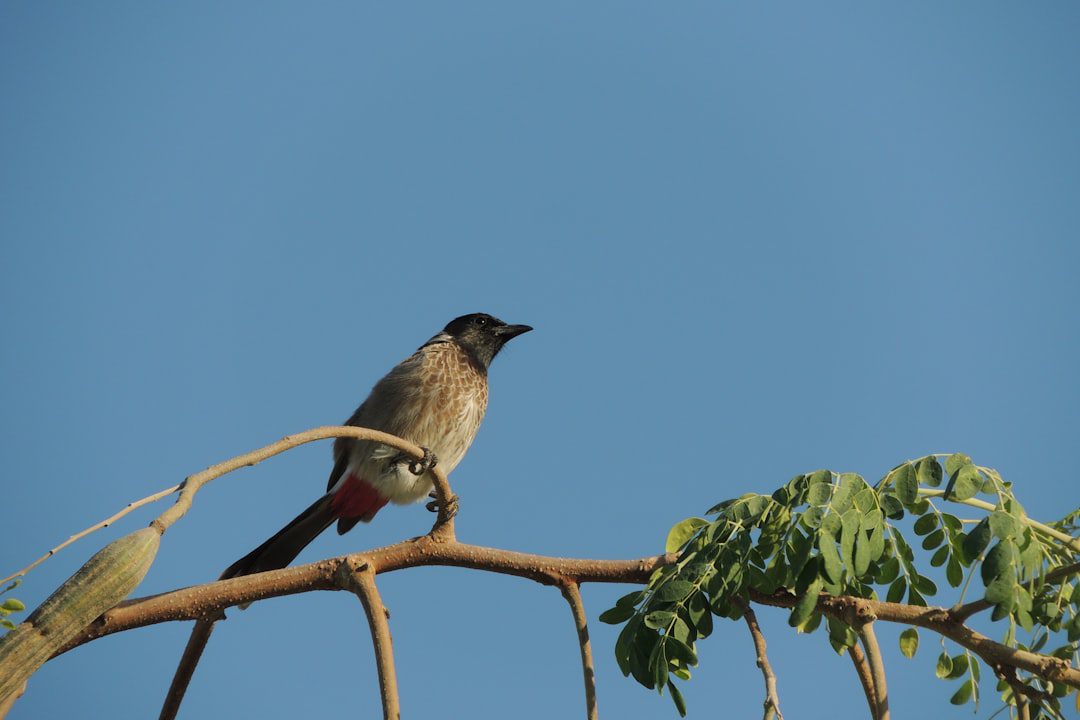
Looking for Best Birdwatching Spots UAE information? The United Arab Emirates offers a surprising avian paradise. Moreover, its unique geography attracts hundreds of species. Consequently, from coastal wetlands to inland oases, opportunities abound for enthusiasts. This guide unlocks the premier locations for observing wildlife.
The UAE sits on critical migration routes. Therefore, autumn and spring bring spectacular bird diversity. Additionally, protected reserves provide safe havens for resident and visiting species. You can see flamingos, eagles, and rare songbirds here. Furthermore, the landscape offers stunning backdrops for nature photography.
Understanding seasonal patterns enhances your birdwatching success significantly. This comprehensive guide covers top spots, ideal timings, and common species. We also share essential gear and photography advice. At TripHabibi, your trusted travel companion, we provide comprehensive destination guides and authentic travel experiences across the UAE. Our platform helps thousands of travelers discover the best of Dubai and Abu Dhabi. Contact us or reach us on WhatsApp for personalized recommendations.
Ready to Explore Dubai?
Understanding Best Birdwatching Spots UAE
The Best Birdwatching Spots UAE are diverse and accessible. Firstly, the country’s conservation efforts created excellent sanctuaries. These protected areas are vital for global migration. Furthermore, they support both desert specialists and waterbirds. Understanding this ecosystem variety is key for planning.
Several key factors define a top birding location. Reliable water sources are the primary attractant. Additionally, varied habitats like mangroves and mudflats increase species diversity. Protected status minimizes human disturbance significantly. Consequently, birds exhibit more natural behaviors there.
Location accessibility is another important consideration. Many premier sites are near major cities. For instance, you can find excellent spots on Abu Dhabi day trips from Dubai. Others require more dedicated travel into remote areas. Therefore, planning your route in advance is wise.
Each spot offers a unique species composition. Coastal sites host waders and seabirds. Meanwhile, inland reservoirs attract ducks and raptors. Desert regions specialize in hardy species like coursers. Ultimately, visiting multiple habitats yields the most comprehensive bird list.
Why Choose UAE Birding Destinations
The UAE’s birding scene offers exceptional advantages. Firstly, the infrastructure is modern and tourist-friendly. Roads to major reserves are well-maintained. Furthermore, signage and facilities are generally excellent. This makes independent exploration quite straightforward.
Secondly, the seasonal migration is truly spectacular. Millions of birds traverse the Arabian Peninsula. Consequently, fall and spring offer unmatched variety. You might see rare vagrants alongside common migrants. Additionally, the winter months host many northern species.
The climate, while hot, allows year-round birding. Early mornings are pleasant most of the year. Moreover, the winter season is genuinely mild and comfortable. Therefore, you can plan productive outings across several months. Always carry water and sun protection.
Conservation success stories are also compelling. Species like the Socotra cormorant have strongholds here. Furthermore, the iconic greater flamingo breeds in several locations. These successes make visits both enjoyable and encouraging. Supporting these reserves aids continued preservation efforts.
Best Birdwatching Spots UAE Experience
Experiencing the Best Birdwatching Spots UAE involves strategic timing. The peak migration periods are essential visits. Specifically, March to May and September to November are best. Furthermore, winter from December to February hosts many waterfowl. Summer is quieter but has unique residents.
A typical day starts before sunrise. Early light is best for activity and photography. Moreover, the temperatures are most comfortable then. Pack a quality pair of binoculars and a field guide. Additionally, wear neutral-colored, comfortable clothing for blending in.
Movement should be slow and deliberate. Sudden motions will flush birds. Instead, use available hide structures at many reserves. Furthermore, patience often rewards you with closer views. Listening for calls can also reveal hidden species.
Respect the environment at all times. Stay on designated paths to protect habitats. Furthermore, avoid playing bird calls from speakers. This can stress the animals unnecessarily. Finally, share your sightings with local bird groups. This contributes valuable citizen science data.
Need Travel Advice?
Prime Locations & Seasonal Highlights
Several locations stand out for any birding itinerary. Firstly, **Al Wathba Wetland Reserve** in Abu Dhabi is premier. It is famous for its flamingo population. Furthermore, it hosts many other waders and passerines. The reserve has well-constructed walking trails and hides.
Secondly, **Ras Al Khor Wildlife Sanctuary** in Dubai is unique. It is a wetland amidst the urban landscape. Consequently, it attracts thousands of birds yearly. The flamingo hide here offers stunning cityscape backdrops. Additionally, it’s easily combined with explore Dubai city tours.
**Khor Kalba** on the east coast is a biodiversity hotspot. Its mangrove forest is the oldest in Arabia. Moreover, it shelters the rare Arabian collared kingfisher. This site requires more planning to access. However, the rewards for dedicated birders are immense.
For desert species, **Al Qudra Lakes** in Dubai is excellent. These human-made lakes attract many desert birds. Furthermore, you can see various eagles and owls there. The surrounding dunes add to the scenic beauty. Visit at dawn for the best activity.
Birdwatching Planning & Essential Tips
Successful birdwatching requires thoughtful preparation. First, research your target sites thoroughly. Check official websites for opening hours and fees. Furthermore, some reserves require permits booked in advance. Therefore, confirm all access details before departing.
Your equipment list is crucial for enjoyment. Essentials include:
* **Binoculars (8×42 or 10×42):** For clear, close viewing.
* **Field Guide:** A regional bird book or app.
* **Camera & Lens:** For documentation and photography.
* **Apparel:** Hat, sunscreen, and neutral-colored clothing.
* **Hydration:** Ample water and some snacks.
Timing your visit with tides is wise for coastal sites. High tide concentrates waders closer to hides. Moreover, early morning light is best for photography. Conversely, afternoons can be good for raptor sightings. Always check the weather forecast for wind conditions.
Consider joining a guided bird walk initially. Local experts know bird behaviors and hotspots. Additionally, they provide valuable ecological context. This can greatly accelerate your learning curve. Later, you can explore sites independently with confidence.
Best Birdwatching Spots UAE Cultural Significance
The Best Birdwatching Spots UAE reflect deep cultural connections. Historically, falconry is a cherished Bedouin tradition. This practice underscores a long-standing human-bird relationship. Furthermore, it promoted knowledge of raptor behavior and migration. Today, falconry remains a living heritage.
Birds also feature prominently in local poetry and art. The houbara bustard, for instance, is a celebrated subject. Moreover, their imagery symbolizes freedom and the desert spirit. Consequently, conserving these species preserves cultural identity. Modern reserves continue this legacy of respect.
Birdwatching tourism supports environmental education. It raises awareness about local ecosystems. Furthermore, it generates revenue for conservation projects. Therefore, your visit contributes directly to habitat protection. This creates a sustainable cycle of appreciation and care.
The UAE’s vision includes green development. Protecting wetlands aligns with sustainability goals. Additionally, urban sanctuaries like Ras Al Khor showcase this balance. They prove that development and nature can coexist. This progressive model inspires other regions globally.
Common Birdwatching Mistakes to Avoid
Several common errors can hinder your experience. Firstly, neglecting the heat is dangerous. Always start early and carry excess water. Furthermore, wear a hat and apply strong sunscreen. Dehydration or sunstroke will ruin your day completely.
Secondly, moving too quickly scares birds away. Walk slowly and pause frequently. Moreover, avoid loud conversations and sudden gestures. Instead, let the birds become accustomed to your presence. Patience is the birdwatcher’s greatest virtue.
Using inadequate optics is another frequent mistake. Poor binoculars cause eye strain and frustration. Therefore, invest in the best you can afford. Additionally, learn to focus them quickly on moving targets. Practice in your garden before your trip.
Ignoring local rules damages conservation efforts. Always stay on marked trails. Furthermore, never attempt to feed or touch wildlife. Respect closure areas designed for breeding birds. Finally, avoid using flash photography near sensitive species.
Expert Nature Photography Recommendations
Capturing stunning bird photos requires specific techniques. First, a telephoto lens (300mm minimum) is essential. It allows close-ups without disturbing subjects. Furthermore, a tripod or monopod stabilizes your shots. This is crucial in low morning light.
Camera settings must balance speed and clarity. Use a fast shutter speed to freeze motion. Moreover, a wide aperture blurs distracting backgrounds. Auto-focus should be set to continuous tracking mode. Consequently, you can follow birds in flight successfully.
Composition separates good photos from great ones. Try to capture birds in their habitat. Furthermore, include interesting vegetation or water reflections. Position the bird off-center using the rule of thirds. Additionally, aim for eye-level shots for intimate portraits.
Lighting is the most critical element. The “golden hours” after sunrise are ideal. Moreover, overcast days provide soft, even light. Avoid harsh midday sun which creates shadows. Finally, be ethical. Never stress a bird for the perfect shot. Your subject’s welfare always comes first.
Frequently Asked Questions About Best Birdwatching Spots UAE
What is the best season for UAE birdwatching?
The peak seasons are spring (March-May) and autumn (September-November). Winter (Dec-Feb) is excellent for waterfowl. Summer is hot but good for resident species.
Do I need a permit for these nature spots?
Some reserves like Al Wathba require a free permit booked online in advance. Others, like Ras Al Khor hides, are freely accessible. Always check official sites.
What are the most common birds to see?
Common species include Greater Flamingo, Western Reef Heron, Kentish Plover, and various terns and gulls. Desert areas have Crested Larks and Hoopoe.
Is birdwatching suitable for families with children?
Yes, many reserves have easy trails and hides. It’s a great educational activity. Keep visits short, bring snacks, and make it a game to spot different colors and sizes.
Can I combine birdwatching with other tours?
Absolutely. A morning at Ras Al Khor can be followed by a Dubai city tour. Similarly, Al Ain birding pairs well with things to do in Al Ain.
What should I do if I find an injured bird?
Do not handle it directly. Note the location and species. Contact the local wildlife authority or the reserve management immediately for professional assistance.
Final Thoughts on Best Birdwatching Spots UAE
Furthermore, the Best Birdwatching Spots UAE offer a world-class natural experience. Moreover, they provide a serene counterpoint to the vibrant cities. Therefore, they are a must-visit for nature lovers. The diversity of species and settings is truly impressive.
Planning maximizes your enjoyment and success. Research seasons, pack appropriate gear, and respect guidelines. Additionally, consider guided options to deepen your understanding. The memories and photographs you take home will be priceless.
Related Posts