Introduction
Discover the truth behind the Burj Al Arab Stars? For over two decades, the iconic sail-shaped silhouette of the Burj Al Arab has dominated Dubai’s coastline, synonymous with unparalleled luxury. Moreover, a persistent legend surrounds it: the claim of being the world’s first and only “7-star hotel.” This article delves deep into this fascinating myth, separating marketing genius from formal classification. We will explore the origins of the story, examine how hotel ratings actually work globally and in the UAE, and reveal what truly makes this hotel an exceptional landmark. Understanding this distinction enhances your appreciation for Dubai’s ambition and innovation in hospitality.
Consequently, this guide provides clarity for discerning travelers. Beyond the stars, the Burj Al Arab represents a pinnacle of service, design, and experience. Whether you’re planning a lavish stay, a memorable dining experience, or simply curious about this global icon, knowing the facts enriches your perspective. At TripHabibi, your trusted travel companion, we provide comprehensive destination guides and authentic travel experiences across the UAE. Our platform helps thousands of travelers discover the best of Dubai and Abu Dhabi. Contact us or reach us on WhatsApp for personalized recommendations.
Ready to Explore Dubai?
Understanding Burj Al Arab Stars Truth
The Burj Al Arab Stars Truth originates from a single, now-legendary remark. Upon the hotel’s opening in 1999, a British travel journalist reportedly described it as “above and beyond” a five-star property, calling it a “seven-star experience.” This offhand comment was not an official rating but a hyperbolic testament to its opulence. However, the hotel’s marketing team and media swiftly embraced the phrase. Consequently, the “7-star” label became a powerful branding tool, setting the property apart in the global imagination. It symbolized something beyond existing standards, a new category of ultra-luxury that Dubai itself was pioneering.
Therefore, it is crucial to note that no recognized hotel classification system in the world awards seven stars. Formal systems, which we will explore later, typically cap at five stars, sometimes with additional “deluxe” or “palace” designations. The Burj Al Arab’s official classification from the Dubai Department of Tourism and Commerce Marketing (DTCM) is a 5-star deluxe hotel. Thus, the truth is a blend of perception and reality. The “seven-star” claim is a brilliant piece of marketing mythology that has successfully defined the hotel’s unique position. It speaks less about formal accreditation and more about an experience that aims to shatter all preconceived notions of luxury.
Why Choose This Iconic Landmark
Choosing to visit or stay at the Burj Al Arab is about embracing a symbol of modern Dubai. Firstly, its architectural audacity is reason enough. Standing on an artificial island, its sail design is an engineering marvel visible from miles away. Secondly, the level of service is meticulously crafted to be personal and anticipatory. From chauffeur-driven Rolls-Royce transfers to private reception desks on every floor, the experience is designed to feel exclusive and tailored. Furthermore, the interiors, awash with gold leaf, vibrant colors, and extravagant details, create a sensory feast that is intentionally over-the-top.
Additionally, the hotel offers unique experiences unavailable elsewhere. Dining at the underwater Al Mahara restaurant, surrounded by a vast aquarium, or having high tea in the soaring atrium at 180 meters high are memorable events. Even if you don’t stay overnight, visiting for a meal or a tour provides a glimpse into this rarefied world. For those seeking the epitome of luxury and a tangible piece of Dubai’s rapid rise, this landmark delivers. It’s more than a hotel; it’s a destination that encapsulates a city’s ambition. For other iconic views, consider a visit Burj Khalifa.
Burj Al Arab Stars Truth Experience
Experiencing the Burj Al Arab Stars Truth firsthand means engaging with its legendary service and facilities. From the moment you cross the guarded bridge to the island, you enter a carefully curated world. The check-in process often occurs in your suite, not a lobby desk. Each of the 202 duplex suites is exceptionally spacious, featuring lavish decor, panoramic views, and 24-karat gold iPads for control. Moreover, the attention to detail is staggering, from Hermès amenities to pillow menus. This operational reality is what fuels the “seven-star” myth; it consistently delivers a level of personalized luxury that exceeds standard five-star expectations.
Furthermore, the culinary journey is integral to the experience. The hotel houses several award-winning restaurants, including the sky-view Al Muntaha and the scenographic Scape Restaurant. The staff’s ability to remember guest preferences contributes to the feeling of a hyper-personalized stay. Importantly, while the “star” label is unofficial, the experience it promises is very real for guests. It sets a psychological expectation of the extraordinary, which the hotel strives relentlessly to meet. This self-fulfilling prophecy is the core of the Burj Al Arab Stars Truth experience—a belief in unparalleled excellence made tangible.
Hotel Classification Details & Features
Globally, hotel classification systems vary significantly by country, but none feature a seven-tier. Most systems, like the European Hotelstars Union or the Forbes Travel Guide (formerly Mobil Guide), use a one-to-five-star scale. These ratings assess objective criteria: room size, amenities, facilities (like pools, spas, business centers), and service levels. Specifically, five-star hotels represent the pinnacle within these defined parameters, offering extensive amenities, exceptional service, and luxurious surroundings. Some countries, like Italy, have a separate “Palace” designation for historic luxury hotels, but it remains a subset of the five-star category.
In the UAE, the Dubai DTCM and the Abu Dhabi Department of Culture and Tourism administer rigorous classification schemes. Hotels are assessed on hundreds of criteria across hardware (facilities) and software (service). The highest official rating is “5-Star Deluxe,” a category that includes the Burj Al Arab, Etihad Towers, and other top properties. The “Deluxe” modifier indicates properties that exceed the standard five-star requirements in quality, variety of facilities, and overall guest experience. Thus, the official system already has a mechanism to denote exceptional quality without inventing new stars.
Need Travel Advice?
Luxury Hotel Planning & Tips
Planning a visit to a luxury hotel like the Burj Al Arab requires strategy. Firstly, decide on your level of engagement. A full stay is the ultimate immersion, but it commands a premium price. Alternatively, booking afternoon tea, a restaurant reservation, or a guided tour provides access to the iconic interiors at a lower cost. Secondly, always book well in advance, especially during peak seasons (November to April). Furthermore, review the dress codes for different venues within the hotel; elegant casual is typically the minimum standard, with stricter rules for fine-dining restaurants.
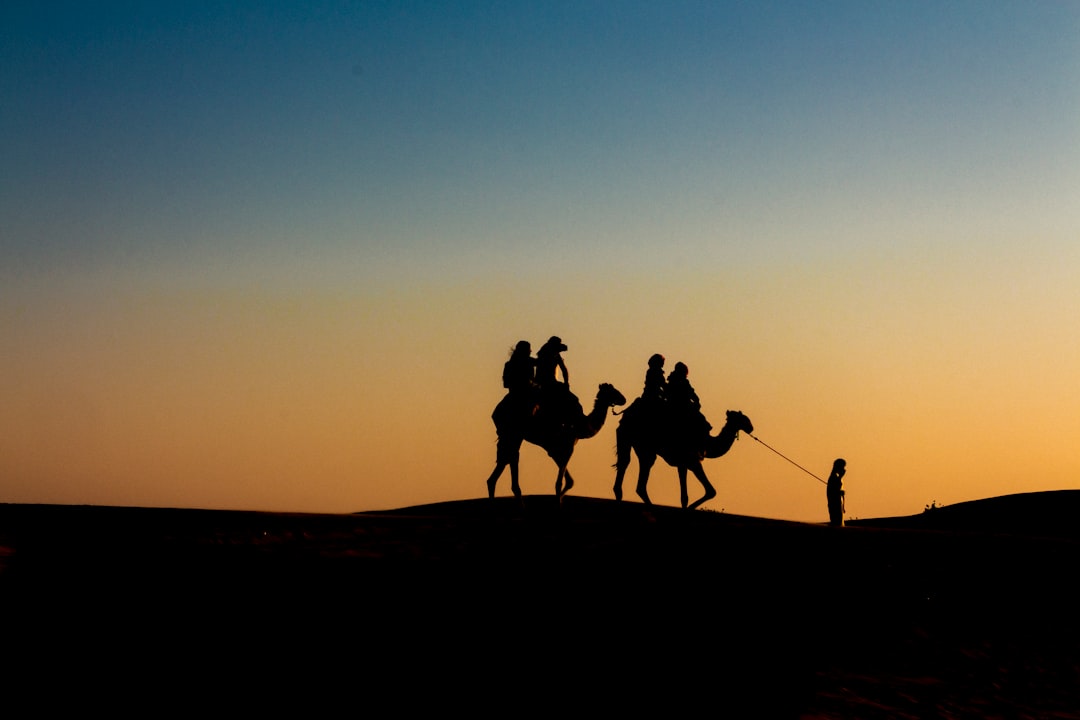
Additionally, communicate any special occasions when booking. The hotel excels at creating personalized moments for birthdays or anniversaries. If staying, utilize the services of your personal butler for reservations, unpacking, or any special requests. Remember, while the ambiance is opulent, the experience is what you make of it. Engage with the staff, explore the art collection, and savor the details. For a different kind of adventure, complement your trip with Dubai desert safari tours. Always check the latest policies on the Dubai tourism official website.
Burj Al Arab Stars Truth Cultural Significance
The cultural significance of the Burj Al Arab Stars Truth extends beyond hospitality. It marked a pivotal moment for Dubai, announcing its arrival as a global destination for luxury and architectural ambition. When it opened, the city’s tourism infrastructure was still developing. This building, therefore, was a bold statement of intent—a physical manifestation of the “build it and they will come” philosophy. It shifted global perceptions of Dubai from a regional business hub to a place of fantasy and extreme luxury. Moreover, it set a new benchmark for hotel design and service in the region, inspiring a wave of innovative projects.
Consequently, the hotel became a symbol of Emirati aspiration and confidence. It demonstrated a willingness to challenge conventions and create new narratives, much like the “7-star” myth itself. The building’s sail shape cleverly references the region’s maritime heritage while pointing confidently toward the future. For visitors, understanding this context adds depth to the experience. You’re not just visiting a luxurious hotel; you’re engaging with a key artifact in the story of modern Dubai. Its legacy is visible in subsequent projects like the Museum of the Future and the Sheikh Zayed Grand Mosque in Abu Dhabi.
Common Luxury Travel Mistakes
Avoiding common mistakes ensures your luxury experience is seamless. A frequent error is not budgeting for additional costs. The room rate is just the beginning; consider expensive meals, spa treatments, transfers, and taxes. Secondly, overlooking the dress code can lead to embarrassment or denied entry to restaurants and bars. Research the requirements for each venue you plan to visit. Another mistake is trying to do too much. The hotel is an experience in itself; rushing out to other attractions can dilute your enjoyment. Instead, allocate time to relax and savor the amenities you’re paying for.
Furthermore, failing to communicate preferences in advance is a missed opportunity. Luxury hotels thrive on personalization. Inform them of dietary restrictions, preferred room locations, or special occasions before arrival. Similarly, not using the concierge service is an error. These experts can secure coveted reservations at other top Dubai restaurants or attractions. Finally, assuming the “7-star” label means perfection in every single aspect can set unrealistic expectations. Approach it as a unique and opulent experience, not a mythical flawless one. For broader planning, explore explore Dubai city tours to balance your itinerary.
Expert Dubai Recommendations
For a truly rounded Dubai itinerary, balance ultra-modern icons with cultural depth. After the Burj Al Arab, visit the Dubai Frame experience for a symbolic view of the city’s past and future. Then, explore the traditional souks of Deira and the historic Al Fahidi neighborhood to understand Dubai’s roots. For family entertainment, the Dubai theme parks offer world-class thrills. Moreover, consider a day trip to another emirate; Abu Dhabi day trips from Dubai provide access to cultural powerhouses like the Louvre Abu Dhabi.
Additionally, dining is a core part of the Dubai experience. Beyond hotel restaurants, seek out acclaimed venues in locations like DIFC or Palm Jumeirah. For practical travel information, always refer to official sources like the UAE immigration portal for visa rules. Finally, remember that Dubai’s luxury scene is vast. While the Burj Al Arab is the most famous symbol, other properties offer different interpretations of opulence, from palace-style resorts to ultra-modern towers. Exploring a variety gives a fuller picture of the city’s hospitality ambition.
Frequently Asked Questions About Burj Al Arab Stars Truth
How long does a Burj Al Arab visit take?
Duration varies by interest. Typically, afternoon tea takes 2 hours, a restaurant meal 2-3 hours, and a full tour 1.5 hours. Plan your visit with us.
What is the dress code for this iconic hotel?
Elegant casual is standard. Specifically, smart trousers, collared shirts, and closed shoes for men. Similarly, dresses, skirts, or smart trousers for women. Beachwear is restricted to pool areas.
What is the cost of a Burj Al Arab experience?
Costs vary widely. Afternoon tea starts around AED 600-800 per person. Furthermore, dinner at signature restaurants can exceed AED 1,000. Suite rates begin at several thousand AED per night.
Can you visit without a reservation?
No, access is strictly controlled. You must have a confirmed dining reservation, afternoon tea booking, or be a registered hotel guest. Security checks your confirmation at the gate.
Is the ‘7-star’ rating officially recognized?
No, it is not an official rating. The hotel is formally classified as a 5-Star Deluxe property by Dubai Tourism. The “7-star” term is a celebrated marketing myth born from a journalist’s description.
Is this a family-friendly luxury venue?
Yes, it is family-friendly. The hotel offers connecting suites, children’s amenities, and kid-friendly dining options. However, the atmosphere remains refined, so well-behaved children are expected.
Final Thoughts on Burj Al Arab Stars Truth
Furthermore, the Burj Al Arab Stars Truth offers exceptional insight into branding and perception. Moreover, it provides a fascinating case study of how a narrative can define a landmark. Therefore, understanding the distinction between marketing myth and formal classification enriches your appreciation. The hotel’s true achievement lies not in a fictional.
Related Posts