Introduction
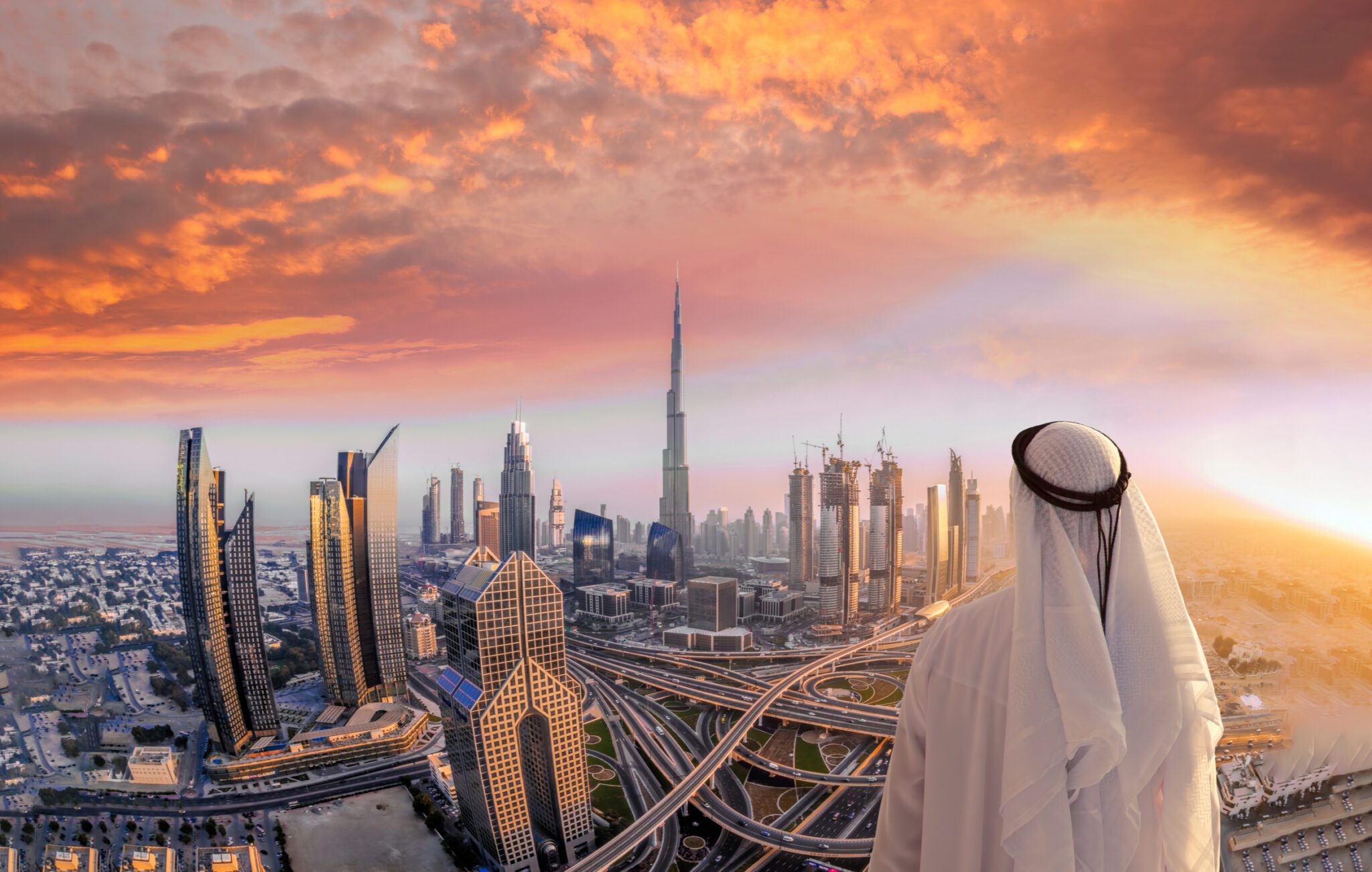
Looking for Burj Khalifa Engineering Facts information? This iconic structure is not merely a building; it is a definitive statement of human ambition and engineering prowess. Consequently, its record-shattering height of 828 meters (2,717 feet) has dominated the global skyline since 2010. Moreover, the tower’s construction involved revolutionary techniques and materials, pushing the boundaries of what was architecturally possible. This guide delves beyond the basic statistics to explore the fascinating engineering narratives, the challenges overcome, and the innovative systems that keep this megastructure standing tall against the desert winds. Understanding these facts transforms a simple visit into an appreciation of a modern wonder.
At TripHabibi, your trusted travel companion, we provide comprehensive destination guides and authentic travel experiences across the UAE. Our platform helps thousands of travelers discover the best of Dubai and Abu Dhabi. Contact us or reach us on WhatsApp for personalized recommendations.
Ready to Explore Dubai?
Understanding Burj Khalifa Engineering Facts
The fundamental Burj Khalifa Engineering Facts begin with its unprecedented scale. Specifically, the tower holds the official title of the world’s tallest structure in all categories: tallest building, tallest free-standing structure, and the highest occupied floor. Its total height includes a 244-meter spire, which is integral to its structural and architectural design. The building’s form was inspired by the geometry of the desert flower Hymenocallis, featuring a triple-lobed footprint, or “Y” shape. This design is crucial for stability, reducing wind forces and providing a stable base. Furthermore, the structure uses a bundled tube design, where a central core is supported by three wings, allowing it to taper as it rises.
Another critical fact is the sheer volume of materials used. Construction required over 330,000 cubic meters of concrete, 39,000 tonnes of steel reinforcement, and 103,000 square meters of glass. The concrete used was a special high-density mix pumped to record heights. Additionally, the foundation consists of a massive reinforced concrete mat, supported by 192 piles driven over 50 meters deep into the ground. This foundation system was designed to support the incredible load of the superstructure and resist regional seismic activity. These foundational engineering choices were the first steps in creating a stable platform for the monumental task above.
Why Choose This Architectural Marvel
Visiting this landmark offers more than a panoramic view. It is an immersive lesson in cutting-edge civil engineering and architectural ambition. The experience allows you to witness firsthand the results of global collaboration, with experts from South Korea, the United States, and numerous other countries contributing their expertise. You are not just observing a tall building; you are engaging with a symbol of Dubai’s rapid transformation and its vision for the future. The tower’s integration of luxury, commerce, and residential space within such a complex structure is a case study in vertical city design.
Moreover, the attraction provides context for Dubai’s other ambitious projects. After understanding the engineering behind the Burj Khalifa, your appreciation for other feats like the Dubai Frame experience or the Museum of the Future deepens significantly. It sets a benchmark for what is possible, making it a cornerstone experience for any visitor interested in modern design, urban planning, or human achievement. The story of its construction is a narrative of overcoming immense logistical and environmental challenges.
Burj Khalifa Engineering Facts Experience
The true Burj Khalifa Engineering Facts experience is multi-layered. Firstly, the “At the Top” observation decks on levels 124, 125, and 148 offer breathtaking vistas, but the journey there is equally engineered. The building’s high-speed elevators, among the fastest in the world, travel at 10 meters per second. These double-deck elevators were a custom solution for moving large numbers of visitors efficiently. Meanwhile, the exterior cladding system, comprising over 28,000 glass panels, was designed to withstand Dubai’s extreme summer heat and high winds. A specialized cleaning system with 18 tracks and 12 machines maintains this vast façade.
Secondly, the building’s internal systems are marvels themselves. A sophisticated condensation collection system harvests water from the building’s air conditioning units, repurposing it for irrigation. The tower’s management uses a state-of-the-art building management system (BMS) to monitor and control everything from electricity to air quality. Furthermore, the structural health is constantly monitored by a network of sensors that track movement, stress, and temperature. Experiencing the tower involves recognizing these invisible, yet vital, systems that ensure its functionality and safety every single day.
Construction Details & Innovative Features
The construction details reveal a story of precision and innovation. The project, led by South Korean contractor Samsung C&T, used a novel high-strength concrete mix that was pumped vertically to a world-record height of 606 meters. To combat the heat during curing, ice was added to the concrete mixture, and pouring was often done at night. A self-climbing formwork system, which moved upward as each floor was completed, allowed for a rapid construction pace of approximately one floor every three days at the peak of building. This efficiency was critical for the project’s six-year timeline.
Innovative features extend to its wind engineering. The tower’s design underwent extensive wind tunnel testing. Consequently, its spiraling “setback” shape confuses the wind, preventing the formation of organized vortices that could cause sway. The top of the tower can sway up to 1.5 meters, but this movement is mitigated by a massive tuned mass damper located near the top. This 800-tonne damper counteracts building motion, ensuring comfort for occupants. Additionally, the spire serves a functional role, housing communications equipment and acting as a lightning rod for the entire structure.
Need Travel Advice?
Landmark Planning & Visitor Tips
Planning your visit requires strategic thinking. Firstly, always book your tickets in advance through official channels or trusted partners to secure your preferred time slot, especially for sunset views. Consider combining your visit with other downtown attractions like The Dubai Fountain or The Dubai Mall. For a different perspective, consider a explore Dubai city tours that includes exterior viewpoints. Secondly, allocate at least 2-3 hours for the entire experience, including security, elevator queues, and time on the observation deck. Dress codes are casual but respectful.
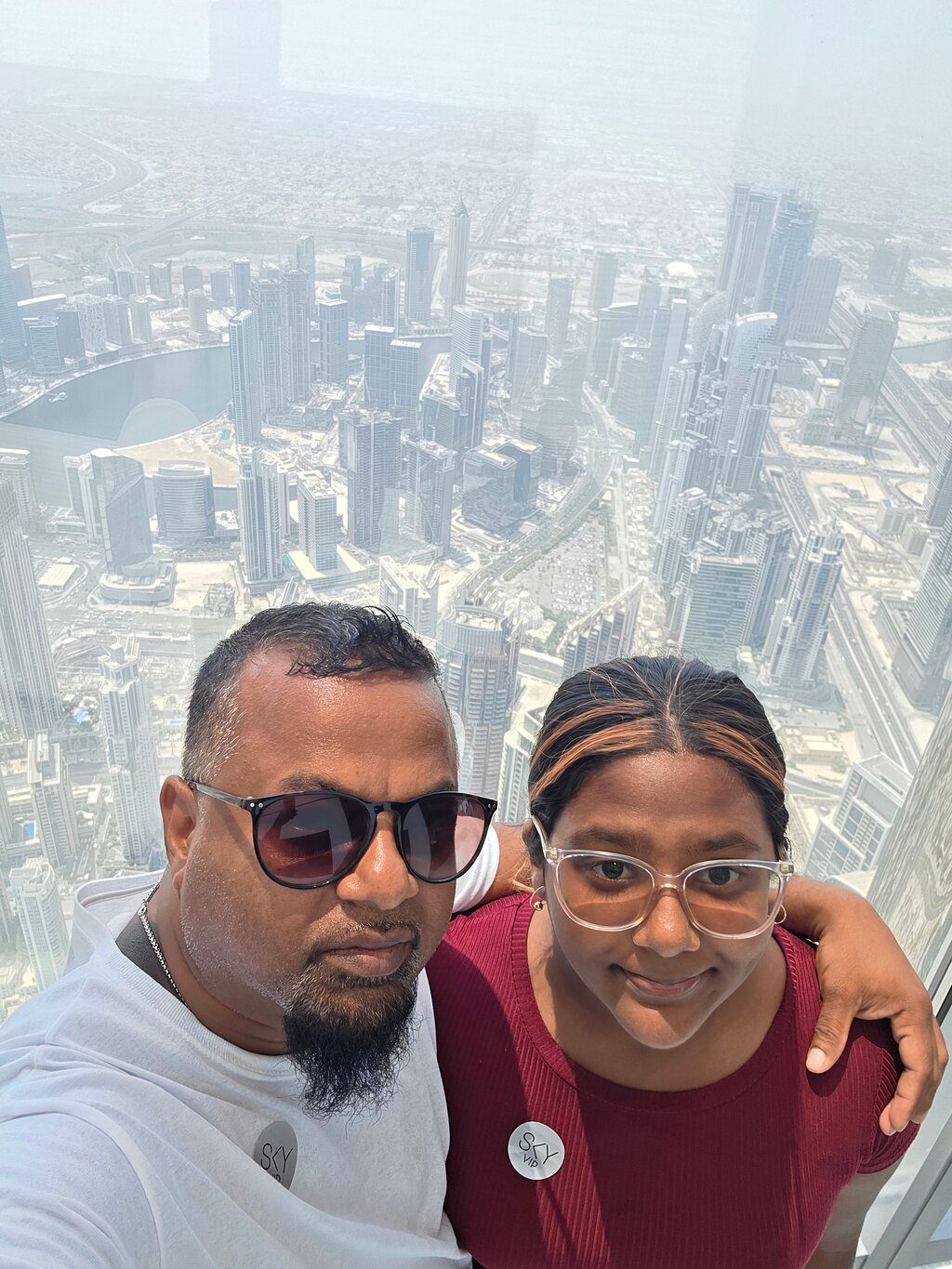
Furthermore, understand the ticket tiers. Standard tickets typically grant access to levels 124 and 125. Premium “SKY” tickets provide access to the higher 148th-floor lounge, offering a more exclusive experience. If you’re interested in broader UAE engineering, consider a Abu Dhabi day trips from Dubai to see landmarks like the Sheikh Zayed Grand Mosque. Finally, check the weather forecast; clear days offer the best visibility for miles across the desert and ocean. Evening visits provide stunning city light displays.
Burj Khalifa Engineering Facts Cultural Significance
The cultural significance embedded in the Burj Khalifa Engineering Facts is profound. The tower is more than a feat of engineering; it is a symbol of Dubai’s and the UAE’s ambition on the world stage. Its completion during the global financial crisis was a powerful statement of resilience and forward-thinking. Architecturally, it represents a fusion of Islamic cultural motifs, seen in its floral-inspired design and intricate patterning, with ultra-modern technology. This blend creates a unique identity that is both locally rooted and globally aspirational, much like the city itself.
Moreover, the tower has redefined the global perception of Dubai from a regional trade hub to a leader in innovation and luxury. It anchors the downtown area, driving tourism and economic activity. The surrounding district, including the Dubai Mall and the fountain, has become a social and cultural nexus. Therefore, the building’s impact extends beyond its physical footprint, influencing urban development trends worldwide. It stands as a testament to what can be achieved with visionary leadership, international collaboration, and unwavering determination to push limits.
Common Visitor Mistakes to Avoid
Several common mistakes can detract from the experience. First, many visitors fail to book tickets in advance, resulting in long waits or sold-out time slots, particularly during peak tourist seasons. Another error is underestimating the time required to pass through security and reach the elevators; arriving just at your ticket time is often too late. Additionally, some guests overlook the importance of the multimedia presentation in the waiting area, which provides valuable context and fascinating Burj Khalifa Engineering Facts that enhance the observational experience upstairs.
Furthermore, visitors sometimes focus solely on the view and miss the architectural and engineering exhibits located on the observation decks. These displays explain the building’s design and construction in engaging ways. Another mistake is not exploring the surrounding area. The experience is complemented by the choreographed fountains below and the vibrant atmosphere of Downtown Dubai. Finally, neglecting to check the visibility index before going up can lead to disappointment on hazy days. Planning around clear weather ensures the most spectacular vistas.
Expert Travel Recommendations
For the optimal experience, expert recommendations go beyond basic tickets. Consider timing your visit to coincide with the sunset; you witness the city transition from day to night, offering two stunning views in one slot. However, this is the most popular time, so book well ahead. If your schedule allows, pair your tower visit with a Dubai desert safari tours for a dramatic contrast between ultra-modern engineering and timeless natural landscapes. This combination showcases the diverse appeal of the emirate.
Additionally, for photography enthusiasts, using a polarizing filter can help manage the glare from the extensive glass windows on the observation deck. For families, explain the basic engineering concepts to children beforehand to engage their curiosity during the visit. If you have a longer layover, efficient Dubai layover tours can include a trip to the Burj Khalifa. Finally, always confirm the latest visiting protocols and any restricted items before you go to ensure a smooth entry process. Consulting resources like the Dubai tourism official website can provide current information.
Frequently Asked Questions About Burj Khalifa Engineering Facts
How long does the Burj Khalifa experience take?
A typical visit, including security, elevator rides, and time on the observation decks, takes approximately 1.5 to 2 hours. Allocating 2-3 hours provides a more relaxed experience. Plan your visit with us for seamless timing.
What is the exact height of the structure?
The total architectural height is 828 meters (2,717 feet). This includes the main structure and the 244-meter (801 ft) spire that is an integral part of its design.
How many floors does the building have?
The Burj Khalifa has 163 habitable floors above ground, plus 46 maintenance levels in the spire. The highest occupied floor is on level 163.
Who was the lead architect and engineer?
The architecture was by Adrian Smith of Skidmore, Owings & Merrill (SOM). The structural engineering was led by SOM’s Bill Baker, who developed the buttressed core system.
How does the building withstand high winds?
Its Y-shaped footprint and spiraling setbacks disrupt wind flow. A massive 800-tonne tuned mass damper on the 158th floor counteracts sway, ensuring occupant comfort.
Is it the tallest structure in the world forever?
It currently holds the record. Future projects, like the Jeddah Tower in Saudi Arabia, are planned to exceed its height, but as of now, the Burj Khalifa remains the tallest.
Final Thoughts on Burj Khalifa Engineering Facts
Furthermore, the Burj Khalifa Engineering Facts offer a compelling narrative of human ingenuity. Moreover, this landmark provides an unparalleled insight into the fusion of art, science, and ambition. Therefore, understanding these details before or during your visit significantly enriches the experience, transforming awe into informed appreciation.
TripHabibi provides expert guides, local knowledge, and 24/7 support. Additionally, contact our experts today to plan your comprehensive Dubai itinerary. Meanwhile, chat with us on WhatsApp for instant support on tickets, tours, and travel advice for the UAE’s greatest landmarks.
Related Posts