Introduction
Looking for Camel Museum Dubai Heritage information? Nestled within the historic Al Shindagha district, this unique cultural institution offers a profound journey into the enduring bond between the Arabian Peninsula and the “ship of the desert.” This museum is not merely a collection of artifacts; it is a vibrant narrative of survival, companionship, and economic life that shaped the region’s history. Consequently, a visit here provides an authentic, grounded perspective often missed by glittering skyscrapers. You will gain unparalleled insights into Bedouin traditions, trade routes, and the camel’s pivotal role in Emirati heritage, making it a must-visit for culturally curious travelers.
At TripHabibi, your trusted travel companion, we provide comprehensive destination guides and authentic travel experiences across the UAE. Our platform helps thousands of travelers discover the best of Dubai and Abu Dhabi. For personalized recommendations to enhance your cultural itinerary, contact us or reach us directly on WhatsApp. We specialize in connecting visitors with the authentic soul of the Emirates.
Ready to Explore Dubai?
Understanding Camel Museum Dubai Heritage
The Camel Museum Dubai Heritage is housed in the beautifully restored Bait Al Kabeer, the former residence of Dubai’s late ruler, Sheikh Rashid bin Saeed Al Maktoum. This location itself is steeped in history, adding layers of significance to your visit. Specifically, the museum’s curation meticulously details the anatomy, breeds, and uses of camels, from transportation and milk to their role in racing and beauty contests. Moreover, it explores the deep symbolic connection between camels and Arab poetry, literature, and daily proverbs.
Therefore, understanding this institution means appreciating its dual role. First, it acts as a guardian of tangible heritage, displaying traditional saddles, veterinary tools, and husbandry equipment. Second, it serves as a living educational center, preserving intangible knowledge about breeding and care. This comprehensive approach ensures the Camel Museum Dubai Heritage offers a holistic view, making it a cornerstone for anyone seeking genuine cultural understanding beyond typical tourist paths.
Why Choose This Cultural Venue
Dubai boasts countless attractions, from the towering Burj Khalifa to futuristic marvels like the Museum of the Future. However, this museum provides a crucial counterbalance. It is an intimate, air-conditioned venue ideal for escaping the midday heat while engaging in meaningful learning. Furthermore, its location in the Al Shindagha Heritage District allows for easy combination with other historical sites, offering a cohesive narrative of Dubai’s rapid transformation.
Additionally, the museum is exceptionally family-friendly. Interactive displays and detailed models captivate children, making history accessible and engaging. For photographers, the traditional architecture and unique exhibits offer stunning visual stories. Choosing this venue supports the preservation of Emirati heritage and provides a quieter, more reflective experience compared to bustling malls and theme parks. It is a decision that enriches your travel perspective immensely.
Camel Museum Dubai Heritage Experience
Your Camel Museum Dubai Heritage experience begins at the entrance of the grand courtyard, setting a historical tone. Inside, your journey unfolds across several well-organized galleries. You will encounter life-sized camel models, interactive screens explaining physiological adaptations to desert life, and historical photographs depicting caravans. A highlight is the detailed section on the prestigious Al Mazayen camel beauty contests, a tradition that continues to thrive.
Moreover, the experience is tactile and immersive. You can examine intricate handicrafts made from camel hair and learn about the traditional “Al Shaff” farming method. The museum also features audio-visual presentations, including archival footage of camel races and husbandry practices. Consequently, visitors leave with a multi-sensory understanding of the subject. This thoughtful curation ensures the Camel Museum Dubai Heritage is both educational and deeply memorable, connecting you to a way of life that defined the region.
Visitor Details & Practical Features
Planning your visit requires some practical knowledge. The museum is open daily, typically from 8:00 AM to 2:00 PM, though checking official timings before your visit is wise, as they can change during Ramadan and public holidays. Admission is very affordable, often around AED 3 for adults, representing exceptional value. The venue is fully accessible, with ramps and clear signage enhancing the experience for all visitors.
Furthermore, the site includes clean restroom facilities and is staffed by knowledgeable attendants who can answer questions. While there is no dedicated café on-site, the Al Shindagha area has several charming options. Importantly, modest dress is recommended as a sign of respect within the heritage district. Combining your visit with a guided Dubai city tour can provide deeper context, as guides often share anecdotes not found on placards.
Need Travel Advice?
Essential Planning & Pro Tips
To maximize your visit, strategic planning is key. Aim for a morning arrival to avoid the peak heat and potential crowds from school groups. Allocate at least 1.5 to 2 hours to comfortably absorb all exhibits without rushing. Photography for personal use is generally permitted, but always avoid using flash to preserve delicate artifacts. Since you’ll be in a heritage area, comfortable walking shoes are essential for exploring the surrounding lanes and creek side.
Additionally, enhance your day by pairing the museum with other nearby cultural stops. The Al Shindagha Museum complex, Dubai Museum, and the traditional souks are within walking distance. For a full-day cultural immersion, consider booking one of our curated day trips from Dubai that include heritage sites. Always carry a bottle of water and check the latest visitor guidelines on the official Dubai tourism website before your visit.
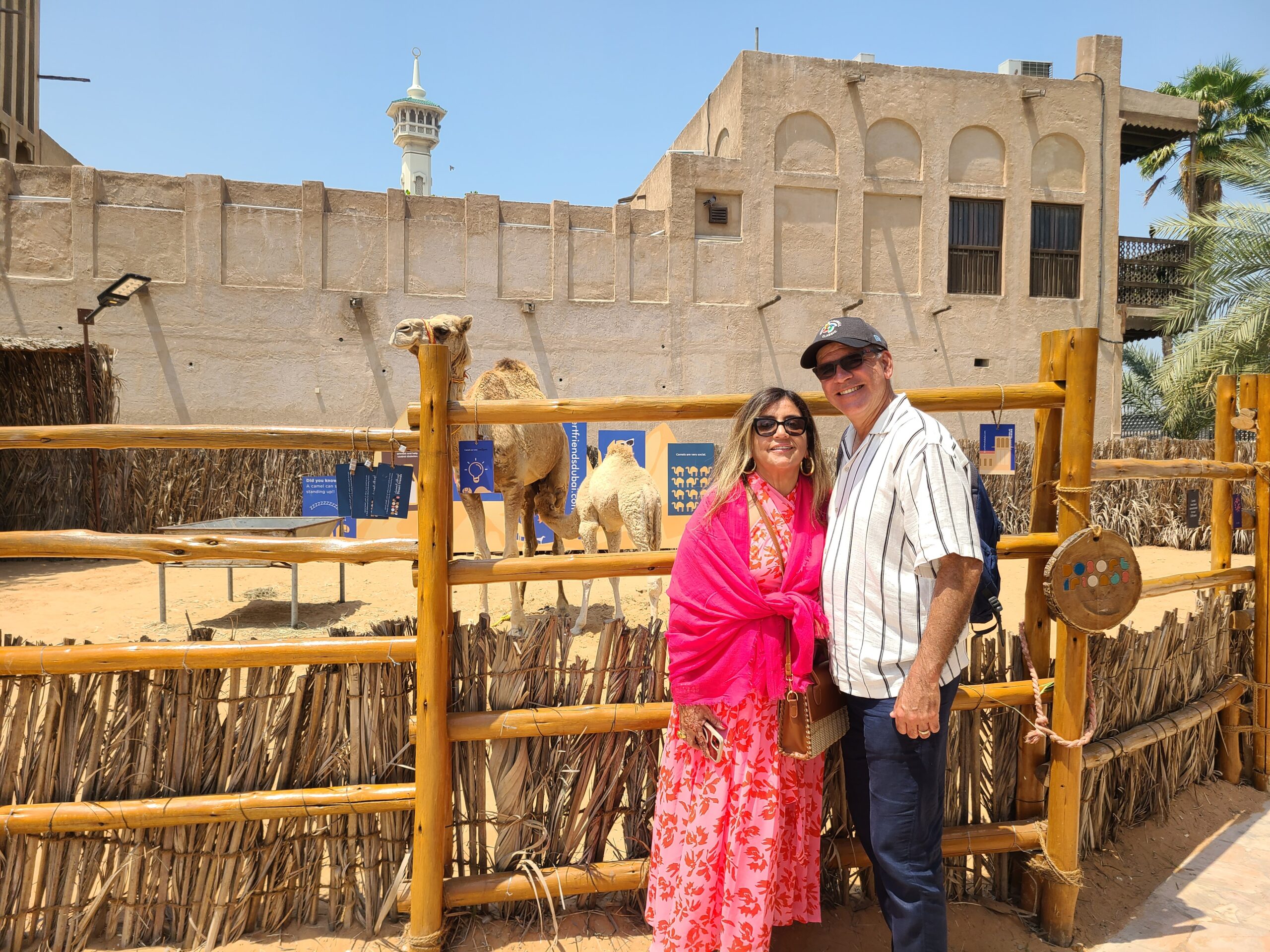
Camel Museum Dubai Heritage Cultural Significance
The cultural significance of the Camel Museum Dubai Heritage cannot be overstated. The camel was the cornerstone of pre-oil economy and society, enabling trade, providing sustenance, and offering companionship in a harsh environment. This institution meticulously documents that symbiotic relationship, ensuring that future generations understand the foundations upon which modern Dubai was built. It stands as a testament to the nation’s respect for its roots amidst breathtaking modernization.
Moreover, the museum plays a vital role in cultural continuity. It educates both international visitors and local youth about traditions that are at risk of fading. By showcasing practices like camel racing and breeding, it connects past and present. Therefore, the Camel Museum Dubai Heritage is more than an attraction; it is an active participant in safeguarding national identity. This deep significance makes it a profoundly rewarding visit for those seeking context and authenticity in their travels.
Common Visitor Mistakes to Avoid
Several common missteps can detract from your experience. First, underestimating the time needed is a frequent error; rushing through diminishes the educational value. Second, visitors often overlook the broader Al Shindagha district, missing the chance to see the museum as part of a larger historical tapestry. Another mistake is arriving in the late afternoon, only to find the museum closed, as operating hours are primarily morning-based.
Furthermore, neglecting to dress respectfully for the heritage area can cause discomfort. While not as strict as a mosque, modest clothing is appropriate. Additionally, failing to engage with the available resources, such as audio guides or informational panels, means missing key narratives. Finally, not combining the visit with a trip across the creek on an abra or exploring the spice souk is a missed opportunity for a complete cultural morning. Planning with these pitfalls in mind ensures a seamless and enriching visit.
Expert Recommendations for Your Visit
For the optimal experience, our experts recommend a multi-faceted approach. Begin your day at the Camel Museum Dubai Heritage when it opens. Afterwards, take a leisurely walk along the Dubai Creek and experience a traditional abra ride for just one dirham. Then, explore the nearby gold and spice souks for a sensory overload. This sequence creates a perfect half-day heritage immersion. For deeper exploration, consider a trip to Al Ain, another heritage hub, with our guide on things to do in Al Ain.
Additionally, if your schedule allows, complement this historical journey with a contrasting desert experience. A Dubai desert safari tour allows you to see camels in their natural environment, often with riding opportunities. For comprehensive travel planning, always verify the latest entry and documentation requirements through official channels like the UAE immigration authority. Finally, engage with the stories; each artifact has a tale that connects the desert past to the vibrant present.
Frequently Asked Questions About Camel Museum Dubai Heritage
How long does a Camel Museum Dubai Heritage visit take?
A thorough visit typically takes 1.5 to 2 hours. This allows time to read displays and engage with interactive elements without rushing. Plan your visit with this in mind.
What is required for this heritage site visit?
Requirements are minimal: modest, comfortable clothing, a small admission fee (approx. AED 3), and comfortable walking shoes for exploring the district.
What is the cost of the museum experience?
Admission is exceptionally affordable, usually around 3 AED for adults. It represents one of the best value cultural experiences in Dubai.
When is the best time for a visit?
Morning hours, right at opening, are ideal. You’ll enjoy cooler temperatures and fewer visitors, allowing for a more contemplative experience.
Is photography allowed inside the museum?
Yes, photography for personal use is generally permitted. However, the use of flash is prohibited to protect the artifacts. Always check for any specific signage.
Is this a family-friendly venue?
Absolutely. The museum is highly engaging for children with its life-sized models and interactive displays, making it an excellent educational stop for families.
Final Thoughts on Camel Museum Dubai Heritage
Furthermore, the Camel Museum Dubai Heritage offers exceptional and understated cultural value. Moreover, it provides an authentic, necessary insight into the Bedouin and Emirati soul that complements Dubai’s modern wonders. Therefore, proper planning enhances this insightful experience significantly, grounding your understanding of the UAE’s remarkable journey.
TripHabibi provides expert guides, local knowledge, and 24/7 support for your UAE adventures. Additionally, for tailored itineraries that include hidden gems like this, contact our travel experts today. Meanwhile, for instant answers and booking assistance, chat with us directly on WhatsApp. Let us help you discover the true heritage of the Emirates..
Related Posts