
At TripHabibi, your trusted travel and relocation companion, we provide comprehensive destination guides and authentic insights for life across the UAE. Our platform helps thousands of travelers and future residents discover the best of Dubai and Abu Dhabi. For personalized advice on your move, contact our experts today or reach us instantly on WhatsApp.
Ready to Explore Dubai?
Understanding Cost of Living Dubai 2026
The cost of living in Dubai for expats in 2026 reflects a mature, global city with a tax-free salary draw. However, expenses vary dramatically based on lifestyle and location choices. Key factors include your chosen neighborhood, dining habits, and transportation mode. Moreover, school fees for families represent a major budgetary consideration. Therefore, a detailed monthly breakdown is essential for accurate financial planning before your move.
Generally, a single expat can live comfortably from AED 8,000 to AED 15,000 monthly excluding rent. Meanwhile, a family of four may require AED 18,000 to AED 35,000 for similar comfort. Consequently, securing employment with a salary that matches your expected outgoings is vital. Specifically, housing will consume the largest portion of your monthly budget without question.
Why Choose Dubai for Expats?
Dubai remains a top expat destination due to its unparalleled career opportunities and safety. The city offers a vibrant, cosmopolitan lifestyle with world-class infrastructure. Additionally, the absence of income tax significantly boosts disposable income for many professionals. Furthermore, excellent international schools and healthcare facilities cater to family needs seamlessly.
The emirate’s strategic location also allows for easy travel to Europe, Asia, and Africa. Meanwhile, a sunny climate year-round supports an active, outdoor-oriented lifestyle. However, understanding the full financial picture is key to enjoying these benefits stress-free. For a great introduction to the city, consider a comprehensive Dubai city tour upon arrival.
Cost of Living Dubai 2026 Housing
Housing is your largest expense, with prices varying by area and amenities. Studio apartments range from AED 3,000 to AED 8,000 monthly in popular expat areas. For example, Discovery Gardens or International City offer more affordable options. Conversely, a one-bedroom in Dubai Marina or Downtown averages AED 7,000 to AED 12,000.
Furthermore, villa rentals in family-friendly communities like Arabian Ranches command AED 15,000 to AED 30,000+. Additionally, remember to budget for a one-time security deposit, often 5% of the annual rent, and agency fees. Therefore, researching neighborhoods thoroughly is crucial. Meanwhile, consider a day trip from Dubai to explore surrounding emirates for potential commuting alternatives.
Daily Expenses and Groceries
Groceries in Dubai can be reasonable, especially at local supermarkets like Carrefour or Lulu. However, imported Western brands incur a noticeable premium. A weekly grocery shop for one person typically costs AED 250 to AED 400. Meanwhile, dining out ranges from affordable street food (AED 20-30) to high-end restaurant meals (AED 300+ per person).
Moreover, a regular cappuccino costs around AED 20, and a casual restaurant meal averages AED 80. Consequently, cooking at home offers substantial savings over frequent restaurant visits. Additionally, alcohol is only sold in licensed venues and is subject to significant taxation, increasing leisure costs. For a unique dining experience, combine it with a Dubai desert safari tour including dinner.
Need Travel Advice?
Transportation and Utilities Planning
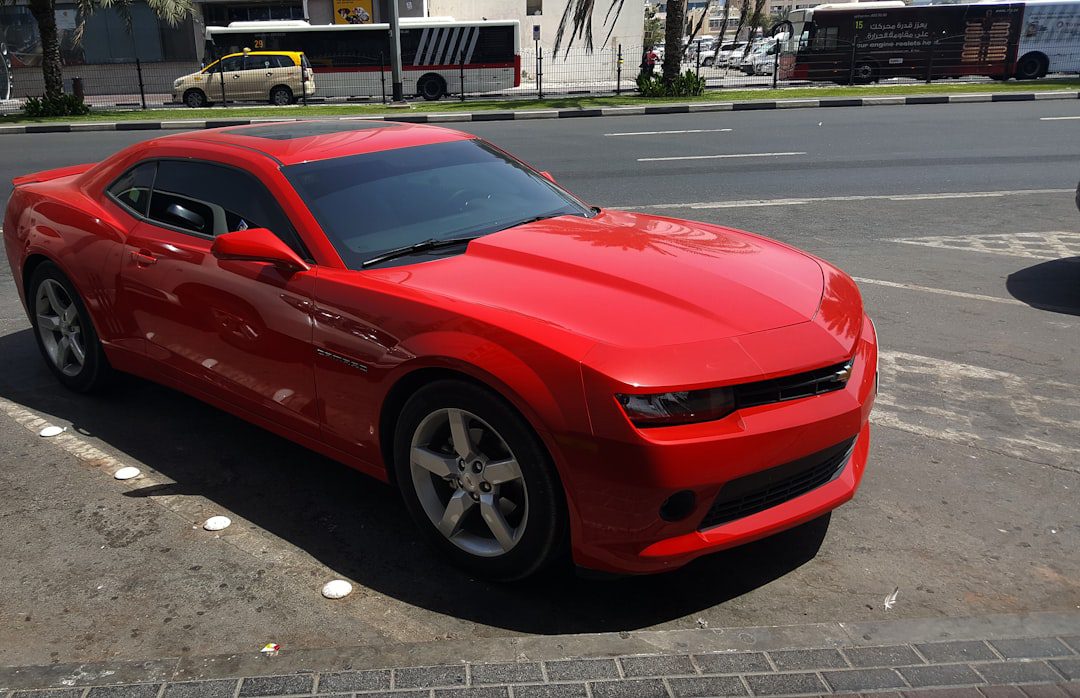
Transport costs depend heavily on whether you use public transit or own a car. The Dubai Metro and buses are efficient and affordable, with monthly passes around AED 350. Conversely, purchasing a car involves upfront costs, insurance (AED 2,000-4,000 yearly), and fuel (approx. AED 2.50 per liter). Ride-hailing services like Careem and Uber are convenient but add up quickly.
Utility costs for a standard apartment average AED 800 to AED 1,500 monthly for DEWA (electricity and water). This figure spikes during summer months due to intense air conditioning use. Additionally, internet and TV packages start from AED 350 per month. Therefore, factoring in all these recurring costs is essential for your monthly budget.
Cost of Living Dubai 2026 Comparison
Compared to cities like London or New York, Dubai’s cost of living presents a mixed picture. Housing in prime areas can be similarly expensive, though often offering newer amenities. However, utilities and public transport are frequently cheaper in the emirate. Moreover, the lack of income tax is a decisive financial advantage for many professionals.
Conversely, school fees are notably high, often exceeding those in many Western public systems. Additionally, certain imported goods and automotive costs can be more expensive. Therefore, your personal spending habits will determine if Dubai is cheaper overall. For cultural context, visit the stunning Sheikh Zayed Grand Mosque in nearby Abu Dhabi.
Common Budgeting Mistakes Expats Make
New arrivals often underestimate the true cost of a luxury lifestyle in Dubai. Overspending on dining, entertainment, and high-end groceries can derail budgets quickly. Another common error is not accounting for the mandatory 5% visa deposit when renting. Furthermore, many forget to budget for annual travel, a common expat activity.
Underestimating the cost of maintaining a car, including registration and frequent servicing, is another pitfall. Additionally, school fees often increase annually, which families must plan for long-term. Hence, creating a detailed, realistic budget with contingency funds is non-negotiable. For family fun, consider budgeting for Dubai’s incredible theme parks.
Expert Financial Recommendations for 2026
Start by securing housing within 25-30% of your net monthly income for financial health. Use price comparison apps for groceries and consider local brands for significant savings. Moreover, explore different neighborhoods; sometimes areas just a few minutes further out offer much better value. Additionally, leverage the tax-free advantage to aggressively save or invest a portion of your income.
Always negotiate your rental contract, as market conditions can vary. Furthermore, consider using the excellent metro system before committing to car ownership. Finally, utilize financial tracking tools from day one to monitor spending patterns. For a spectacular view that’s worth the cost, visit the Burj Khalifa observation decks.
Frequently Asked Questions About Cost of Living Dubai 2026
What is the average cost of living in Dubai for expats in 2026?
A single person needs approx. AED 8,000-15,000 monthly excluding rent. A family of four may require AED 18,000-35,000. These figures vary significantly with lifestyle and housing choices. Contact us for a personalized estimate.
Is healthcare expensive for expats?
Employers must provide health insurance. However, plans vary in coverage. You may pay extra for premium networks or specific treatments not fully covered.
Are there any hidden costs to consider?
Yes. Consider agency fees (5% of annual rent), housing deposit (5%), visa costs, DEWA deposit (AED 2,000), and car registration fees initially.
Which areas offer the best value for money?
Discovery Gardens, Jumeirah Village Circle (JVC), and Al Barsha offer good value. For villas, consider The Springs or Mudon. Newer communities further from the center often provide more space for your budget.
How do school fees impact the budget?
Impact is major. International school fees range from AED 30,000 to over AED 100,000 per child annually. This is often a family’s second-largest expense after housing.
Can I live in Dubai without a car?
Yes, if you live and work near a Metro station. Dubai Marina, Downtown, and Business Bay are very walkable with good metro links. However, a car offers convenience for exploring further, like on an Abu Dhabi day trip from Dubai.
Final Thoughts on Cost of Living Dubai 2026
Furthermore, the cost of living in Dubai for expats in 2026 requires careful, informed planning. Moreover, the city offers a high-quality, safe lifestyle that can be tailored to various budgets. Therefore, prioritizing expenses and understanding the comparison with Western cities is empowering.
TripHabibi provides expert relocation guides, local knowledge, and 24/7 support for your move. Additionally, contact our travel and relocation experts today for tailored advice. Meanwhile, chat with us on WhatsApp for instant answers to your questions..
Related Posts