At TripHabibi, your trusted travel companion, we provide comprehensive destination guides and authentic travel experiences across the UAE. Our platform helps thousands of travelers discover the best of Dubai and Abu Dhabi. Contact us or reach us on WhatsApp for personalized recommendations.
Ready to Explore Dubai?
Understanding Dubai Climate Weather Patterns
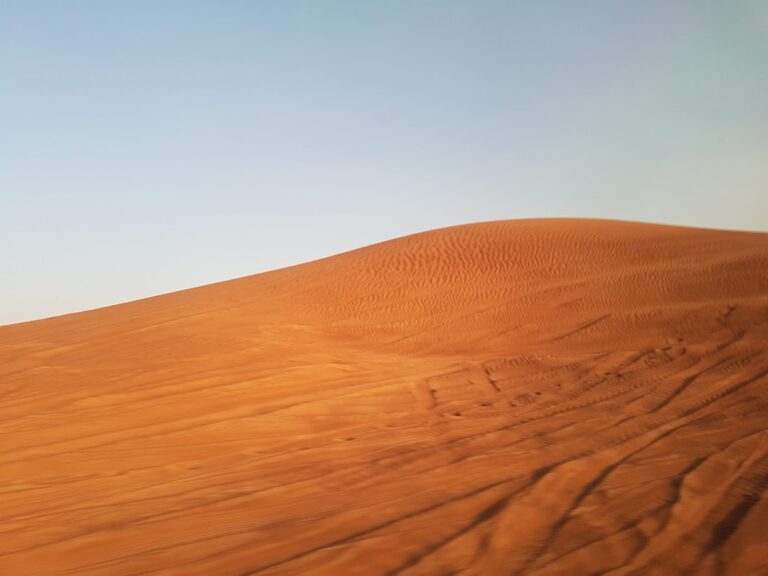
Dubai’s climate is classified as a hot desert climate, known as BWh in the Köppen-Geiger system. This classification signifies extremely arid conditions with high temperatures year-round. Specifically, the city experiences two primary seasons: a scorching, long summer and a short, mild winter. Furthermore, transitional periods between these seasons are brief. The dominant meteorological influence is the subtropical ridge, which results in consistently high pressure and minimal cloud cover. Consequently, sunshine is virtually guaranteed on most days, a key factor for Dubai desert safari tours and outdoor planning.
Geographical location plays a major role. Situated on the Persian Gulf coast within the Arabian Desert, the city faces unique maritime influences. Sea breezes can moderate coastal temperatures slightly, but they also import humidity. Meanwhile, inland areas experience even more extreme temperature fluctuations. Understanding these fundamental Dubai climate weather patterns is the first step to smart travel planning. It allows you to align your itinerary with comfortable conditions, ensuring you visit iconic sites like the Burj Khalifa or the Dubai Frame at the optimal time.
Why Choose the Right Season to Visit?
Selecting the correct season dramatically shapes your Dubai experience. Visiting during peak summer, for instance, limits prolonged outdoor exposure and increases reliance on air-conditioned spaces. Conversely, the winter months offer perfect conditions for exploring beaches, markets, and heritage sites. Therefore, aligning your trip with your preferred activities is essential. Adventure seekers might tolerate summer for lower travel costs, while families often prefer winter’s comfort. Additionally, major events like the Dubai Shopping Festival or Dubai Food Festival are scheduled during the cooler months to leverage the pleasant weather.
Your choice also affects crowd levels and pricing. Specifically, the pleasant winter period (November to March) constitutes the high tourist season. Hotels and flights are more expensive, and attractions are busier. The shoulder months of April and October offer a good balance of manageable temperatures and slightly smaller crowds. Meanwhile, summer sees significant discounts on accommodation but requires careful scheduling of outdoor activities for early morning or evening. Consulting resources like the Dubai tourism official website can provide current event calendars to aid your decision.
Dubai Climate Weather Patterns in Summer
The summer season, extending from May to September, is characterized by intense and relentless heat. Daytime temperatures regularly soar above 40°C (104°F), with July and August often experiencing peaks near 45°C (113°F) or higher. Furthermore, heatwaves are common, where high temperatures persist for consecutive days and nights offer little relief. The sun is exceptionally strong, with a high UV index that necessitates maximum protection. Outdoor activities during daylight hours become challenging and, without precautions, potentially hazardous. This is the time when indoor attractions like the Museum of the Future or expansive shopping malls become primary destinations.
However, summer also brings the unique phenomenon of high humidity, especially from July to September. Moisture-laden winds from the Gulf push humidity levels often above 80-90%, creating a stifling, muggy feel. This “Ghummer” season makes the perceived temperature feel significantly hotter than the actual air temperature. Consequently, dressing in ultra-light, breathable fabrics is non-negotiable. Most residents and savvy tourists plan any outdoor excursions, such as a Dubai city tour, for very early morning or after sunset when temperatures are marginally lower.
Winter’s Pleasant Weather Details
Dubai’s winter, from November to early April, is widely considered the perfect time to visit. Daytime temperatures range from a pleasant 20°C to 30°C (68°F to 86°F). Nights are cooler, sometimes dropping to around 15°C (59°F), particularly in January. Moreover, the sky remains predominantly clear, and humidity levels drop substantially, making the air feel fresh and comfortable. This season transforms the city into an outdoor paradise, ideal for beach days, golf, dune bashing, and al fresco dining. It is the peak period for tourism and outdoor events.
This pleasant weather allows for full enjoyment of Dubai’s diverse offerings. You can comfortably explore the creek on an abra, wander through historic Al Fahidi district, or spend a day at theme parks. It is also the ideal time for a day trip to Abu Dhabi to see the Sheikh Zayed Grand Mosque without the summer heat. While rainfall is more likely in winter, it is still infrequent and usually brief. Packing involves layering—light clothing for the day and a sweater or jacket for cooler evenings and heavily air-conditioned interiors.
Need Travel Advice?
Humidity Seasons and Rain Events
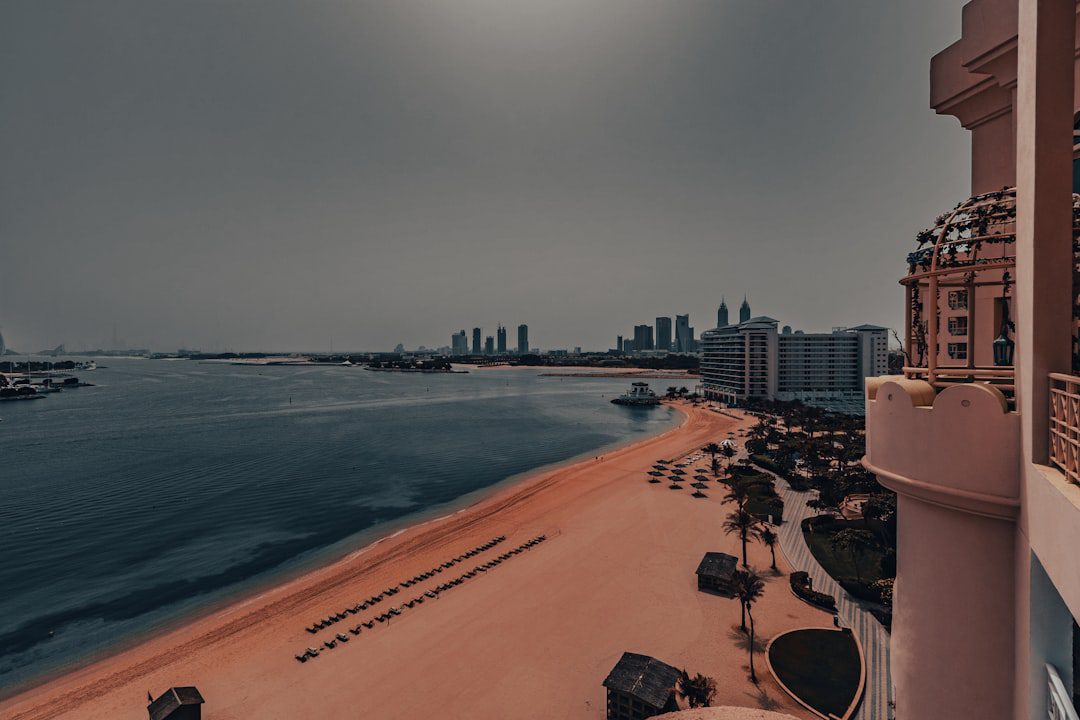
Humidity in Dubai follows a distinct seasonal pattern, independent of temperature. The most humid period is during the summer months, particularly from July to September, as mentioned. Conversely, the winter months are relatively dry. However, there is also a secondary peak in humidity during the transitional months, especially around April and October, when sea temperatures and air currents shift. High humidity affects comfort levels and photography, often creating a persistent haze that obscures long-distance views of landmarks.
Rain is a rare but notable event in Dubai’s climate weather patterns. The city receives an average of only about 100mm (4 inches) of rainfall per year, primarily occurring in winter months between December and March. Showers are typically short-lived, intense, and can sometimes cause flash flooding in areas with inadequate drainage. On very rare occasions, thunderstorms can be severe. The infrequency of rain means the city is not built for prolonged precipitation, so even a moderate downpour can disrupt traffic. Checking travel requirements and local forecasts before packing is wise.

Dubai Climate Weather Patterns for Activity Planning
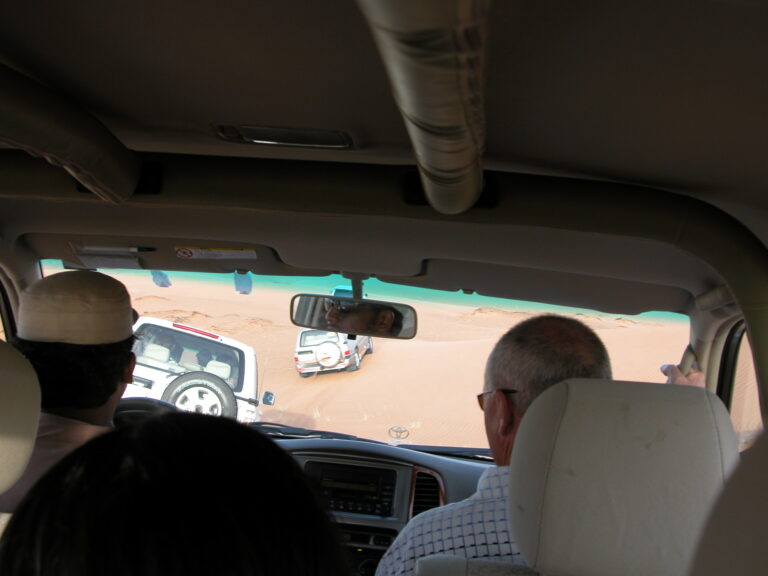
Strategic activity planning is directly dictated by the Dubai climate weather patterns. From November to March, schedule all outdoor activities freely. This includes desert safaris, beach clubs, water parks, and sightseeing tours. Additionally, this is the best time for day trips from Dubai to places like Al Ain or Hatta. During the summer, the planning paradigm flips. Outdoor activities must be confined to early mornings (before 10 AM) or evenings after 6 PM. Many desert safari operators, for instance, shift to evening schedules exclusively during this period.
Indoor attractions become the summer mainstay. Fortunately, Dubai excels here with world-class malls, indoor ski slopes, aquariums, and museums. Planning a summer visit often involves grouping geographically close indoor venues together to minimize time spent moving between air-conditioned spaces. Furthermore, always account for travel time in potentially hot vehicles. Booking tickets online in advance for popular venues is recommended year-round but especially in peak winter season to avoid long queues in the sun. For seamless planning, consider guided tours and activities in Dubai that handle logistics for you.
Common Weather Planning Mistakes
A frequent mistake is underestimating the intensity of the summer sun and humidity. Visitors often plan ambitious outdoor walking tours for midday, only to find them unbearable. Similarly, failing to carry sufficient water during any outdoor excursion, even in winter, can lead to dehydration. Another common error is packing inappropriate footwear. Sandals might seem ideal, but hot pavement can make them uncomfortable, and closed shoes are often better for sun protection and air-conditioned venues.
Overlooking the chill of air conditioning is another pitfall. Indoor spaces, including malls, hotels, and taxis, are often cooled to very low temperatures. Consequently, going from extreme outdoor heat to intense indoor cold can be a shock. Dressing in layers is the simple solution many forget. Finally, not checking the forecast for rare rain events can leave you unprepared. While unlikely, a sudden downpour can disrupt plans, so having a flexible itinerary or backup indoor options is a mark of a savvy traveler.
Expert Clothing and Packing Recommendations
Clothing choices are your primary defense against Dubai’s climate. For summer, prioritize light-colored, loose-fitting clothing made from natural, breathable fabrics like cotton or linen. A high-SPF sunscreen, wide-brimmed hat, and UV-protection sunglasses are absolutely essential. Additionally, always carry a light scarf or pashmina, which can provide sun cover and double as a cover-up for entering religious sites or warm you in aggressive air conditioning. Comfortable, breathable walking shoes are a must.
For winter visits, pack a mix of light daytime wear and warmer layers for evenings. A light jacket, cardigan, or sweater is crucial. Modest clothing is respectful of local culture and often required for mosque visits, such as on an Abu Dhabi city tour including the Grand Mosque. Regardless of season, swimwear is appropriate at beaches, pools, and water parks but should be covered when moving to other public areas. Finally, a reusable water bottle is perhaps the most important item in your luggage to stay hydrated throughout your explorations.
Frequently Asked Questions About Dubai Climate Weather Patterns
How do Dubai climate weather patterns affect visit duration?
They significantly influence ideal trip length. A winter visit allows full, comfortable days outdoors, enabling you to see more. A summer visit may require a slower pace with more indoor time, potentially extending your stay to cover key sights. Plan your visit with climate in mind.
What is the best month for desert activities?
The best months are from October to April. During this period, daytime desert temperatures are warm but pleasant, and evenings are cool, making overnight safaris particularly enjoyable.
Does Dubai ever get cold?
By most standards, no. However, winter nights from December to February can feel cool, especially with wind. Temperatures rarely drop below 10°C (50°F) in the city, but the desert can be colder.
How should I dress for summer in Dubai?
Dress in light, loose, breathable fabrics. Cover your skin with lightweight clothing for sun protection. Always wear a hat, sunglasses, and apply high-SPF sunscreen liberally and frequently.
Is air conditioning prevalent everywhere?
Yes, air conditioning is universal in malls, hotels, vehicles, museums, and most indoor public spaces. It is often set to very cool temperatures, so carrying a light layer is advisable year-round.
Are there any weather-related health warnings?
The primary warning is heatstroke and dehydration in summer. Drink water constantly, avoid direct midday sun, and recognize signs of heat exhaustion. In rare dust storms, those with respiratory issues should stay indoors.
Final Thoughts on Dubai Climate Weather Patterns
Furthermore, understanding Dubai climate weather patterns is fundamental to crafting a perfect itinerary. Moreover, respecting the desert environment’s extremes ensures your safety and comfort. Therefore, aligning your travel dates and daily plans with seasonal characteristics will profoundly enhance your experience. Whether you seek winter sun or summer adventures, informed preparation is key.
TripHabibi provides expert guides, local knowledge, and 24/7 support. Additionally, contact our experts today for help planning your trip around the ideal weather conditions. Meanwhile, chat with us on WhatsApp for instant support on tours, from Dubai layover tours to comprehensive Abu Dhabi itineraries…
Related Posts