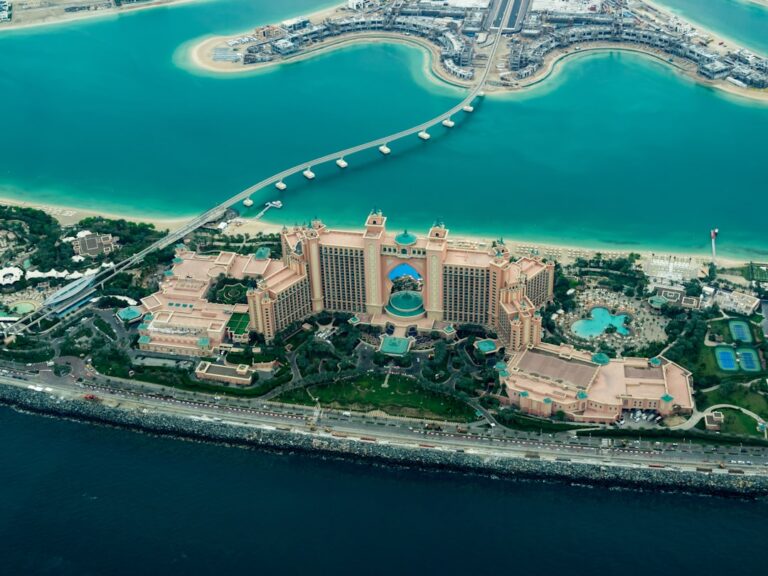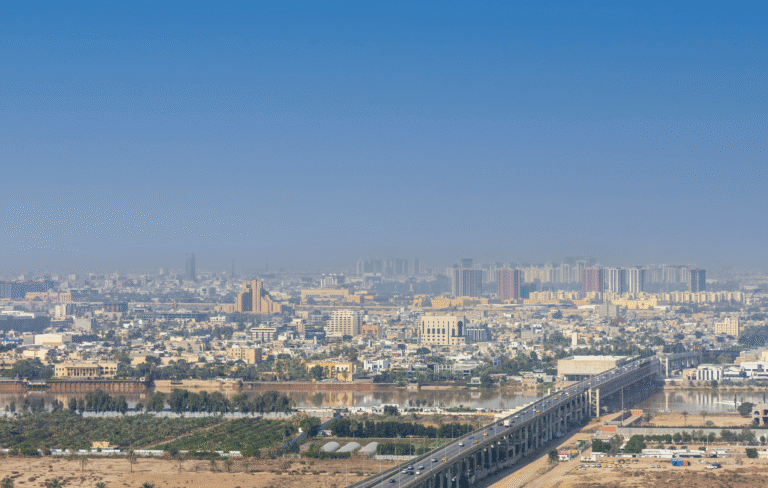
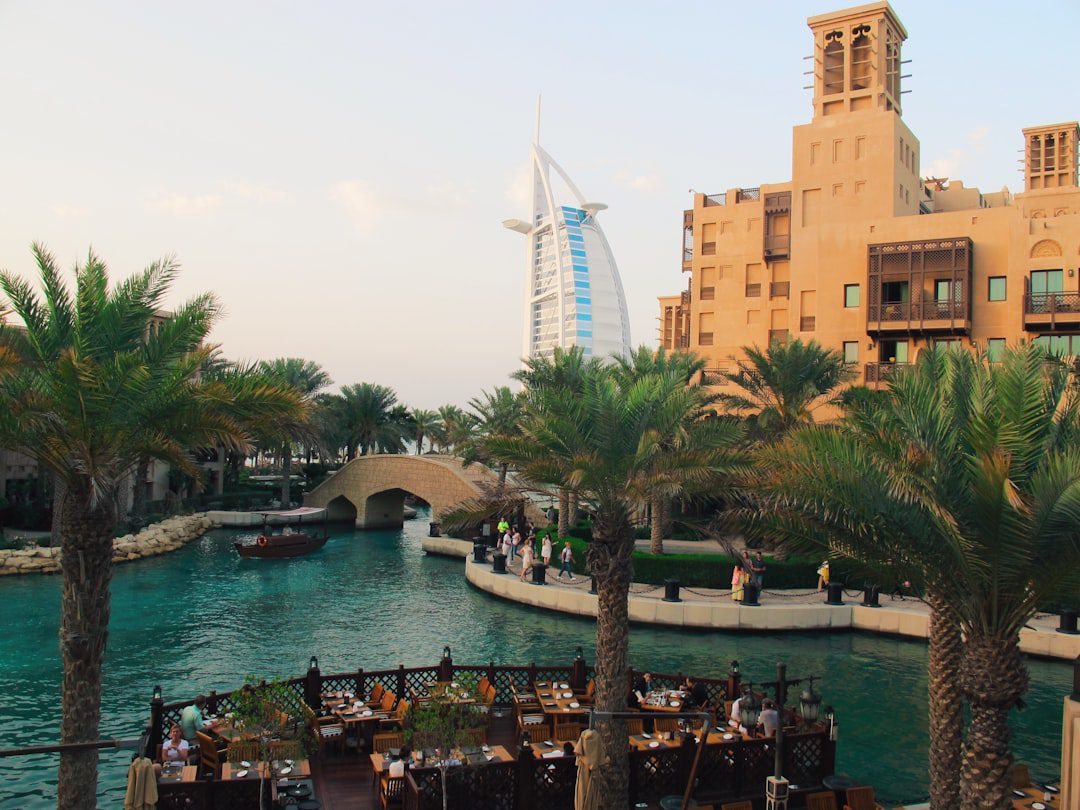
Dubai food tours offer curated culinary journeys through the emirate’s diverse neighbourhoods, from bustling spice souks to Michelin-starred dining rooms. These guided experiences reveal the authentic flavours that define Dubai’s unique position as a global crossroads of cuisine and culture.
- Location: Deira, Al Fahidi, Al Seef, Jumeirah, Downtown Dubai
- Best Time to Visit: November to March (October–April for comfort)
- Duration: 3–6 hours depending on tour style
- Highlights: Traditional Emirati dishes, spice tasting, abra rides, souk visits
- Ideal For: Food lovers, culture seekers, families, solo travellers
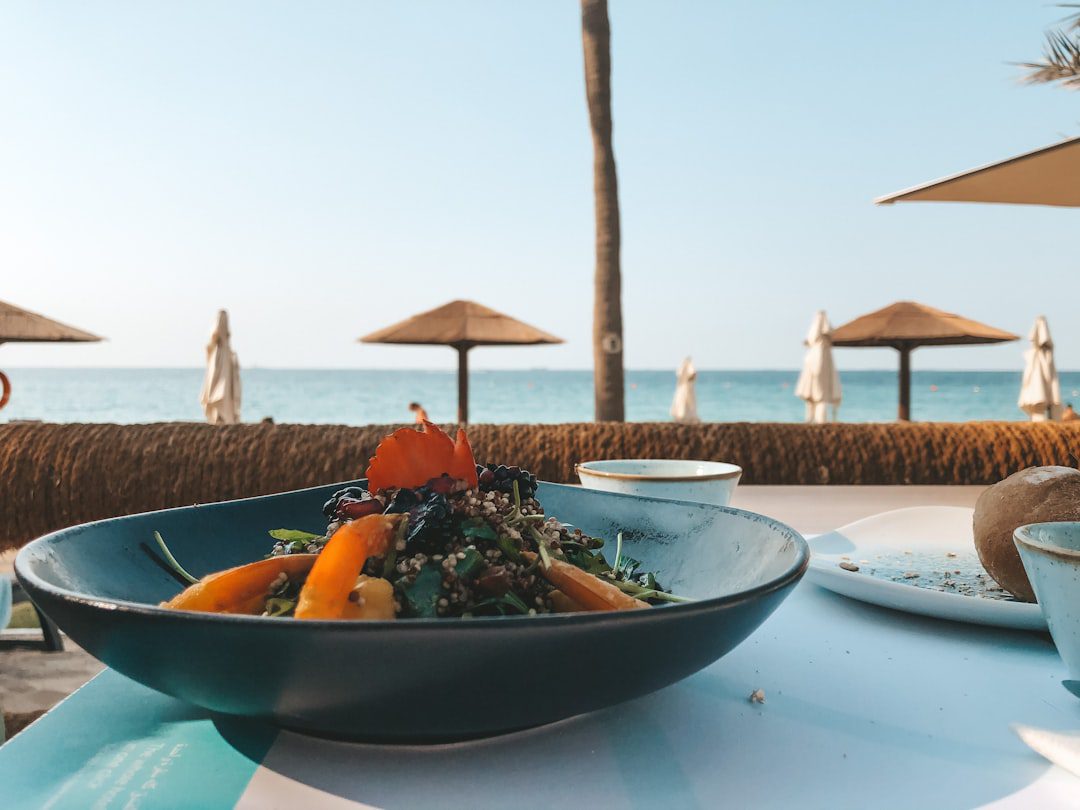
Dubai’s culinary landscape tells the story of a city built by traders, travellers, and dreamers. Visitors often assume the emirate serves only luxury dining. However, the real magic lies beneath the glittering skyline. Traditional Emirati fare, Iranian kebabs, South Asian biryanis, and Levantine mezze all thrive in neighbourhoods that predate the skyscrapers. Additionally, the city’s food scene has exploded with over 13,000 restaurants ranging from street stalls to celebrity chef venues. For this reason, a guided food tour becomes essential — without local knowledge, you will miss the hidden gems tucked inside narrow alleyways and unmarked storefronts.
At TripHabibi, our team of Dubai-based travel experts has helped over 10,000 travellers experience the UAE authentically. For this reason, we offer private, customised tours — not crowded group experiences. Contact our local experts or message us on WhatsApp for a personalised itinerary.
Ready to Experience Dubai Food Tours with a Private Guide?
Skip the crowds. Private tours, flexible timing, expert local guides.
Browse Private Tours →Popular Tours & Activities
.jpg)
Understanding Dubai Food Tours
What Makes Food Tours Unique in the UAE?
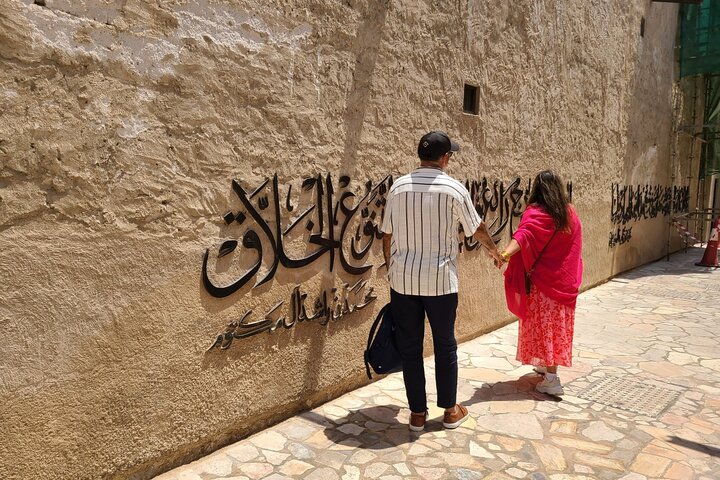
Dubai food tours differ fundamentally from standard culinary experiences elsewhere. The UAE’s position as a trade hub for centuries created a fusion cuisine found nowhere else on Earth. Spices from India, techniques from Persia, ingredients from East Africa, and hospitality from Bedouin traditions converge in every dish. Notably, the city’s Al Fahidi Historical Neighbourhood, established in the 1890s, still houses family-run restaurants serving recipes passed down through generations. Our local guides often begin tours here, explaining how the creek shaped Dubai’s food identity before the oil era began in 1966.
How Does This Compare to Other Food Experiences?
Most global food tours focus on a single cuisine tradition — Italian in Rome, pad thai in Bangkok. However, Dubai food tours offer something remarkably different. A single excursion might start with Emirati harees at breakfast, move to Iranian saffron ice cream by lunch, and end with Pakistani nihari in the evening. Furthermore, the city’s strict hygiene regulations mean street food here meets standards that rival fine dining kitchens. For this reason, travellers can safely explore every stall without concern. The variety of Dubai food tours also includes exclusive behind-the-scenes access to restaurant kitchens that Michelin inspectors themselves cannot always arrange.
Why Choose This Experience
Who Is This Experience Best For?
Dubai food tours suit virtually every traveller type, but certain groups benefit most. First-time visitors gain cultural context they would never discover alone. Solo travellers find camaraderie in small-group settings. Repeat visitors uncover neighbourhoods and dishes they missed on previous trips. Families with children appreciate private tours that move at a comfortable pace — young palates enjoy sweet dates and fresh juices. Business travellers use half-day food excursions as efficient cultural immersion without sacrificing work hours. Most importantly, anyone who believes Dubai lacks authentic local food will have their assumptions transformed within the first hour.
Top Reasons to Book
- Access hidden gems — Family-run eateries with no online presence or English signage
- Learn cultural context — Understand why Emirati coffee is served with cardamom and saffron
- Avoid tourist traps — Skip overpriced mediocrity near major hotels and malls
- Enjoy private pacing — Spend extra time at stalls that interest you most
- Taste safely — Guides know which vendors meet the strictest hygiene standards
- Receive curated recommendations — Return to favourite spots independently during your stay
Dubai Food Tours Experience
What to Expect During Your Tour
A typical Dubai food tour begins with pickup from your hotel in a private vehicle. Your guide introduces the day’s route while driving through the city’s evolving skyline. The first stop is often Deira’s Spice Souk, where the aroma of frankincense, saffron, and dried limes fills the air. Here, you taste fresh dates stuffed with nuts and learn to identify premium saffron threads. Afterward, you dive into Al Seef’s waterfront promenade, sampling freshly grilled fish and Arabic flatbread.
Insider Details Most Guides Skip
Most tourists visit the Al Fahidi Fort area without noticing the small aluminium pot stall near the wind-tower houses. This vendor sells laban — fermented buttermilk — that Bedouin families have made for centuries. Our guides specifically include this stop because it connects modern Dubai to its desert roots. The drink is served chilled with dried mint and a pinch of salt. Remarkably, this single taste explains why Emirati cuisine emphasises balance — the salty, sour, and cool elements perfectly complement the rich, spiced dishes that follow. Additionally, guides share stories of how merchants traded these same ingredients along the ancient incense route that connected Oman to the Mediterranean.
Details, Features & Options
Comparing Your Visit Options
You May Also Like
What Is and Is Not Included
Every TripHabibi Dubai food tour includes a dedicated English-speaking guide with deep culinary knowledge, all food and beverage tastings along the route, hotel pickup and drop-off, and bottled water throughout. Private tours additionally include flexible timing, the ability to customise the menu based on dietary requirements, and a photographer who captures the experience. Not included are gratuities, purchases of spices or souvenirs at market stalls, and alcoholic beverages unless specifically arranged in advance for fine dining segments. However, our team can accommodate most requests — just ask when booking.
Questions? Our Local Experts Are Standing By
Get instant answers from our Dubai-based team — free, no obligation.
💬 Chat on WhatsApp →Planning Your Visit
When Is the Best Time to Visit?
The optimal months for Dubai food tours run from November through March, when daytime temperatures hover between 20–28°C. However, walking through Deira’s narrow lanes becomes genuinely enjoyable rather than exhausting. In fact, morning tours starting around 9am capture the souk at its liveliest — vendors just set up their displays, and the day’s freshest produce arrives from the waterfront. Evening food tours offer a different magic, with temperatures cooling further and the city lighting up along the creek. According to Visit Dubai, the emirate welcomed over 17 million tourists in 2024, so booking ahead remains essential regardless of season.
Practical Tips Before You Go
Wear comfortable walking shoes — the best food discoveries happen in pedestrian-only alleyways where cars cannot reach. Notably, bring a light scarf or shawl, as some traditional neighbourhood restaurants prefer modest attire. Carry a refillable water bottle; your guide will help you find refill stations. Most importantly, arrive hungry. A typical tour includes 8–12 tastings, and skipping breakfast makes the experience far more enjoyable. Avoid wearing strong perfume or cologne, as the delicate aromas of saffron, rose water, and cardamom deserve your full olfactory attention. Moreover, inform your guide of any allergies when booking — Emirati cuisine uses nuts and seafood extensively.
Dubai Food Tours Cultural Significance
What Does This Reveal About UAE Culture?
Food in the UAE is never merely sustenance. Specifically, sharing a meal represents the core value of hospitality — a concept so central that Bedouin tradition dictates offering guests the best portion even during scarcity. Moreover, Dubai food tours reveal this principle through every interaction. When a shopkeeper insists you taste three varieties of dates before purchasing, that is not a sales tactic. It is cultural programming. The ritual of serving Arabic coffee — pouring from a dallah into a small cup, offering it with the right hand, accepting with the right hand — carries centuries of etiquette that still governs Emirati business and social life. Understanding this transforms a tasting into cultural education.
Historical Context Every Visitor Should Know
Dubai’s culinary heritage traces directly to its pearling and trading economy before 1966. That said, fishermen and pearl divers ate simple, high-energy meals — rice with dried fish, dates for sugar, camel milk for hydration. In particular, merchants trading across the Indian Ocean introduced spices, cooking techniques, and ingredients that blended into what is now called Emirati cuisine. The official UAE Ministry of Foreign Affairs recognises this culinary heritage as an intangible cultural asset. When you taste machboos — spiced rice with meat — you are eating a dish that travelled from the ports of Kerala, adapted by Bedouin cooks who replaced coconut with local dates and added desert herbs unavailable anywhere else.
Common Visitor Mistakes
What Most Tourists Get Wrong
- Assuming Dubai has no local food — Visitors often believe Emirati cuisine does not exist, then eat at chain restaurants.
- Skipping the old neighbourhoods — Downtown and Dubai Marina have excellent dining, but Deira and Al Fahidi hold the soul.
- Eating at the first stall they see — The best food lurks in unmarked shops with no English menus.
- Forgetting about timing — Most traditional eateries close between lunch and dinner (2pm–6pm).
- Ignoring dietary communication — Assume a dish is vegetarian because it looks like it — always confirm with the vendor.
- Not asking for the “local price” — While tourist pricing exists in souks, guides negotiate the same price locals pay.
How to Avoid These Errors
Book with a reputable tour operator that employs local guides. TripHabibi’s guides are Emirati nationals or long-term residents who grew up eating in the neighbourhoods they show you. Meanwhile, they know which vendor uses the freshest oil, which bakery has been perfecting the same bread recipe since 1975, and which tea shop uses real saffron rather than artificial colouring. Furthermore, they communicate dietary needs in Arabic directly with vendors — removing any guesswork. A private guide also means you control the pace, so if one neighbourhood fascinates you, you linger. The experience adapts to your curiosity.
Ask your guide to take you to Al Mallah in Al Qusais for the city’s best shawarma — a family operation since 1979 that refuses to franchise because quality would suffer. This is the kind of spot only locals know.
Expert Recommendations
How to Get the Most from Your Visit
Approach your Dubai food tour with an open mind and an empty stomach. Above all, do not research the stops beforehand — let your guide surprise you. In addition, the best moments happen when you taste something unfamiliar and discover you love it. Take photos but also put the camera down. Engage with the vendors. Ask why they use that specific spice blend. Learn how many years their family has run the shop. These interactions create memories that outlast any Instagram post. Additionally, bring small change for tips and spontaneous purchases — some vendors offer handmade spice blends not available anywhere else.
What to Combine It With
Your Dubai food tour pairs perfectly with a morning visit to the Dubai Museum in Al Fahidi Fort, just steps from the creek. Indeed, after the tour, consider a late-afternoon desert safari where you can compare Bedouin cooking traditions with the urban flavours you experienced earlier. Many travellers also extend their culinary exploration into Abu Dhabi — only 90 minutes away — where the dates market and fish souk offer entirely different experiences. The Abu Dhabi food scene includes Emirati dishes prepared with ingredients sourced directly from the emirate’s inland farms.
How long does a Dubai food tour take?
Most Dubai food tours last between three and four hours for walking experiences, while private culinary immersions extend to five or six hours. The duration depends on the number of stops, your pace, and whether you choose a morning or evening departure. Additionally, our team can tailor the experience to your schedule.
What should I wear for a food tour in Dubai?
Comfortable, modest clothing works best for Dubai food tours. Lightweight trousers and a short-sleeved shirt with a scarf for entering traditional neighbourhoods are ideal. Comfortable walking shoes are essential because you will cover considerable ground. However, our guide will remind you in advance if any stop requires specific attire.
Are Dubai food tours suitable for families with young children?
Yes, Dubai food tours are excellent for families with children aged five and older. Younger children enjoy the vibrant colours of spice displays and the fresh juices served at nearly every stop. Furthermore, TripHabibi offers private family tours with flexible pacing and can adjust menus to suit even the pickiest eaters.
What is the best time of year to visit for food tours?
The months from November through March offer the most comfortable temperatures for walking food tours, with daytime highs between 20°C and 28°C. Summer tours are possible but should start very early — around 7am — to avoid the midday heat. In particular, morning visits before 9am avoid the largest tour groups.
Do I need to book a food tour in advance?
Yes, booking in advance is strongly recommended, especially between November and March when demand peaks. Private tours often require 48 hours’ notice to secure preferred guides and restaurant access. Therefore, TripHabibi recommends booking at least 48 hours ahead for private tours.
Can I combine a food tour with other UAE attractions?
Absolutely. Many travellers combine a morning food tour with an afternoon visit to the Burj Khalifa or a sunset desert safari. The food tour’s creek-side location makes it easy to reach other downtown attractions. Additionally, TripHabibi designs full-day private itineraries combining multiple stops.
Final Thoughts on Dubai Food Tours
Ultimately, Dubai food tours offer the most authentic path into the city’s soul — a journey through flavours that reveal centuries of trade, migration, and hospitality. Nevertheless, the experience transforms how you understand the UAE, not as a collection of skyscrapers but as a crossroads where every spice tells a story. Furthermore, the memories of sharing fresh dates with a seventh-generation spice merchant or tasting Emirati coffee poured from a traditional dallah will stay with you long after you return home. This is not a superficial tasting. It is cultural immersion through the most universal human language — food.
TripHabibi’s Dubai-based team offers private, expert-guided tours with flexible timing and 24/7 support. Additionally, book your experience today or chat with us on WhatsApp — we reply within minutes.
Related Tours
Ready to Explore Dubai? Let’s Make It Happen! 🌆
💬 Chat with Our Tour Experts on WhatsAppRelated Posts