

Between the Instagram shots and reality, Old Dubai remains one of the UAE’s most rewarding experiences — if approached the right way. Furthermore, the dubai heritage tour is a guided exploration of Old Dubai’s historical neighbourhoods, museums, and Creek-side souks. However, it immerses visitors in Emirati culture through preserved wind-tower architecture, abra rides, and aromatic market lanes. Travellers seek this experience to understand the UAE’s journey from a pearl-diving settlement into a global city, beyond the skyscrapers.
- Location: Al Fahidi Historical Neighbourhood, Deira, Dubai Creek
- Best Time to Visit: November to March, 8am–10am mornings
- Duration: 3–4 hours
- Highlights: Al Fahidi Fort, Dubai Museum, abra crossing, Gold & Spice Souks
- Ideal For: Families, couples, groups, culture lovers
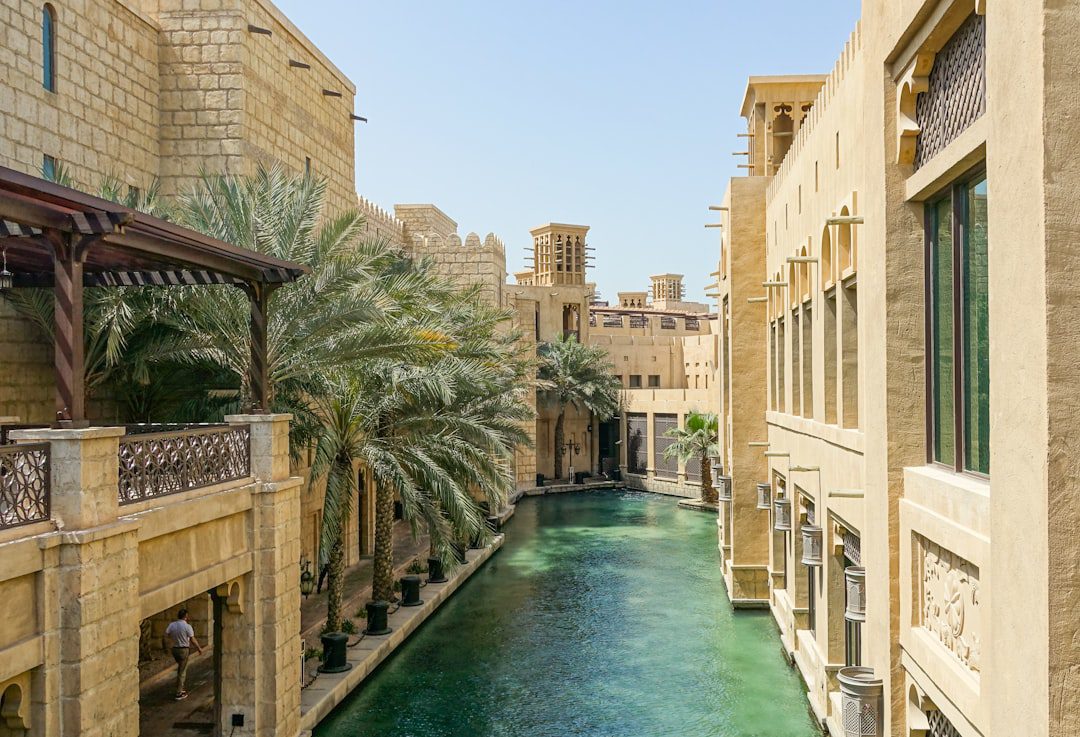
Most visitors to Dubai never cross Dubai Creek, and that is a missed opportunity. The city’s soul still beats in the narrow lanes of Al Fahidi. However, exploring without context can feel aimless — every door looks similar, and the stories stay hidden. Additionally, guided excursions bring the wind-tower houses and trading history to life. In fact, the heritage quarter becomes a living narrative rather than a photo backdrop. At TripHabibi, our team of Dubai-based travel experts has helped over 10,000 travellers experience the UAE authentically. For this reason, we offer private, customised tours — not crowded group experiences. A dubai heritage tour with us prioritises your group’s pace, interests, and comfort. Therefore, the route fits — whether you are a couple chasing old-world romance or a family with three generations in tow. Additionally, we handle every ticket, abra fare, and museum entry before you arrive. Contact our local experts or message us on WhatsApp for a personalised itinerary.
Ready to Experience Dubai Heritage Tour with a Private Guide?
Skip the crowds. Private tours, flexible timing, expert local guides.
Browse Private Tours →Popular Tours & Activities
.jpg)
Understanding Dubai Heritage Tour
What Makes the Dubai Heritage Tour Unique in the UAE?
Old Dubai’s heritage tour reveals a pre-oil world that skyscrapers hide. Al Fahidi Historical Neighbourhood, established in the 1800s, preserves coral-stone houses and wind towers. However, unlike Downtown’s glass canyons, this district feels untouched — silent courtyards, shaded lanes, and mystery. Additionally, Dubai Museum inside Al Fahidi Fort, built in 1787, anchors the route with archaeological discoveries. For this reason, visitors leave with a tangible sense of the Creek’s maritime past.
How Does It Compare to Similar Experiences?
Abu Dhabi’s Qasr Al Hosn traces that emirate’s royal story, and Al Shindagha Museum does similar work for the Creek. However, this heritage walk follows trading lanes, not royal lineage. Moreover, the sensory experience wins — spice scents, boat horns, and rough coral walls. In fact, no glass-case museum matches Bastakiya’s crooked alleys. Old Dubai lives history; museums merely display it.
Why Choose This Experience
Who Is This Experience Best For?
Families, couples, and groups of friends all thrive on this heritage experience because pacing adapts. Children adore the abra ride and the Gold Souk’s dazzling windows. However, a private tour matters — it lets you pause for photos, rest, or let toddlers roam. For this reason, TripHabibi matches each group with a guide who specialises in their rhythm. Additionally, couples find quiet corners in the Sheikh Mohammed Centre for Cultural Understanding’s courtyard to savour Arabic coffee.
Top Reasons to Book
- Private local guide with fluent storytelling and deep heritage knowledge
- Flexible pace for children, seniors, and photographers
- One seamless route connecting abra, museums, and souks
- Insider access to wind-tower houses and restored courtyards
- Time-efficient flow with no backtracking or queueing
- Complimentary Arabic coffee and dates tasting in a courtyard
Remarkably, each itinerary can be customised on the spot. Most importantly, every detail — pickup, tickets, and timing — is arranged before you step out of your hotel. For more UAE inspiration, browse our things to do in Dubai guide.
Dubai Heritage Tour Experience
What to Expect During Your Visit
Your dubai heritage tour begins at your hotel with a private driver. A short ride drops you at Al Fahidi’s palm-lined lanes, where the heat releases its grip. Then you board a traditional abra across Dubai Creek, listening to water slap old hulls. Meanwhile, your guide decodes the shoreline — merchants’ warehouses, dhow docks, and Deira’s skyline. In fact, the Creek has moved Dubai’s economy for centuries.
Insider Details Most Guides Skip
Wind-tower plates on Al Fahidi’s rooftops capture the breeze and channel it into courtyards below. This passive cooling kept families comfortable long before electricity. Furthermore, walls built from coral and lime mortar breathe, absorbing humidity and releasing it at night. For instance, touch an interior wall at midday — it stays cool. According to Visit Dubai, over 17 million tourists visited in 2024, yet few cross the Creek to see this.
Details, Features & Options
Comparing Your Visit Options
Not every heritage tour is the same, and choosing well shapes your day.
You May Also Like


Most importantly, private touring offers flexibility, storytelling, and comfort that self-guided and large-group formats cannot match. Indeed, the right format can transform a pleasant walk into an unforgettable journey.
What Is and Is Not Included
TripHabibi’s private heritage tour includes door-to-door transport, a licensed Emirati or expat historian guide, abra tickets, museum entry, and a courtyard coffee-and-dates tasting. However, meals, shopping purchases, and gratuities remain at your discretion. In addition, young children receive a heritage-themed activity pack. Moreover, the full itinerary adjusts on the fly — extend a museum stop or linger at a spice stall whenever you wish.
Questions? Our Local Experts Are Standing By
Get instant answers from our Dubai-based team — free, no obligation.
💬 Chat on WhatsApp →Planning Your Visit
When Is the Best Time to Visit?
The ideal months run November through March, when daytime highs sit in the mid-20s Celsius. Summer heat, by contrast, can exceed 40°C, so walking gets tough. However, a morning heritage walk between 8am and 10am works even in July. During those hours, lanes stay shaded and the Creek breeze refreshes. Additionally, Thursday evenings draw the largest crowds; choose a quieter weekday morning instead.
Practical Tips Before You Go
Wear loose, modest clothing — cover shoulders and knees out of respect for Emirati culture. Comfortable walking shoes are essential because the stone lanes are uneven. Also, bring a refillable water bottle; drinking fountains appear at several sites. A small daypack helps carry Textile Souk bargains. However, mention mobility concerns when booking — your guide can avoid steep staircases in wind-tower houses. Therefore, you can explore with total confidence.
Dubai Heritage Tour Cultural Significance
What Does This Reveal About UAE Culture?
Every courtyard house in Al Fahidi contains a majlis — a traditional reception room for guests. Emirati hospitality, so visible in modern Dubai, has roots in these humble spaces. However, the majlis tradition remains alive; contemporary Emirati homes still host family and friends this way. Furthermore, the pearl-diving galleries at Al Shindagha Museum reveal a resourceful maritime culture. In particular, the perfume houses of the creek district show how desert traders built global connections.
Historical Context Every Visitor Should Know
The UAE formed on 2 December 1971, but Dubai’s Creek trade spans far longer. Before oil wealth, divers harvested pearls, and dhows sailed to Zanzibar and India. Consequently, the heritage quarter tells a story of resilience rather than petroleum. For instance, Al Fahidi Fort’s watchtower once protected the settlement from sea raids. Meanwhile, Qasr Al Hosn anchors Abu Dhabi’s story, and visitors can explore it on an Abu Dhabi day trip from Dubai.
Common Visitor Mistakes
What Most Tourists Get Wrong
Many visitors spend half an hour at Dubai Museum and leave, missing the living quarter beyond its walls. Others attempt the walk at midday without shade or water. Additionally, beachwear surfaces in the cultural district, feeling awkward and disrespectful. Most notably, skipping the abra ride eliminates the best Creek photo opportunities. However, the biggest error is going without a guide, which strips away the story beneath the stones.
How to Avoid These Errors
- Rushing: plan a minimum of three hours — or book a private guide to maintain your rhythm
- Wrong clothing: cover shoulders and knees before entering the cultural district
- Skipping the abra: ride both directions, as sunrise and sunset differ dramatically
- Not asking questions: the best stories emerge from curiosity with a local guide
- Missing tastings: savour Arabic coffee and dates before leaving the courtyard
- No guide at all: the historical narrative disappears without local storytelling
However, the golden rule is simple: treat Old Dubai as a living neighbourhood, not a theme park. Notably, this mindset changes how you experience every lane and shop. Therefore, follow these six steps and you will leave with genuine insight.
Request a late-afternoon start. As the sun softens, Al Fahidi’s golden lanes glow beautifully, and the souks light up — your guide can time the walk around the golden hour.
Expert Recommendations
How to Get the Most from Your Visit
Give the heritage experience a full three to four hours if you can. Start at Al Fahidi, cross the Creek, explore Gold and Spice Souks, and finish at Al Seef’s waterfront. However, add a rooftop coffee stop if your group loves photography — the Creek view at sunset is exceptional. Moreover, meet local artisans; several Bastakiya workshops welcome visitors who watch and chat. For this reason, your guide leaves breathing room for spontaneous discoveries.
What to Combine It With
Old Dubai pairs beautifully with a Dubai city tour featuring Burj Khalifa and Downtown marvels. For instance, a Dubai desert safari adds dunes, falcons, and Bedouin-style dining for a complete UAE contrast. Furthermore, an Abu Dhabi day trip extends the cultural thread to the Sheikh Zayed Grand Mosque. TripHabibi can seamlessly combine all of these into one private day. Therefore, ask your guide for a tailored route. For visa updates and entry rules, consult the UAE Ministry of Foreign Affairs before you travel.
How long does a dubai heritage tour take?
Plan for three to four hours from hotel pickup to drop-off. The exact length depends on your group’s pace and how long you linger at the souks. Additionally, our team can tailor the experience to your schedule.
What should I wear for a heritage tour?
Dress modestly — cover shoulders and knees out of respect for the culture. Bring comfortable walking shoes and a refillable water bottle. However, our guide will remind you before pickup if temperatures or special events require adjustments.
Is a Dubai heritage tour suitable for families with young children?
Yes, and the experience delights children from ages four upward, especially the abra ride and Gold Souk treasures. Strollers handle most lanes, though a few staircases require lifting. Furthermore, TripHabibi offers private family tours with flexible pacing and child-friendly activity packs.
What is the best time of year to visit Old Dubai?
November through March is the sweet spot, with daytime temperatures in the mid-20s. Summers are still bearable if you start before 9am. In particular, morning visits beat the largest tour groups and capture softer light for photos.
Do I need to book a heritage tour in advance?
Yes, especially for private tours in high season. A 48-hour advance booking guarantees your preferred guide and time slot. Therefore, TripHabibi recommends reserving early through our website or WhatsApp.
Can I combine a dubai heritage tour with other UAE attractions?
Absolutely. The heritage quarter pairs naturally with Dubai city tours, desert safaris, and Abu Dhabi cultural visits. For instance, many travellers combine a morning in Al Fahidi with an afternoon at the Sheikh Zayed Grand Mosque. Additionally, TripHabibi designs full-day private itineraries — contact our local experts to plan yours.
Final Thoughts on Dubai Heritage Tour
Ultimately, a dubai heritage tour offers something increasingly rare — a genuine connection to the emirate’s past. The wind towers, the abra horns, and the scent of saffron and oud linger long after you return home. Furthermore, experiencing Old Dubai with a private guide reveals layers most visitors never glimpse. This is the city the postcards overlook, and it deserves your time. TripHabibi’s Dubai-based team offers private, expert-guided tours with flexible timing and 24/7 support. Additionally, book your experience today or chat with us on WhatsApp — we reply within minutes.
Related Tours
Ready to Explore Dubai? Let’s Make It Happen! 🌆
💬 Chat with Our Tour Experts on WhatsAppRelated Posts