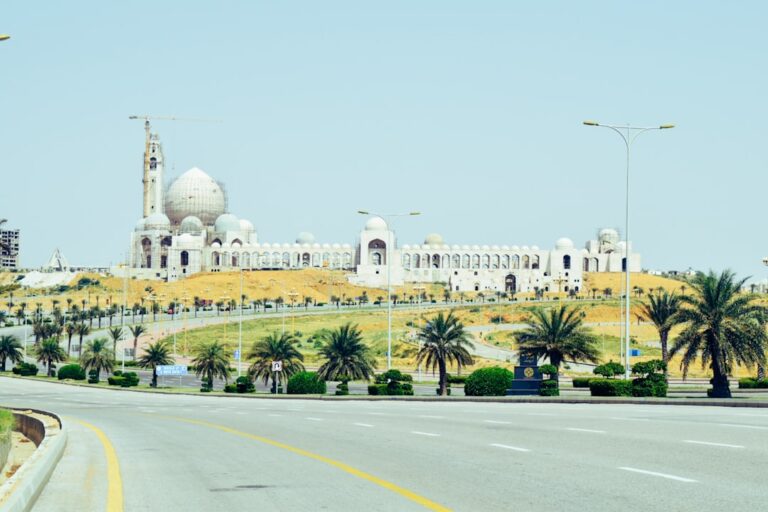

Dubai Property Investment Guide is your essential resource for navigating the emirate’s real estate market. Additionally, with zero income tax, 100% foreign ownership in designated freehold zones, and historically strong rental returns, Dubai draws global investors seeking capital growth and passive income. This guide walks you through every step — from choosing a neighbourhood to completing the transaction.
- Market Type: Freehold & leasehold zones
- Best Time to Invest: Year-round; Q1 and Q4 often see developer incentives
- Typical Purchase Timeline: 2 – 6 months from offer to handover
- Key Advantages: Tax-free income, 100% foreign ownership, high rental yields
- Ideal For: International investors, expatriates, passive-income seekers
Popular Tours & Activities
.jpg)


Introduction
Dubai’s property market has matured into a globally recognised investment destination. In 2024, the emirate recorded record transaction volumes, driven by a surge of overseas buyers seeking stability, lifestyle, and tax efficiency. Additionally, understanding mortgage options for non-residents requires careful research.
At TripHabibi, our Dubai-based team has helped thousands of travellers and investors make informed decisions about living and owning in the UAE. For this reason, we created this guide to simplify the process. Furthermore, Whether you are looking for a holiday home, a rental investment, or a long-term residence, we provide the clarity you need. Contact our local experts or message us on WhatsApp for a personalised consultation.
Ready to Invest in Dubai Real Estate?
Get a free, no-obligation consultation with our in-house property advisors.
Start Your Search →Understanding Dubai Property Investment Guide
What Makes Dubai Property Unique for Investors?
Dubai allows 100% foreign ownership in designated freehold zones such as Dubai Marina, Palm Jumeirah, Downtown, and Jumeirah Lakes Towers. Furthermore, there is no property tax, no capital gains tax, and no income tax on rental earnings — a combination rare among global cities. However, the market also has a strong off-plan segment, where buyers purchase units before construction completes. This creates opportunities for capital appreciation, but requires due diligence on developer track records.
How Does the Buying Process Compare to Other Markets?
Dubai streamlines the process through the Dubai Land Department (DLD) and the Real Estate Regulatory Authority (RERA). However, for instance, a standard purchase requires a signed Form F (Memorandum of Understanding), a deposit, and registration with the DLD. Consequently, the entire transaction often completes in 60 to 90 days — faster than in London, New York, or Sydney.
Why Choose This Investment
Who Is This Investment Best For?
Dubai property suits a wide range of buyer profiles. High-net-worth individuals seeking a tax-efficient second home benefit from the freehold system. Additionally, expatriates working in Dubai can secure a long-term residence with a property purchase. Moreover, passive-income investors are drawn to rental yields that consistently outperform many European and Asian markets. In fact, neighbourhoods like Dubai Sports City and International City offer net yields that appeal to budget-conscious buyers.
Top Reasons to Invest in Dubai Real Estate
- Zero taxes: No annual property tax, capital gains, or rental income tax.
- 100% foreign ownership: Full freehold rights in designated zones.
- High rental yields: Many areas deliver gross yields well above global averages.
- Strong regulatory framework: RERA and DLD protect buyer deposits and enforce developer obligations.
- Residency incentives: Property purchase of a certain value qualifies you for a renewable residency visa.
- Growing market: Dubai’s population continues to rise, supporting long-term demand.
Dubai Property Investment Guide Step-by-Step
What to Expect During Your Purchase Journey
Begin by selecting a neighbourhood that matches your budget and lifestyle goals. Next, secure a pre-approval from a mortgage provider if financing. In fact, Then engage a licensed agent to identify suitable listings. After viewing, negotiate the price and sign the Form F (Memorandum of Understanding). Finally, pay the deposit (typically 10% of the purchase value) and register the sale with the Dubai Land Department. The entire process, from offer to handover, typically spans two to six months.
Insider Tips Most Agents Don’t Share
First, always request the developer’s escrow account number — Dubai law requires all off-plan payments to go into a RERA-regulated escrow account. Furthermore, check the service charges history for the building; high charges can eat into your rental yield. However, many investors overlook the importance of a snagging survey before taking possession. This inspection ensures the unit meets agreed standards, and any defects are rectified by the developer.
Details, Features & Options
Comparing Off-Plan vs Ready Properties
You May Also Like


What Is Included in Your Purchase
When you buy an off-plan unit, the sale contract usually includes fixtures, fittings, and kitchen appliances specified in the brochure. Ready properties come with existing finishes, but you should verify whether furniture is included.

Planning Your Investment
When Is the Best Time to Buy?
Dubai’s property market does not follow a strict seasonal cycle, but Q1 (January to March) often brings developer launch offers and lower competition. However, off-plan launches happen year-round, especially during major property exhibitions like Cityscape Global. Additionally, buying during a market dip can maximise long-term capital gains. For those seeking immediate rental income, ready properties in established areas like Jumeirah Village Circle or Dubai Silicon Oasis provide predictable cash flow regardless of season.
Practical Tips Before You Commit
First, verify the developer’s track record with the Real Estate Regulatory Authority (RERA). Second, arrange financing early — non-resident mortgages require at least 20% deposit and a valid passport, proof of income, and bank statements. Furthermore, hire a licensed property consultant; the Dubai Land Department maintains a public register of approved agents. TripHabibi’s team can refer you to trusted agents.
Dubai Property Investment Guide Cultural Significance
What Does Real Estate Reveal About Dubai Economy?
Dubai’s real estate sector accounts for a significant share of the emirate’s GDP and is a bellwether for economic confidence. According to UAE Ministry of Foreign Affairs, property investment has been central to Dubai’s diversification away from oil. For this reason, the government continuously reforms regulations to attract foreign capital — introducing long-term visas, residency by investment, and investor-friendly lease laws.
Historical Context of Dubai’s Property Boom
Dubai first opened its property market to foreign buyers in 2002, allowing freehold ownership in designated areas. For this reason, the subsequent boom saw iconic developments like Palm Jumeirah and Burj Khalifa financed through off-plan sales. While the 2008 financial crisis caused a sharp correction, the market rebounded with stronger regulation. Today, the emirate’s property cycle is more stable, supported by a growing population of over 3.5 million residents and an expanding non-oil economy.
Common Investor Mistakes
What Most Foreign Buyers Get Wrong
- Skipping due diligence on the developer’s escrow account status.
- As a result, assuming off-plan always means higher returns.
- Failing to secure a mortgage pre-approval before bidding.
- Relying on unlicensed agents or verbal promises.
How to Avoid These Errors
Always request the developer’s escrow account confirmation from RERA. Additionally, compare off-plan and ready properties side by side using the table above. Most importantly, only work with agents registered on the DLD website. UAE immigration authority provides residency rules that may affect your long-term plans.
Before signing any off-plan contract, ask the developer for a list of previous handover delays. For instance, areas near Expo City Dubai and Dubai South are benefiting from expanded transport links. Additionally, consider hiring a professional property management company to handle tenant screening, maintenance, and legal compliance. At TripHabibi, we recommend combining your property search with a Dubai city tour to explore neighbourhoods firsthand.
What to Combine It With
Many investors pair property ownership with a UAE Golden Visa, which can be obtained by purchasing real estate above a prescribed value threshold. Furthermore, owning property makes it easier to open a local bank account and establish residency. You can also explore other UAE investment opportunities such as business licences or free zone company formation. For a complete lifestyle experience, book a day trip from Dubai to see which emirate best suits your second home goals.
Questions? Our Local Experts Are Standing By
Get instant answers from our Dubai-based team — free, no obligation.
💬 Chat on WhatsApp →How long does a Dubai Property Investment Guide purchase take?
The entire process typically takes two to six months from offer to final registration. Factors such as mortgage approval and developer handover timelines affect duration. Additionally, TripHabibi’s advisors can help you streamline each step.
What should I consider before investing in Dubai real estate?
Focus on freehold zone eligibility, developer reputation, service charges, and rental yield potential. However, also factor in your residency status and financing options. Furthermore, always verify the agent’s DLD licence.
Is Dubai property suitable for families and long-term living?
Yes, many communities like Arabian Ranches and Jumeirah Golf Estates are designed for families with schools, parks, and retail. Moreover, property ownership qualifies you for a renewable residency visa, making it ideal for long-term living. TripHabibi offers private things to do in Dubai to help families settle.
What is the best time of year to buy property in Dubai?
The market is active year-round, but Q1 and Q4 often feature developer promotions and reduced competition. In particular, Cityscape Global exhibitions in September and May present off-plan launch opportunities. Morning visits to showrooms before weekends avoid crowds.
Do I need to be present in Dubai to complete the purchase?
Not necessarily. Many steps — including signing the Form F and arranging mortgage pre-approval — can be handled remotely via power of attorney. However, final registration at the DLD office may require your presence or a representative. Therefore, TripHabibi recommends appointing a licensed agent to act on your behalf.
Can I combine property investment with other Dubai experiences?
Absolutely. Many investors visit Dubai to view properties and also enjoy the city’s attractions. TripHabibi designs custom itineraries that combine property viewings with Dubai desert safari tours or city tours. Additionally, we offer Dubai layover tours for those with short stays.
Final Thoughts on Dubai Property Investment Guide
Ultimately, this Dubai Property Investment Guide provides the clarity you need to navigate one of the world’s most dynamic real estate markets. From zero tax advantages to high rental yields and a robust regulatory framework, Dubai offers compelling opportunities for international buyers. Furthermore, the emirate’s commitment to infrastructure and population growth suggests continued demand for quality housing.
Additionally, TripHabibi’s Dubai-based team offers private, expert-guided tours and personalised property consultation. Book your consultation today or reach us on WhatsApp — we reply within minutes and can connect you with a licensed agent.
Related Tours
Ready to Explore Dubai? Let’s Make It Happen! 🌆
💬 Chat with Our Tour Experts on WhatsAppRelated Posts