

Dubai vs Miami luxury is the ultimate showdown for affluent holidaymakers who crave sunshine, style, and five-star indulgence. Both cities deliver exceptional experiences, yet they cater to remarkably different tastes. Dubai dazzles with futuristic architecture and desert opulence, while Miami radiates Latin-infused energy and Art Deco glamour. Travelers increasingly compare the two when planning their next high-end escape.
- Best For: Dubai—ultra-modern luxury, desert adventure, record-breaking landmarks; Miami—beach culture, Art Deco style, vibrant nightlife
- Best Time to Visit: Dubai—November to March; Miami—November to April
- Signature Stay: Dubai—Burj Al Arab Jumeirah; Miami—Versace Mansion
- Highlights: Dubai—Burj Khalifa, Palm Jumeirah, desert safaris; Miami—South Beach, Wynwood Walls, Ocean Drive
- Ideal For: Dubai—families, shoppers, architecture lovers; Miami—trendsetters, beach lovers, art enthusiasts
When wealthy travelers weigh their options, the decision often comes down to atmosphere versus innovation. Dubai has transformed itself from a pearl-diving village to a global luxury capital in just two decades. Miami, meanwhile, has spent a century perfecting its blend of sun-soaked hedonism and cultural fusion. However, the choice between these destinations is far from obvious. Each offers world-class hotels, celebrated cuisine, and Instagram-worthy moments. Additionally, both cities have invested heavily in attracting the world’s most discerning travelers.
At TripHabibi, our team of Dubai-based travel experts has helped over 10,000 travellers experience the UAE authentically. For this reason, we know precisely how Dubai’s luxury landscape differs from Miami’s. Additionally, the answer shapes entire itineraries, from beach club reservations to fine-dining bookings. Contact our local experts or message us on WhatsApp for a personalised itinerary.
Ready to Experience Dubai’s Luxury Scene with a Private Guide?
Skip the crowds. Private tours, flexible timing, expert local guides.
Browse Private Tours →Popular Tours & Activities
.jpg)

Understanding Dubai vs Miami Luxury
What Makes Dubai’s Luxury Scene Unique?
Dubai approaches luxury with a philosophy of “world’s first” and “world’s largest.” The emirate houses the Burj Khalifa, the tallest building on Earth, standing at 828 meters. Palm Jumeirah, the artificial archipelago, offers villa communities with private beaches that redefine exclusivity. Furthermore, the city’s mall culture elevates shopping into entertainment, with Ski Dubai and the Dubai Aquarium inside the Dubai Mall. This commitment to superlatives creates an experience nowhere else can replicate.
The city’s modern history began in 1966 with oil discovery, transforming a trading port into a global phenomenon. However, Dubai’s current leadership under Sheikh Mohammed bin Rashid Al Maktoum accelerated its luxury evolution dramatically since 2006. As a result, visitors now enjoy underwater suites, desert conservation reserves, and Michelin-starred dining across multiple cuisines. The Visit Dubai official guide notes the emirate welcomed over 17 million tourists in 2024. For luxury travelers, this means exceptional standards in every hotel, restaurant, and attraction.
How Does Miami Compare to Dubai?
Miami’s luxury appeal rests on heritage, oceanfront glamour, and Latin American flavor. Furthermore, the city’s Art Deco District in South Beach contains over 800 preserved buildings from the 1930s. Notably, the Fontainebleau Miami Beach has hosted celebrities since 1954, while newer properties like Faena Hotel push design boundaries. The luxury experience here feels lived-in rather than manufactured, with a relaxed rhythm set by Atlantic breezes and Cuban espresso.
Contrastingly, Dubai’s luxury is curated and theatrical, with every detail engineered to impress. However, miami excels in organic cool—its Wynwood Walls street art and Little Havana cigar lounges offer authentic cultural texture. In fact, on the other hand, Dubai provides structured extravagance through venues like At.mosphere on Burj Khalifa’s 122nd floor. The choice between them depends on whether you prefer effortless glamour or awe-inspiring spectacle.
Why Choose Dubai for Your Luxury Escape
Who Is Dubai’s Luxury Experience Best For?
Dubai suits travelers who desire novelty, scale, and impeccable service wrapped in cutting-edge design. Families find the city remarkably accommodating, with kid-friendly resorts like Jumeirah Beach Hotel and sprawling entertainment complexes. Additionally, couples celebrating milestones gravitate toward private desert dining under starlit skies. The absence of language barriers and world-class healthcare adds peace of mind for older tourists.
Thrill-seekers will find Dubai equally compelling, with indoor skiing, skydiving over Palm Jumeirah, and dune bashing in the Liwa Desert. Notably, travelers who appreciate meticulous planning will delight in the city’s seamless infrastructure. Most importantly, the fusion of 200+ nationalities means globally diverse cuisine, from Japanese omakase to Emirati majlis feasts.
Top Reasons to Choose Dubai
- Record-Breaking Attractions: Burj Khalifa, Dubai Mall, and the world’s tallest infinity pool at Address Beach Resort provide unmatched bragging rights.
- Year-Round Indulgence: Climate-controlled malls and indoor experiences ensure luxury continues even in summer heat.
- Safety and Cleanliness: Dubai ranks among the safest cities globally, with a 99% tourist satisfaction rate reported by Visit Dubai.
- Cultural Immersion: Beyond glamour, Al Fahidi Historic District and the Sheikh Mohammed Centre for Cultural Understanding offer genuine heritage experiences.
- Seamless Connectivity: Emirates and flydubai link Dubai to 260+ destinations, making the emirate a convenient stopover or final destination.
- Private Experiences: TripHabibi’s private desert safaris and city tours provide exclusive access away from group tourist crowds.
Dubai vs Miami Luxury Beach Experiences
What to Expect from Dubai’s Beaches
Dubai’s coastline stretches along the Arabian Gulf, offering calm, clear waters and powder-soft sand. Specifically, Jumeirah Beach Residence (JBR) provides a lively promenade with cafés and beach clubs like Bikini Beach. For solitude, Black Palace Beach and Al Sufouh Beach remain hidden gems favored by locals. Additionally, Nikki Beach Resort & Spa and the newly opened Editions at The Palm bring Ibiza-style energy to the Gulf.
The city’s beach season peaks from November through March, when temperatures hover in the mid-70s Fahrenheit. Moreover, visitors can enjoy private cabanas, jet-skiing, and even flyboarding at various public beaches. However, modesty standards apply—women may cover up, and topless sunbathing is prohibited. Most luxury hotels offer private beach access with impeccable service, ensuring your morning espresso arrives before your sun lounger is adjusted.
How Do Miami’s Beaches Compare?
Miami’s beaches offer a sensory extravaganza of sun-drenched shores and people-watching. That said, South Beach’s iconic lifeguard towers and turquoise water define the classic postcard image. In particular, in contrast, North Beach and Surfside provide quieter alternatives for families or those seeking tranquility. The social scene revolves around beach clubs like Miami Beach EDITION and Soho Beach House, where DJs spin as waves roll in.
The Atlantic waters offer warmer swimming temperatures and more pronounced waves than the Gulf. Therefore, water sports enthusiasts enjoy paddleboarding, wakeboarding, and offshore fishing excursions. Yet Miami’s humidity and summer storms mean the April-to-September season brings unpredictable weather. Consequently, winter visits deliver the most reliable sunshine, aligning with peak luxury tourism.
Hotels and Accommodation Face-Off
Where to Stay for the Ultimate Experience
Dubai presents accommodation options that push the boundaries of imagination. Meanwhile, the Burj Al Arab Jumeirah, shaped like a billowing sail, stands alone on its artificial island, offering butler service on every floor. Atlantis, The Palm, connects to the mainland via monorail and houses an aquarium with 65,000 marine animals. Moreover, eco-luxury seekers choose Al Maha Desert Resort, where each villa includes a private infinity pool overlooking the Dubai Desert Conservation Reserve.
The city’s hotel market recently welcomed new entrants like The Lana, Dorchester Collection, and FIVE LUXE. Above all, each property brings distinct design philosophies—from futuristic minimalism to Arabian-inspired opulence. In addition, regardless of your choice, expect whirlpool baths, smart home automation, and 24-karat gold accents as standard features.
Miami’s Signature Stays on the Beach
Miami’s luxury hotels lean into history and eclectic personality rather than record-breaking height. Indeed, The Versace Mansion, now The Villa Casa Casuarina, offers only ten exclusive suites within the late designer’s oceanfront residence. The Setai Miami Beach incorporates Asian-inspired minimalism with colonnade architecture and three temperature-controlled pools. Furthermore, luxury travelers flock to The Ritz-Carlton Key Biscayne for its 13-acre oceanfront retreat.
Newer additions like the Mandarin Oriental Miami and W South Beach emphasize wellness and nightlife, each attracting a different luxury traveler archetype. Nevertheless, the city’s boutique movement thrives in spots like The Martha Hotel and Gates Hotel South Beach. Also, ultimately, Miami rewards design connoisseurs, while Dubai rewards those seeking grand spectacle.
Comparing Your Stay Options
You May Also Like
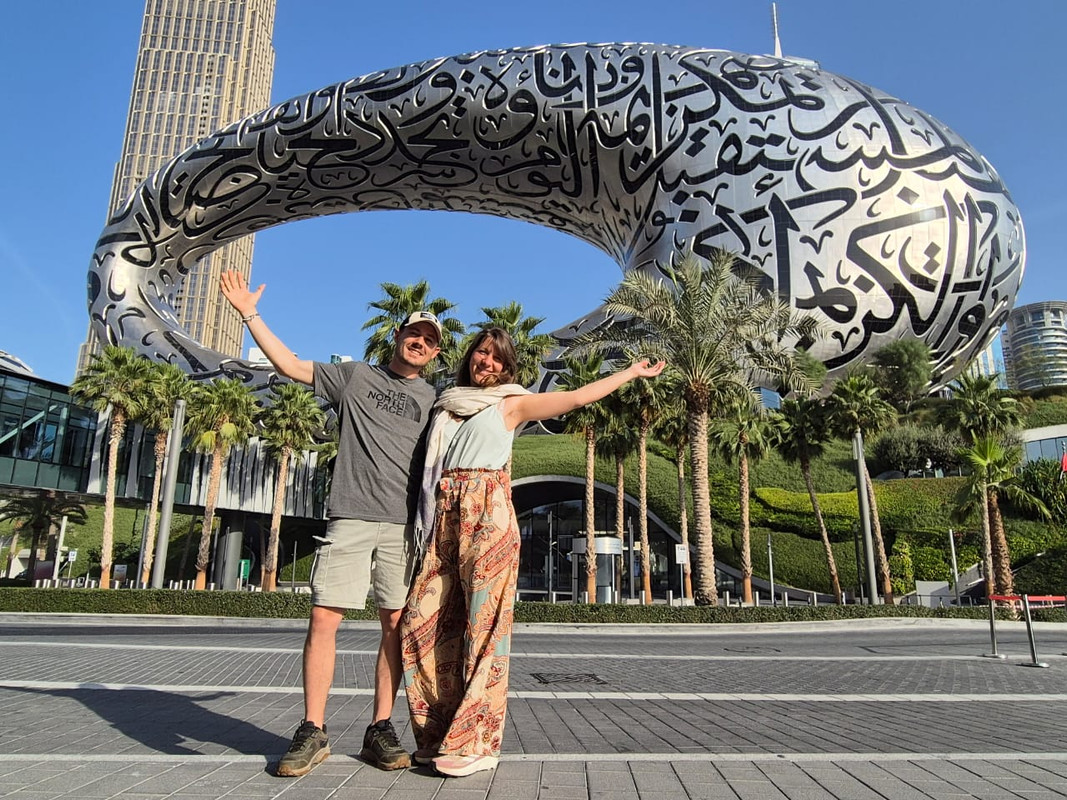
Planning Your Luxury Visit
When Is the Best Time to Visit Each City?
Dubai’s ideal travel window spans November through March, with temperatures averaging 24°C (75°F). Additionally, this period includes Dubai Shopping Festival in January and the Dubai World Cup horse race in March. Furthermore, conversely, summer months June to August bring extreme heat, though indoor attractions and beach clubs remain operational. Travelers seeking both pleasant weather and thinner crowds should target late April or early November.
Miami’s peak season runs December through April, offering 24°C (75°F) days and vibrant nightlife. The city hosts Art Basel Miami Beach in early December, transforming it into the global art capital. Meanwhile, May through September brings hurricane season, though afternoon showers typically give way to sunshine. Therefore, planning around these climatic and cultural rhythms ensures a flawless luxury escape.
Practical Tips for Luxury Travelers
When packing for Dubai, balance glamour with modesty—bring lightweight linen for daywear and elegant evening ensembles. However, miami demands fewer layers, with resort-casual dominating daytime patrols and designer ensembles for nightlife. In fact, in both destinations, international power adapters are essential, alongside sunscreen with high SPF.
For Dubai logistics, private transfers via TripHabibi offer seamless airport-to-hotel service with executive vehicles. Notably, miami’s rideshare network functions well, though renting a convertible enhances the coastal cruising experience. Furthermore, both cities have sophisticated languages—Arabic and English in Dubai, Spanish and English in Miami—ensuring smooth communication for international visitors.
Questions? Our Local Experts Are Standing By
Get instant answers from our Dubai-based team — free, no obligation.
💬 Chat on WhatsApp →Dubai vs Miami Luxury Nightlife and Dining
Where Does the Nightlife Reign Superior?
Dubai’s nightlife scene has evolved dramatically, with internationally recognized clubs and lounge concepts setting new standards. Specifically, White Dubai, an open-air rooftop club overlooking the skyline, attracts top DJs like Calvin Harris and Tiësto. Meanwhile, Billionaire Mansion combines dining, entertainment, and dancing under one theatrical roof. The city’s strict licensing laws mean venues close around 3am, but the concentrated quality rivals any world capital.
Miami’s nightlife extends until sunrise, particularly in South Beach’s legendary venues. Moreover, LIV at Fontainebleau and E11EVEN Miami offer 24-hour hedonism, with aerialists and rooftop gardens. The city’s electronic dance music roots, pioneered by local icons like DJ Khaled and Bad Bunny, permeate the club scene. For this reason, music lovers often prefer Miami’s boundless energy.
Culinary Experiences Worth Savoring
Dubai boasts over 13,000 restaurants, including three with three Michelin stars—Al Mahara, Hakkasan, and Zuma. Amazonico Dubai transports diners to rainforests with exotic cocktails and Latin-Asian cuisine. Additionally, the city’s raft of celebrity chef concepts includes Gordon Ramsay’s Bread Street Kitchen and Nobu at Atlantis. Emirati tasting menus at restaurants like Orfali Bros introduce visitors to saffron-infused lamb and camel cannelloni.
Miami counters with a vibrant Cuban and Peruvian gastronomic identity. Joints like Joe’s Stone Crab (open since 1913) serve local delicacies with Old Florida charm. Meanwhile, modern temples like Sushi by Bou and Stubborn Seed earn global acclaim for innovative tasting menus. Most importantly, both cities offer private dining rooms and chef’s table experiences tailored for luxury travelers.
Cultural Significance and Modern Appeal
What Does Each City Reveal About Its Culture?
Dubai’s luxury architecture reflects a philosophy of ambition—transforming desert into paradise through engineering marvels. That said, the city’s connection to Islamic heritage remains visible at Jumeirah Mosque, which opens its doors to non-Muslims through cultural programs. However, the modern skyline tells a story of global collaboration, with architects from Lebanon, England, and Japan shaping its silhouette. This fusion of tradition and futurism defines Dubai’s soul.
Miami’s cultural identity emerges from its bilingual, bi-national character. The city’s Little Havana district preserves Cuban exile history through cigar shops and domino parks. Simultaneously, Wynwood Arts District transformed warehouses into the world’s largest open-air street art museum. Consequently, Miami’s luxury feels authentically American yet distinctly Latin—a hybrid energy impossible to replicate.
Historical Context Every Traveler Should Know
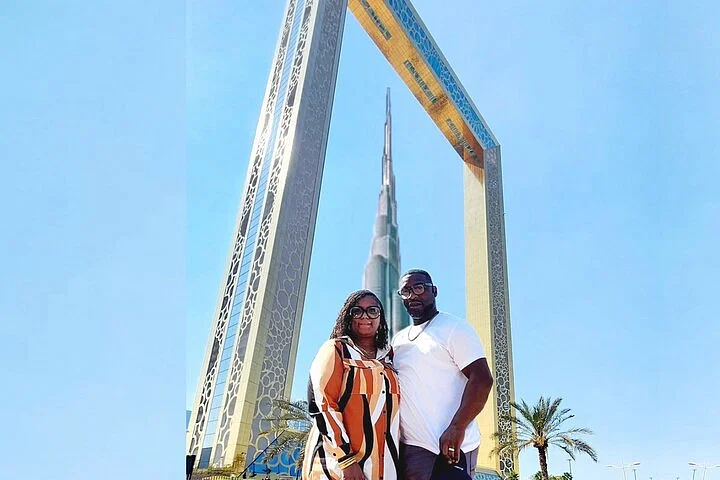
Dubai joined the United Arab Emirates in 1971, the same year the new nation established itself as a global trade hub. In particular, its rise accelerated after 2003 when Sheikh Mohammed launched the “Dubai Vision” initiative. Meanwhile, over the subsequent decade, the city constructed 40% of the world’s cranes to build Palm Jumeirah, Dubai Marina, and the Metro system. Understanding this backstory enriches visits to landmarks like the Dubai Frame, which juxtaposes old and new geography.
Miami’s modern fame began in 1926 when a hurricane devastated the city, catalyzing its Art Deco reconstruction. Above all, prohibition-era smuggling and gangster culture defined subsequent decades, culminating in the iconic “Miami Vice” image of the 1980s. In addition, at the same time, waves of Caribbean immigrants created layered neighborhoods like Coconut Grove and Little Haiti. For educated travelers, this history transforms sun-drenched streets from scenery into narrative.
Common Visitor Mistakes
What Most Luxury Travelers Get Wrong
First, many underestimate Dubai’s heat and schedule outdoor activities during midday. The sun intensifies between 11am and 3pm, so deserts safaris and boat tours run better at sunrise or sunset. Second, travelers overlook the city’s strict modesty expectations outside resorts—short shorts and tube tops can hinder access to certain malls and souks. Third, some assume all luxury experiences require advance booking, but many world-class restaurants accept walk-ins for lunch.
In Miami, visitors often misjudge geographic distances, treating South Beach and Brickell as walking-friendly neighbors. The city sprawls considerably, and traffic congestion can consume precious vacation hours. Additionally, many don’t realize that many beach clubs operate seasonally, with some closing during hurricane season. Finally, tourists regularly miss Miami’s cultural gems by fixating on beaches—from the Vizcaya Museum to the Pérez Art Museum.
How to Avoid These Errors
Hire private guides who anticipate climate and logistics for you. TripHabibi designs itineraries avoiding the afternoon sun and crowds, positioning visits to Dubai Mall’s fountain show or Miami’s Design District at optimal hours. Our local experts also secure reservations at sought-after venues, ensuring table availability weeks before your arrival. Most importantly, we craft realistic schedules based on traffic patterns and venue proximity.
- Respect Local Customs: In Dubai, dress conservatively when visiting cultural sites; in Miami, keep beachwear oceanside.
- Stay Hydrated: Both climates demand constant water intake, especially during summer months.
- Trust Local Knowledge: Ask guides about safe neighborhoods and current weather patterns rather than relying solely on online reviews.
- Plan Around Peak Times: Queue for Burj Khalifa at opening time; arrive at Miami’s South Beach before 11am for premium loungers.
Dubai’s frame at sunset offers dual perspectives—inside, see the old creek and skyscrapers simultaneously. Indeed, Miami’s Frost Science Museum rooftop provides comparable skyline magic. Nevertheless, book both during golden hour for unforgettable photography.
Expert Recommendations for Your Luxury Trip
How to Get the Most from Your Visit
Combining both destinations into one grand tour allows luxury travelers to contrast two distinct paradise on Earth. Also, begin with four nights in Dubai, starting with a private city tour covering Burj Khalifa and the Dubai Frame. Additionally, then transition to a beach club afternoon at Nikki Beach, followed by an evening desert safari with private BBQ. The temperature contrast—Arabic Gulf warmth versus Atlantic breezes—creates an unforgettable sensory journey.
If choosing one city, TripHabibi recommends basing your decision on group composition. Furthermore, families thrive in Dubai’s predictable safety and unlimited activities. Conversely, couples and friend groups seeking spontaneous nightlife and beach lounging favor Miami. Additionally, business travelers might combine Dubai’s commercial excellence with a weekend in Miami for enforced relaxation.
What to Combine with Your Luxury City Stay
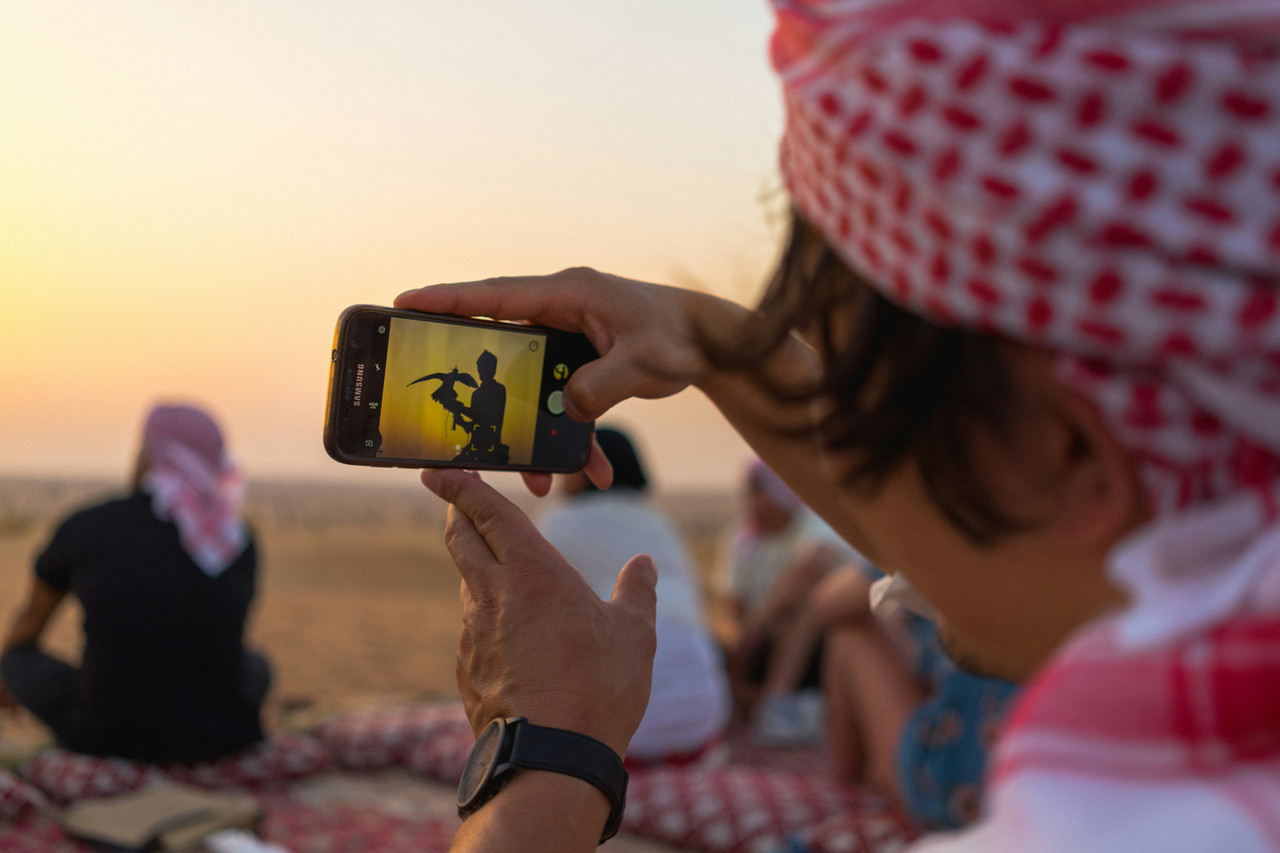
In Dubai, extend your itinerary to Abu Dhabi, the UAE capital, accessible via an 80-minute drive. However, there, Sheikh Zayed Grand Mosque and Louvre Abu Dhabi provide architectural and cultural masterpieces. TripHabibi offers Abu Dhabi city tours from Dubai, including private transfers and expert guiding. Alternatively, visit the Dubai desert safari camps for Bedouin experiences with falconry and henna tattoos.
Miami serves as a gateway to the Florida Keys, where luxury fishing charters and coral reef snorkeling await. In fact, further exploration includes Everglades National Park airboat tours, memorable for first-timers. For those continuing west, day trips from Dubai to Hatta or Fujairah provide mountain and ocean scenery respectively. Our team can arrange multi-day private Peru itineraries connecting Miami with Machu Picchu via Lima.
Frequently Asked Questions About Dubai vs Miami Luxury
How long does Dubai vs Miami luxury decision take?
Most travelers finalize within two weeks of research when comparing destinations. The timeline depends on prioritizing must-have experiences—skiing in Dubai or Art Deco cruising in Miami. In fact, TripHabibi offers personalized consultations to shorten this process decisively.
What should I wear for luxury experiences?
Dubai demands elegant evening wear with covered shoulders and knees during city visits, while Miami celebrates vibrant resort-chic outfits. Pack linen suits and silk dresses for Dubai; lightweight cashmere and designer swimwear for Miami. However, both cities appreciate smart—rather than formal—dress codes.
Is Dubai vs Miami luxury suitable for families with young children?
Yes, Dubai excels with child-friendly hotels, aquariums, and theme parks, with many resorts offering kids’ clubs for ages 4–12. Miami welcomes families too, but its nightlife focus means certain neighborhoods require discretion. Furthermore, TripHabibi offers private family tours with flexible pacing to suit all ages.
What is the best time of year to visit both destinations?
Dubai shines from November through March with temperatures in the mid-70s Fahrenheit, ideal for desert excursions. Miami peaks similarly from December through April, offering cruise-perfect weather without humidity. In particular, visiting during February allows you to experience both cities at their absolute best.
Do I need to book luxury experiences in advance?
Absolutely, securing reservations at top restaurants and beach clubs requires lead time, often 2–4 weeks during high season. Popular attractions like Burj Khalifa benefit from advance booking, as same-day tickets frequently sell out. Therefore, TripHabibi recommends booking at least 48 hours ahead for private tours.
Can I combine Dubai vs Miami luxury with other UAE attractions?
Yes, Dubai serves as home base for exploring Abu Dhabi, Fujairah, and even Oman on multi-day excursions. Desert safaris and oases trips offer memorable contrasts to skyline views. Additionally, TripHabibi designs full-day private itineraries combining multiple stops seamlessly.
Final Thoughts on Dubai vs Miami Luxury
Ultimately, the Dubai-vs-Miami luxury verdict depends on your travel personality. Notably, Choose Dubai when you crave record-breaking innovation, desert mystique, and a full-spectrum family resort lifestyle. Specifically, the city’s Palm Jumeirah, Burj Khalifa, and private desert safaris offer curated grandeur you won’t match elsewhere. Miami wins for those who seek effortless oceanfront glamour, Art Deco heritage, and beat-driven nightlife. The choice enriches your journey—both promise sunshine, service, and unforgettable five-star moments.
TripHabibi’s Dubai-based team offers private, expert-guided tours with flexible timing and 24/7 support. Additionally, book your experience today or chat with us on WhatsApp — we reply within minutes.
Related Tours
Ready to Explore Dubai? Let’s Make It Happen! 🌆
💬 Chat with Our Tour Experts on WhatsAppRelated Posts