At TripHabibi, your trusted travel companion, we provide comprehensive destination guides and authentic travel experiences across the UAE. Our platform helps thousands of travelers discover the best of Dubai and Abu Dhabi. Contact us or reach us on WhatsApp for personalized recommendations.
Ready to Explore Dubai?
Understanding Dubai Weather Month by Month
Dubai’s weather month by month follows a predictable yet extreme pattern. The year begins with mild winter conditions, which gradually transition into a scorching summer by May. Subsequently, peak heat dominates until October, when a welcome relief arrives. Importantly, humidity from the Arabian Gulf significantly impacts the summer “feels-like” temperature. This detailed breakdown uses historical data and trends to forecast 2026 conditions accurately. Thus, you can identify the ideal month for your preferred activities, be it beach lounging or exploring cultural sites.
Furthermore, sea temperatures and daylight hours are key for planning. For instance, winter months offer perfect conditions for outdoor adventures like a Dubai desert safari tour. Meanwhile, summer months are best for enjoying indoor marvels like the Museum of the Future. Each month presents unique opportunities and challenges. Therefore, a strategic approach to your Dubai weather month by month planning is essential for comfort and enjoyment.
Why Choose the Right Season?
Selecting the correct season dramatically shapes your Dubai holiday. The pleasant winter months (November to March) are peak tourist season for good reason. Outdoor dining, beach clubs, and major events like the Dubai Shopping Festival thrive. Conversely, summer (April to October) offers significant advantages too. Specifically, you’ll find lower hotel rates, fewer crowds at major attractions, and exciting indoor entertainment options. However, the intense heat limits prolonged outdoor exposure.
Additionally, shoulder months like April and October provide a balance. These periods often feature manageable temperatures and thinner crowds. Your choice should align with your tolerance for heat, budget, and desired activities. For example, a summer visit is perfect for a comprehensive Dubai city tour in air-conditioned comfort. Meanwhile, winter is ideal for extended exploration of outdoor landmarks. Hence, understanding seasonal nuances is the first step to a flawless itinerary.
Dubai Weather Month by Month Experience
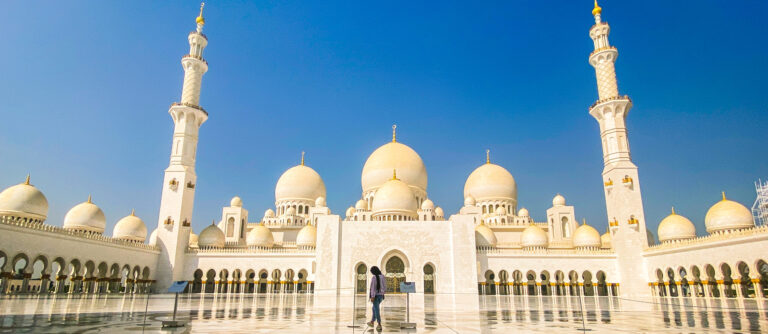
The Dubai weather month by month experience in 2026 begins with January’s crisp winter. Daytime highs average a pleasant 24°C (75°F), while nights can drop to a cool 14°C (57°F). Rainfall is possible but minimal. Subsequently, February sees similar conditions, perfect for exploring the Sheikh Zayed Grand Mosque on a day trip. March brings warming trends, with highs around 28°C (82°F) and increasingly comfortable sea temperatures. This period is arguably the best for overall outdoor enjoyment before the heat intensifies.
April marks the true transition into summer. Daytime temperatures frequently reach the mid-30s°C (95°F), and humidity begins to rise. By May, the intense heat is firmly established, with averages soaring above 38°C (100°F). The peak summer months from June through September are characterized by extreme heat, often exceeding 40°C (104°F), and very high humidity, especially in August and September. Finally, October welcomes the first signs of relief, paving the way for another glorious winter season. Each phase offers a distinct version of Dubai.
Climate Details & Seasonal Features
Dubai’s climate features are defined by aridity and sunshine. Annually, the city receives less than 100mm of rainfall, mostly concentrated in brief, intense winter showers. Sunshine is abundant year-round, with over 8 hours daily even in winter. However, the summer brings a unique climatic feature: the shamal wind. This northwesterly wind can stir up dust storms, reducing visibility for a day or two. Sea temperatures are a major attraction, ranging from a refreshing 22°C (72°F) in winter to a bath-like 33°C (91°F) in August.
Moreover, humidity is a critical factor often overlooked. Coastal areas experience much higher humidity than inland desert regions. This “muggy” feeling can make summer heat feel more oppressive. During winter, humidity drops, creating crisp, clear days perfect for photography at sites like the Dubai Frame. Understanding these features helps you pack appropriately and schedule activities. For instance, plan desert activities for early morning or late afternoon in summer to avoid the midday sun.
Need Travel Advice?
Monthly Planning & Packing Tips
Strategic packing is non-negotiable for Dubai. For the winter months (December-February), pack light layers. Include a light jacket or sweater for cooler evenings and air-conditioned malls. Furthermore, comfortable walking shoes are essential for sightseeing. Spring (March-April) and autumn (October-November) require light, breathable clothing for daytime, plus a shawl or cardigan for indoor cooling. Sunscreen, sunglasses, and a hat are mandatory year-round due to the strong UV index.
Summer packing (May-September) demands a focus on heat management. Prioritize loose, light-colored, natural-fiber clothing. Additionally, always carry a reusable water bottle. Many indoor venues blast air conditioning, so a light pashmina or overshirt is wise. Regardless of season, modest attire is recommended for visiting mosques or traditional areas. For a seamless experience, consider a guided Abu Dhabi day trip from Dubai where logistics are handled for you. Proper preparation ensures you stay comfortable while enjoying everything from Dubai theme parks to heritage sites.
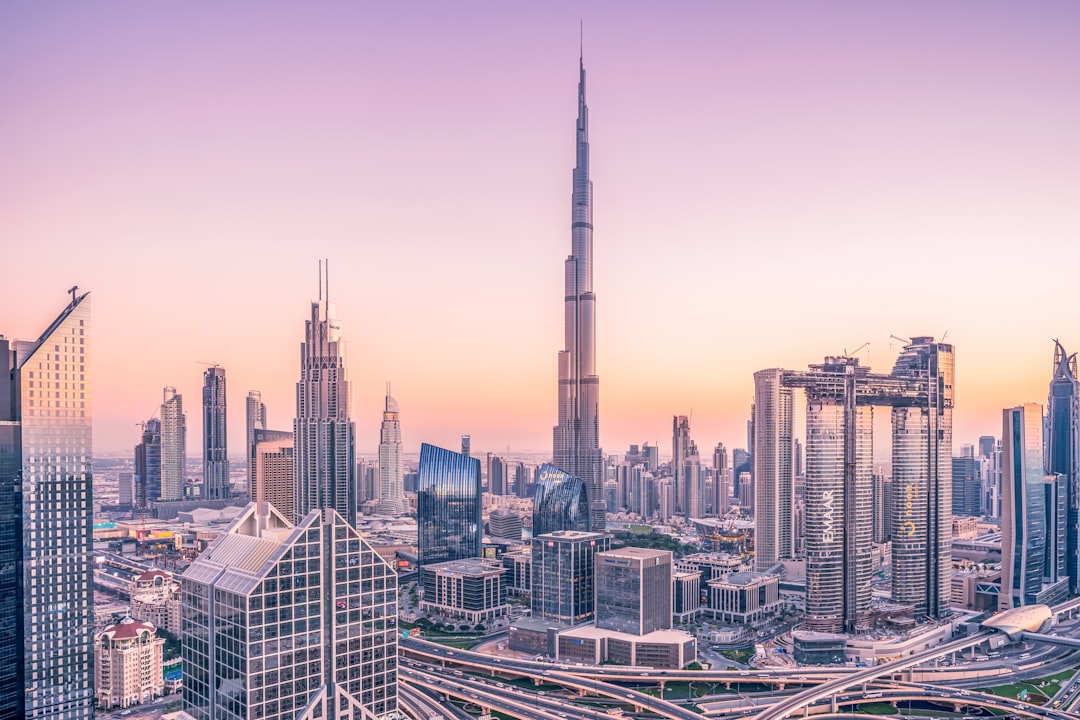
Dubai Weather Month by Month Cultural Significance
The Dubai weather month by month rhythm deeply influences local culture and lifestyle. During the scorching summer, life adapts to the indoors. Malls, indoor ski slopes, and cultural centers become social hubs. This is when residents often travel abroad. Conversely, the pleasant winter is the season for outdoor socializing. Beach picnics, desert camping, and open-air markets flourish. Major cultural and sporting events, like the Dubai Rugby Sevens or Art Dubai, are scheduled in these cooler months to maximize comfort and participation.
Furthermore, traditional architecture reflects clever climate adaptation. Wind towers (Barajeel) and thick walls were historical cooling methods. Modern Dubai continues this with innovative climate-controlled environments. Understanding this seasonal cultural shift enriches your visit. It explains the city’s vibrant outdoor energy in winter and its impressive indoor world in summer. This duality is a core part of experiencing modern Emirati life. Therefore, aligning your visit with these cultural patterns offers a more authentic and engaging trip.
Common Weather Planning Mistakes
First-time visitors often underestimate Dubai’s summer intensity. Assuming “hot” is manageable without respecting the humidity and peak sun hours is a common error. Consequently, they schedule too many outdoor activities between 11 am and 4 pm. Another mistake is neglecting hydration. Drinking water constantly is essential, not optional. Additionally, visitors sometimes pack inappropriate footwear for extensive walking in malls or on hot pavement.
Moreover, overlooking the temperature variance between day and night in winter is problematic. Evenings can be surprisingly cool, especially in the desert. Failing to carry a light layer leads to discomfort. Finally, not checking the forecast for rare rain or dust storms can disrupt plans. Always have a flexible backup plan for indoor activities. For reliable advice, you can contact our travel experts who provide real-time, localized tips to avoid these pitfalls.
Expert Travel Recommendations
For the ultimate Dubai experience in 2026, target the shoulder seasons. Specifically, late March to early April or late October to November offer the best balance. You’ll enjoy warm-but-comfortable weather, thinner crowds, and good value. For winter visits, book flights and accommodations well in advance, as prices peak. If visiting in summer, embrace the indoor attractions and plan outdoor activities like a desert safari for very early morning.
Furthermore, use the official Dubai tourism website to check for seasonal events. Always confirm the latest travel requirements before your trip. For a diverse experience, combine your Dubai stay with a trip to Al Ain for a greener, mountainous climate. Ultimately, partnering with a local expert like TripHabibi ensures you navigate the climate seamlessly and discover hidden gems in every season.
Frequently Asked Questions About Dubai Weather Month by Month
What is the best month for Dubai weather month by month?
November, February, and March are typically ideal. These months offer warm, sunny days, cool evenings, and minimal humidity, perfect for all activities.
Is Dubai too hot in July?
Yes, July is one of the hottest and most humid months. Daytime temperatures consistently exceed 40°C (104°F), making prolonged outdoor exposure challenging.
Does it ever get cold in Dubai?
“Cold” is relative. Winter nights (Dec-Feb) can drop to 10-15°C (50-59°F), which feels chilly compared to the daytime heat, especially in the desert.
When is the rainy season in Dubai?
Dubai has no true rainy season. However, short, sporadic rainfall is most likely between December and March, usually lasting only a few hours.
Can you swim in the sea year-round?
Yes, the sea is swimmable year-round. Winter water temperatures (22-24°C) are refreshing, while summer waters (up to 33°C) are like a warm bath.
What should I absolutely pack for Dubai?
Essentials include high-SPF sunscreen, sunglasses, a wide-brimmed hat, comfortable walking shoes, a light cover-up for modesty/AC, and a reusable water bottle.
Final Thoughts on Dubai Weather Month by Month
Furthermore, mastering the Dubai weather month by month forecast is your key to an unforgettable 2026 visit. Moreover, this knowledge allows you to pack perfectly, schedule wisely, and embrace the local seasonal rhythm. Therefore, whether you seek winter sun or summer luxury, informed planning transforms the climate from a challenge into an advantage.
TripHabibi provides expert guides, local knowledge, and 24/7 support. Additionally, contact our experts today to tailor your trip to the perfect season. Meanwhile, chat with us on WhatsApp for instant support and booking assistance for tours, from desert adventures to city explorations..
Related Posts