At TripHabibi, your trusted travel companion, we provide comprehensive destination guides and authentic travel experiences across the UAE. Our platform helps thousands of travelers discover the best of Dubai and Abu Dhabi. Contact us or reach us on WhatsApp for personalized recommendations.
Ready to Explore Dubai?
Understanding Laylat Al Qadr UAE
Laylat Al Qadr, meaning the “Night of Decree” or “Night of Power,” commemorates the night the Quran was first revealed to Prophet Muhammad (PBUH). It is described in the holy book as “better than a thousand months.” Therefore, prayers, good deeds, and worship performed on this single night hold immense spiritual reward. Specifically, Muslims believe that on this night, God’s mercy and blessings descend abundantly, and destinies for the coming year are decreed.
For tourists, understanding Laylat Al Qadr UAE is key to appreciating the heightened spiritual ambiance. The exact date is not known, but it falls on one of the odd-numbered nights during the last ten days of Ramadan. Consequently, the final stretch of the holy month is marked by intense devotion. Mosques remain open all night, filled with worshippers in prayer and Quranic recitation. This creates a uniquely serene and powerful atmosphere across the Emirates.
Why Choose This Spiritual Experience
Witnessing Laylat Al Qadr offers a rare glimpse into the heart of Islamic culture. It is an experience far removed from the UAE’s modern skyscrapers and bustling souks. Instead, you encounter a nation in deep, collective reflection. The atmosphere is one of profound peace, community, and spiritual focus. Furthermore, it provides a meaningful counterpoint to other tourist activities, offering a holistic view of Emirati life.
Engaging with this cultural pillar demonstrates respect and curiosity. It allows for a travel experience rooted in understanding rather than mere observation. Additionally, the visual spectacle is unforgettable. From the magnificent Sheikh Zayed Grand Mosque illuminated against the night sky to local neighborhood mosques, the scene is one of unified tranquility. This experience complements adventures like a Dubai desert safari tours by showcasing the nation’s spiritual landscape.
Laylat Al Qadr UAE Experience
The Laylat Al Qadr UAE experience for tourists is primarily about respectful observation. Major mosques often have designated areas where non-Muslim visitors can witness the special night prayers (Qiyam or Taraweeh). The air resonates with the melodic recitation of the Quran. Moreover, you will see communities gathering for Iftar (breaking of the fast) and Suhoor (pre-dawn meal) with a palpable sense of generosity and togetherness.
In cities like Dubai and Abu Dhabi, the experience extends beyond mosque courtyards. Hotels and cultural centers may host lectures or special Iftar events explaining the night’s significance. Streets are quieter, and a general hush descends after sunset prayers. To fully appreciate this, pair your visit with a daytime explore Dubai city tours to see the contrast. The entire social rhythm slows, focusing inward on faith and community.
Timing Details & Key Features
For Ramadan 2026, the holy month is anticipated to begin around February 17th, subject to the moon sighting. Consequently, Laylat Al Qadr will be sought on the odd nights of the last ten days: likely the nights of March 8th, 10th, 12th, 14th, and 16th, 2026. The most emphasized nights are the 21st, 23rd, 25th, 27th, and 29th of Ramadan. Therefore, planning a visit during this final decade of the month is crucial.
Key features of the night include extended congregational prayers that can last for hours. Mosques are adorned with extra lights and decorations. Charitable activities peak during this period. Additionally, you may hear the constant murmur of prayer and see families spending the night in worship. It’s a period where the operational hours of many attractions may adjust, so checking ahead for places like the Museum of the Future is wise.
Need Travel Advice?
Essential Planning & Visitor Tips
Respectful attire is non-negotiable. When near mosques, both men and women should wear loose, conservative clothing covering shoulders and knees. Women should carry a headscarf. Furthermore, remain quiet and discreet around places of worship. Photography inside prayer halls is often prohibited, especially during worship. Always look for signs or ask attendants about visitor guidelines.
Plan your logistics carefully. Traffic can be heavy just before Iftar and late at night as people go to mosques. Similarly, many restaurants are closed during daylight hours. However, hotels offer special Iftar and Suhoor buffets. For a different cultural perspective, consider a Abu Dhabi day trips from Dubai to see how the occasion is observed in the capital. Always check the official Dubai tourism official website for event schedules.
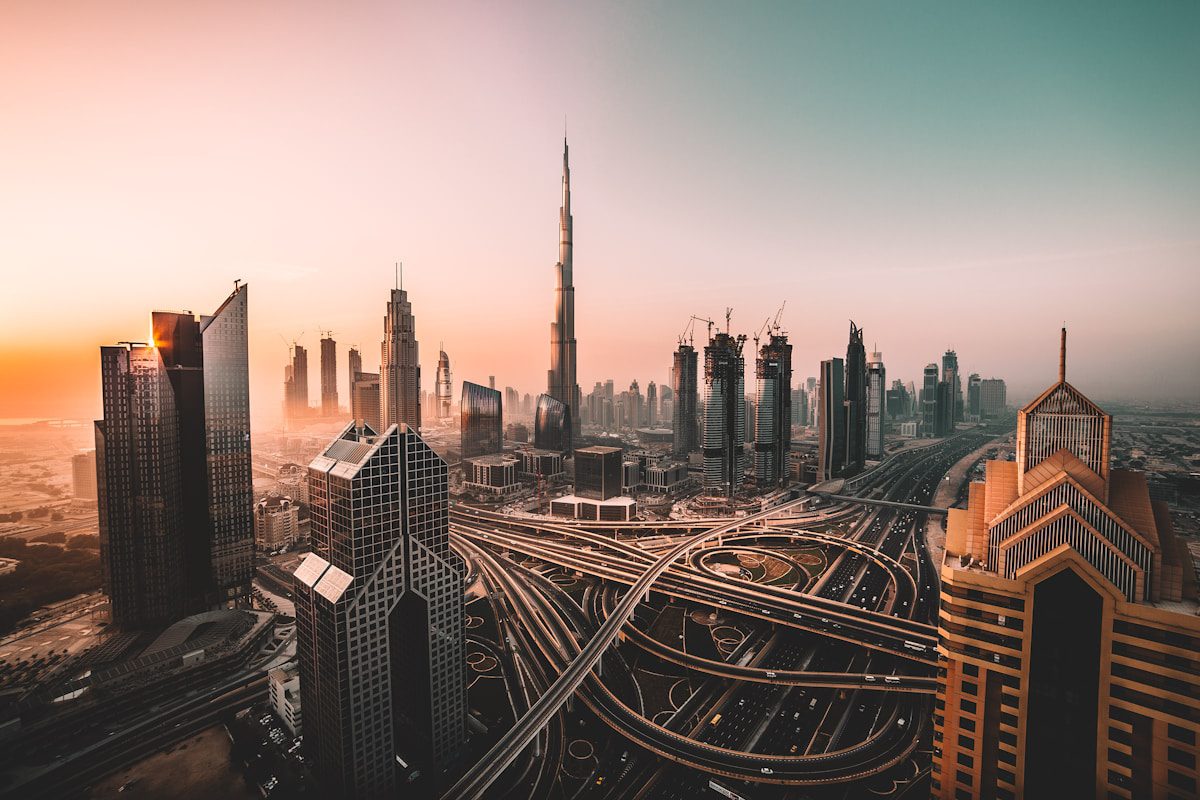
Laylat Al Qadr UAE Cultural Significance
The cultural significance of Laylat Al Qadr UAE cannot be overstated. It is the spiritual pinnacle of the year for the Muslim community, which forms the majority of the UAE’s population. The night reinforces core values of piety, charity (Zakat), and community solidarity. Consequently, the entire social fabric shifts to accommodate this deep reflection, influencing daily life and business hours.
For the nation, it is a time of unified national identity rooted in Islamic tradition. The government and leadership actively participate and encourage worship. This cultural immersion helps explain the Emirati ethos of generosity and family. Understanding this night provides context for other heritage sites, like the historical things to do in Al Ain. It’s a living tradition that defines the rhythm of the holy month.
Common Observance Mistakes to Avoid
Avoid entering prayer halls during active prayer sessions unless in a designated visitor area. Do not walk in front of people who are praying. Moreover, refrain from eating, drinking, or smoking in public during daylight hours out of respect for those fasting. Loud conversations or disruptive behavior near mosques is considered highly disrespectful.
Do not assume all mosques are open to non-Muslim tourists at night. Major mosques like the Sheikh Zayed Grand Mosque have specific visiting hours for tourists, which may not extend into the late night prayers. Similarly, avoid using flash photography or taking photos of worshippers without explicit permission. Planning with a reputable tour operator like TripHabibi can help navigate these protocols smoothly.
Expert Recommendations for 2026
For the 2026 observance, book accommodations early. Hotels near major mosques fill up quickly. Consider staying in areas like Abu Dhabi’s Corniche or Dubai’s Deira or Bur Dubai to be near historic mosques. Furthermore, attend an organized cultural talk or Iftar dinner that explains the significance of the night. This provides valuable context for your observations.
Balance your itinerary. Pair this solemn experience with other enriching activities. For instance, after observing the nighttime spirituality, explore the architectural wonder of the visit Burj Khalifa by day. Alternatively, consider a day trips from Dubai to appreciate the UAE’s diverse landscapes. Always confirm the latest travel and observance guidelines through official channels like the UAE immigration portal.
Frequently Asked Questions About Laylat Al Qadr UAE
How can I experience Laylat Al Qadr UAE as a tourist?
Respectfully observe from designated areas at major mosques like Sheikh Zayed Grand Mosque. Attend cultural lectures or hotel Iftars. Observe the peaceful atmosphere in community areas after sunset. Contact us for guided insights.
What should I wear near mosques during Ramadan?
Wear loose, modest clothing covering shoulders, arms, and knees. Women should carry a headscarf to cover their hair when entering mosque premises.
Can non-Muslims enter mosques on Laylat Al Qadr?
Access varies. Major tourist mosques have visiting hours, but these may not extend into late-night prayers. Always check specific mosque policies in advance for night access.
Are restaurants open during the day in Ramadan?
Many are closed until Iftar (sunset). However, hotels often have screened restaurants open for non-fasting guests. Supermarkets and food courts in malls operate normally.
Is it okay to take photographs?
Exterior photography is usually fine. Inside prayer halls, photography is often prohibited, especially during worship. Never photograph worshippers without permission.
How does the city atmosphere change?
Days are quieter; nights are vibrant with spiritual activity. Traffic peaks near Iftar time. A general sense of tranquility and community prevails, especially in the last ten nights.
Final Thoughts on Laylat Al Qadr UAE
Furthermore, Laylat Al Qadr UAE offers an exceptional cultural immersion. Moreover, it provides authentic insights into the spiritual heart of the Emirates. Therefore, respectful planning enhances this profound experience significantly, creating memories far beyond conventional tourism.
TripHabibi provides expert guides, local knowledge, and 24/7 support. Additionally, contact our experts today to plan your meaningful Ramadan 2026 visit. Meanwhile, chat with us on WhatsApp for instant support and personalized travel advice…
Related Posts