
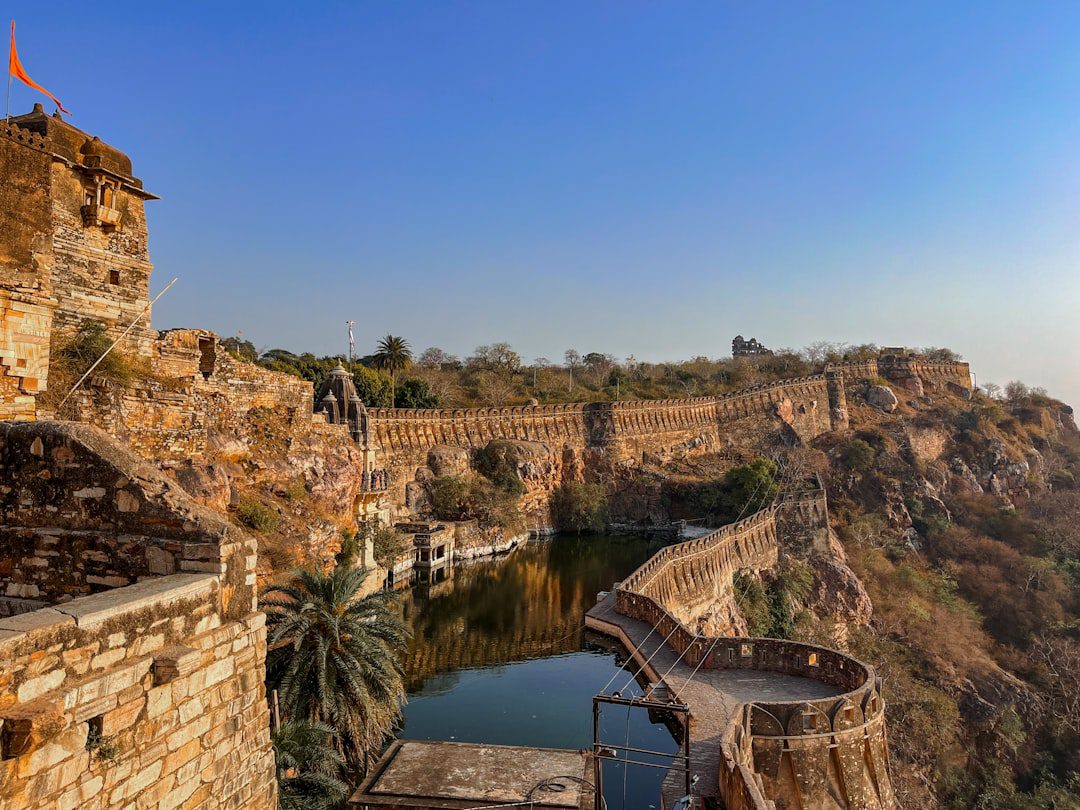
Old Dubai Al Fahidi Guide is your complete resource for exploring Al Fahidi Historical District and the iconic Dubai Museum. Additionally, this historic quarter preserves 19th-century Emirati architecture with wind-tower houses and narrow alleyways. Furthermore, over 2.4 million visitors explore this district annually, making it the most visited cultural site in the UAE. Travellers seek this area for its authentic glimpse into Dubai’s pre-oil era.
- Location: Al Fahidi, Bur Dubai, near Dubai Creek
- Best Time to Visit: November to March, early morning (7-9am)
- Duration: 2-3 hours for the full district and museum
- Highlights: Dubai Museum, wind-tower architecture, souks, abra crossing
- Ideal For: History buffs, cultural travellers, photographers, families

Dubai’s glittering skyline tells only half the story. The real soul of the emirate lies along the creekside alleys of Al Fahidi, where sand-coloured wind towers pierce the sky and the scent of oud and cardamom drifts through open doorways. However, many visitors rush through this district in under an hour, missing the cultural layers hidden in its courtyard houses and the museum’s subterranean galleries. Additionally, the neighbourhood connects seamlessly with Dubai’s oldest souks and the famous abra ferry across Dubai Creek.
Travellers who book with TripHabibi often tell us the same thing: a guided walk through Old Dubai transforms their entire understanding of the city. For this reason, our local experts designed a walking itinerary that weaves together the museum, the historic quarter, the spice and gold souks, and the abra crossing. At TripHabibi, our team of Dubai-based travel experts has helped over 10,000 travellers experience the UAE authentically. For this reason, we offer private, customised tours — not crowded group experiences. Contact our local experts or message us on WhatsApp for a personalised itinerary.
Ready to Experience Old Dubai with a Private Guide?
Skip the crowds. Private tours, flexible timing, expert local guides.
Browse Private Tours →Popular Tours & Activities

.jpg)
Understanding the Old Dubai Al Fahidi Guide
What Makes This District Unique in the UAE?
Al Fahidi Historical District is the only surviving example of traditional Arabic wind-tower architecture in Dubai. However, built between 1890 and 1920, these courtyard houses used a natural ventilation system long before air conditioning existed. The district contains 54 restored houses, most now housing art galleries, cultural centres and the famous Dubai Museum. Additionally, it sits directly beside the Dubai Creek — the city’s original economic artery. The Dubai Museum, housed inside Al Fahidi Fort (built 1787), is the oldest building in the city.
How Does It Compare to Other Heritage Attractions?
Compared to purpose-built heritage villages elsewhere in the UAE, Al Fahidi feels lived-in and authentic. Unlike the reconstructed Heritage Village at Dubai Creek, Al Fahidi’s structures are original and continuously occupied since construction. However, the nearby Sheikh Mohammed Centre for Cultural Understanding offers a different approach — guided breakfasts and conversations inside a restored Al Fahidi house. For this reason, we recommend visiting both for a complete cultural picture. The district also connects visually with the Gold Souk dome and the towering minarets of the Grand Mosque.
Why Choose This Experience
Who Is This Experience Best For?
This walking itinerary suits independent travellers who want depth over speed. It works particularly well for photographers capturing architectural details, families with school-aged children, and cultural tourists who prefer understanding over Instagram moments. However, visitors with mobility concerns should note the uneven stone paths and lack of elevator access to museum galleries. Furthermore, the experience appeals to layover passengers — a 4-hour stop at Dubai International Airport (DXB) gives enough time for a focused visit.
Top Reasons to Book
Here are five reasons our local guides recommend this walking route over any other historical tour:
- You step inside a fully preserved wind-tower house — not just view it from outside.
- Meanwhile, the Dubai Museum contains life-sized dioramas showing pre-oil life, pearl diving and desert traditions.
- An abra crossing connects you directly to the Gold Souk in under 5 minutes.
- Private guides explain architectural details and social history that signs and audio guides miss.
- The district stays uncrowded before 9am, offering rare quiet moments in one of Dubai’s most visited spots.
Old Dubai Al Fahidi Guide: The Walking Experience
What to Expect During Your Visit
A typical guided walk through the Old Dubai Al Fahidi Guide route begins at the Al Fahidi Fort entrance. In fact, you spend approximately 45 minutes inside the Dubai Museum, descending into its underground galleries that simulate desert landscapes, pearl-diving boats and traditional souks. Then, you emerge into the narrow alleyways of the district itself, passing the Coffee Museum, the Coin Museum and the XVA Art Hotel. In particular, the courtyard of the Sheikh Mohammed Centre for Cultural Understanding offers the best photo of a complete wind-tower silhouette against the blue sky.
Insider Details Most Guides Skip
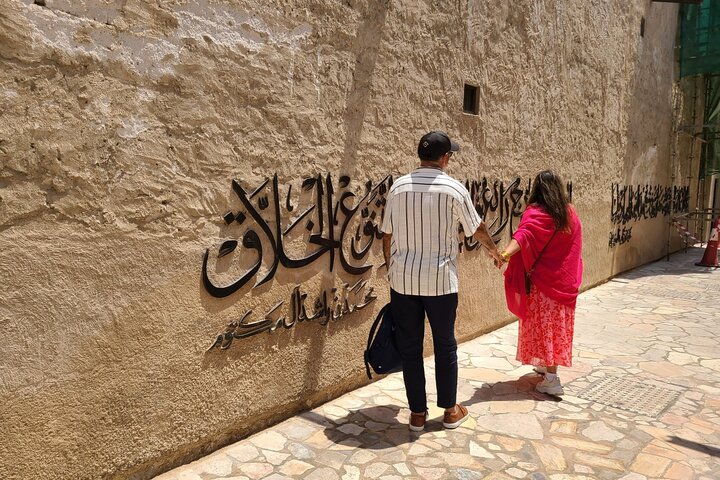
Most visitors miss the subtle features that make Al Fahidi special — the hand-carved teak doors with Arabic calligraphy, the gypsum ventilation screens that filter desert light, and the single-room width of alleys designed to maximise shade. Notably, people who book private tours with TripHabibi hear stories about the fort’s original use as a royal residence and prison, and how the museum’s diorama of a traditional wedding includes over 80 hand-stitched dolls wearing accurate regional costumes. The entire walking route, including the abra crossing and a brief souk visit, takes approximately 2 hours and 30 minutes.
Details, Features & Options
Comparing Your Visit Options
You May Also Like


What Is and Is Not Included
However, food and purchases from the souks are not part of the itinerary, though guides can recommend specific stalls for Arabic coffee and dates. Furthermore, private tours allow you to linger at any location that catches your interest — a flexibility group tours cannot offer. For this reason, our guides encourage asking questions about anything you see inside the museum or along the alleyways.
Questions? Our Local Experts Are Standing By
Get instant answers from our Dubai-based team — free, no obligation.
💬 Chat on WhatsApp →Planning Your Visit
When Is the Best Time to Visit?
The optimal months for exploring the Old Dubai Al Fahidi Guide route are November through March, when daytime temperatures range between 20°C and 28°C. Summer visits (May to September) push temperatures above 40°C, making the museum’s underground galleries a welcome retreat. However, even in cooler months, the alleyways fill with tour groups by 10am. For this reason, our guides recommend arriving at Al Fahidi Fort by 7:30am, when the district is quiet and the light casts long, photogenic shadows across the sandstone walls.
Practical Tips Before You Go
Wear comfortable walking shoes — the path between Al Fahidi and the abra station covers approximately 1.5 kilometres of uneven stone. Bring a refillable water bottle; public drinking fountains are available near the museum entrance and at the abra station. Moreover, photography is allowed freely in the museum and district, though flash is prohibited inside the diorama halls. According to Visit Dubai, the emirate welcomed over 17 million tourists in 2024, with roughly 15% visiting Al Fahidi. Consequently, early arrival is the single most effective strategy for a peaceful experience.
Old Dubai Al Fahidi Guide: Cultural Significance
What Does This Reveal About UAE Culture?
The Old Dubai Al Fahidi Guide reveals three core Emirati values: hospitality, community and adaptation to environment. Specifically, the wind-tower houses were designed not just for cooling but for social connection — interior courtyards hosted extended family gatherings, and elevated sitting rooms (majlis) allowed neighbours to wave across the alleyway. Moreover, the museum’s pearl-diving exhibit shows how Emiratis sustained themselves for centuries before oil, using only wooden dhows and breath-hold techniques passed down through generations.
Historical Context Every Visitor Should Know
Al Fahidi Fort was built in 1787 by Sheikh Maktoum bin Butti bin Sohail, founder of the Al Maktoum dynasty that rules Dubai today. It served as the ruler’s residence, an arsenal and later a prison before becoming the Dubai Museum in 1971. In fact, the fort’s location — directly beside the creek — was strategic: it controlled trade routes from the Arabian Gulf into the interior. Furthermore, the museum’s most evocative section, the “Street of Stories,” reconstructs a 1950s Dubai market with sound and scent effects that transport visitors back in time.
Common Visitor Mistakes
What Most Tourists Get Wrong
Our local guides notice six recurring mistakes among visitors to Al Fahidi:
- Skipping the museum’s underground floor, where the best dioramas are located. >li>Visiting between 11am and 2pm, when crowds peak and sunlight creates harsh shadows.
- Assuming the district ends at the museum — in reality, it connects to the Textile Souk and Spice Souk via alleyways.
- Not carrying enough water, especially between March and October.
- Missing the abra crossing because they don’t see the station behind the souk stalls.
- Rushing through in under an hour without reading the museum’s English information panels.
How to Avoid These Errors
Most of these mistakes are avoided by advance planning and a local perspective. For instance, our guides always enter the museum first, before the tour groups arrive, then explore the district outward toward the creek. Furthermore, they pause at the abra station — a small wooden dock — so guests see it clearly before exploring the souks. TripHabibi’s private tours include pre-visit guidance on weather, dress code and optimal timing, ensuring you experience the quiet morning version of Al Fahidi rather than the crowded midday one.
Visit the museum’s upper galleries first, then descend. Moreover, most tour groups go straight down, leaving the upper floors empty. This sequence guarantees you see the calligraphy collection and the weaponry exhibit without crowds — and you emerge into the underground space when the groups have moved on to the souk.
Expert Recommendations
How to Get the Most from Your Visit
To extract maximum value from the Old Dubai Al Fahidi Guide experience, combine the walking route with a scheduled abra crossing between 8am and 9am. At this hour, the creek reflects the wind-tower skyline without the glare of full midday sun. Additionally, our guides recommend listening to at least one cultural talk at the Sheikh Mohammed Centre for Cultural Understanding — these 45-minute sessions include Arabic coffee, dates and a frank discussion about Emirati life. Moreover, travellers who book private tours receive personalised recommendations based on their specific interests, whether architecture, food or textiles.
What to Combine It With
Al Fahidi sits within walking distance of several other essential Dubai attractions. That said, a 10-minute walk east brings you to the Dubai Creek dhow boarding point, where evening dinner cruises depart. Furthermore, the Dubai city tours we offer combine Al Fahidi with the Grand Mosque, the Spice Souk and a textile-shopping stop. For visitors with a full day, a day trip from Dubai can include Al Fahidi in the morning, followed by the Dubai Frame and ending at La Mer beach. This combination creates a complete cultural and coastal Dubai experience in a single day.
How long does the Old Dubai Al Fahidi Guide route take?
The complete walking itinerary takes approximately 2 to 3 hours. However, this includes the museum visit, the district alleyways, the abra crossing and a brief stop at the souks. Additionally, our team can tailor the experience to your schedule.
What should I wear for this walking tour?
Comfortable walking shoes and light, modest clothing are essential. The museum requires shoulders and knees to be covered. However, our guide will remind you in advance if you book.
Is the walking tour suitable for families with young children?
Yes, children aged 5 and above enjoy the museum’s life-sized dioramas, especially the pearl-diving boat and the camel exhibit. Furthermore, TripHabibi offers private family tours with flexible pacing.
What is the best time of year to visit Al Fahidi?
November to March offers daytime temperatures between 20°C and 28°C. In particular, morning visits before 9am avoid the largest tour groups.
Do I need to book the museum or walking tour in advance?
Self-guided walk-in visits are possible, but group tours sell out quickly during peak winter months. Therefore, TripHabibi recommends booking at least 48 hours ahead for private tours.
Can I combine Al Fahidi with other Dubai attractions?
Absolutely. The district connects to the Gold Souk and Spice Souk via a 5-minute abra ride. Additionally, TripHabibi designs full-day private itineraries combining multiple stops.
Final Thoughts on Old Dubai Al Fahidi Guide
Ultimately, the Old Dubai Al Fahidi Guide route offers the most authentic window into Dubai’s pre-oil heritage available anywhere in the city. In particular, the wind-tower architecture, the museum’s subterranean stories and the abra ride across the creek combine into a cultural narrative that skyscrapers cannot match. Furthermore, experiencing this district with a local guide transforms a simple walk into a layered journey through trade, architecture and Emirati identity that changes how you see the entire emirate.
TripHabibi’s Dubai-based team offers private, expert-guided tours with flexible timing and 24/7 support. Additionally, book your experience today or chat with us on WhatsApp — we reply within minutes.
Related Tours
Ready to Explore Dubai? Let’s Make It Happen! 🌆
💬 Chat with Our Tour Experts on WhatsAppRelated Posts