This side-by-side comparison delves into the Ramadan atmosphere, iftar quality, cultural depth, nightlife alternatives, and tourist experiences in both emirates. Furthermore, we provide essential insights to help you plan a respectful and unforgettable journey. At TripHabibi, your trusted travel companion, we provide comprehensive destination guides and authentic travel experiences across the UAE. Our platform helps thousands of travelers discover the best of Dubai and Abu Dhabi. Contact us or reach us on WhatsApp for personalized recommendations.
Ready to Explore Dubai?
Understanding Ramadan Dubai vs Abu Dhabi
The fundamental difference lies in pace and ambiance. Ramadan in Dubai is fast-paced and glittering, mirroring the city’s global character. The spiritual essence coexists with a dynamic social calendar. Major hotels and malls host lavish events, creating a festive yet reverent buzz. In contrast, Ramadan in Abu Dhabi feels more measured and family-oriented. The capital emphasizes tradition, with a stronger focus on community gatherings and religious observance. Consequently, the atmosphere is noticeably calmer and more reflective.
Both cities enforce respect for fasting hours in public. However, the practical experience for tourists differs. Dubai provides more licensed venues for daytime dining in designated areas. Abu Dhabi maintains stricter adherence, offering a more authentic glimpse into local observance. Therefore, your choice hinges on whether you prefer a blend of modernity and tradition or a deeper dive into Emirati cultural norms. For a seamless experience in either city, consider a guided Dubai city tour or an Abu Dhabi city tour.
Comparing the Spiritual Atmosphere
Dubai’s spiritual atmosphere is grand and highly visible. Iconic mosques like the Jumeirah Mosque host special tours, while Ramadan tents become social hubs after sunset. The city’s multicultural fabric means you’ll witness Iftar traditions from across the Islamic world. Moreover, landmarks like the Burj Khalifa often feature special Ramadan light displays. The vibe is one of inclusive celebration, where the global community shares in the holy month’s blessings.
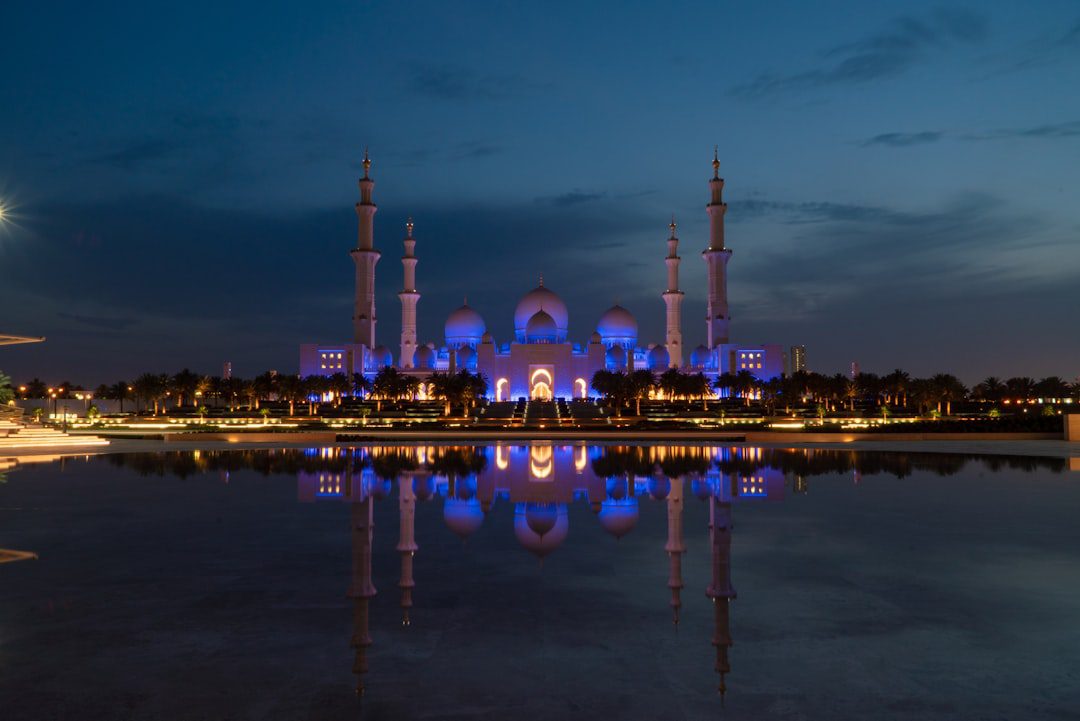
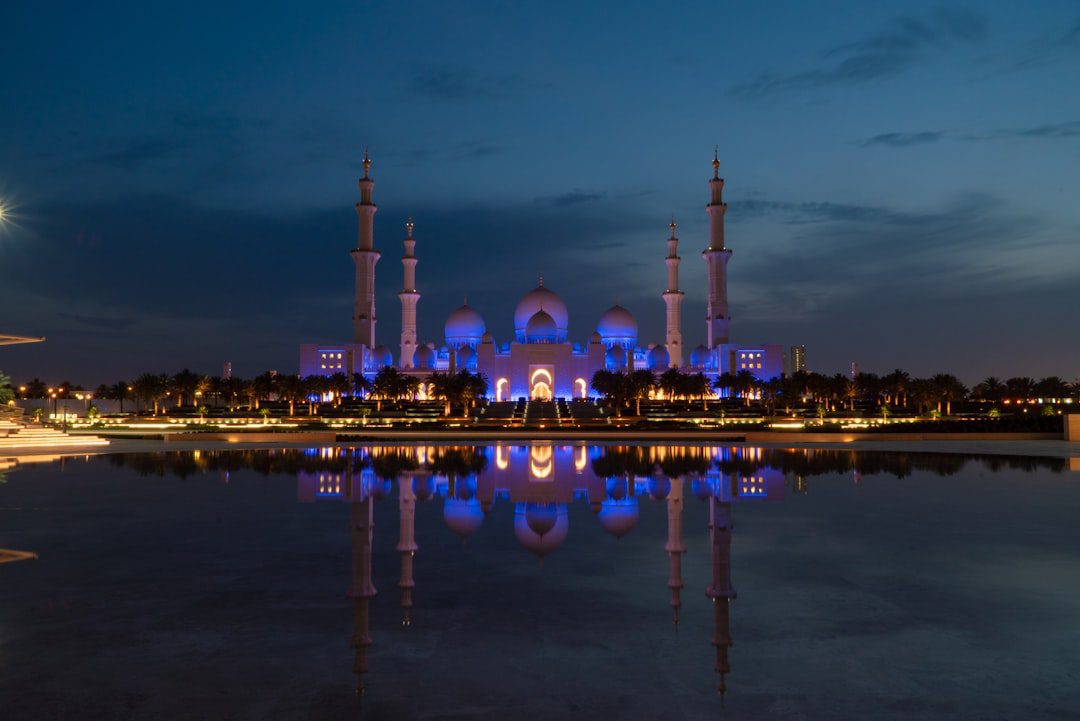
Abu Dhabi’s spiritual core is anchored by the magnificent Sheikh Zayed Grand Mosque. During Ramadan, its significance amplifies with special night prayers (Taraweeh) that draw thousands. The atmosphere across the city is palpably serene, with less commercial interruption. Community iftars are widespread, emphasizing local Emirati hospitality. Thus, Abu Dhabi offers a more concentrated and traditional spiritual journey, deeply connected to the nation’s heritage.
Iftar Quality and Dining Experiences
Iftar in Dubai is a world-class culinary adventure. Five-star hotels compete with extravagant buffets featuring international and Middle Eastern cuisine. From the opulent spreads at palace hotels to trendy pop-ups in DIFC, choice is limitless. Additionally, many restaurants offer special set menus. For a unique experience, combine an iftar with a Dubai desert safari tour that includes a traditional Bedouin-style meal under the stars.
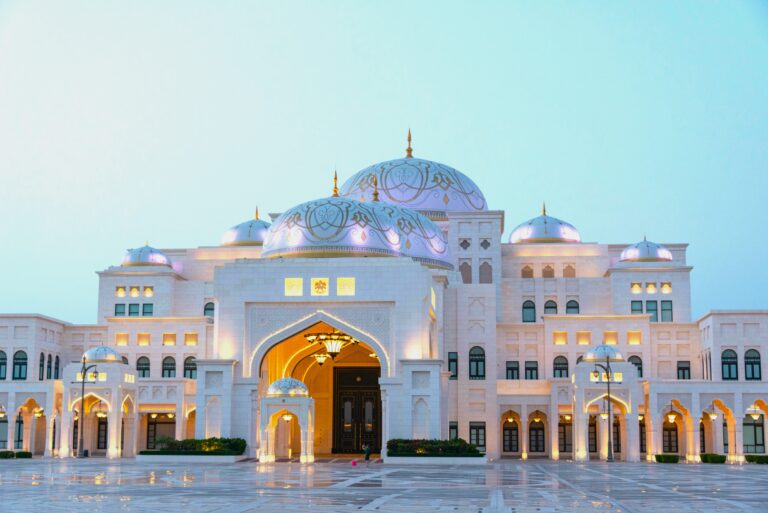
Abu Dhabi matches Dubai in luxury iftars but often adds a layer of cultural authenticity. Hotels like Emirates Palace provide legendary feasts. However, the capital also excels in community and charitable iftars, offering a genuine taste of local generosity. For a regal experience, explore iftar options near cultural landmarks like the Qasr Al Watan palace. The focus here leans slightly more towards traditional Arabic flavors and shared communal dining.
Cultural Depth and Heritage Engagement
Ramadan Dubai vs Abu Dhabi reveals distinct cultural approaches. Dubai promotes heritage through organized events at places like Al Shindagha Museum and Sheikh Mohammed Centre for Cultural Understanding. These offer excellent insights into Emirati customs, such as Gahwa (coffee) rituals and traditional dress. The city effectively packages cultural education for an international audience, making it highly accessible.
Abu Dhabi’s cultural offerings are deeply institutional and immersive. Visiting the Louvre Abu Dhabi during Ramadan offers a unique perspective on Islamic art. Heritage Village often hosts special Ramadan events showcasing ancient crafts and cooking methods. The cultural depth here feels woven into the city’s fabric rather than presented as an event. For a broader exploration, consider things to do in Al Ain, the UAE’s heritage heartland.
Need Travel Advice?
Nightlife Alternatives and Evening Activities
Post-Iftar, Dubai shines with “nightlife” alternatives that respect the holy month. Traditional Souks like Gold and Spice Souk stay open late, offering a vibrant shopping experience. Shisha lounges and cultural cafés buzz with activity. Furthermore, attractions like the Dubai Frame have extended hours. For family fun, you can explore Dubai theme parks in the cooler evenings.
Abu Dhabi’s evenings are more subdued but equally engaging. The Corniche becomes a focal point for family strolls and community gatherings. Cultural performances, poetry readings (Mijlis), and board game cafes are popular. Malls host family-centric entertainment, and late-night shopping is common. The pace is relaxed, emphasizing social connection over high-energy entertainment. Meanwhile, a serene abra ride along the mangroves offers a perfect reflective end to the day.
Tourist Experience and Practicalities
For tourists, Dubai offers greater flexibility. More restaurants are open for daytime dining in hotels and designated areas. Tourist attractions generally operate with slightly reduced hours. Public transportation runs on a revised schedule. The city is well-equipped to guide visitors through Ramadan etiquette. Planning is easier with resources from the Dubai tourism official website.
Abu Dhabi requires more planning from tourists. Daytime dining options are more limited, emphasizing the importance of booking hotel packages. Attraction hours may see greater reductions. However, this encourages a slower, more respectful travel pace. The reward is a less crowded and more authentic interaction with local culture. Always check the latest travel requirements before your trip.
Common Ramadan Travel Mistakes
A common mistake is disregarding dress codes and public behavior. In both cities, modest dress is essential, especially when visiting mosques. Eating, drinking, or smoking in public during fasting hours is illegal and deeply disrespectful. Furthermore, assuming all services operate normally is a error. Always check opening hours for attractions, clinics, and government services, as they change significantly.
Another mistake is not booking Iftar and Suhoor meals in advance. Popular venues sell out quickly. Also, failing to account for traffic patterns is problematic. Roads become extremely busy just before Iftar and late at night. Planning your movements around these times is crucial for a stress-free experience. For smooth transit, consider a pre-arranged Dubai layover tour or Abu Dhabi layover tour.
Expert Destination Recommendations for 2026
For first-time visitors or those seeking a blend of tradition and modern convenience, Dubai is often the ideal choice. It provides a softer introduction to Ramadan with ample amenities. The city is perfect for travelers who want to observe the holy month while retaining a wide array of dining and evening options. Its dynamic energy continues, albeit in a modified rhythm.
Choose Abu Dhabi if you seek a deeper, more tranquil cultural immersion. It’s perfect for return visitors to the UAE or those specifically interested in Islamic traditions and Emirati heritage. The capital offers a powerful sense of place and community during Ramadan. For a comprehensive trip, you can easily book Abu Dhabi day trips from Dubai to experience both atmospheres.
Frequently Asked Questions About Ramadan Dubai vs Abu Dhabi
How does Ramadan Dubai vs Abu Dhabi differ for tourists?
Dubai offers more daytime dining options and vibrant evening atmospheres. Abu Dhabi provides a more traditional, serene experience with stricter public observance. Tourists in Dubai have more flexibility, while Abu Dhabi offers deeper cultural immersion. Contact us for tailored advice.
Are tourist attractions open during Ramadan?
Yes, most major attractions remain open. However, operating hours are typically reduced, often opening later and closing earlier. It’s essential to check the specific schedule for each venue you plan to visit in advance.
Can I drink water in public during the day?
No, consuming any food or drink in public spaces during fasting hours is prohibited by law and considered disrespectful. You must do so in designated screened areas within malls, hotels, or private spaces.
What should I wear during Ramadan?
Modest clothing is crucial for both men and women. Shoulders and knees should be covered in public areas. This is especially important when visiting mosques or traditional neighborhoods out of respect for the holy month.
Is it a good time to visit for shopping?
Yes, Ramadan is excellent for shopping. Malls extend hours late into the night and offer significant sales, especially as Eid al-Fitr approaches. The evening atmosphere in souks and shopping districts is particularly lively.
How do I greet people during Ramadan?
The traditional greeting is “Ramadan Kareem” (Generous Ramadan) or “Ramadan Mubarak” (Blessed Ramadan). Using these phrases is a wonderful way to show respect and connect with locals during this special time.
Final Thoughts on Ramadan Dubai vs Abu Dhabi
Furthermore, Ramadan Dubai vs Abu Dhabi offers two distinct, enriching pathways to experience the UAE’s spiritual and cultural heart. Moreover, Dubai provides a dynamic, accessible introduction with global flair. Therefore, Abu Dhabi delivers a profound, traditional journey steeped in local heritage. Your perfect 2026 destination depends on your desired balance between modern convenience and authentic immersion.
TripHabibi provides expert guides, local knowledge, and 24/7 support. Additionally, contact our experts today to plan your perfect Ramadan journey. Meanwhile, chat with us on WhatsApp for instant support and personalized itinerary suggestions for this unforgettable holy month experience…
Related Posts