At TripHabibi, your trusted travel companion, we provide comprehensive destination guides and authentic travel experiences across the UAE. Our platform helps thousands of travelers discover the best of Dubai and Abu Dhabi. Contact us or reach us on WhatsApp for personalized recommendations.
Ready to Explore Dubai?
Understanding Ramadan in Dubai
Ramadan is the ninth month of the Islamic lunar calendar, observed by Muslims worldwide as a period of fasting, prayer, reflection, and community. In Dubai, this holy month profoundly influences daily life. From dawn until sunset, practicing Muslims abstain from food, drink, and smoking. The city adopts a more subdued daytime pace. However, evenings burst into life with spiritual and social activities. Therefore, visitors witness a beautiful duality of solemn devotion and joyful celebration.
Furthermore, the exact dates of Ramadan shift approximately 10-12 days earlier each year. This variation depends on the moon sighting. The UAE government officially announces the start date. Typically, the month lasts 29 or 30 days. It culminates in the festive celebration of Eid al-Fitr. Understanding this basic framework is the first step to planning a respectful and enjoyable visit during Ramadan in Dubai.
Why Choose This Cultural Period
Visiting during Ramadan offers unparalleled cultural immersion. You experience the emirate’s authentic spiritual heart. The pace of life slows during daylight hours, providing a respite from the usual bustle. Evenings, conversely, are filled with generosity and festivity. Specifically, you can partake in legendary iftar feasts and explore vibrant night markets. Additionally, many hotels and venues offer special Ramadan-themed entertainment and promotions.
Moreover, this period highlights Emirati traditions and Islamic hospitality, known as “Al Dhiafa.” The sense of community is palpable. You will encounter acts of charity and shared meals. It is a time for non-Muslim visitors to learn and show respect. Consequently, your trip gains deeper meaning beyond typical sightseeing like the visit Burj Khalifa or a Dubai desert safari tour.
Ramadan in Dubai Experience
The core Ramadan in Dubai experience revolves around iftar and suhoor. Iftar is the meal to break the fast at sunset, often beginning with dates and water. Many hotels and restaurants set up magnificent tents offering lavish buffets. These feature both traditional Arabic dishes and international cuisine. Suhoor is the pre-dawn meal before fasting resumes. Similarly, many venues host late-night suhoor gatherings with live music and sheesha.
Additionally, special night markets like Ramadan Night Market and Dubai Ramadan Festival pop up across the city. These markets sell everything from clothing and crafts to festive foods. Furthermore, cultural shows, traditional storytelling (Hakawati), and religious lectures are common. For a different perspective, consider an Abu Dhabi day trip from Dubai to see celebrations at the Sheikh Zayed Grand Mosque.
Essential Cultural Etiquette Details
Respecting local customs is paramount during the holy month. Firstly, dress modestly in public areas at all times. This means clothing that covers shoulders and knees for everyone. Secondly, avoid eating, drinking, or chewing gum in public during fasting hours. Designated screened areas are available in malls and some workplaces. Similarly, refrain from smoking in public during the day.
Moreover, public displays of affection should be minimized. Use respectful greetings like “Ramadan Kareem.” Be mindful of louder music or boisterous behavior. Furthermore, always accept offers of dates or coffee during iftar; it is a gesture of goodwill. Understanding these etiquette rules ensures you contribute positively to the solemn atmosphere. For more general tips, explore our guide on things to do in Abu Dhabi which shares similar cultural norms.
Need Travel Advice?
Practical Planning and Tips
Business hours undergo significant changes. Government offices typically operate from 9 AM to 2 PM. Shopping malls open later in the morning and stay open very late, often until midnight or 1 AM. Restaurants serving food during daylight hours will have screened or closed dining areas. Meanwhile, supermarkets remain open. Always check specific timings in advance.
Traffic patterns also shift. Roads are busy just before sunset as people rush home for iftar. They become busy again later in the evening for social activities. Plan your travel accordingly. Additionally, while tourist attractions like the Museum of the Future remain open, their hours may be adjusted. For seamless planning, consider a Dubai city tour with a knowledgeable guide who understands the Ramadan schedule.
Ramadan in Dubai Cultural Significance
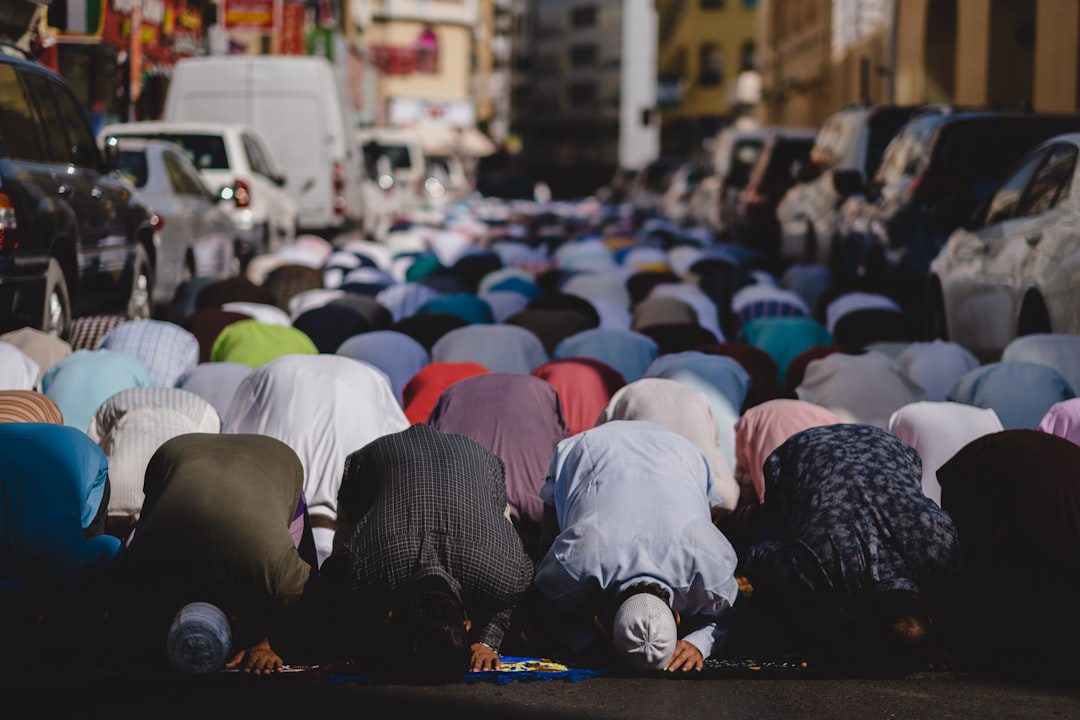
The cultural significance of Ramadan in Dubai extends beyond fasting. It is a time for spiritual cleansing, increased charity (Zakat), and strengthening family bonds. The community gathers for Taraweeh prayers at mosques each night. The holy night of Laylat al-Qadr, believed to be when the Quran was first revealed, is observed in the last ten nights. This period is marked by intense prayer and worship.
Furthermore, the spirit of giving is everywhere. Many hotels and organizations host charitable iftars for laborers. You will see “Iftar Sa’im” boxes for donations to provide meals. This emphasis on gratitude and generosity defines the social fabric of the month. Experiencing this aspect offers a genuine understanding of local values. It contrasts with, yet complements, the modern luxury often associated with the city.
Common Visitor Mistakes
A common mistake is assuming all dining options are unavailable during the day. While many restaurants close their main seating, hotels and some cafes offer service in discreet, screened areas. Additionally, delivery services operate normally. Another error is not booking iftar or suhoor experiences in advance. Popular venues, especially lavish hotel tents, sell out quickly.
Moreover, visitors sometimes underestimate the importance of modest dress, particularly when visiting traditional areas or souks. Wearing revealing clothing can cause offense. Also, speaking loudly or playing music in public during fasting hours is considered disrespectful. Finally, failing to adjust your schedule for altered opening hours can disrupt your plans. Always verify timings for attractions like the Dubai Frame or for day trips from Dubai.
Expert Festival Recommendations
Beyond daily iftars, seek out special Ramadan festivals. The Dubai Ramadan Festival features extensive shopping promotions, entertainment, and heritage activities. The Ramadan Night Market is a major highlight for unique finds and festive atmosphere. Additionally, the “Haq Al Laila” tradition, observed in the middle of Sha’ban (the month before Ramadan), involves children dressing up and collecting sweets from neighbors.
For the grand finale, anticipate Eid al-Fitr. This multi-day festival marks the end of fasting. It begins with special morning prayers. Subsequently, families celebrate with feasts, new clothes, and gift-giving. Fireworks displays and public festivities are common. If your visit spans the end of Ramadan, experiencing Eid celebrations is unforgettable. Check the Dubai tourism official website for precise event schedules during your stay.
Frequently Asked Questions About Ramadan in Dubai
Can non-Muslims visit Dubai during Ramadan?
Absolutely. Visitors are welcome but must observe cultural etiquette like dressing modestly and not eating/drinking in public during fasting hours.
Where can tourists eat during daytime in Ramadan?
Many hotel restaurants operate normally with screened areas. Food courts in malls have designated zones, and room service is always available.
Are tourist attractions open during Ramadan in Dubai?
Yes, most major attractions remain open. However, operating hours are often shortened, so checking specific timings in advance is crucial.
Is alcohol served during Ramadan?
Alcohol service is generally restricted during daylight hours. Licensed hotel bars and restaurants typically serve alcohol only after sunset.
What is the best iftar experience for visitors?
Luxury hotel iftar tents offer a grand experience with vast buffets. For authenticity, seek out community iftars or traditional Emirati feasts.
How does Ramadan affect nightlife?
Nightclubs and loud music venues usually close. Evening entertainment shifts to suhoor gatherings, cultural shows, shisha lounges, and late-night shopping.
Final Thoughts on Ramadan in Dubai
Furthermore, Ramadan in Dubai offers exceptional cultural value. Moreover, it provides authentic insights into local heritage and spirituality. Therefore, proper planning and respectful behavior enhance your experience significantly. Embrace the unique rhythm of the city, from tranquil days to festive nights.
TripHabibi provides expert guides, local knowledge, and 24/7 support. Additionally, contact our experts today to plan your meaningful Ramadan visit. Meanwhile, chat with us on WhatsApp for instant support and personalized recommendations for your UAE journey..
Related Posts