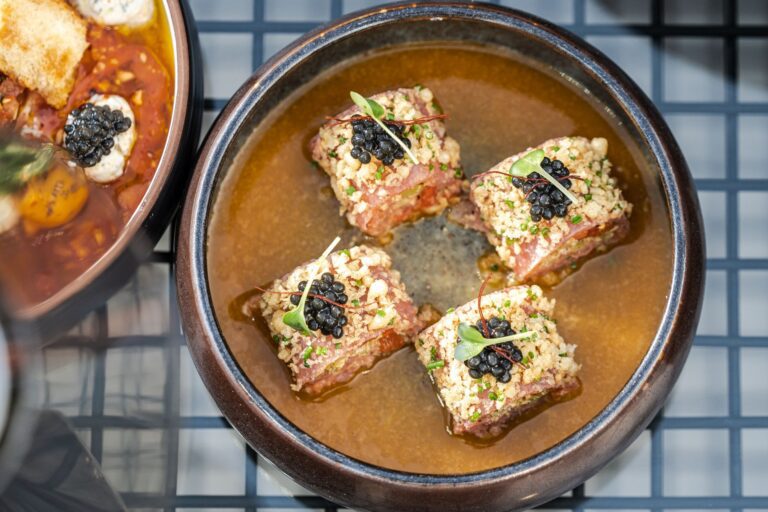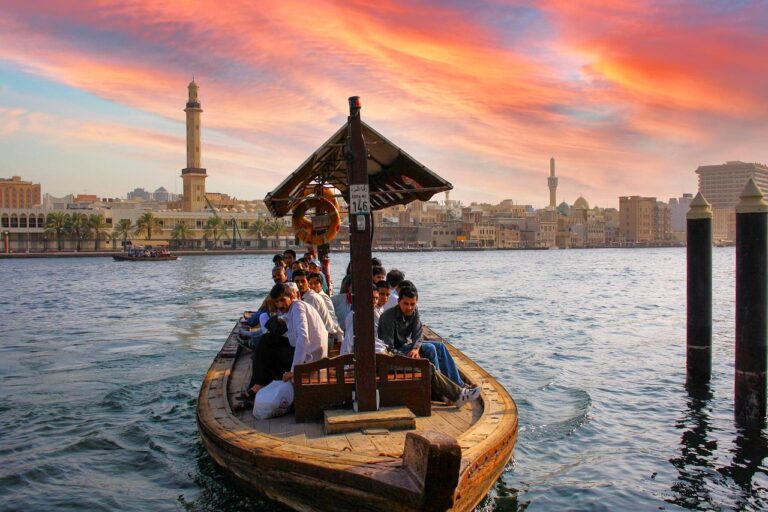
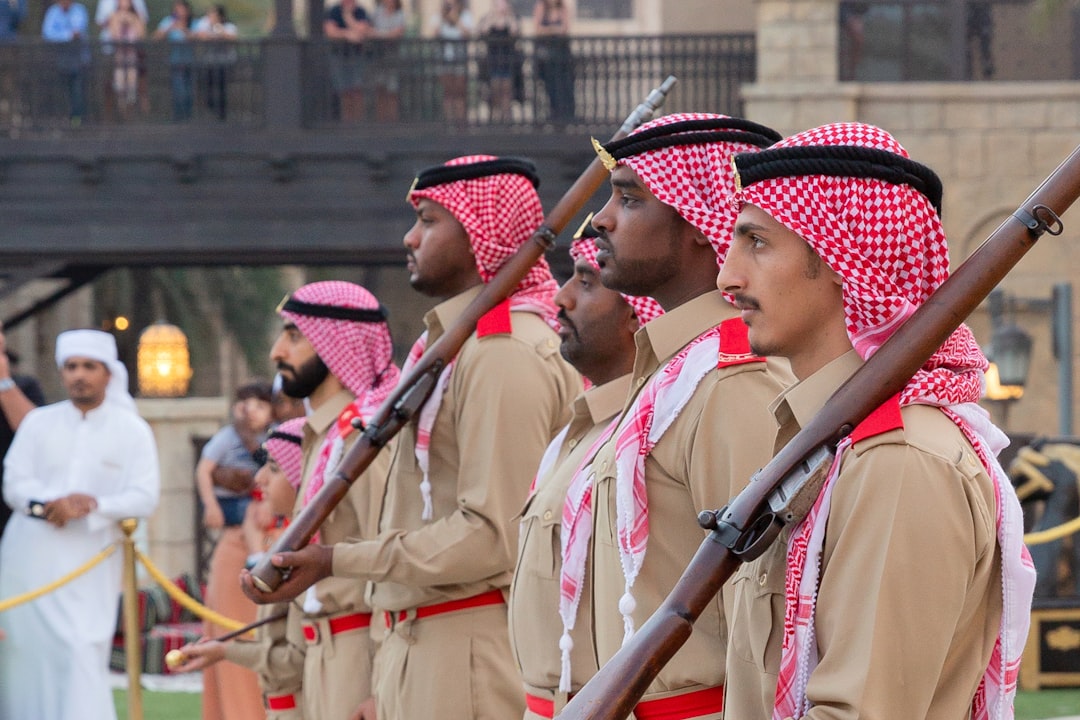
This guide is your essential companion to the most atmospheric Ramadan markets scheduled for 2026. We will navigate the iconic Hai Ramadan at Expo City Dubai, the sophisticated soirées at Jumeirah Emirates Towers, and the authentic heritage souks of Abu Dhabi. Understanding the layout, timing, and specialties of each venue will profoundly enrich your visit. At TripHabibi, your trusted travel companion, we provide comprehensive destination guides and authentic travel experiences across the UAE. Our platform helps thousands of travelers discover the best of Dubai and Abu Dhabi. Contact us or reach us on WhatsApp for personalized recommendations.
Ready to Explore Dubai?
Understanding Ramadan Night Markets UAE
The tradition of night markets during Ramadan is deeply rooted in Islamic and regional culture. Historically, after the day’s fast and the evening Iftar meal, communities would gather for socializing, prayer, and late-night commerce. This practice has evolved into the elaborate, organized bazaars seen today across the UAE. Specifically, these markets serve multiple purposes: they provide a festive, family-friendly environment for post-Iftar activities, support local and regional artisans and food vendors, and preserve cultural heritage through crafts, performances, and culinary traditions. Consequently, visiting these markets offers an immersive experience that goes beyond typical tourism.
In the modern UAE, Ramadan night markets have become major seasonal attractions. They typically operate from after Maghrib prayers until the early hours of the morning. Each market cultivates a distinct atmosphere. For instance, some focus on high-end fashion and gourmet treats, while others emphasize traditional handicrafts and street food. Moreover, they often feature live cultural performances, from Tanoura dancing to Quranic recitations. Understanding this cultural context transforms a simple shopping trip into a meaningful exploration of Emirati and Islamic hospitality. Therefore, approaching your visit with this mindset will significantly enhance your appreciation of the vibrant Ramadan Night Markets UAE scene.
Why Choose These Cultural Bazaars?
Selecting which Ramadan bazaars to visit can be delightful challenge. Each venue offers a unique flavor of the holy month. First, these markets provide an authentic, localized experience often missed in standard mall shopping. You can interact directly with craftsmen, sample homemade delicacies, and observe traditional arts in action. Second, they are designed for all ages, with dedicated children’s areas, comfortable seating for elders, and a generally welcoming, inclusive atmosphere that reflects the spirit of Ramadan. Furthermore, they present a fantastic opportunity for cultural exchange and learning in a relaxed, celebratory setting.
From a practical standpoint, these markets are also excellent for finding unique souvenirs and gifts. Instead of mass-produced items, you can purchase hand-embroidered textiles, hand-painted ceramics, bespoke oud perfumes, and artisanal dates. Additionally, the culinary offerings are unparalleled, featuring everything from Emirati harees and luqaimat to specialties from across the Muslim world. For visitors looking to complement their market experience with other iconic sights, consider a Dubai city tour or a visit to the magnificent Sheikh Zayed Grand Mosque. Each activity adds another layer to your understanding of the region.
Ramadan Night Markets UAE Experience
The core experience of the Ramadan Night Markets UAE is a symphony for the senses. As you enter, the visual spectacle of intricate lanterns, colorful textiles, and illuminated arches sets a magical tone. The air carries a complex bouquet of aromas: smoky grilled meats, sweet rose syrup, rich Arabic coffee, and the earthy scent of spices like cardamom and saffron. Acoustically, the space hums with a blend of chatter, traditional music, and the calls of vendors. This multi-sensory immersion is central to the bazaar’s charm, creating memories that linger long after your visit ends.
Tactile engagement is also key. You are encouraged to feel the quality of a pashmina, try on a kaftan, or examine the craftsmanship of silver jewelry. Many stalls offer interactive experiences, such as customizing a perfume blend or watching a potter shape clay on a wheel. This hands-on approach makes shopping participatory and personal. Meanwhile, the rhythm of the market follows the rhythm of the night, often growing more lively as the evening progresses towards Suhoor. Embracing this full sensory and social journey is what defines the ultimate Ramadan Night Markets UAE experience, distinguishing it from any other shopping or cultural outing.
Market Details & Key Features
For 2026, three premier destinations define the Ramadan bazaar landscape. Firstly, Hai Ramadan at Expo City Dubai is expected to be a flagship event. Building on the legacy of Expo 2020, this market likely transforms the sprawling site into a thematic wonderland. Expect pavilions dedicated to different Islamic cultures, futuristic light installations, and a global food hall showcasing Iftar specialties from dozens of countries. It’s a grand, cosmopolitan interpretation of the traditional souk, perfect for those who appreciate scale and innovation. Secondly, the setting at Jumeirah Emirates Towers offers a more curated, upscale atmosphere.
This market often focuses on luxury brands, designer abayas and kanduras, gourmet food pop-ups, and chic decor. It’s an ideal spot for evening strolls in a sophisticated setting, perhaps after visiting other modern landmarks like the Museum of the Future. Finally, Abu Dhabi’s heritage souks, particularly in the Al Hosn and Qasr Al Hosn area, provide the most authentic experience. Here, the ambiance is deeply traditional, with barasti-style stalls, live falconry displays, henna artists, and oud musicians. It’s a direct link to the emirate’s past, complementing a visit to the presidential palace, Qasr Al Watan. Each market, therefore, caters to different tastes while upholding the communal spirit of Ramadan.
Need Travel Advice?
Essential Planning & Practical Tips
Successful market visits require thoughtful preparation. Firstly, always verify exact dates, opening times, and any entry requirements for 2026, as these details are announced closer to Ramadan. Markets usually open shortly after sunset and remain active until 2 or 3 AM. Secondly, plan your arrival. Going right after Iftar can be very crowded, while later visits (post-Taraweeh prayers) may offer a more relaxed ambiance. Regarding attire, modest dress is respectful and appropriate; light, breathable fabrics are wise due to the warm nights. Comfortable walking shoes are absolutely non-negotiable.
Financially, carry a mix of cash and cards. While many vendors now accept digital payments, smaller stalls and traditional souks often prefer cash, especially for bargaining. Speaking of which, polite haggling is expected and part of the fun in the heritage markets, but less so in the upscale venues. Additionally, consider your transportation. These markets attract huge crowds, so using taxis, ride-shares, or pre-booking a private tour is smarter than driving yourself. Finally, pace yourself. The experience is a marathon, not a sprint. Take breaks, enjoy a karak tea, and soak in the atmosphere.
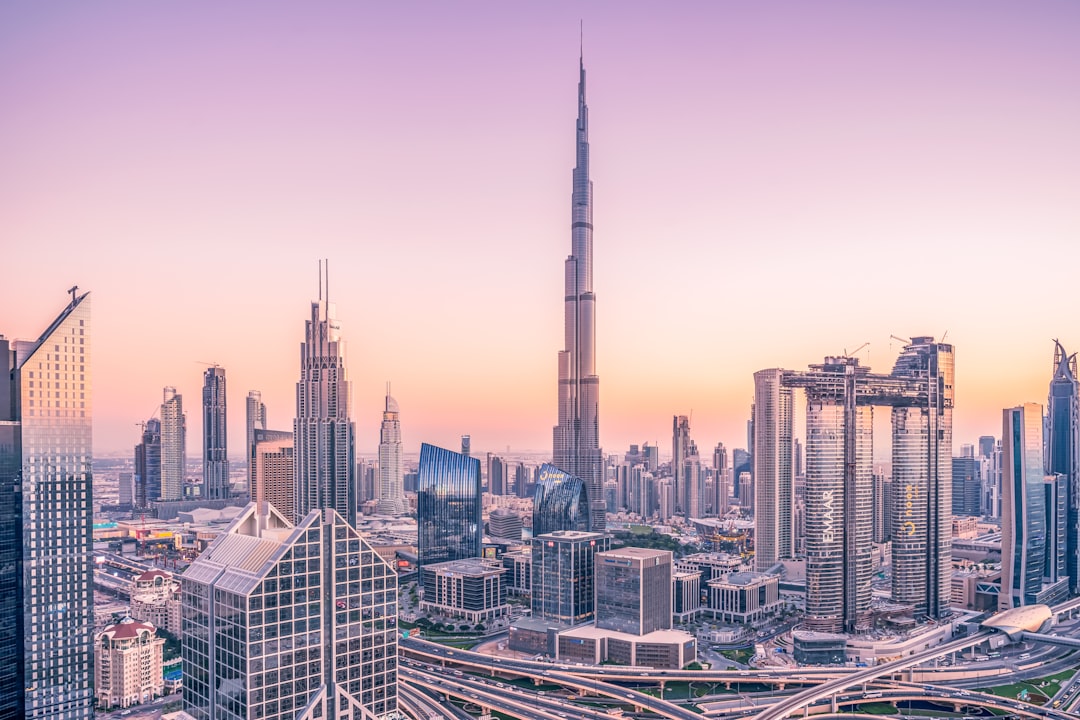
Ramadan Night Markets UAE Cultural Significance
The cultural significance of the Ramadan Night Markets UAE extends far beyond commerce. Fundamentally, they are a manifestation of ‘Ramadan spirit’—emphasizing community, generosity, and shared joy. The act of gathering, sharing food, and celebrating artistry reinforces social bonds. For Emiratis, these markets are a cherished seasonal tradition, a way to pass cultural practices to the younger generation. For expatriates and visitors, they offer a tangible, welcoming entry point into understanding the holy month’s local customs and values. Thus, they function as vital cultural bridges.
Moreover, these bazaars play a crucial role in preserving intangible heritage. Artisans practicing endangered crafts—such as talli weaving, sadu embroidery, or dhow building—find a platform and an audience. Similarly, traditional culinary methods and recipes are kept alive by food vendors. The markets also often host educational workshops and storytelling sessions about Ramadan traditions. This preservation effort ensures that rapid modernization does not erase cultural roots. Consequently, your patronage directly supports these cultural custodians. By participating, you contribute to a living ecosystem that sustains heritage, making the Ramadan Night Markets UAE a key pillar of cultural sustainability in the region.
Common Visitor Mistakes to Avoid
Even enthusiastic visitors can make missteps that detract from their experience. A frequent error is poor timing. Attempting to visit a major market like Hai Ramadan on the first weekend after Ramadan begins guarantees overwhelming crowds. Instead, aim for a weekday for a more manageable visit. Another common mistake is inadequate budgeting. While entry is often free, the real cost lies in the irresistible food, crafts, and gifts. Underestimating this can lead to frustration. Furthermore, visitors sometimes overlook cultural etiquette. While the atmosphere is festive, remember it is a religious month. Loud behavior, immodest dress, or public consumption of food and drink before Iftar is highly disrespectful.
Logistical oversights are also typical. For example, not designating a meeting point in the vast, crowded markets can lead to lost groups. Similarly, failing to check the weather forecast is unwise; while rain is rare, spring winds can occur. Also, don’t make the mistake of only visiting one market. Each offers a distinct vibe, and comparing them is part of the adventure. Finally, a major error is not exploring beyond the markets. The UAE offers profound Ramadan experiences elsewhere, like sharing Iftar at a mosque or taking a serene Abu Dhabi desert safari at night. Diversifying your itinerary creates a richer, more complete understanding of the season.
Expert Recommendations for 2026
Based on trends and past events, our experts offer targeted advice for your 2026 visit. Firstly, prioritize food experiences. Look for stalls offering “Ramadan specials” or unique Suhoor packages. Don’t miss traditional desserts like umm ali and kunafa. Secondly, focus on quality over quantity when shopping. Invest in one beautifully made item—a hand-woven carpet, a silver dagger (khanjar), or a hand-painted coffee pot—rather than numerous trinkets. These become heirlooms. Additionally, engage with the artisans. Ask about their craft, its history, and their techniques. These conversations often yield the most memorable moments and a deeper appreciation for your purchase.
For families, seek out markets with dedicated kids’ zones featuring storytelling, craft corners, and gentle rides. For photography enthusiasts, the golden hour right after sunset provides magical lighting. Remember to always ask permission before photographing people. To enhance your trip, consider pairing your market nights with other seasonal activities. For instance, book a Dubai desert safari tour that includes a special Ramadan-themed dinner under the stars. Alternatively, plan a day trip to Abu Dhabi to contrast its heritage markets with its modern marvels like the Louvre. Ultimately, let curiosity be your guide and embrace the spontaneous moments of connection.
Frequently Asked Questions About Ramadan Night Markets UAE
What are the operating hours for Ramadan Night Markets UAE?
Markets typically open after Maghrib (sunset) prayers and run until 1:00 AM or later, often peaking after Taraweeh prayers. Specific 2026 hours will be announced closer to the date. Contact us for updates.
Is there an entry fee for the bazaars?
General entry is usually free. However, specific workshops, premium dining areas, or special entertainment zones within the markets may require a ticket or fee.
What is the best mode of transport to the markets?
Taxis or ride-sharing apps are highly recommended due to limited parking and high traffic. For Expo City Dubai, consider the Dubai Metro where available.
Are the markets suitable for young children?
Yes, they are very family-friendly. Many feature dedicated children’s areas with activities. However, keep them close in large crowds and visit earlier in the evening.
Can I break my fast (have Iftar) at the markets?
Absolutely. Most markets have extensive food courts and stalls offering Iftar boxes, traditional meals, and snacks. Some even have communal Iftar seating areas.
What payment methods are widely accepted?
Major card networks and mobile payments are accepted at larger stalls. However, carrying cash (UAE Dirhams) is essential for smaller vendors and heritage souk areas.
Final Thoughts on Ramadan Night Markets UAE
Furthermore, the Ramadan Night Markets UAE offer an exceptional cultural immersion that is both festive and profound. Moreover, they provide authentic insights into the heart of Emirati traditions and the communal spirit of the holy month. Therefore, proper planning using this guide will significantly enhance your 2026 experience, allowing you to navigate the crowds, discover hidden gems, and participate meaningfully in the celebrations.
TripHabibi provides expert guides, local knowledge, and 24/7 support for your UAE adventures. Additionally, contact our experts today to tailor a Ramadan itinerary that includes these magnificent bazaars and other unique experiences. Meanwhile, chat with us on WhatsApp for instant support and real-time advice for your journey to the heart of Ramadan in Dubai and Abu Dhabi..
Related Posts