
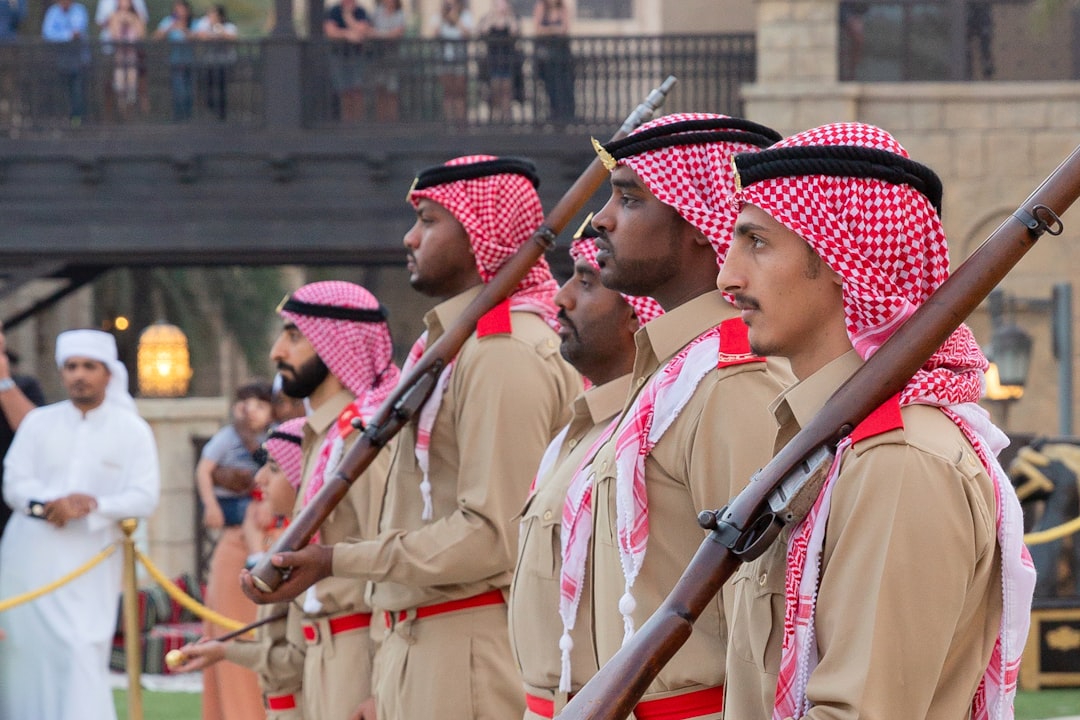
Ramadan timings affect everything from dining to attractions. Office hours shorten significantly during the day. However, evenings burst into vibrant social and spiritual life. Iftar meals become generous community celebrations. Additionally, night markets and special events offer unique shopping. Understanding local customs ensures a respectful visit. Ultimately, this knowledge transforms a simple trip into a meaningful experience.
This guide is part of our comprehensive UAE Cultural Tours guide. For personalized assistance, contact us or reach us on WhatsApp.
What Is a UAE Ramadan Travel Guide
A UAE Ramadan travel guide provides essential visitor information. It covers altered business hours and public behavior norms. Furthermore, it explains the cultural significance of fasting. This resource highlights special seasonal events and dining opportunities. It also offers practical sightseeing advice for daylight hours. Ultimately, it helps tourists navigate the month with ease and respect.
Key Features
- Timing Updates: Specifically, it details changed opening hours for malls and attractions. This prevents frustration from unexpected closures.
- Cultural Etiquette: Moreover, it explains rules about eating and drinking in public. This ensures visitors avoid causing offense.
- Event Listings: Additionally, it showcases exclusive Ramadan night markets and charitable iftars. This allows for authentic cultural participation.
This guide matters for a seamless travel experience. It bridges cultural understanding between visitors and residents. Therefore, it leads to more respectful interactions. It also unlocks unique seasonal activities unavailable other months. Finally, it empowers confident exploration of the Emirates’ spiritual side.
Benefits of Visiting During Ramadan
Top Advantages
Traveling now offers distinct cultural rewards.
- Deeper Cultural Insight: Firstly, you witness profound religious traditions firsthand. Participating in iftar offers genuine community connection.
- Unique Seasonal Events: Furthermore, exclusive night markets and Ramadan tents appear. These create unforgettable shopping and dining atmospheres.
- Spirit of Generosity: Moreover, the emphasis on charity and community is palpable. This fosters a warm, welcoming environment for all.
- Vibrant Evenings: Finally, cities transform after sunset with special festivities. The nightlife becomes uniquely family-oriented and spiritual.
This period is perfect for culturally curious travelers. Families seeking meaningful experiences will find it rewarding. Additionally, food enthusiasts can explore lavish iftar buffets. Photographers capture beautifully decorated mosques and streets. However, nightlife seekers must adjust expectations. Explore more with our Dubai city tours collection for daytime adventures.
Ramadan Visitor Experience Guide
Step-by-Step Process
Firstly, research prayer times and plan your day accordingly. Attractions often open later and close for evening prayers. Book daytime tours well in advance due to shorter hours. A UAE Ramadan travel guide provides this crucial scheduling framework.
Subsequently, arrange meals around iftar and suhoor times. Many hotels offer spectacular special buffets. Then, visit shopping centers later in the evening. They stay open until midnight or later during Ramadan.
Finally, attend a community iftar for authentic immersion. Show respect by dressing modestly throughout the month. Afterwards, enjoy the lively night markets and cultural events.
What Makes It Special
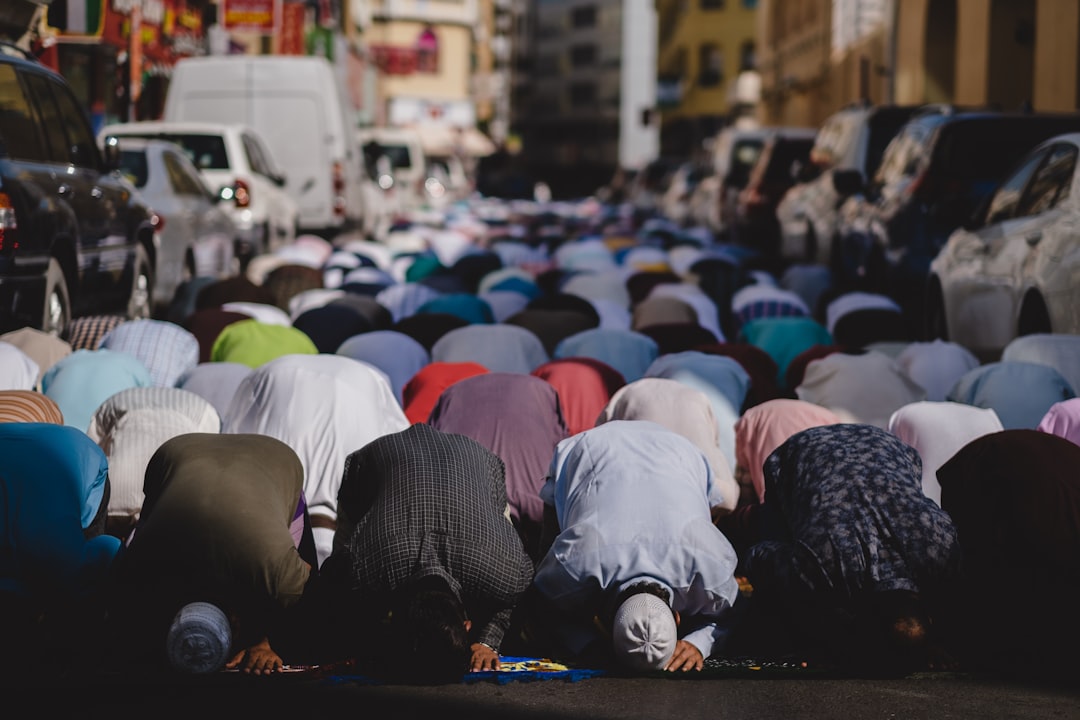
The pace of life shifts beautifully. Days are quieter and more reflective. Evenings, however, erupt with communal energy. The scent of oud and incense fills the air. Additionally, you hear the special Ramadan night prayers. Hospitality reaches its peak during this holy month. Consequently, visitors often feel a unique sense of peace.
Ramadan Travel Options & Itineraries
Option 1: Cultural & Spiritual Focus
This itinerary emphasizes religious sites and traditions. Start with a daytime visit to the Grand Mosque in Abu Dhabi. Furthermore, explore the Sheikh Mohammed Centre in Dubai. Attend a cultural understanding workshop there. Then, book an evening iftar at a heritage house. Finally, experience Taraweeh prayers at a major mosque. This option offers deep spiritual insight and respect.
Option 2: Family-Friendly Evening Focus
Families should prioritize evening activities. Visit Global Village after iftar for its special Ramadan shows. Additionally, explore the Dubai Festival City iftar tents. Many malls host kid-friendly entertainment and storytelling sessions. Then, take an abra ride on Dubai Creek at night. The lights and atmosphere are particularly magical this month.
Option 3: Luxury Iftar & Shopping Experience
Luxury travelers can indulge in five-star iftar spreads. Hotels like the Burj Al Arab host iconic feasts. Moreover, enjoy high-end shopping during extended mall hours. Consider a private night tour of city landmarks. This option pairs comfort with cultural observance perfectly. Consequently, it suits those seeking elegance during their visit.
Ramadan Travel Practical Tips
Before You Go
- Firstly, download a prayer time app for accurate iftar schedules. This helps daily planning immensely.
- Additionally, pack conservative clothing covering shoulders and knees. Modesty is key during Ramadan.
- Furthermore, book hotels and tours well in advance. Availability shrinks during this popular period.
During Your Visit
- Meanwhile, avoid eating, drinking, or chewing gum in public during daylight. Use designated screened restaurant areas.
- Additionally, lower your voice and avoid loud music in public spaces. This shows respect for the reflective atmosphere.
- Lastly, accept dates or water offered at iftar time. It is a beautiful gesture of hospitality.
Insider Advice
Visit supermarkets just before iftar for a unique buzz. However, avoid roads 30 minutes before sunset. Traffic increases as people rush home. Seek out hospital iftars for incredibly generous community spirit. Finally, ask hotel staff about smaller, local mosque events. These often offer the most authentic experiences.
What to Expect During Your Visit
Standard Inclusions
- Shorter daytime operating hours for most attractions and government offices.
- Furthermore, special Ramadan tents offering iftar and suhoor meals across cities.
- Additionally, extended shopping mall hours in the evening, often past midnight.
- Increased security and cultural sensitivity enforcement in public areas.
What to Bring
- A large scarf or shawl for unexpected mosque visits or covering up.
- Moreover, a reusable water bottle to hydrate discreetly in private spaces.
- Patience and flexibility, as schedules are fluid and based on the moon.
Budget for spectacular iftar buffet experiences. Prices range from modest to very luxurious. Booking tours requires more lead time. Therefore, plan and pay for activities online early. Many private tour operators adapt schedules. Consequently, they provide seamless experiences during this holy month.
Common Visitor Questions
Top 3 Mistakes to Avoid
Mistake 1: Public Consumption. Eating in public is illegal and deeply offensive. Always use screened restaurant areas or your hotel room. This is the most critical rule to remember.
Mistake 2: Inappropriate Dress. Wearing revealing clothing attracts negative attention. Dress conservatively in all public spaces. Therefore, pack loose-fitting clothes that cover shoulders and knees.
Mistake 3: Poor Timing. Not checking prayer and iftar times ruins plans. Attractions close for 30-45 minutes at sunset. Consequently, you could be stranded without transport or food.
Plan your day in reverse from iftar time. Furthermore, always carry snacks in your bag for private consumption. Be extra polite in all interactions. Traffic and hunger can make tensions high. Ultimately, a little planning prevents these common errors.
Expert Tips for Ramadan Travel
Visit in the second or third week for the best experience. The initial adjustment period is over. Furthermore, the weather is usually pleasant in early spring. This makes outdoor evening events more enjoyable.
This trip is perfect for culturally immersive travelers. Families with respectful children also benefit greatly. However, first-time visitors unfamiliar with Islamic culture should prepare thoroughly. It demands more sensitivity than a standard vacation.
Book a private guide for the deepest understanding. For instance, TripHabibi experts navigate timing changes seamlessly. They provide context and access to special events. Ultimately, this ensures a respectful and enriching Ramadan visit.
Frequently Asked Questions About UAE Ramadan Travel Guide
What is a UAE Ramadan travel guide and why is it important?
A UAE Ramadan travel guide is a specialized resource for visitors. It explains major changes in public life during the holy month. Furthermore, it details altered business hours and dining rules. This guide is crucial for respectful and smooth travel. Consequently, it helps tourists avoid cultural misunderstandings and legal issues.
Can tourists eat or drink during Ramadan daytime?
Tourists cannot eat, drink, or smoke in public spaces during fasting hours. However, most hotels and malls have screened or designated dining areas. Additionally, you may consume freely inside your hotel room or private villa. Furthermore, many attractions have hidden cafes open for visitors. Always carry water but drink it discreetly in a private space.
What are the best activities to do during the day?
Daytime is perfect for indoor cultural attractions. Visit museums like the Louvre Abu Dhabi or Etihad Museum. Additionally, explore large shopping malls with indoor entertainment. Alternatively, book a daytime desert safari that includes a private lunch. Beaches and pools at hotels operate normally. Finally, consider a sightseeing tour with a private vehicle and guide.
How do I find out exact iftar times each day?
Iftar time changes daily based on sunset. Firstly, check local newspapers or hotel lobby screens. Furthermore, smartphone apps like ‘Muslim Pro’ provide accurate daily times. Additionally, radio and TV stations announce the Maghrib call to prayer. Consequently, this signals the exact moment to break the fast. Plan to be indoors or at your iftar location at this time.
Is it appropriate for non-Muslims to attend an iftar meal?
Yes, attending an iftar is a wonderful cultural experience. Many hotels host public iftar buffets for tourists. Furthermore, cultural organizations often invite visitors to share the meal. However, always accept the invitation respectfully. Dress modestly and arrive on time. Additionally, follow the host’s lead on when to start eating. It is a gesture of great hospitality and welcome.
Are nightclubs and bars open during Ramadan?
Most nightclubs and bars with live music close for the month. However, hotel bars and lounges often operate after sunset. Furthermore, they may have subdued music or no entertainment. Alcohol service typically begins only after iftar time. Additionally, licensing hours may be restricted. The nightlife atmosphere shifts to family-friendly events and souks instead.
What is a ‘Ramadan tent’ and can I visit one?
A Ramadan tent is a large, decorated temporary venue. It serves iftar and suhoor meals in a communal setting. Many are open to the public for a fee. Furthermore, they often feature traditional entertainment like oud players. Tourists are welcome at most commercial hotel tents. Additionally, some cultural tents offer free iftar for all visitors. It’s a quintessential Ramadan experience.
How should I greet people during Ramadan?
The traditional Arabic greeting is “Ramadan Kareem”. This means “Generous Ramadan”. Alternatively, you can say “Ramadan Mubarak” or “Blessed Ramadan”. Furthermore, a simple “Happy Ramadan” is also understood and appreciated. Use these greetings when interacting with residents. Additionally, you may hear the response “Allahu Akram”. This gesture shows cultural awareness and respect for local customs.
Final Thoughts on Ramadan Travel
Traveling during Ramadan requires extra preparation and cultural sensitivity. However, the rewards are immensely rich and unique. You experience the UAE’s profound spiritual and communal heart. Furthermore, you witness incredible generosity and warmth. Evening atmospheres are vibrant and family-oriented. Ultimately, this journey fosters deep respect and understanding.
Ready to experience this? For more information, explore our complete UAE Cultural Tours guide or chat with us on WhatsApp for personalized booking assistance.