
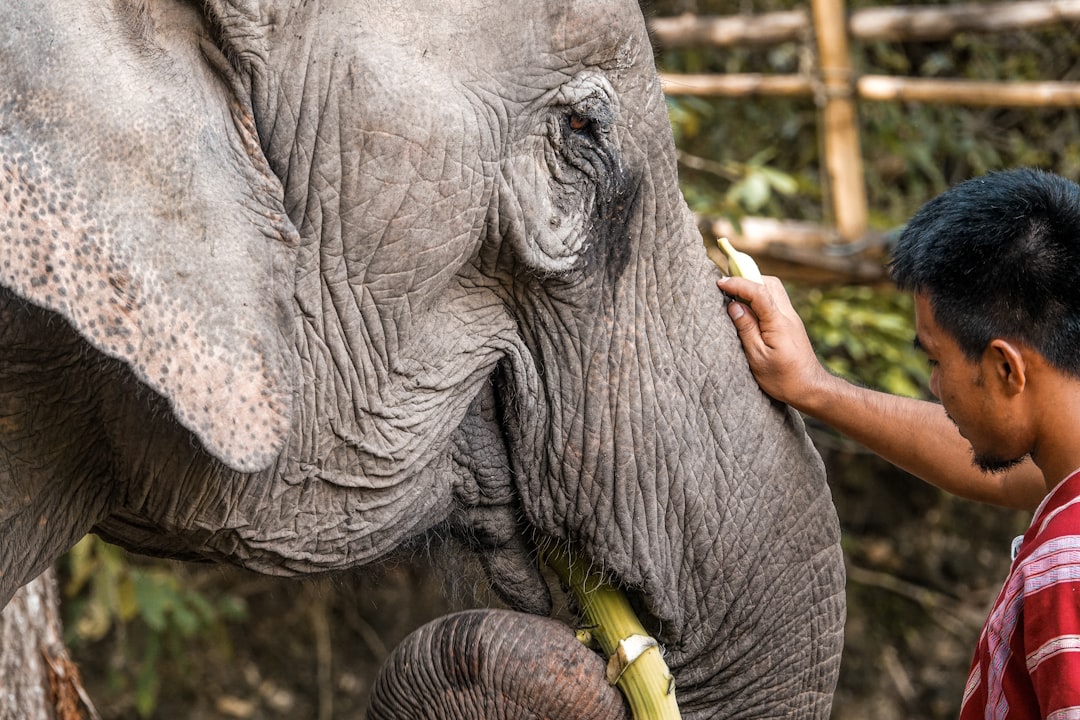
Therefore, the UAE offers unique wildlife experiences, from mountain reserves to coastal sanctuaries. Specifically, ethical guidelines prioritize animal welfare and habitat conservation. Furthermore, responsible operators provide education alongside observation. Meanwhile, your choices directly support local conservation funding. Ultimately, this creates meaningful, sustainable encounters for all. Consequently, you leave with deeper appreciation and positive impact.
This guide is part of our comprehensive Desert Safari & Adventure Guide. For personalized assistance, contact us or reach us on WhatsApp.
What Is UAE Wildlife Ethics
UAE wildlife ethics is a conscious tourism framework. It prioritizes animal welfare above entertainment value. Moreover, it follows strict ecological conservation principles. All activities must protect natural habitats diligently. Additionally, it involves supporting certified rehabilitation centers. It also means respecting safe viewing distances always. Ultimately, it transforms simple sightseeing into conservation support.
Key Features
- Welfare-First Operations: Subsequently, ethical tours avoid forced animal interactions. For example, they never offer lion cub petting or elephant rides.
- Conservation Funding: Importantly, a portion of your fee supports local projects. Specifically, this aids species reintroduction and habitat protection work.
- Educational Focus: Furthermore, guides explain animal behavior and ecosystem roles. Consequently, you gain deeper insight than traditional tours provide.
This approach matters for sustainable tourism growth. Specifically, it protects fragile desert and marine ecosystems. Moreover, it ensures wildlife thrives for future generations. Additionally, it creates more authentic visitor experiences. Finally, it aligns with the UAE’s national conservation vision perfectly.
Benefits of Ethical Wildlife Tourism
Top Advantages
Ethical encounters provide profound benefits for all.
- Authentic Animal Behavior: Firstly, wildlife acts naturally in undisturbed settings. For instance, you might see falcons hunting or turtles nesting authentically.
- Direct Conservation Impact: Furthermore, your participation funds vital scientific research. Specifically, it supports the Arabian leopard breeding program effectively.
- Enhanced Safety: Moreover, regulated distances protect both visitors and animals. Consequently, risks of disease transmission or injury decrease significantly.
- Meaningful Education: Finally, expert guides share fascinating ecological insights. Therefore, you return home with valuable knowledge and stories.
This style benefits eco-conscious travelers and families immensely. Similarly, photographers capture more natural behavioral shots. Meanwhile, students gain real-world environmental science exposure. Additionally, it supports the UAE’s ecological vision directly. Explore more with our Dubai city tours collection. Ultimately, it fosters a culture of respect and preservation globally.
Ethical Wildlife Experience Guide
Step-by-Step Process
Firstly, book with a certified eco-tourism operator. Research their conservation partnerships and accreditations thoroughly. Prepare with neutral-colored, quiet clothing. Subsequently, receive a pre-tour ecological briefing.
Then, travel to protected reserves with expert guides. Maintain quiet observation during all sightings. Use binoculars for close viewing respectfully. Follow all guide instructions without exception. Meanwhile, you may witness natural behaviors rarely seen.
Finally, participate in data recording sometimes. Learn about ongoing species protection efforts. Afterwards, visit a conservation center visitor facility. Conclude by understanding your visit’s tangible impact.
What Makes It Special
The silence of a desert dawn is magical. You hear only natural sounds around you. Furthermore, expert guides decode subtle animal communications. You notice tracks and signs invisible to untrained eyes. Additionally, the focus shifts from taking to learning. Consequently, the experience feels collaborative rather than exploitative. Ultimately, you become part of the conservation story actively.
UAE Ethical Wildlife Options
Option 1: Desert Reserve Safaris
These tours explore protected inland reserves like Al Maha. Typically, they last 3-4 hours during cooler mornings. Furthermore, they include guided 4×4 or walking transects. You might spot Arabian oryx, gazelle, and desert foxes. Moreover, guides discuss ancient Bedouin conservation practices. Prices generally start from AED 350 per person. Finally, these support anti-poaching patrols directly.
Option 2: Coastal & Marine Encounters
Alternatively, coastal options focus on marine ecosystems. Specifically, they include dolphin watching with regulated boats. Additionally, they involve mangrove kayaking with bird spotting. You might also visit turtle rehabilitation centers. Notably, these tours emphasize plastic pollution education. They usually last 2-5 hours depending on activities. Consequently, they suit families and ocean lovers perfectly.
Option 3: Mountain & Wadis Exploration
Meanwhile, mountain tours target rugged hinterland species. For example, they search for Arabian tahr and caracal. Furthermore, they include guided hikes through protected wadis. These full-day adventures involve moderate physical activity. Importantly, they contribute to mountain habitat conservation funds. Subsequently, they appeal to adventurous, fit travelers seeking solitude.
Ethical Wildlife Tips
Before You Go
- Firstly, verify operator credentials with UAE environmental agencies. Look for official partnerships with EAD or EPAA.
- Additionally, book well in advance especially for peak seasons. Ethical tours have strict group size limits.
- Furthermore, pack reusable water bottles and sun protection. Avoid single-use plastics completely.
During Your Visit
- Meanwhile, maintain a quiet demeanor throughout observations. Sudden noises distress wild animals.
- Additionally, never attempt to feed or touch any wildlife. This alters natural behaviors dangerously.
- Finally, stay on marked paths and follow guide instructions. Protect fragile desert vegetation underfoot.
Insider Advice
Early mornings offer the best wildlife activity. Furthermore, shoulder seasons (Oct-Nov, Mar-Apr) provide ideal climate. Ask guides about citizen science participation opportunities. Moreover, visit local wildlife charity websites pre-trip. Consequently, you can identify species you might encounter. Ultimately, this preparation enriches your experience immensely.
What’s Included
Standard Inclusions
- Certified bilingual eco-guide with scientific training.
- Furthermore, entrance fees to protected areas and reserves.
- Binoculars and field guides for identification.
- Finally, refreshments in reusable containers.
What to Bring
- Sturdy, closed-toe shoes for rough terrain.
- Moreover, a hat, sunglasses, and high-SPF sunscreen.
- A camera with a zoom lens for distant shots.
Costs vary by experience type and duration. Generally, prices range from AED 300 to AED 800. Additionally, private tours command a premium for flexibility. Booking requires a deposit with balance pre-tour. Most operators accept major cards and local payment apps. Finally, always check cancellation and weather policies carefully.
Common Questions
Top 3 Mistakes to Avoid
Mistake 1: Choosing price over credentials. Consequently, uncertified operators may harm wildlife. Always verify conservation partnerships first.
Mistake 2: Expecting guaranteed close contact. However, ethical viewing respects animal distance. Therefore, patience and binoculars are essential tools.
Mistake 3: Disregarding dress code advice. Meanwhile, bright colors and scents disturb animals. So, wear neutral, muted tones always.
Research operators thoroughly before booking. Moreover, manage expectations around animal sightings. Additionally, respect all rules as non-negotiable. Ultimately, your compliance ensures the model’s success.
Expert Tips for Wildlife Encounters
The best time is October to April. Specifically, cooler temperatures increase animal daytime activity. Additionally, early morning slots are most productive.
This is perfect for nature lovers and families. Furthermore, it suits educational groups and photographers. Meanwhile, it appeals to travelers seeking meaningful impact.
Choose operators who publish conservation reports. Subsequently, book directly with reputable specialists like TripHabibi. Finally, embrace the role of respectful observer gratefully.
Frequently Asked Questions About UAE Wildlife Ethics
What is UAE wildlife ethics and why is it important?
UAE wildlife ethics is a responsible tourism approach. It prioritizes animal welfare and habitat conservation. Furthermore, it ensures tourism supports local protection projects. Additionally, it educates visitors on regional ecosystems. Consequently, it creates sustainable encounters that benefit wildlife. Ultimately, this model protects the UAE’s unique biodiversity for the future.
How much do ethical wildlife tours cost?
Costs vary based on tour type and duration. Generally, group tours start around AED 300 per person. Furthermore, private experiences range from AED 600 to 1000. Additionally, marine tours may cost more due to equipment. Prices typically include guide fees and conservation levies. Ultimately, value comes from expert access and positive impact.
What is the best time for UAE wildlife viewing?
The cooler months are optimal for wildlife activity. Specifically, October through April offers pleasant temperatures. Furthermore, early mornings are most productive for desert species. Additionally, winter months attract migratory bird populations. Consequently, you’ll see greater biodiversity during this period. Always book early morning slots for best results.
How long do ethical wildlife experiences take?
Duration depends on the chosen habitat and activity. Typically, desert safaris last 3 to 4 hours. Meanwhile, marine encounters can take 2 to 5 hours. Furthermore, full-day mountain explorations are also available. Additionally, travel time to protected areas varies. Consequently, plan for a half-day minimum commitment.
Is ethical wildlife tourism suitable for families with kids?
Yes, many experiences are excellent for families. However, check minimum age requirements beforehand. Furthermore, some tours offer tailored educational content for children. Additionally, shorter coastal options suit younger attention spans. Consequently, it becomes a valuable family learning adventure. Always discuss suitability with your operator when booking.
Can I customize an ethical wildlife tour?
Private tours often allow some customization. However, core ethical protocols remain non-negotiable. Furthermore, you can request focus on specific species or habitats. Additionally, timing and duration can be flexible typically. Consequently, private bookings offer the greatest personalization. Discuss your interests with operators like TripHabibi for options.
What should I wear for a desert wildlife safari?
Wear lightweight, breathable, neutral-colored clothing. Additionally, choose long sleeves and pants for sun protection. Furthermore, sturdy closed-toe shoes are essential for walking. Meanwhile, avoid bright colors, white, or black fabrics. Consequently, you’ll stay comfortable and minimize wildlife disturbance. Finally, always bring a hat and sunglasses.
Final Thoughts on Responsible Wildlife Tourism
The UAE’s landscapes host remarkable and fragile wildlife. Choosing ethical encounters protects these precious resources. Moreover, it transforms your visit into a conservation contribution. Furthermore, you gain authentic insights into desert ecosystems. Additionally, you support valuable scientific research directly. Ultimately, this approach enriches your travel experience meaningfully. It represents the future of sustainable tourism globally.
Ready to experience this? For more information, explore our complete Desert Safari & Adventure Guide or chat with us on WhatsApp for personalized booking assistance.