
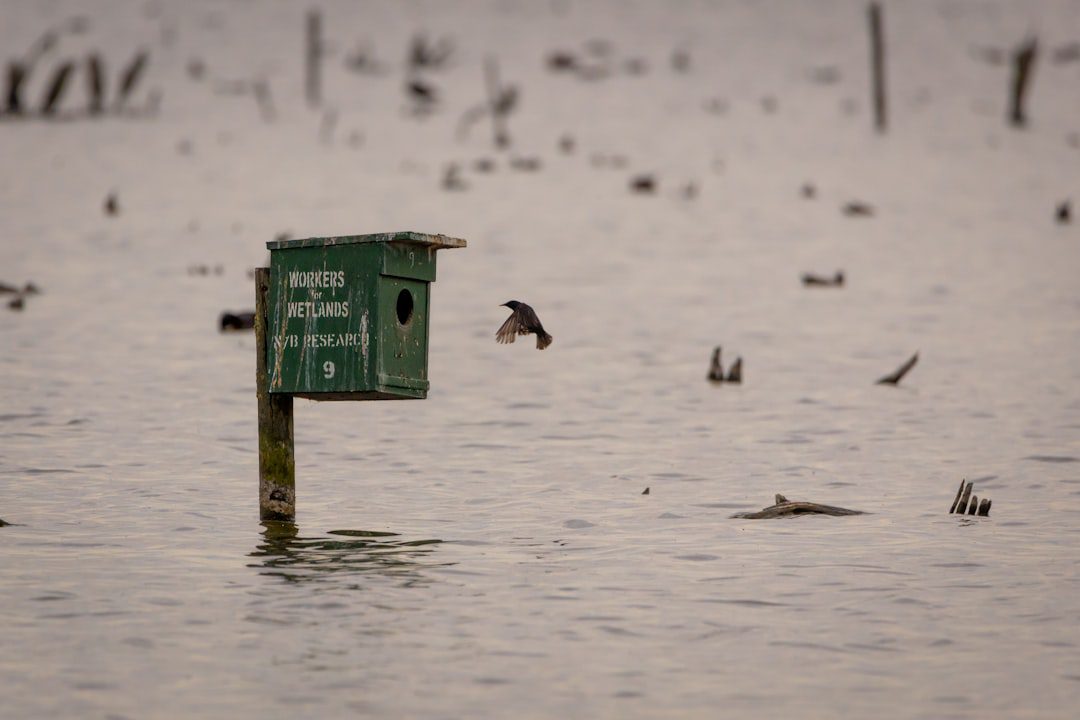
These sanctuaries safeguard delicate ecosystems from coastal mangroves to inland deserts. Furthermore, they offer a unique escape from urban life. You can witness endangered species in their authentic habitats. Additionally, responsible visits directly support vital conservation work. Consequently, you contribute to preserving the region’s heritage. Each visit becomes a meaningful, educational adventure into Arabia’s wild heart.
This guide is part of our comprehensive Desert Safari & Adventure Guide. For personalized assistance, contact us or reach us on WhatsApp.
What Is UAE Protected Nature Reserves
These are legally designated areas managed for conservation. They protect biodiversity, landscapes, and cultural heritage. Specifically, authorities restrict development and harmful activities there. Consequently, native flora and fauna can thrive safely. Each reserve serves as a living laboratory. Moreover, it is a haven for species like the Arabian oryx. Ultimately, these zones balance ecosystem protection with sustainable public access.
Key Features
- Legal Protection: Specifically, federal or emirate-level laws shield these areas. For example, this prohibits hunting, camping, or off-roading without permits.
- Active Management: Furthermore, teams conduct species monitoring and habitat restoration. They also manage visitor numbers to minimize ecological impact.
- Diverse Ecosystems: Additionally, reserves cover deserts, mountains, wetlands, and marine areas. Each ecosystem supports unique and often endangered wildlife communities.
Visiting these areas supports their financial sustainability. Therefore, your tourism directly funds patrols and research. It is a powerful model for conservation. Ultimately, you see pristine nature because it is actively protected every day.
Benefits of Visiting Protected Reserves
Top Advantages
Visiting offers profound personal and collective benefits.
- Conservation Support: Firstly, your fee funds anti-poaching patrols and breeding programs. For instance, you help protect the Arabian leopard in mountain reserves.
- Unique Education: Moreover, guided tours provide deep ecological insights. You learn about adaptations, food webs, and regional environmental challenges firsthand.
- Mindful Recreation: Additionally, these visits promote low-impact enjoyment of nature. You experience tranquility and stunning landscapes away from crowded tourist spots.
- Cultural Connection: Finally, you understand the Bedouin relationship with the land. This fosters a deeper appreciation for the UAE’s heritage beyond its cities.
Nature lovers and responsible travelers benefit most. Families gain an educational outdoor experience. Alternatively, photographers find unparalleled wildlife scenes. Adventure seekers enjoy regulated safaris. Meanwhile, students and researchers access vital field sites. Explore more with our Dubai city tours collection.
Reserve Experience Guide
Step-by-Step Process
Firstly, you must book a tour with a licensed operator. Pre-booking is mandatory for almost all UAE Protected Nature Reserves. Subsequently, you receive guidelines on respectful behavior.
Then, you meet your guide at a designated gate. Subsequently, you embark on a curated journey. Your guide explains conservation stories and points out wildlife. You follow strict paths to protect fragile soil and plants.
Finally, the tour concludes at the visitor center. Afterwards, you can often browse educational exhibits. You leave with a greater understanding of your environmental impact.
What Makes It Special
The access is exclusive and controlled. Specifically, you see landscapes untouched by mass tourism. The silence of the desert is profoundly moving. Furthermore, the chance to see endangered species is thrilling. Knowledgeable guides share passionate insights. Consequently, the experience feels personal and significant. It is authentic eco-tourism with a measurable purpose.
Reserve Options
Option 1: Desert Conservation Reserves
The Dubai Desert Conservation Reserve is a premier example. It spans 225 square kilometers of pristine dune landscape. Furthermore, it is home to over 560 native plant and animal species. Tours include morning or evening wildlife drives. Additionally, you might enjoy a traditional meal at a licensed camp. The focus is on ecological awareness and quiet observation.
Option 2: Wetland & Marine Sanctuaries
Al Wathba Wetland Reserve in Abu Dhabi is key. It is a UNESCO-recognized site for its flamingo population. Moreover, it features walking trails and bird hides. Alternatively, the Ras Al Khor Wildlife Sanctuary in Dubai is famous. You can see flamingos with the city skyline as a backdrop. These tours are shorter and highly accessible.
Option 3: Mountain & Fossil Rock Areas
Wadi Wurayah National Park in Fujairah protects mountain waterfalls. It is a refuge for the Arabian tahr. Conversely, the Sir Bu Nair Island Reserve is a marine sanctuary. It protects nesting sea turtles and coral reefs. These options often involve more travel. They cater to dedicated nature enthusiasts and adventure seekers.
Reserve Visit Tips
Before You Go
- Firstly, book your tour well in advance. Permits are limited to control visitor impact.
- Additionally, check the seasonal climate. Prepare for extreme heat from June to September.
- Furthermore, review the operator’s credentials. Ensure they are officially licensed for the specific reserve.
During Your Visit
- Meanwhile, always stay with your guide and group. Straying can damage habitats and is unsafe.
- Additionally, maintain a quiet demeanor. Loud noises disturb wildlife and ruin the atmosphere.
- Lastly, take only photographs. Removing any natural material is strictly prohibited.
Insider Advice
Visit during cooler months for optimal animal activity. Early morning tours offer the best wildlife sightings. Furthermore, wear neutral-colored clothing to blend in. Binoculars dramatically enhance bird and animal watching. Always ask your guide questions. Consequently, you will gain much deeper insights into the ecosystem.
What’s Included
Standard Inclusions
- Permit and reserve access fees.
- Furthermore, a professional, knowledgeable eco-guide.
- Transportation within the reserve in a suitable vehicle.
- Additionally, bottled water and sometimes light refreshments.
What to Bring
- Sturdy, closed-toe shoes for walking on sand or rock.
- Sun protection like a hat, sunglasses, and high-SPF sunscreen.
- Moreover, a camera with a zoom lens for distant wildlife.
Tour prices vary by reserve and group size. Typically, they range from 250 to 600 AED per person. Booking is online via operators like TripHabibi. Payment is secure with credit card. Importantly, confirm all details like pickup time and location. Consequently, your experience will be seamless.
Common Questions
Top 3 Mistakes to Avoid
Mistake 1: Assuming Free Access. All reserves require a pre-booked tour. Therefore, never arrive at a gate without a permit. You will be turned away immediately.
Mistake 2: Disregarding Dress Code. Wear respectful, climate-appropriate clothing. Specifically, avoid loud colors that scare animals. This shows respect for the environment.
Mistake 3: Expecting a Zoo. Wildlife is wild and sightings are not guaranteed. However, guides know patterns to maximize your chances. Patience is part of the authentic experience.
To avoid these, research thoroughly. Read the operator’s guidelines carefully. Moreover, manage your expectations for a natural, not curated, setting. Ultimately, this prepares you for a rewarding visit.
Expert Tips for Nature Tourism
The best time is from October to April. During this period, temperatures are pleasant. Furthermore, migratory birds are present, increasing diversity.
This is perfect for eco-conscious travelers and photographers. Families with curious children also love it. However, check age restrictions for certain tours.
For the best experience, book a private tour. Consequently, you can customize the pace. Always communicate your interests to your TripHabibi guide beforehand.
Frequently Asked Questions About UAE Protected Nature Reserves
What is UAE Protected Nature Reserves and why is it popular?
These are government-protected areas conserving desert, mountain, and marine ecosystems. They are popular for authentic wildlife encounters. Furthermore, they offer a sustainable tourism model. Visitors appreciate the educational and serene experience. Consequently, popularity grows among those seeking meaningful travel beyond typical attractions.
How much does a reserve tour cost?
Prices range from 250 AED for a basic wetland visit. Furthermore, full desert safaris cost 400-600 AED. Group size affects the price significantly. Private tours are more expensive but customizable. Ultimately, the fee supports conservation work directly.
What is the best time for a reserve visit?
Winter months from November to March are ideal. Daytime temperatures are comfortable for exploration. Additionally, migratory bird populations are at their peak. Morning tours avoid the midday heat. Consequently, animal activity is higher during cooler parts of the day.
How long does a typical tour take?
Most tours last 3 to 4 hours. This includes transport, guiding, and observation time. However, full desert experiences can take 6-7 hours. The duration depends on the reserve’s size and location. Moreover, photography-focused tours may move at a slower pace.
Is a reserve tour suitable for families with kids?
Yes, many tours are family-friendly. However, check minimum age requirements first. Guides make it engaging for children. Furthermore, it is a fantastic outdoor classroom. Consequently, kids learn about conservation in an exciting, hands-on environment.
Can I customize my nature reserve itinerary?
Private tours offer high customization. You can focus on specific interests like birdwatching or photography. Additionally, you can often adjust start times and duration. However, routes remain restricted to protect the habitat. Discuss all requests with your operator like TripHabibi in advance.
What wildlife am I likely to see?
Sightings vary by reserve. Commonly, you see Arabian oryx, sand gazelles, and desert foxes. Furthermore, wetland reserves host flamingos, herons, and other waterbirds. Reptiles like geckos and monitor lizards are also present. Guides expertly track and identify species for you.
What are the rules for photography?
Photography for personal use is encouraged. However, you must not use flash on wildlife. Furthermore, drones are almost always prohibited. Commercial photography needs a special permit. Always stay on paths while taking pictures to protect the environment.
Final Thoughts on UAE Nature Conservation
Visiting these reserves is a transformative experience. You directly support vital environmental protection. Furthermore, you gain unforgettable memories of Arabia’s raw beauty. It is education, adventure, and conservation combined. Ultimately, it represents the most responsible form of tourism. This journey connects you deeply with the region’s natural heritage.
Ready to experience this? For more information, explore our complete Desert Safari & Adventure Guide or chat with us on WhatsApp for personalized booking assistance.