

Consequently, exploring these venues provides a profound understanding of local hospitality and regional customs. Moreover, it’s an affordable and immersive way to experience the city’s multicultural fabric. At TripHabibi, your trusted travel companion, we provide comprehensive destination guides and authentic travel experiences across the UAE. Our platform helps thousands of travelers discover the best of Dubai and Abu Dhabi. Contact us or reach us on WhatsApp for personalized recommendations.
Ready to Explore Dubai?
Understanding Traditional Tea Experiences Dubai
Traditional tea experiences in Dubai are far more than a beverage break. Specifically, they are a cornerstone of social life and hospitality across Middle Eastern and South Asian cultures. In Deira and Bur Dubai, these experiences are preserved in family-run establishments that have served generations. The ritual involves specific brewing methods, distinctive serving ware like Persian samovars or Arabic dallahs, and a welcoming atmosphere that encourages lingering conversation. Furthermore, it represents a tangible link to the emirate’s trading past, where tea was a prized commodity along ancient routes.
Therefore, seeking out these authentic venues means participating in a living tradition. The tea is often strong, sweet, and flavored with herbs like mint or sage, or spices such as cardamom. Meanwhile, the settings are typically modest, filled with the hum of local chatter and the clinking of glasses. This contrasts sharply with modern café chains, offering a uniquely cultural immersion. Indeed, for travelers wanting to move beyond the typical Dubai city tours, this is an essential activity.
Why Choose Authentic Tea Culture
Choosing an authentic tea house over a standard café offers multifaceted rewards. First, it provides an unfiltered glimpse into daily local life away from curated tourist presentations. You’ll sit alongside merchants, families, and friends engaging in genuine interaction. Additionally, the value is exceptional, with a pot of tea and snacks costing a fraction of a coffee shop latte. The sensory experience is also richer, encompassing the aroma of brewing leaves, the taste of homemade sweets, and the visual charm of traditional décor.
Moreover, these venues are bastions of cultural preservation. By visiting, you directly support small businesses maintaining heritage practices. The knowledge gained from observing rituals or speaking with proprietors is invaluable. Consequently, it adds a layer of depth to your understanding of the UAE’s social fabric. This experience beautifully complements other cultural explorations, such as a day trip to Abu Dhabi to see the Sheikh Zayed Grand Mosque.
Traditional Tea Experiences Dubai Journey
Embarking on a Traditional Tea Experiences Dubai journey is a deliberate adventure. Start in the winding lanes of Bur Dubai’s Al Fahidi Historical Neighbourhood or the bustling souqs of Deira. Look for unassuming storefronts with simple Arabic or Farsi signage, often with groups of men smoking shisha or playing backgammon outside. Upon entering, you’ll be greeted warmly. Typically, you’ll choose from a simple menu: perhaps “Karak Chai” (strong, milky tea), “Chai Arabi” (Arabic tea with herbs), or “Chai Persian” (brewed from a samovar).
Your order will arrive with complimentary accompaniments—a glass of water, dates, or small biscuits. The pace is leisurely, encouraging you to sip slowly and absorb the ambiance. Furthermore, don’t hesitate to try local snacks like “manakish” (za’atar bread) or “falafel”. Engaging with staff, even through smiles and gestures, enhances the experience. Finally, this journey connects you to the city’s heartbeat, much like exploring the heritage sites on things to do in Al Ain list.
Venue Details & Authentic Features
Authentic tea houses share common, charming features. The décor is usually functional yet cultural, with vintage posters, wooden furniture, and tiled floors. A centerpiece is often the brewing station—a large, ornate samovar keeping tea hot throughout the day. Seating ranges from simple plastic chairs to traditional floor cushions in more secluded sections. The soundscape is a blend of bubbling water, spirited discussions in multiple languages, and perhaps a vintage radio playing Arabic music. Importantly, these spaces are inclusive and welcoming to respectful visitors.
Additionally, the tea itself is prepared with care. Persian tea is typically black, served strong in small glasses, often with a sugar cube held between the teeth while sipping. Turkish tea comes in tulip-shaped glasses, brewed using a double teapot. Meanwhile, Arabic tea can be a light, fragrant blend with mint or a heavier “karak” infused with cardamom and saffron. Each style tells a story of trade and taste. Similarly, the variety of regional cuisines is a highlight when you explore things to do in Abu Dhabi.
Need Travel Advice?
Cultural Planning & Essential Tips
Planning your tea house visit requires some cultural awareness for a smooth experience. Firstly, dress modestly out of respect for the local setting, though formal attire is unnecessary. Timing is flexible, but late afternoons are particularly lively. Cash is king in these establishments, so keep small UAE Dirham notes handy. Don’t be surprised if sharing a table with strangers is the norm; it’s part of the communal spirit. Moreover, patience is key as service follows a relaxed, non-commercial rhythm.
Secondly, embrace the etiquette. It’s customary to accept the complimentary items offered. Use your right hand for eating and drinking if following local practice. While photography might be acceptable, always ask for permission before taking pictures of people or the interior. Finally, allow ample time to enjoy without rush. This cultural planning ensures you show respect and gain the most from your visit. These tips are as crucial as those for planning a Dubai desert safari tour.
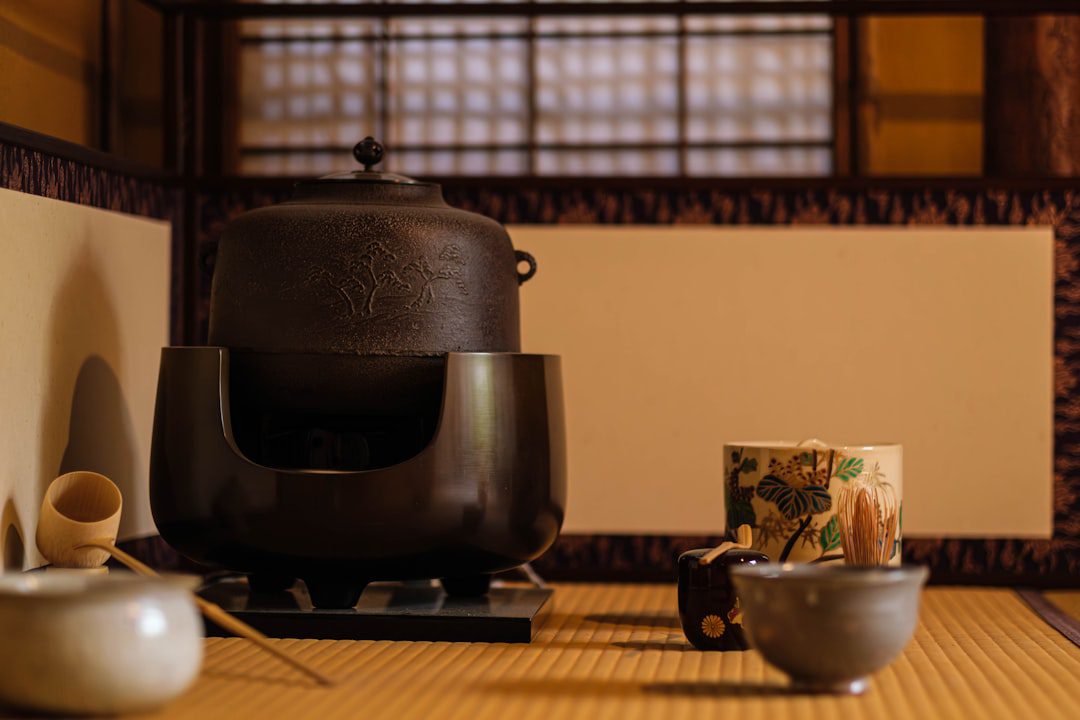
Traditional Tea Experiences Dubai Significance
The cultural significance of Traditional Tea Experiences Dubai is profound. Tea is a universal symbol of hospitality, or “karam,” in Arab culture. Offering tea to a guest is a sacred duty, reflecting generosity and welcome. In the historic trading ports of Deira, tea houses served as informal meeting points for merchants from Iran, India, and beyond. Thus, they became melting pots of ideas and deals, fueled by caffeine and camaraderie. This legacy continues today, making these spaces living museums of social interaction.
Furthermore, the specific teas served map the diaspora communities in Dubai. Persian tea houses anchor the Iranian population, while Karak stalls reflect Indian and Pakistani influences. Turkish tea spots speak to another layer of regional exchange. Consequently, a tea journey is a delicious lesson in geography and migration. Preserving these rituals amidst rapid modernization is a quiet act of cultural resilience. Understanding this significance adds meaning to your visit, much like appreciating the innovation at the Museum of the Future.
Common Tea Exploration Mistakes
Several common mistakes can detract from your authentic tea experience. A major error is seeking Western-style “tea rooms” with extensive menus and sleek interiors; the genuine article is far more rustic. Another is rushing the experience; tea culture is about savoring time, not quick consumption. Additionally, overlooking the snacks is a missed opportunity, as the combination of savory or sweet bites with tea is intentional. Also, avoid being overly noisy or intrusive with photography, which can disrupt the local ambiance.
Moreover, don’t limit yourself to one venue or one type of tea. Each house has its own character and specialty. Similarly, assuming language will be a significant barrier is a mistake. Basic gestures and a friendly smile go a long way. Finally, neglecting to carry cash can lead to awkward situations, as many traditional spots don’t accept cards. Avoiding these pitfalls ensures a respectful and enriching encounter. This mindful approach is equally valuable for other activities, like booking Burj Khalifa tickets.
Expert Area & Hidden Gem Recommendations
For the most authentic experiences, expert guidance points to specific areas. In Bur Dubai, explore the lanes around the Textile Souq and Al Fahidi. Here, decades-old Iranian cafes with tiled walls offer quiet respite. In Deira, the area near the Spice Souq and Gold Souq is dotted with simple Arabic tea shops where porters and traders refresh. The waterfront “Al Buteen” area also hides gems with views of the creek. Venturing into these neighborhoods is an adventure in itself, revealing the city’s layered history.
Additionally, look for places filled with local patrons rather than tourists. Often, the best spots have no English name or online presence. Don’t hesitate to wander and follow your nose—the scent of cardamom and brewing tea is a reliable guide. Furthermore, combining your tea exploration with a visit to the Dubai Frame offers a perfect contrast between old and new Dubai. For broader planning, our experts at TripHabibi can tailor recommendations as part of a comprehensive Dubai tour package.
Frequently Asked Questions About Traditional Tea Experiences Dubai
What is the best area for Traditional Tea Experiences Dubai?
The historic districts of Deira and Bur Dubai are the best areas. Specifically, explore the lanes around the Spice Souq, Gold Souq, and Al Fahidi Historical Neighbourhood for authentic venues.
What is the typical cost for tea and snacks?
Costs are very reasonable. Typically, a pot of tea ranges from AED 5 to AED 15. Snacks like manakish or falafel cost an additional AED 10-20. Always carry cash.
Is there a dress code for visiting tea houses?
While not formal, modest dress is recommended. Cover shoulders and knees as a sign of respect for the local culture, especially in traditional settings.
What is the difference between Karak, Arabic, and Persian tea?
Karak is strong, milky, and sweet with spices. Arabic tea is often lighter and herbal (like mint). Persian tea is black, served strong without milk, and sometimes with saffron.
Are these venues suitable for solo travelers and women?
Yes, generally they are safe and welcoming. Some busy spots are male-dominated, but many have family sections. Observing the crowd before entering is advisable.
Can I find vegetarian snacks at traditional tea houses?
Absolutely. Many snacks are vegetarian, like falafel, hummus, manakish (with za’atar or cheese), fatayer (spinach pies), and various pastries. Options are plentiful.
Final Thoughts on Traditional Tea Experiences Dubai
Furthermore, Traditional Tea Experiences Dubai offers exceptional cultural value and authentic insight into the city’s social heart. Moreover, it provides a meaningful counterpoint to Dubai’s modern attractions. Therefore, incorporating this journey into your itinerary enhances your understanding of Emirati and regional hospitality significantly.
TripHabibi provides expert guides, local knowledge, and 24/7 support for crafting your perfect trip. Additionally, contact our travel experts today to plan a visit that includes these hidden gems. Meanwhile, chat with us on WhatsApp for instant support and personalized recommendations for your Dubai adventure..
Related Posts