Introduction
Planning to explore UAE festivals and public holidays? This vibrant nation offers a spectacular calendar of events. Furthermore, these celebrations blend deep tradition with modern spectacle. Therefore, they provide unforgettable insights into Emirati culture and hospitality.
From religious observances to global arts festivals, the UAE’s events calendar is diverse. Moreover, each celebration has unique customs and significance. Consequently, understanding them enriches any visit. This guide details key dates, participation tips, and cultural etiquette.
At TripHabibi, your trusted travel companion, we provide comprehensive destination guides and authentic travel experiences across the UAE. Our platform helps thousands of travelers discover the best of Dubai and Abu Dhabi. Contact us or reach us on WhatsApp for personalized recommendations.
Ready to Explore Dubai?
Understanding UAE Festivals Public Holidays
The UAE festivals public holidays calendar operates on two systems. First, Islamic lunar calendar dates dictate religious events. Second, fixed Gregorian calendar dates mark national occasions. Therefore, timing for religious celebrations shifts annually.
Key religious holidays include Ramadan, Eid Al Fitr, and Eid Al Adha. Additionally, National Day on December 2nd is a major fixed event. Moreover, these periods see vibrant public expressions. Consequently, they offer peak cultural immersion opportunities.
Government announcements confirm exact dates each year. Specifically, the UAE Foreign Affairs ministry provides official schedules. Furthermore, modern festivals like Dubai Shopping Festival complement traditional ones. Thus, the annual schedule remains dynamic and engaging.
Understanding this structure is crucial for planning. Moreover, it helps visitors respect local customs. Therefore, always verify dates before finalizing travel itineraries.
- Islamic Holidays: Based on moon sightings, dates vary.
- National Holidays: Fixed dates celebrating union and heritage.
- Cultural Festivals: Blend of traditional and contemporary events.
- Global Events: Arts, food, and sports festivals with international appeal.
Why Choose These Cultural Celebrations
UAE celebrations offer unparalleled access to local life. Furthermore, they showcase the nation’s rapid evolution. Meanwhile, they preserve ancient Bedouin and maritime traditions. Consequently, visitors gain a holistic perspective.
These events feature world-class organization and safety. Moreover, they often include free public activities. Therefore, they provide exceptional value for travelers. From fireworks over the Burj Khalifa to heritage village reenactments, experiences are diverse.
Participating fosters genuine cultural exchange. Specifically, visitors can share meals during Ramadan iftar. Additionally, they can watch traditional Al Ayalla dances during National Day. Hence, interactions move beyond typical tourist scenarios.
The celebrations also highlight Emirati generosity. For instance, hospitality is a cornerstone of every festival. Thus, guests often receive warm welcomes and gifts. Ultimately, these moments create lasting memories and deeper understanding.
UAE Festivals Public Holidays Experience
Experiencing UAE festivals public holidays involves sensory richness. First, soundscapes range from call to prayer to concert fireworks. Second, visual spectacles include light shows and traditional dress. Therefore, each event is immersive.
Ramadan provides a unique spiritual atmosphere. Moreover, nights come alive with iftar tents and suhoor gatherings. Consequently, community feeling peaks. Eid Al Fitr then bursts with joyful feasting, family visits, and new clothes.
Eid Al Adha includes ritual sacrifice symbolism and meat distribution. Additionally, it coincides with the Hajj pilgrimage period. Meanwhile, National Day features car parades, flag displays, and patriotic fervor. For broader exploration, consider Dubai city tours during these times.
Modern festivals add another layer. For example, Dubai Shopping Festival offers massive discounts and raffles. Similarly, Abu Dhabi Festival highlights performing arts. Thus, the annual calendar caters to all interests.
Celebration Details & Key Features
Each major celebration has distinct features and schedules. Ramadan, the holy month of fasting, alters daily rhythms. Furthermore, work hours shorten and nightlife transforms. Therefore, visitors should plan dining and activity times carefully.
Eid Al Fitr marks Ramadan’s end with a three-day holiday. Key features include:
- Eid Prayers: Held at dawn in mosques and large grounds.
- Eidiya: Gift-giving, especially to children.
- Feasting: Elaborate meals with dates, sweets, and meats.
- Family Visits: Central to the celebration’s social fabric.
Eid Al Adha, the “Festival of Sacrifice,” lasts four days. Moreover, it features similar prayers and feasts. Additionally, charitable acts are emphasized. Consequently, it is a profound religious observance.
UAE National Day on December 2nd is a secular spectacle. Specifically, it includes fireworks, air shows, and cultural performances. For a different vantage point, an Abu Dhabi day trip from Dubai showcases capital city celebrations.
Need Travel Advice?
Event Planning & Practical Tips
Successful participation requires thoughtful planning. First, always check the official Dubai tourism or Abu Dhabi calendars. Second, book accommodations and flights well in advance. Consequently, you avoid peak price surges.
During public holidays, malls and attractions have special hours. Moreover, traffic can be heavy due to celebrations. Therefore, using metro systems is highly advisable. Alternatively, consider joining organized day trips from Dubai for seamless logistics.
Dress codes remain important, especially during religious events. Specifically, modest clothing is required in public spaces. Furthermore, eating, drinking, or smoking in public during Ramadan daytime is illegal. Thus, respecting local law is paramount.
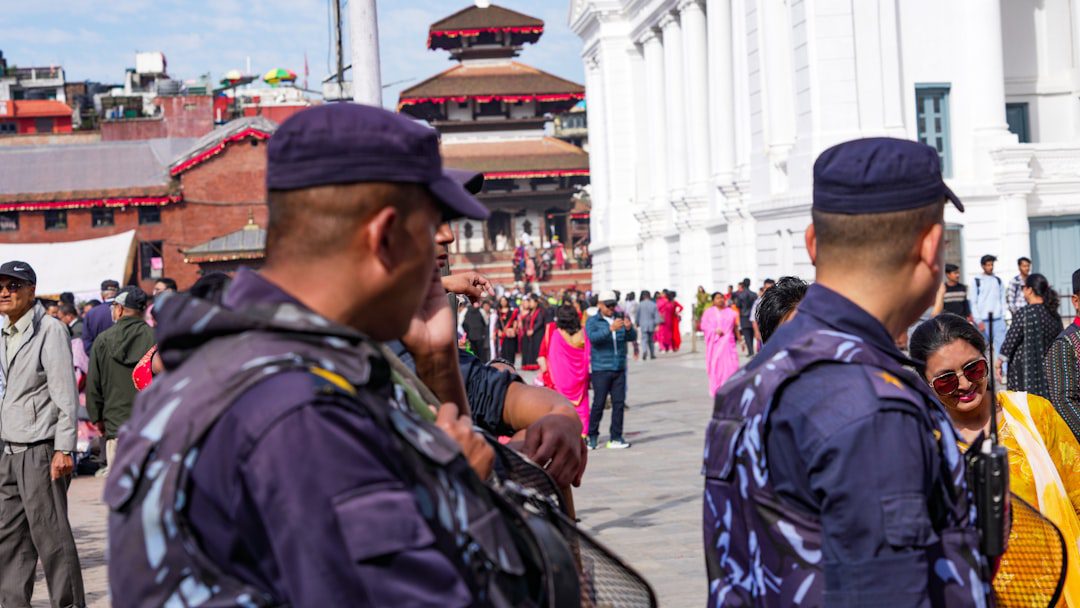
Carry cash for smaller vendors and souks. Additionally, learn basic Arabic greetings like “Eid Mubarak.” Meanwhile, always ask permission before photographing people. These small gestures demonstrate cultural sensitivity and enhance your experience.
UAE Festivals Public Holidays Cultural Significance
The cultural significance of UAE festivals public holidays is profound. Firstly, they reinforce national identity and Islamic faith. Secondly, they are pillars of social and family cohesion. Therefore, they are deeply cherished by locals.
Ramadan emphasizes self-discipline, empathy, and charity. Moreover, it strengthens community bonds through shared iftars. Consequently, it is more than abstaining from food and drink. It is a spiritual reset and a time for generosity.
Eid celebrations focus on gratitude, forgiveness, and renewal. Additionally, they honor the story of Prophet Ibrahim’s devotion. Meanwhile, UAE National Day commemorates the 1971 federation. Thus, it celebrates unity, progress, and visionary leadership.
Understanding this significance transforms a visitor’s experience. Specifically, it moves observation to respectful participation. Hence, you engage with the heart of Emirati culture. This deeper connection is the true gift of these celebrations.
Common Visitor Mistakes to Avoid
Several common mistakes can detract from the experience. First, disregarding dress codes during religious events is a major faux pas. Second, public displays of affection are always inappropriate. Therefore, maintaining decorum is essential.
During Ramadan, avoid eating or drinking in public view before sunset. Moreover, playing loud music in your car or hotel room is disrespectful. Consequently, adjust your behavior to the solemn daytime atmosphere. For evening excitement, join a Dubai desert safari tour designed for Ramadan nights.
Assuming all events start exactly on time is another error. Islamic holidays begin upon moon sighting. Furthermore, traffic will cause delays. Thus, patience and flexibility are vital virtues.
Finally, neglecting to greet locals with appropriate phrases is a missed opportunity. “Ramadan Kareem” or “Eid Mubarak” opens doors. Meanwhile, refusing an offer of dates or Arabic coffee can seem rude. Hence, embrace hospitality graciously.
Expert Celebration Recommendations
For an optimal experience, follow expert recommendations. Firstly, prioritize one or two major events per trip. Secondly, immerse yourself fully rather than rushing. Therefore, depth beats breadth for cultural understanding.
During Eid, visit a major mosque for prayer observation (non-Muslims outside). Additionally, explore heritage districts like Al Fahidi. Moreover, accept invitations to share a meal if offered. Consequently, you create authentic personal connections.
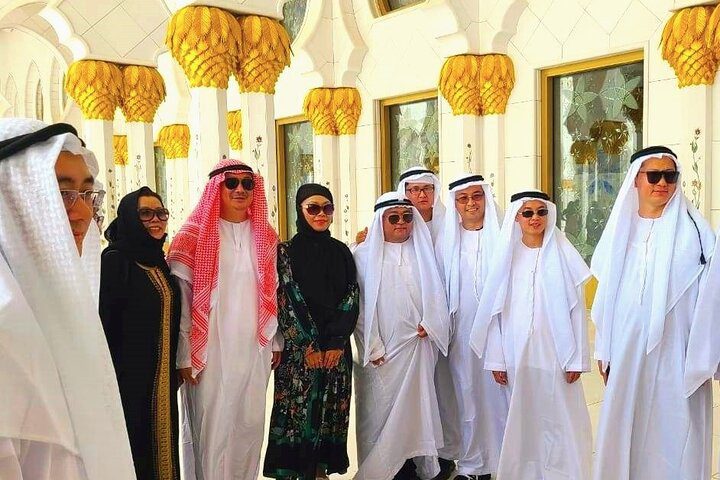
For National Day, secure a spot for the downtown Dubai fireworks early. Alternatively, experience the patriotic atmosphere at the Sheikh Zayed Grand Mosque in Abu Dhabi. Furthermore, wear white, red, green, or black to join the spirit.
Always confirm latest travel requirements and visa rules. Moreover, use reputable tour operators for special event access. Finally, carry a scarf or shawl for spontaneous modesty needs. These tips ensure a smooth, respectful, and enriching visit.
Frequently Asked Questions About UAE Festivals Public Holidays
How long do UAE festivals public holidays last?
Duration varies. Eid Al Fitr lasts about 3 days. Meanwhile, Eid Al Adha spans 4 days. National Day is typically a 2-3 day holiday.
What should I wear during religious holidays?
Modest, loose-fitting clothing is essential. Specifically, cover shoulders and knees. Additionally, women should carry a headscarf for mosque visits.
Are attractions open during public holidays?
Yes, but hours change significantly. Many open later and close earlier. Furthermore, some may have special holiday-themed programming.
Can tourists participate in Ramadan iftar?
Absolutely. Many hotels and cultural centers offer public iftar tents. Moreover, it is a wonderful way to experience local hospitality and cuisine.
Is alcohol served during Islamic holidays?
Availability is restricted, especially during Ramadan daytime. However, licensed hotel venues typically serve alcohol after sunset. Always check specific venue policies.
What is the best way to get around during events?
Use metro and tram systems to avoid traffic. Alternatively, use ride-hailing apps. Walking short distances in crowded areas is often fastest.
Final Thoughts on UAE Festivals Public Holidays
Furthermore, UAE festivals public holidays offer exceptional cultural value. Moreover, they provide authentic insights into the nation’s soul. Therefore, aligning your visit with these events is highly rewarding.
Respectful participation creates meaningful travel memories. Additionally, it fosters cross-cultural understanding. Consequently, you contribute to the spirit of global connection that the UAE champions.
TripHabibi provides:
- Expert Guides: Comprehensive destination insights and event timing.
- Local Knowledge: Authentic recommendations for celebration participation.
- 24/7 Support: Trusted travel assistance during your stay.
Additionally, contact our experts today to plan your holiday-season trip. Meanwhile, chat with us on WhatsApp for instant support and personalized itinerary advice.
Related Posts