
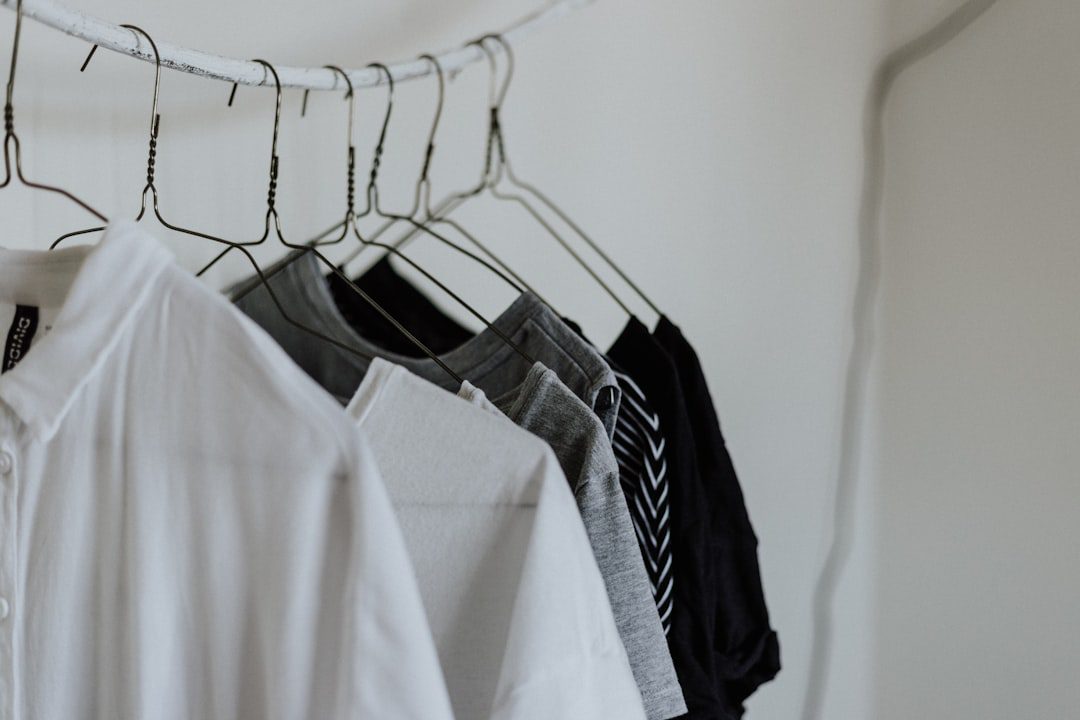
Your clothing choices show respect for the local culture. Consequently, you will avoid uncomfortable situations. Modest attire is expected in public areas. This includes shopping centers and traditional souks. Furthermore, swimwear is strictly for beaches and pools. Shoulders and knees should generally be covered. Packing light, loose-fitting clothes is highly advisable. Ultimately, dressing appropriately ensures a smoother, more respectful visit.
This guide is part of our comprehensive UAE Travel Essentials guide. For personalized assistance, contact us or reach us on WhatsApp.
What Is the UAE Dress Code
The UAE dress code is a set of cultural guidelines. It emphasizes modesty and respect. These rules are rooted in Islamic traditions. They apply to both men and women. The code varies by location and context. For instance, it is stricter in government buildings. Conversely, it relaxes slightly at resorts. Understanding this balance is crucial for visitors.
Key Features
- Modesty-First: Specifically, clothing should cover shoulders, chest, and knees. Loose-fitting garments are preferred over tight ones.
- Context-Sensitive: Meanwhile, rules differ between public streets, malls, and private beach clubs. Always assess your surroundings.
- Respect-Driven: Fundamentally, the goal is to respect local sensibilities. Therefore, avoid transparent fabrics or offensive graphics.
Following these guidelines shows cultural awareness. Moreover, it prevents unwanted attention. Locals appreciate the effort. Thus, your experience becomes more positive. Packing wisely is the first step to compliance.
Benefits of Dressing Appropriately
Top Advantages
Adhering to the dress code offers clear benefits.
- Cultural Respect: Firstly, you demonstrate respect for Emirati traditions. This fosters positive interactions with local residents and business partners.
- Unhindered Access: Furthermore, appropriate attire guarantees entry to all venues. You won’t be turned away from malls, mosques, or government offices.
- Enhanced Comfort: Additionally, loose, modest clothing is practical for the climate. It protects from the sun and is comfortable in the heat.
- Positive Experience: Finally, you blend in and avoid stares. Consequently, you can explore with greater confidence and peace of mind.
This practice benefits every type of traveler. Families with children set a good example. Business travelers maintain professionalism. Additionally, solo tourists navigate spaces easily. Respectful dress is especially important during religious holidays like Ramadan. Explore more with our Dubai city tours collection, where guides can offer local insights.
UAE Dress Code Experience Guide
Step-by-Step Process
Firstly, research before you pack. Check the itinerary for your trip. Identify visits to mosques or old souks. Subsequently, choose outfits that cover your shoulders and knees. Prioritize breathable, natural fabrics like cotton or linen.
Then, during your daily explorations, always carry a light cover-up. A pashmina or cardigan is perfect. You can use it before entering a mall or restaurant. This simple step aligns with the local UAE dress code expectations seamlessly.
Finally, change your attire for specific venues. Wear swimwear only at the hotel pool or beach club. Conversely, dress more formally for fine dining. Afterwards, you’ll find compliance becomes a simple, automatic habit.
What Makes It Special
The UAE offers a unique blend of ultra-modern and traditional. Your clothing is part of that experience. Dressing respectfully opens doors to authentic cultural moments. You might receive a warmer welcome in the spice souk. Furthermore, it shows a global citizen’s mindset. This subtle respect is often reciprocated with exceptional hospitality. The practice is less about restriction and more about connection.
Dress Code Options by Setting
Option 1: Public & Government Areas
This requires the strictest adherence. Shoulders and knees must be covered. Clothing should not be tight or sheer. For women, long skirts or loose trousers are ideal. Men should avoid sleeveless tops and short shorts. This applies on streets, in public parks, and at government buildings. Additionally, when visiting a mosque, women need a headscarf.
Option 2: Shopping Malls & Restaurants
Here, standards are still enforced but slightly more relaxed. However, beachwear or excessively casual clothing is prohibited. Smart casual wear is the safest choice. For example, a t-shirt with full-length jeans is acceptable. Meanwhile, many high-end restaurants require a more formal look. Consequently, carrying a versatile cover-up is a wise strategy.
Option 3: Resorts & Private Beaches
These are designated “relaxed” zones. Swimwear, shorts, and tank tops are perfectly appropriate. This applies only within the resort’s premises. Importantly, you must cover up when leaving the pool area for the lobby or restaurant. Therefore, a stylish resort-wear cover-up is essential. This tier offers freedom while maintaining basic decorum.
Practical Dress Code Tips
Before You Go
- Firstly, pack lightweight, long-sleeved tops. They protect from the sun and satisfy modesty rules.
- Additionally, include a large scarf or pashmina. This versatile item can cover shoulders, head, or be used as a wrap.
- Furthermore, choose comfortable, closed-toe shoes. They are suitable for mosques and protect your feet in crowded areas.
During Your Visit
- Meanwhile, always keep your cover-up accessible. Stash it in your daybag for quick use before entering a mall.
- Additionally, observe what well-dressed locals and expats are wearing. This provides excellent real-time guidance.
- Finally, if unsure, always err on the side of modesty. It is better to be slightly overdressed than to cause offense.
Insider Advice
Carry a foldable, long skirt in your bag. It can instantly transform a shorts outfit. Furthermore, men can pack elegant linen trousers. They are cool and appropriate everywhere. Also, dark colors hide sweat in the heat. Remember, many global brands have modest fashion lines. These are perfect for UAE travel. Lastly, dressing well can lead to upgrades or better service.
What’s Included in a Respectful Wardrobe
Standard Inclusions
- Lightweight, loose-fitting maxi dresses or skirts.
- Linen or cotton trousers and full-length jeans.
- Shirts and blouses with sleeves (cap sleeves are often okay).
- A versatile shawl or light jacket for air-conditioned spaces.
What to Bring
- A headscarf for mosque visits, which is often provided but nice to have.
- Comfortable sandals or loafers that are easy to remove.
- A stylish beach cover-up for transitioning from pool to cafe.
Generally, no extra cost is involved. It’s about smart packing. However, if you forget something, local shops offer excellent options. The Dubai Mall has countless stores. Booking tours with knowledgeable operators helps. They give specific advice for each itinerary. For instance, our desert safari guides can advise on practical evening wear.
Common Questions
Top 3 Mistakes to Avoid
Mistake 1: Assuming Resort Rules Apply Everywhere. This is the biggest error. Consequently, you may be denied entry to a mall. Always carry a cover-up when leaving your hotel.
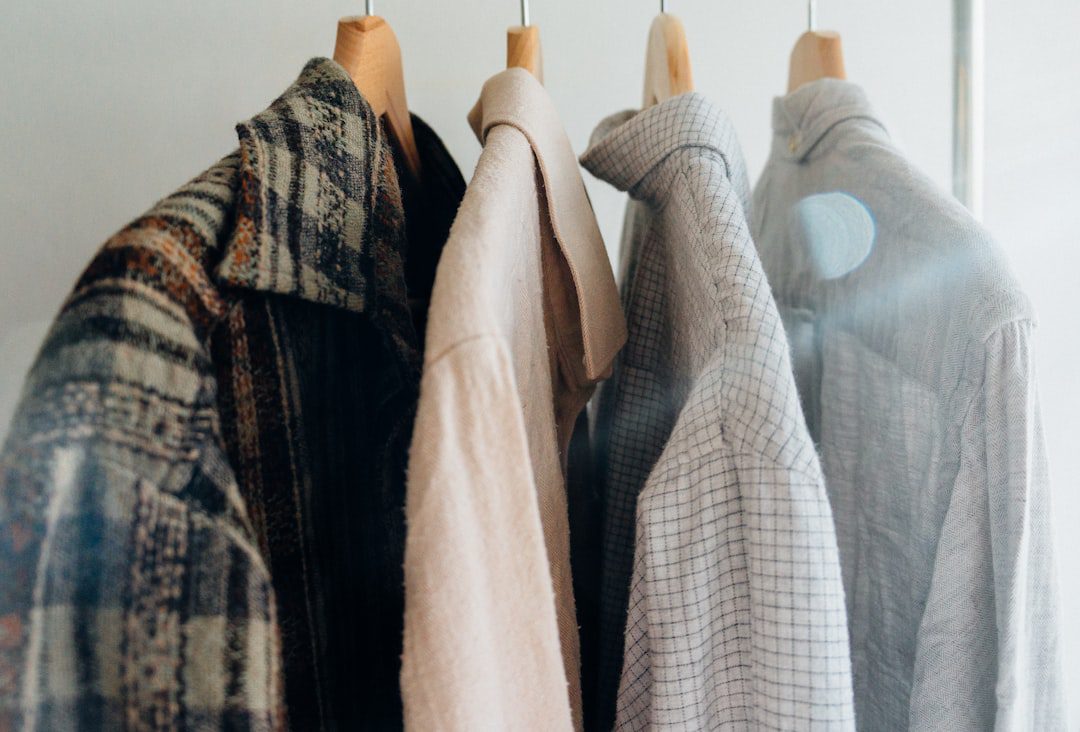
Mistake 2: Wearing Revealing Clothing in Old Districts. This can draw negative attention in areas like Old Dubai. Instead, dress conservatively to explore cultural sites comfortably.
Mistake 3: Ignoring Mosque Requirements. Women must cover their hair, arms, and legs. Many mosques provide abayas, but bringing your own scarf is respectful.
How can you avoid these pitfalls? Research each destination on your agenda. Additionally, when in doubt, ask your tour guide or hotel concierge. They provide immediate, accurate advice. Ultimately, a little preparation prevents most issues.
Expert Tips for UAE Attire
The best time for lightweight layers is winter (November-March). Days are warm, but evenings can be cool. Conversely, summer demands the lightest, most breathable fabrics.
This guide is perfect for first-time visitors. It also helps business travelers and families. Anyone wanting a culturally immersive experience benefits greatly.
For the best experience, plan your outfits around your activities. Book with TripHabibi for tours that consider these nuances. Our guides ensure you feel confident and respectful everywhere.
Frequently Asked Questions About UAE Dress Code
What is the UAE dress code and why is it important?
The UAE dress code is a cultural guideline for modest clothing. It requires covering shoulders and knees in public. This practice is important for showing respect. Furthermore, it aligns with local Islamic traditions. Consequently, it ensures smooth access to all venues. Adhering to it makes your visit more comfortable and respectful.
Can I wear shorts in Dubai or Abu Dhabi?
It depends on the location and length. Knee-length shorts are often acceptable for men in malls. However, very short shorts are discouraged. For women, knee-length or longer is safer. In traditional areas, longer trousers are better. Always assess your surroundings and choose longer styles when uncertain.
What should women wear to visit a mosque in the UAE?
Women must dress very conservatively for mosque visits. Firstly, long, loose clothing covering arms and legs is mandatory. Secondly, a headscarf to cover the hair is required. Many mosques, like Sheikh Zayed Grand Mosque, loan abayas. However, bringing your own scarf is polite. Finally, remove shoes before entering the prayer hall.
Is swimwear allowed outside of beach clubs?
No, swimwear is strictly prohibited in public areas. This includes streets, malls, and hotel lobbies. You must wear a cover-up when leaving the pool or beach. Furthermore, wearing swimwear in a shopping center is unacceptable. Therefore, always transition to modest clothing before exiting resort premises. This rule is strictly enforced.
Are there different rules for children’s clothing?
Yes, rules for young children are more relaxed. However, modesty is still encouraged as they get older. For example, teenagers should follow adult guidelines. Dressing children modestly also sets a good example. Furthermore, it prepares them for visiting cultural sites. Ultimately, it’s a respectful practice for the whole family.
What happens if I violate the dress code by accident?
Usually, you will receive a polite reminder. Security in malls may ask you to cover up. Consequently, carrying a shawl helps rectify the situation quickly. Serious offenses are rare for tourists trying to comply. The response is generally educational, not punitive. Simply apologize and adjust your attire respectfully.
Can I wear leggings or tight jeans in the UAE?
Leggings and tight jeans are a gray area. They are commonly worn but often with a long top. The key is to ensure your top covers your hips and rear. In very conservative areas, loose trousers are safer. Therefore, pairing leggings with a tunic is a practical compromise. Always consider the length of your top layer.
Do men need to follow specific rules as well?
Yes, men must also dress modestly. Sleeveless tank tops are inappropriate in public. Shorts should be knee-length or longer. Moreover, overly tight clothing is discouraged. In business settings, long trousers and collared shirts are standard. Essentially, men’s attire should also be neat and respectful of the local culture.
Final Thoughts on Dressing Respectfully in the UAE
Understanding local attire norms is crucial for your trip. It demonstrates cultural sensitivity and respect. Furthermore, it prevents any unnecessary complications. Your experience will be significantly more positive. You’ll gain access to all venues without issue. Additionally, you’ll interact with locals more comfortably.
Ready to experience this? For more information, explore our complete UAE Travel Essentials guide or chat with us on WhatsApp for personalized booking assistance.