

At TripHabibi, your trusted travel companion, we provide comprehensive destination guides and authentic travel experiences across the UAE. Our platform helps thousands of travelers discover the best of Dubai and Abu Dhabi. Contact us or reach us on WhatsApp for personalized recommendations.
Ready to Explore Dubai?
Understanding Vegetarian-Friendly Indian Middle Eastern
Vegetarian-Friendly Indian Middle Eastern cuisine in Dubai represents a harmonious fusion of two ancient culinary worlds. Indian vegetarianism, deeply rooted in religious and cultural practices like Hinduism and Jainism, offers a universe of flavors using legumes, vegetables, dairy, and a complex spice palette. Meanwhile, Middle Eastern traditions, particularly from Lebanon, Iran, and the Emirates, showcase the region’s bounty through fresh produce, grains, and pulses. Together, they create a dining scene where dietary preference is celebrated, not accommodated.
Furthermore, Dubai’s multicultural population ensures these cuisines remain authentic. Specifically, Indian restaurants often feature separate vegetarian kitchens, adhering to strict practices. Similarly, Middle Eastern eateries highlight naturally plant-based dishes like hummus, falafel, and stuffed vegetables. This convergence means visitors can enjoy a diverse, satisfying, and culturally rich vegetarian diet. Exploring this scene is a highlight of any trip, complementing other adventures like a Dubai desert safari tour.
Why Choose Plant-Based Dining in Dubai?
Choosing vegetarian dining in Dubai offers more than just a meal; it’s a cultural immersion. The city’s food scene is a testament to its status as a global melting pot. Consequently, you can experience the subtle differences between a North Indian *dal makhani* and a South Indian *sambar* in one evening. Similarly, you can compare Lebanese *moutabel* with its Emirati counterpart. This diversity provides a delicious education in regional spices, cooking techniques, and culinary history.
Moreover, the quality and authenticity are exceptional. Many restaurants are run by expatriate communities cooking for their own, ensuring traditional flavors. Additionally, the use of fresh, high-quality ingredients is standard. From locally sourced herbs to imported spices, the commitment to flavor is evident. Therefore, even dedicated meat-eaters find themselves captivated by the depth and satisfaction of these vegetarian dishes. It’s a perfect culinary adventure after a day spent on a Dubai city tour.
Vegetarian-Friendly Indian Middle Eastern Experience
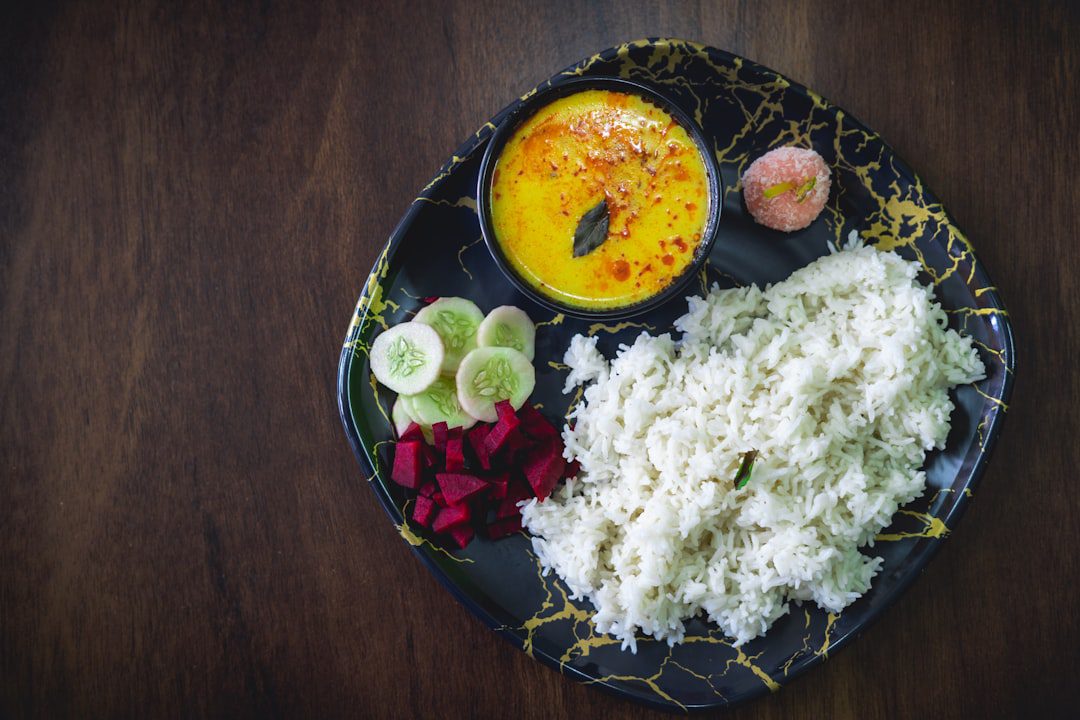
The core Vegetarian-Friendly Indian Middle Eastern experience in Dubai is one of shared plates and bold discoveries. A typical journey might begin in a bustling Indian restaurant in Bur Dubai or Karama. Here, you’ll be greeted with the scent of cumin, coriander, and turmeric. Start with crispy *pani puri* or soft *paneer tikka*. Then, move to main courses like creamy *palak paneer* (spinach and cheese) or a robust *chana masala* (chickpea curry), accompanied by fluffy naan or steamed basmati rice.
Subsequently, the Middle Eastern leg of the experience offers a different, equally vibrant tempo. Lebanese mezze is a social affair, featuring small plates like creamy hummus, smoky baba ghanoush, and crispy falafel. Iranian cuisine introduces you to the art of *polo* (rice dishes) with saffron and dried fruits. Finally, exploring Emirati home-style cooking reveals comforting stews and spiced rice. This culinary exploration pairs wonderfully with visiting other cultural sites, such as the magnificent Sheikh Zayed Grand Mosque on a day trip.
Culinary Details & Signature Dishes
Indian vegetarian cuisine is incredibly regional. North Indian favorites include *dal makhani* (black lentils simmered overnight), *malai kofta* (vegetable dumplings in a creamy sauce), and various *paneer* (cottage cheese) preparations. South Indian specialties feature *dosa* (fermented rice crepes), *idli* (steamed rice cakes), and coconut-based vegetable curries. Street food classics like *pav bhaji* (spiced vegetable mash with bread) and *bhel puri* (puffed rice salad) are essential tries. Breads like *roti*, *paratha*, and *naan* are staples for scooping up delicious curries.
Meanwhile, the Middle Eastern table shines with its mezze. Key dishes include *tabbouleh* (parsley and bulgur salad), *fattoush* (bread salad), *warak enab* (stuffed grape leaves), and *muhammara* (red pepper and walnut dip). Iranian cuisine is renowned for its rice dishes like *zereshk polo* (with barberries) and *baghali polo* (with dill and fava beans). Additionally, *kashk-e bademjan* (eggplant dip) and various *kuku* (herb frittatas) are beloved. Emirati vegetarian options often feature *harees* (wheat and lentil porridge) and *saloona* (vegetable stew).
Need Travel Advice?
Dining Planning & Practical Tips
Planning your vegetarian culinary tour requires some strategy. First, research neighborhoods: Bur Dubai and Karama are hubs for authentic, budget-friendly Indian restaurants. Conversely, Jumeirah and Downtown Dubai offer more upscale Middle Eastern and modern fusion venues. Secondly, always check menus online or call ahead if you have specific dietary restrictions, like vegan or gluten-free needs. Many restaurants are accommodating, but communication is key. Finally, consider booking a day trip to Abu Dhabi to expand your culinary horizons further.
Moreover, embracing local dining etiquette enhances the experience. Middle Eastern meals are often shared communally, so order several mezze plates for the table. In Indian settings, using your right hand to eat bread and scoop curry is traditional, though cutlery is always available. Additionally, don’t shy away from asking staff for recommendations; they often know the most popular or authentic dishes. Timing is also important; lunch buffets at Indian restaurants offer fantastic value and variety. Similarly, visiting Lebanese cafes in the evening for mezze and sheesha is a local pastime.
Vegetarian-Friendly Indian Middle Eastern Cultural Significance
The deep cultural significance of Vegetarian-Friendly Indian Middle Eastern food traditions is fascinating. In India, vegetarianism is intertwined with concepts of *ahimsa* (non-violence) and purity. Many festivals and holy days are celebrated with specific vegetarian feasts. This philosophy traveled with the Indian diaspora, making Dubai a hub for authentic, devotion-inspired cooking. Understanding this context adds a layer of respect and appreciation when dining at community-focused establishments in older districts of the city.
Similarly, in the Middle East, mezze reflects a culture of hospitality and generosity. Sharing food from a common plate strengthens social bonds. Furthermore, the reliance on legumes, grains, and vegetables in traditional Emirati cuisine speaks to the resourcefulness of desert life. These dishes were born from what the land could provide. Today, they are cherished as a link to heritage. Experiencing these meals is a direct connection to the region’s soul, much like visiting the historical sites in Al Ain.
Common Dining Mistakes to Avoid
A common mistake is assuming all Middle Eastern dips are automatically vegan. For instance, some versions of *moutabel* or *warak enab* may contain yogurt or meat broth. Always confirm with your server. Another error is over-ordering at Indian restaurants, where portions are often generous and breads are filling. Start with a couple of dishes and add more as needed. Additionally, don’t underestimate the spice level; specify your preferred heat when ordering, as “medium” can vary widely.
Furthermore, limiting yourself to only high-end restaurants means missing the most authentic experiences. Some of the best flavors are found in modest, family-run eateries in Deira or Bur Dubai. Also, avoid rushing the mezze experience; it is meant to be leisurely. Finally, remember that “vegetarian” doesn’t always mean “healthy” – dishes can be rich in ghee, cream, or oil. Balance creamy curries with grilled vegetables and fresh salads. For a balanced trip, mix culinary exploration with active adventures like visiting Dubai’s theme parks.
Expert Restaurant Recommendations
For exceptional Indian vegetarian cuisine, head to **Sarvana Bhavan** in Karama for flawless South Indian classics like dosas and *uthappam*. **Rajdhani Street** in BurJuman offers a fantastic Gujarati/Rajasthani thali experience with unlimited servings. **Gazebo** is renowned for its North Indian fare, especially its biryanis and rich curries. For a modern twist, **Farzi Café** presents “global Indian” tapas-style dishes that are innovative and flavorful. These spots provide a genuine taste of India’s diverse vegetarian palate.
Regarding Middle Eastern gems, **Al Nafoorah** in Jumeirah Emirates Towers serves an exquisite Lebanese mezze in an elegant setting. **Aroos Damascus** in Deira is a legendary, no-frills spot for massive Syrian mezze platters. For Iranian cuisine, **Shabestan** at the Radisson Blu Hotel, Deira, is an institution for its perfectly prepared rice dishes and stews. To sample Emirati flavors, **Local Bites Café** offers traditional vegetable-based meals like *saloona*. For more travel inspiration, explore our guide on things to do in Abu Dhabi.
Frequently Asked Questions About Vegetarian-Friendly Indian Middle Eastern
How long does a Vegetarian-Friendly Indian Middle Eastern food tour take?
A thorough exploration can span days. However, a focused tasting in one neighborhood can be done in an evening. Plan your visit with our experts for a tailored itinerary.
What is required for an authentic dining experience?
Required: an adventurous palate, willingness to share dishes, comfortable clothing for generous meals, and cash for some smaller eateries.
What is the average cost of a vegetarian meal?
Costs vary widely. Street-style meals can cost under AED 30, while upscale restaurant dining may exceed AED 200 per person.
When is the best time for a culinary tour?
Evenings are ideal, as restaurants are most vibrant. For Indian breakfast items like dosa, visit before noon. Avoid Friday lunchtime prayers for some venues.
Is it easy to find vegan options?
Yes, many dishes are naturally vegan. However, always specify “no dairy, no ghee, no yogurt” as ingredients like paneer or cream are common in Indian food.
Is this cuisine family-friendly?
Absolutely. These cuisines are inherently family-oriented. Many dishes appeal to all ages, and sharing plates makes for a fun, interactive meal.
Final Thoughts on Vegetarian-Friendly Indian Middle Eastern
Furthermore, Vegetarian-Friendly Indian Middle Eastern cuisine in Dubai offers an exceptional cultural and gastronomic journey. Moreover, it provides authentic insights into the heritage and hospitality of multiple cultures. Therefore, proper planning and adventurous ordering will significantly enhance your experience. From humble street food to luxurious dining, the city caters to every preference and palate.
TripHabibi provides expert guides, local knowledge, and 24/7 support. Additionally, contact our experts today to craft your perfect food-focused itinerary. Meanwhile, chat with us on WhatsApp for instant support and recommendations for your Dubai culinary adventure..
Related Posts