Wadi Wurayah Visitor Guide is your essential resource for exploring the UAE’s first natural UNESCO World Heritage site. Nestled in the Hajar Mountains of Fujairah, this protected national park spans over 12,700 hectares of dramatic peaks, freshwater pools, and rare biodiversity. Consequently, it has become a must-visit for eco-adventurers and families searching for authentic UAE nature beyond the city lights.
- Location: Fujairah, UAE (approx. 90 minutes from Dubai)
- Best Time to Visit: November to March (October to April for swimming)
- Duration: Half-day (4–6 hours) for most visitors
- Highlights: Al Bithnah Fort, freshwater pools, rare Arabian tahr
- Ideal For: Hikers, photographers, families, nature lovers
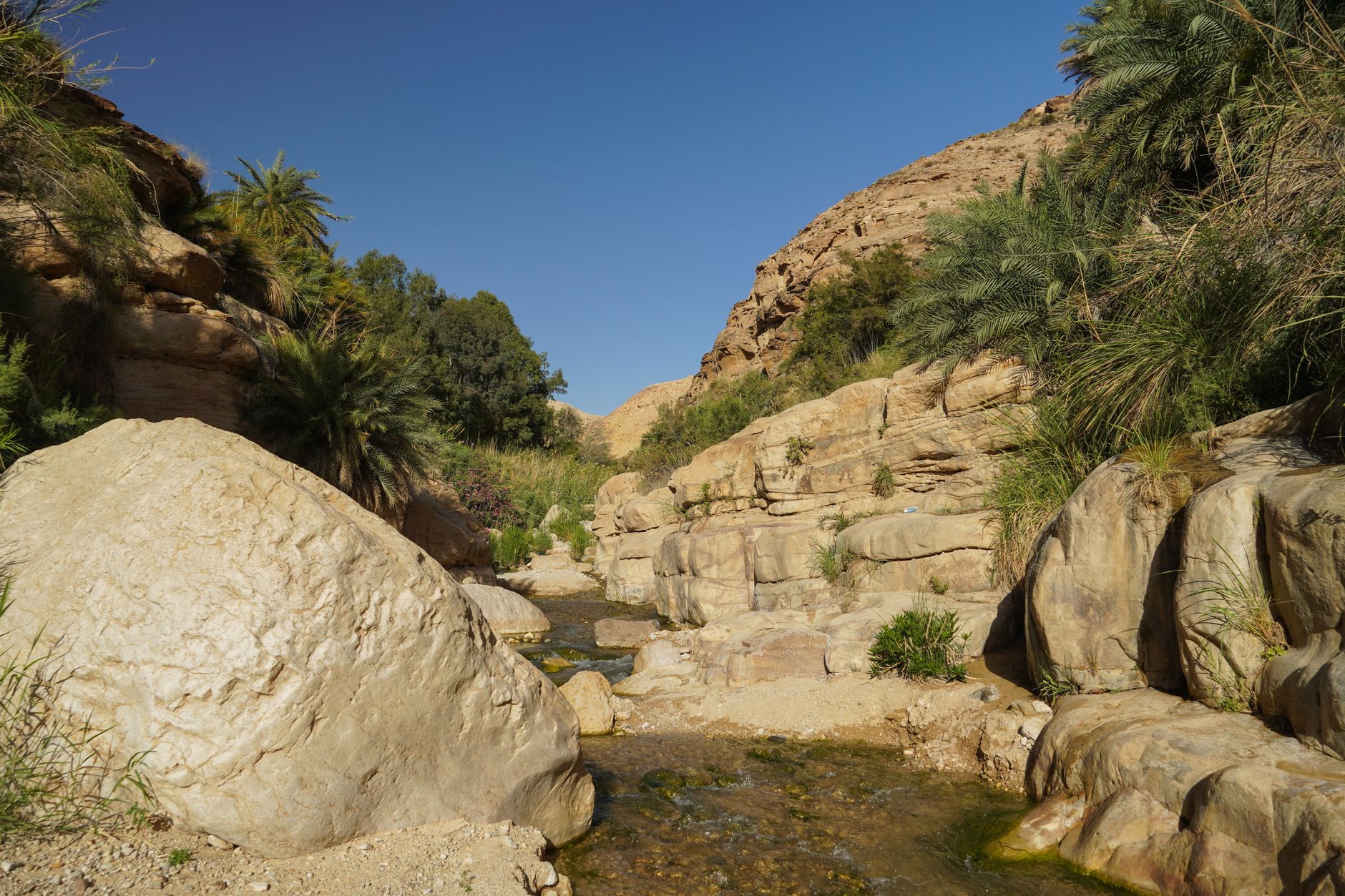
For decades, the wadi’s pristine waterfalls and deep turquoise pools remained hidden from all but the most determined hikers. However, its UNESCO designation in 2018 changed everything, placing this ecological treasure firmly on the global map. Additionally, the park now features clear trails, signposted routes, and ranger-led initiatives that make exploration safer and more rewarding. Whether you seek a challenging trek or a peaceful picnic, this guide reveals exactly what you need to know.
At TripHabibi, our team of Dubai-based travel experts has helped over 10,000 travellers experience the UAE authentically. For this reason, we offer private, customised tours — not crowded group experiences. Contact our local experts or message us on WhatsApp for a personalised itinerary.
Ready to Experience Wadi Wurayah with a Private Guide?
Skip the crowds. Private tours, flexible timing, expert local guides.
Browse Private Tours →Popular Tours & Activities
.jpg)
Understanding Wadi Wurayah National Park
What Makes Wadi Wurayah Unique in the UAE?
Wadi Wurayah National Park stands alone as the only natural site in the UAE recognised by UNESCO. Unlike the man-made wonders of Dubai or Abu Dhabi, this landscape formed over millions of years through tectonic activity and water erosion. The wadi is home to the endangered Arabian tahr, a rare mountain goat that survives only in these rugged cliffs. Moreover, the park’s permanent pools and seasonal waterfalls create a desert oasis unlike anywhere else in the Emirates. Freshwater springs support over 100 plant species, including the endemic Dhofar rose.
How Does It Compare to Similar Experiences?
Most UAE nature experiences revolve around the desert, but Wadi Wurayah offers something distinctly different — vertical granite landscapes and cold mountain streams. For instance, the famous Dubai Desert Conservation Reserve focuses on rolling dunes and camel caravans, whereas Wurayah demands physical exertion and rewards you with canyon swimming holes. Similarly, Hatta’s hydroelectric dam draws crowds for kayaking, yet Wurayah feels truly remote and untouched. That said, both experiences share a common thread: a deep connection to the Hajar Mountains’ dramatic geology. However, only Wurayah holds the UNESCO title.
Why Choose This Experience
Who Is This Experience Best For?
Wadi Wurayah suits adventurous families with children aged 8 and above who enjoy walking and splashing in shallow pools. However, those seeking a luxury resort vibe or paved pathways will find the terrain challenging. Indeed, the park requires sturdy shoes and a reasonable fitness level, especially on the upper trails. Furthermore, birdwatchers will delight in spotting Barbary partridges and Bonelli’s eagles circling overhead. Above all, eco-conscious travellers who value conservation over commercialisation will appreciate the park’s strict protection rules.
Top Reasons to Book
- UNESCO Recognition — The UAE’s first and only natural World Heritage Site.
- Rare Wildlife — Spot the Arabian tahr, caracal, and 190+ butterfly species.
- Stunning Geology — Dramatic granite gorges and multi-tiered waterfalls.
- Exclusive Permits — Limited daily visitors ensure uncrowded trails.
- Cultural History — Passing Al Bithnah Fort, one of the oldest military buildings.
- Authentic Adventure — A raw, unscripted escape far from manufactured attractions.
According to Visit Dubai, the UAE welcomed over 17 million tourists in 2024 — yet remarkably few have explored this natural park.
Wadi Wurayah Experience: What Awaits You
What to Expect During Your Visit
Your journey begins at the visitor centre, where you collect your permit and attend a short briefing on safety rules. Then, a winding gravel road leads to the main trailhead, which descends into the canyon. The single most iconic moment arrives at the first waterfall — a cascading curtain of freshwater crashing into a deep emerald pool. Moreover, you will encounter several smaller pools, natural rock slides, and shaded rest spots under gnarled acacia trees. Most visitors spend 4–5 hours exploring the lower canyon, while serious hikers continue toward the upper catchments.
Insider Details Most Guides Skip
The water temperature in winter hovers around 16°C — refreshing, but a shock to the system. Wetsuits are not provided, so prepare accordingly. Furthermore, the best photography happens between 8am and 10am, when sunlight strikes the canyon walls and illuminates the water’s vivid green hue. A less-known secret is the second, quieter trail near the western boundary, which leads to a hidden cave shelter used by goatherds centuries ago. Notably, rangers patrol the park daily and close certain pools to protect breeding amphibians.
Comparing Your Visit Options
However, Wadi Wurayah’s strict visitor cap means planning is essential. The table below breaks down the main ways to explore this extraordinary site.
You May Also Like


What Is and Is Not Included
Every visit includes access to the lower canyon trails, the main waterfall viewpoint, and the visitor centre facilities. What is not included in self-guided visits is any form of guided interpretation, transport, or safety equipment. In contrast, booking a private guide with TripHabibi includes round-trip transport from Dubai, a professional naturalist guide, and comprehensive insurance coverage. Moreover, our guides carry first-aid kits, GPS devices, and emergency satellite phones as standard practice. For this reason, many first-time visitors prefer the peace of mind that comes with local expertise. Additionally, overnight camping is prohibited inside the park boundary, so plan your day trip accordingly.
Questions? Our Local Experts Are Standing By
Get instant answers from our Dubai-based team — free, no obligation.
💬 Chat on WhatsApp →Planning Your Visit
When Is the Best Time to Visit?
The optimal window runs from November through March, when daytime temperatures sit comfortably between 20°C and 28°C. Winter mornings, however, can start as cold as 12°C, so bring a light jacket for the drive. Summer months (June–August) see temperatures above 40°C, making hiking dangerous and often resulting in temporary park closures. Meanwhile, April and October offer warm weather perfect for swimming, but the water level drops significantly by late spring. For the most dramatic waterfall flow, plan your visit within two weeks after significant rainfall — typically in February or March.
Practical Tips Before You Go
Book your permit at least 48 hours in advance via the official UAE immigration authority website, as limited daily slots sell out quickly. Additionally, wear closed-toe hiking shoes with strong grip — the rocks become slippery near waterfalls. Sunscreen, a hat, and insect repellent from things to do in Dubai shopping list are essential. Finally, download offline maps before you leave, because mobile reception is patchy at the trailhead.
Wadi Wurayah Cultural Significance
What Does This Reveal About UAE Culture?
Wadi Wurayah connects modern Emiratis to their ancestral Bedouin roots. For centuries, mountain communities relied on the wadi’s freshwater springs for drinking, irrigation, and their livestock. Moreover, the ancient beehive structures and terrace farming systems visible along the lower slopes prove that survival in the Hajar Mountains demanded ingenuity and cooperation. Consequently, the park is not merely a nature reserve — it is a living museum of Emirati heritage. Furthermore, local folklore speaks of jinn guarding the pools, reflecting how deeply nature shaped cultural beliefs.
Historical Context Every Visitor Should Know
The UAE’s natural heritage protection efforts began relatively recently, with Wurayah receiving federal protected status in 2009. However, the wadi’s significance stretches back over 3,000 years, with archaeological finds including pottery shards and stone tools from the Bronze Age. Notably, Al Bithnah Fort, located near the park entrance, dates back to the early 19th century and once protected this vital mountain pass. As stated by UAE Ministry of Foreign Affairs, UNESCO’s designation in 2018 acknowledged the site’s Outstanding Universal Value to humanity. Thus, walking the wadi means walking through millennia of history.
Common Visitor Mistakes
What Most Tourists Get Wrong
- Underestimating the terrain — many arrive in sandals and average trainers.
- Skipping the permit — rangers turn away unprepared visitors daily.
- Starting after 11am — midday heat exhausts hikers quickly.
- Touching the wildlife — disturbing animals is grounds for fines.
- Leaving litter — even biodegradable items disrupt the balance.
- Lack of swimming gear — forgetting a towel and change of clothes.
How to Avoid These Errors
Begin your hike no later than 8am to beat both heat and crowds. Charge your phone fully, carry a physical map, and inform someone of your planned route. Moreover, carry out every scrap of waste, including apple cores and tissues, and maintain a respectful distance from any wildlife you encounter. Additionally, bring a dry bag to protect electronics when crossing pools. Following IATA travel requirements will help you prepare for outdoor excursions safely — it contains essential packing tips from aviation experts on what to wear and carry.
Book a private guide who knows the water levels and trail conditions in real time. They will adjust your route if recent rain has made the upper canyon impassable — a level of flexibility you simply cannot get with self-guided visits.
Expert Recommendations
How to Get the Most from Your Visit
To fully appreciate Wadi Wurayah, combine your visit with a stop at Al Bithnah Fort and the nearby town of Masafi, famous for its Friday market. Additionally, allow 30 minutes at the visitor centre to watch the interpretive film about the wadi’s geology and wildlife. We strongly recommend using a professional guiding service for first-time visitors. Our Dubai city tours can be customised to include a Wadi Wurayah extension, allowing you to combine mountain and urban experiences seamlessly. Moreover, consider a guided day trip from Dubai for seamless logistics and door-to-door comfort.
What to Combine It With
The Fujairah region rewards visitors who linger. Additionally, after your wadi adventure, drive 30 minutes to the white sands of Fujairah Beach for a well-earned swim. Furthermore, alternatively, history enthusiasts should visit Fujairah Museum and the legendary Al Bidyah Mosque, the UAE’s oldest. However, for the truly ambitious, combine Wadi Wurayah with a sunrise hike up Jebel Quba in Dibba. TripHabibi’s private itineraries allow you to see the eastern coast’s highlights in a single day without rushing — a unique advantage of private over group travel. We handle permits, timing, and reservations, so you simply enjoy the experience.
Frequently Asked Questions About Wadi Wurayah Visitor Guide
How long does Wadi Wurayah Visitor Guide take?
Self-guided visits typically take 4–5 hours, covering roughly 6 kilometres of trails. The duration depends on how often you stop, swim, and take photos. Additionally, our team can tailor the experience to your schedule.
What should I wear for visiting the wadi?
Wear breathable, quick-drying clothing and sturdy closed-toe hiking shoes. Bring a swimsuit and water shoes for the pools. However, our guide will remind you in advance.
Is Wadi Wurayah suitable for families with young children?
Yes, for children aged 8 and above with prior hiking experience. The lower pools are safe for swimming under supervision. Furthermore, TripHabibi offers private family tours with flexible pacing.
What is the best time of year to visit Wadi Wurayah?
Visit between November and March when temperatures range from 18°C to 28°C. Avoid the scorching summer months. In particular, morning visits before 9am avoid the largest tour groups.
Do I need to book Wadi Wurayah in advance?
Yes, a permit is mandatory and strictly limited to 40 visitors daily. You must secure approval at least 48 hours ahead. Therefore, TripHabibi recommends booking at least one week in advance for private tours.
Can I combine Wadi Wurayah with other UAE attractions?
Yes, absolutely. Combine it with Al Bithnah Fort and Fujairah Beach for a perfect east-coast itinerary. Additionally, TripHabibi designs full-day private itineraries combining multiple stops.
Final Thoughts on Wadi Wurayah Visitor Guide
Ultimately, this Wadi Wurayah Visitor Guide confirms the park offers one of the most rewarding natural experiences in the UAE. In fact, between the rare freshwater pools and the ancient Hajar Mountains, this UNESCO site reveals a side of the Emirates that surprises even long-term residents. Indeed, standing beneath a cascading waterfall in the desert is an experience you will never forget.
At TripHabibi, our Dubai-based team offers private, expert-guided tours with flexible timing and 24/7 support. Furthermore, discover the perfect adventure alongside your journey — explore things to do in Abu Dhabi or Dubai desert safari tours to extend your journey. Additionally, book your experience today or chat with us on WhatsApp — we reply within minutes.
Related Tours
Ready to Explore Dubai? Let’s Make It Happen! 🌆
💬 Chat with Our Tour Experts on WhatsAppRelated Posts