At TripHabibi, your trusted travel companion, we provide comprehensive destination guides and authentic travel experiences across the UAE. Our platform helps thousands of travelers discover the best of Dubai and Abu Dhabi. Contact us or reach us on WhatsApp for personalized recommendations.
Ready to Explore Dubai?
Understanding PADI Certification Courses Dubai
PADI Certification Courses Dubai follow a globally recognized, structured progression. The system is modular, building skills and knowledge step-by-step. First, you start with the Open Water Diver course, which certifies you to dive independently with a buddy to 18 meters. Next, the Advanced Open Water course expands your limits to 30 meters and introduces specialty diving. After that, the Rescue Diver course focuses on managing risks and assisting others. Finally, the Divemaster program is the first professional level, turning passion into a career.
Every PADI course blends three core components: knowledge development, confined water training, and open water dives. Knowledge development is typically completed online via PADI eLearning. Confined water sessions, conducted in a pool, allow you to master skills in a controlled environment. Ultimately, open water dives in the sea or a quarry apply your learning in real conditions. This proven method ensures you gain confidence and competence safely under the guidance of certified instructors.
Why Choose Scuba Training in the Emirates?
Dubai offers unique advantages for dive training. The water visibility is consistently good, often exceeding 10 meters, providing an excellent learning environment. Furthermore, the sea temperature remains warm year-round, minimizing the need for thick, restrictive exposure suits. The city’s dive centers are among the most modern and well-equipped globally, featuring heated pools, luxury boats, and premium rental gear. Additionally, the multicultural instructor community means you can likely find training in your native language.
Beyond the practicalities, training in Dubai opens doors to incredible local dive sites. You might complete your open water dives around the World Islands or explore purpose-sunk wrecks like the MV Dara or the Boat Cemetery. Moreover, your certification is a passport to other regional wonders, such as diving with whale sharks in the Arabian Sea or exploring coral reefs in Oman. After your course, you can continue your adventure with a Dubai desert safari tour for a perfect land-and-sea holiday.
PADI Certification Courses Dubai Experience
The core PADI Certification Courses Dubai experience begins with the Open Water Diver program. Typically spanning 3-4 days, this course costs between AED 1,500 and AED 2,200. The price generally includes all learning materials, full equipment rental, pool sessions, boat trips, and the certification fee. Your days will mix theory review, skill practice in the pool, and four thrilling open water dives from a boat. You’ll learn essential skills like buoyancy control, mask clearing, and regulator recovery.
Progressing to Advanced Open Water usually takes 2-3 days and costs AED 1,400 to AED 1,900. This adventure-centric course includes five specialty dives, such as Deep, Navigation, and three electives like Wreck or Night diving. Subsequently, the Rescue Diver course (3-4 days, AED 1,600-AED 2,100) shifts focus to problem-solving. It is often described as challenging but the most rewarding non-professional course. Finally, the professional Divemaster internship involves extensive training over weeks or months, with costs ranging from AED 4,000 to AED 8,000.
Dive School Details & Features
Choosing the right dive center is crucial for a positive learning experience. Reputable schools in Dubai, such as Al Boom Diving, Divers Down, or The Dive Centre, boast PADI 5-Star Instructor Development Center status. This rating indicates the highest standards for training, safety, and equipment. When comparing schools, inquire about instructor-to-student ratios (4:1 is ideal for Open Water), the age and condition of rental equipment, and whether boat fees are included. Additionally, some centers offer hotel transfers, which can add significant convenience.
Most entry-level course packages are all-inclusive. Specifically, you can expect your fee to cover the PADI eLearning code, full scuba gear (BCD, regulator, wetsuit, computer), pool access, boat trips, and the final certification card. However, always confirm what’s included. Some budget prices may exclude the manual or boat fees. For professional courses, understand the internship structure—does it include unlimited training dives or assistances? Reading recent student reviews on platforms like Google or TripAdvisor provides invaluable insight into the actual student experience.
Need Travel Advice?
Training Planning & Essential Tips
Proper planning ensures a smooth and enjoyable certification process. First, you must meet the basic prerequisites: be in good physical health, have basic swimming skills, and be at least 10 years old for Junior Open Water. A medical questionnaire will screen for conditions like asthma or heart issues; a doctor’s clearance may be required. Booking your course in advance, especially during peak winter season (October to April), is highly recommended. Meanwhile, you can start the PADI eLearning theory portion from home before you even arrive in Dubai.
Packing wisely enhances comfort. Essentials include swimwear, a towel, and sunscreen. Moreover, bring a reusable water bottle to stay hydrated. Although masks, fins, and snorkels are provided, many divers prefer to buy their own mask for a perfect fit. After your dives, Dubai offers countless ways to relax and explore. You could explore Dubai city tours or visit iconic sites like the Burj Khalifa. For a different perspective, consider an Abu Dhabi day trip from Dubai to see the Sheikh Zayed Grand Mosque.

PADI Certification Courses Dubai Cultural Significance
PADI Certification Courses Dubai represent more than just a recreational activity; they connect participants to the UAE’s deep maritime heritage. For centuries, the sea provided sustenance, trade routes, and pearls for the people of this region. Learning to dive here fosters a modern appreciation for the Arabian Gulf’s marine environment. Consequently, divers become ambassadors for its conservation, witnessing firsthand the delicate ecosystems that need protection. This connection to the natural world adds profound cultural value to the certification experience.
The training also promotes values of patience, respect, and teamwork—qualities highly regarded in local culture. Dive briefings emphasize respecting the underwater environment by not touching coral or disturbing wildlife. Furthermore, the buddy system instills a strong sense of mutual responsibility and trust. As you explore local wrecks and reefs, you engage with a living history shaped by the sea. This journey complements other cultural explorations, such as visiting the Dubai Frame or understanding traditions on a Abu Dhabi desert safari.
Common Diving Education Mistakes
Avoidable mistakes can hinder the learning process. First, choosing a course based solely on the lowest price often leads to hidden costs or large class sizes. Instead, prioritize safety standards and instructor reputation. Another common error is not completing the eLearning theory before the practical sessions. This creates unnecessary pressure and delays for you and your group. Additionally, neglecting to inform your instructor of any discomfort or confusion during skills practice prevents them from helping you effectively. Communication is key to safe diving.
Physically, poor hydration and lack of sleep significantly impact your stamina and concentration in the water. Similarly, skipping the pre-dive safety check (BWRAF) is a fundamental mistake, no matter your experience level. Forgetting to apply reef-safe sunscreen or secure loose equipment can also cause problems. Finally, many new divers overlook the importance of proper weighting, leading to poor buoyancy control and potential damage to marine life. Listening carefully to your instructor and asking questions are the simplest ways to avoid these pitfalls.
Expert Scuba Career Recommendations
For those considering a professional path, Dubai presents exceptional opportunities. The Divemaster certification is your gateway to working in the dive industry, allowing you to lead certified divers, assist instructors, and manage dive operations. The local tourism sector, with its high volume of resort divers and dive tourists, constantly seeks professional, multilingual Divemasters and Instructors. Gaining experience in Dubai’s fast-paced, service-oriented environment is a valuable career asset. Many professionals start here before moving to remote liveaboard operations or exotic dive destinations worldwide.
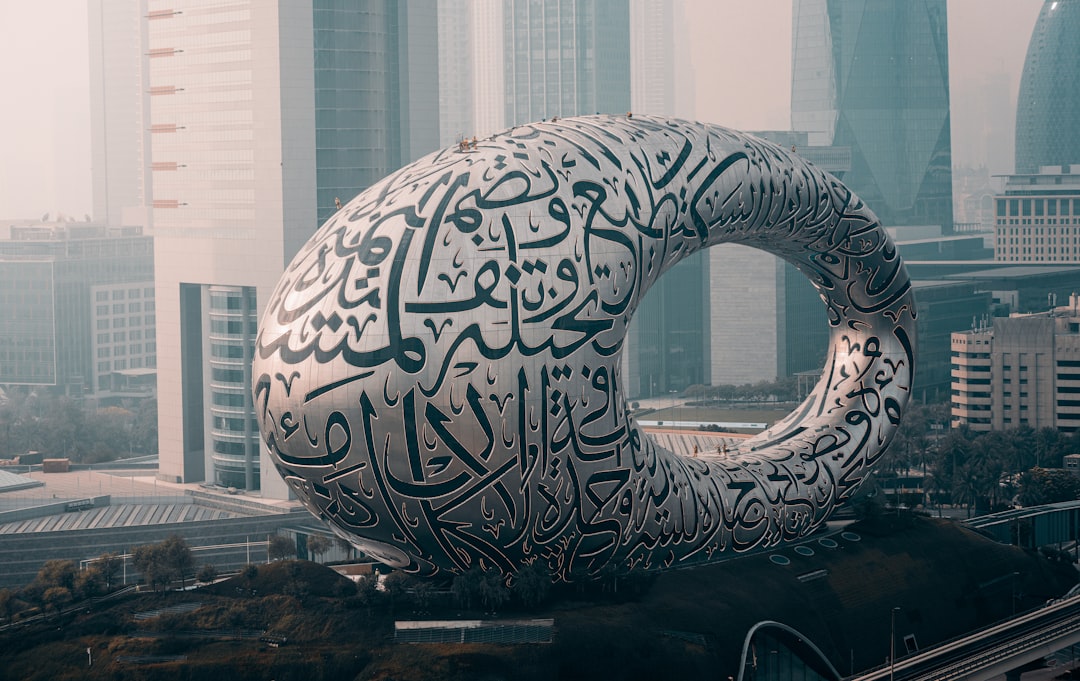
Beyond Divemaster, the Instructor Development Course (IDC) is the next step. Dubai hosts several Course Director training centers, offering some of the highest-caliber IDC programs. Career divers can also specialize in technical diving, underwater photography, or marine conservation roles. The UAE government actively promotes maritime sustainability, creating roles in eco-tourism and research. To explore other high-tech attractions in the region, consider visiting the Museum of the Future. For comprehensive travel planning, our guides on things to do in Abu Dhabi are invaluable resources.
Frequently Asked Questions About PADI Certification Courses Dubai
How long do PADI Certification Courses Dubai take?
The Open Water course typically requires 3-4 full days. Advanced Open Water takes 2-3 days, and Rescue Diver takes 2-3 days. The professional Divemaster course is more extensive, often requiring 4-8 weeks of training and practical experience.
Is swimming ability required for scuba certification?
Yes. You must demonstrate basic swimming skills by swimming 200 meters continuously (any stroke) and treading water for 10 minutes. The goal is comfort in the water, not speed.
What is the cost range for the Open Water course?
In Dubai, the all-inclusive price for the PADI Open Water Diver certification generally ranges from AED 1,500 to AED 2,200. Prices vary based on the dive center’s prestige, group size, and inclusions like boat trips.
When is the best time to get certified in Dubai?
The optimal season is from October to May, when air and water temperatures are pleasantly warm. Summer months (June-September) are very hot and humid, though diving is still conducted and indoor pool training is climate-controlled.
Are there age restrictions for learning to dive?
The minimum age for a PADI Junior Open Water Diver is 10 years old. Juniors have depth restrictions and must dive with a certified adult. The standard Open Water Diver certification is available from age 15.
Is the certification recognized worldwide?
Absolutely. A PADI certification is the most widely recognized scuba credential globally. It allows you to rent equipment, fill tanks, and join guided dive boats at resorts and dive centers almost anywhere in the world.
Final Thoughts on PADI Certification Courses Dubai
Furthermore, PADI Certification Courses Dubai offer a structured, safe, and exhilarating pathway into the underwater world. Moreover, the combination of excellent facilities, professional instructors, and unique dive sites creates an unparalleled learning environment. Therefore, investing in your certification here opens a lifetime of travel and adventure beneath the waves.
TripHabibi provides expert guides, local knowledge, and 24/7 support. Additionally, contact our experts today for help planning your dive trip or any other UAE adventure. Meanwhile, chat with us on WhatsApp for instant support and booking assistance for your next excursion..
Related Posts