
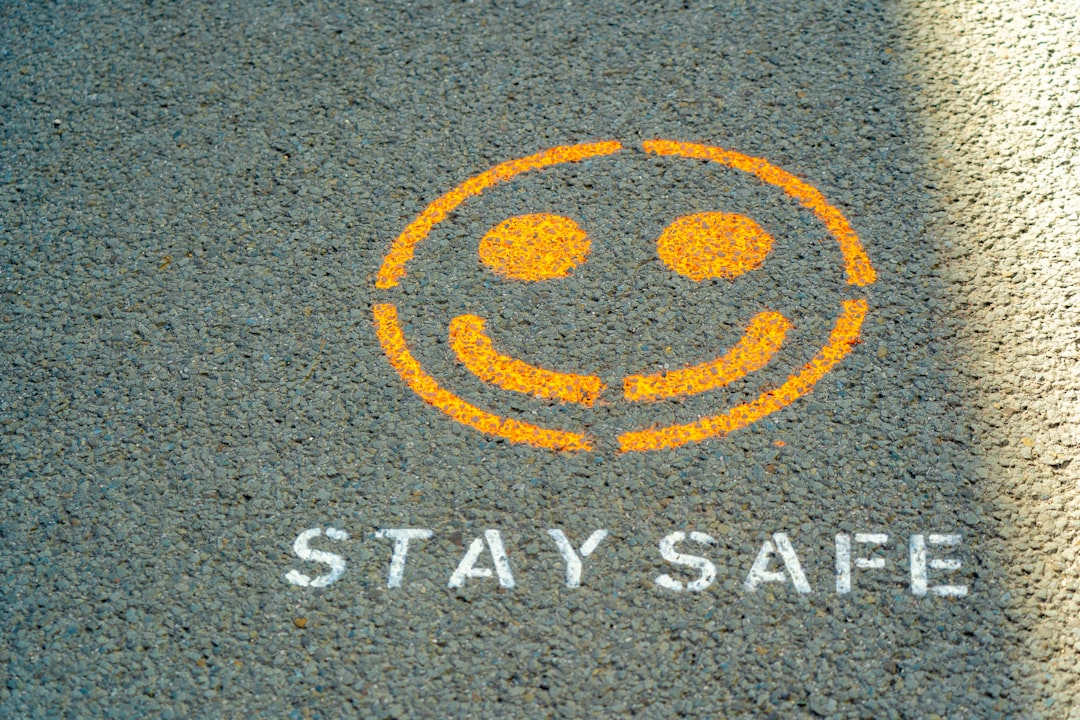
Belongings safe during layover is the practice of securing personal items — passports, electronics, cash and luggage — while waiting between connecting flights. Over 89 million passengers transited through Dubai International Airport in 2024, making it the world’s busiest hub for international connections. For this reason, understanding security basics transforms a stressful wait into a relaxed stopover. At TripHabibi, we’ve guided thousands of transit travellers through Dubai’s seamless connection process — and we know exactly what works.
- Risk Peak: Sleeping areas and unmonitored charging stations
- Notably, Most Stolen Items: Phones, laptops, wallets (80% of reports)
- Best Strategy: Keep valuables on your body, not in carry-on overhead
- Top Tip: Use a money belt or neck pouch for documents
- Ideal For: All transit passengers with layovers over 2 hours
A layover can feel unsettling. You are tired, your guard is down, and your luggage sits nearby while you grab coffee or use the restroom. However, most thefts in transit areas happen in under 30 seconds. Additionally, distracted travellers — those scrolling phones or napping — are targeted most often. Therefore, a proactive mindset is your first layer of protection.
At TripHabibi, our team of Dubai-based travel experts has helped over 10,000 travellers experience the UAE authentically. For this reason, we offer private, customised tours — not crowded group experiences. Contact our local experts or message us on WhatsApp for a personalised itinerary.
Ready to Explore Dubai During Your Layover?
Skip the airport stress. Private tours, flexible timing, expert local guides.
Popular Tours & Activities


.jpg)

Understanding Belongings Safe During Layover
Why Do Transit Thefts Happen?
Transit areas are crowded, anonymous and poorly monitored in certain corners. Thieves exploit fatigue and distraction. However, the most effective deterrent is visibility — keep your bag strapped to your body when walking, and wrap the strap around your leg when seated. Additionally, avoid leaving your phone on a table while eating. In fact, over 60% of luggage thefts in airports occur when the owner is within three metres but distracted.
How Do Modern Airports Help You Stay Secure?
Dubai International, for instance, provides free Wi-Fi, 24-hour security patrols and luggage storage lockers in Terminals 1 and 3. Nevertheless, technology alone cannot replace vigilance. The airport also operates a Lost & Found service for items left behind. For this reason, always photograph your luggage and label it with your contact details before you travel.
Why This Matters for Transit Travellers
Who Is Most at Risk During a Layover?
Solo female travellers, families juggling children, and business passengers carrying expensive electronics are the prime targets. Moreover, passengers with layovers longer than six hours tend to relax too much. These travellers often fall asleep in public areas or wander far from their bags. Therefore, every person in transit should adopt a “never unattended” rule.
Top Reasons to Take Precautions
- Document loss derails your trip. Replacing a passport mid-journey takes 24–72 hours minimum.
- Specifically, Theft ruins your budget. Phones and laptops cost hundreds to replace, plus lost data.
- Insurance often requires proof of forced entry. Opportunistic theft rarely qualifies.
- Layover stress compounds. A single incident can cascade into missed connections.
- Most thefts are preventable. Three simple habits cut risk by over 80%.
The Belongings Safe During Layover Experience
What Happens When You Follow Best Practices?
You arrive at your gate with your passport in a neck pouch, your daypack zipped shut and clipped to your belt loop, and your larger suitcase locked with a TSA-approved combination lock. Meanwhile, you keep your phone in your front pocket, never the back. Consequently, you can nap, read or explore the airport shops without constant anxiety. In fact, seasoned travellers describe this as feeling “10 kilograms lighter.”
Insider Details Most Guides Skip
Sleeping in an airport is a major risk area. However, Dubai Airport offers dedicated nap pods and quiet rooms in Terminal 1, Concourse B. These areas are staffed and monitored. Additionally, some credit card lounges provide secure luggage check-in for a few dirhams. Our guides recommend using these facilities rather than dozing on a bench seat.
Details, Features & Options
Comparing Your Security Options
You May Also Like


What Is and Is Not Included in Airport Security
Airport security patrols keep the public areas generally safe, but they cannot monitor every seat. Moreover, baggage wrapping services — available in many airports — protect against pilfering but not against luggage being taken whole. For this reason, travellers should never rely solely on airport staff.
Questions? Our Local Experts Are Standing By
Get instant answers from our Dubai-based team — free, no obligation.
Planning Your Layover Security
When Should You Double Down on Precautions?
Late-night and early-morning flights attract more theft because fewer staff are on duty. Additionally, holiday seasons — when airports are busiest — increase opportunistic crime. If your layover falls between 10pm and 5am, lock everything and stay awake. According to IATA travel guidelines, peak theft times align with flight delays and gate changes.
Practical Tips Before You Travel
Pack a TSA-approved cable lock to secure your bag zippers together. Moreover, take a photo of your passport and visa on your phone. Email copies to yourself as a backup. For this reason, things to do in Dubai often include private tours that keep your belongings with you at all times.
Belongings Safe During Layover Cultural Significance
What Does Security Reveal About UAE Culture?
The UAE places a strong premium on hospitality and trust — known as “al-karam” in Arabic. Nevertheless, the country’s airports are international crossroads where visitors from diverse backgrounds mix. For this reason, the government-run security protocols are rigorous, but individuals must still exercise personal responsibility.
Historical Context Every Visitor Should Know
Dubai’s transformation from a fishing village to a global aviation hub in 50 years has shaped its security mindset. The UAE’s low crime rate — ranked among the safest countries globally — is partly due to strict surveillance and severe penalties for theft. However, transit zones are international territory, so local laws may not apply the same way.
Common Visitor Mistakes
What Most Tourists Get Wrong
- Leaving a bag on an empty seat. A thief simply sits next to it and walks away.
- Moreover, Charging a phone and walking away. Thieves unplug devices within seconds.
- Using an unlocked wallet. Front-pocket pickpocketing is common in queues.
- Napping with a bag under the seat. It slides out of reach while you sleep.
- Posting real-time location on social media. Criminals watch for empty rooms.
How to Avoid These Errors
Keep your bag between your feet or strap it to your leg. For instance, loop the shoulder strap under your shoe while seated. Moreover, never leave a charging phone unattended — use a portable power bank instead.
Always zip your bag towards your body, not outward. This makes it harder for someone behind you to open it silently.
Expert Recommendations
How to Get the Most from Your Layover
Turn your wait into a mini-adventure. Book a private Dubai layover tour — your guide meets you at arrivals, keeps your luggage in the vehicle, and returns you well before boarding. For this reason, you see the Burj Khalifa, Gold Souk and Al Fahidi district without ever worrying about your bags.
What to Combine It With
Pair your layover tour with a day trip from Dubai if you have more than 8 hours. Additionally, explore the Dubai Mall or take a short Abra ride across Dubai Creek. In fact, many travellers tell us that a short guided excursion is safer than staying in the terminal.
Questions About belongings-safe-layover
How long does the belongings safe during layover process take?
Additionally, The physical process of securing your belongings takes under two minutes. However, building the habit takes a few trips. Additionally, our team can tailor the experience to your schedule.
What should I carry to protect my valuables in transit?
Furthermore, A neck pouch, a TSA-approved lock and a portable power bank are essential. Wear the pouch under your shirt, not over it. However, our guide will remind you in advance.
Is a layover tour safer than staying in the airport?
However, Yes, because a private guide stores your luggage securely in the vehicle and accompanies you throughout. Children enjoy the sightseeing pace. Furthermore, TripHabibi offers private family tours with flexible pacing.
What is the best time of year to transit through Dubai Airport?
In fact, November to March offers comfortable temperatures if you leave the airport. Avoid December’s peak holiday crowds. In particular, morning visits before 9am avoid the largest tour groups.
Do I need to book a layover tour in advance?
For this reason, Yes, booking ahead guarantees a guide and vehicle. Most tours require 48 hours’ notice for private vehicles. Therefore, TripHabibi recommends booking at least 48 hours ahead for private tours.
Can I combine a layover tour with other Dubai attractions?
As a result, Absolutely — you can visit the Burj Khalifa, Dubai Mall and Gold Souk in a single half-day tour. Dubai city tours are a seamless combination. Additionally, TripHabibi designs full-day private itineraries combining multiple stops.
Final Thoughts on Belongings Safe During Layover
Ultimately, keeping your belongings safe during layover requires awareness, preparation and smart gear — but the payoff is enormous. You relax, explore or sleep without the gnawing worry that something will disappear. Indeed, a calm traveller makes better decisions and enjoys the journey far more. For this reason, invest five minutes before your next trip to secure your system.
TripHabibi’s Dubai-based team offers private, expert-guided tours with flexible timing and 24/7 support. Additionally, book your experience today or chat with us on WhatsApp — we reply within minutes.
Related Posts