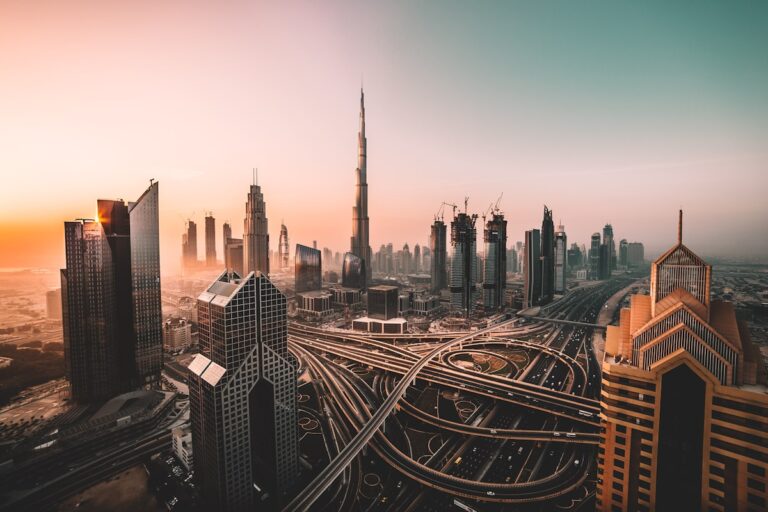
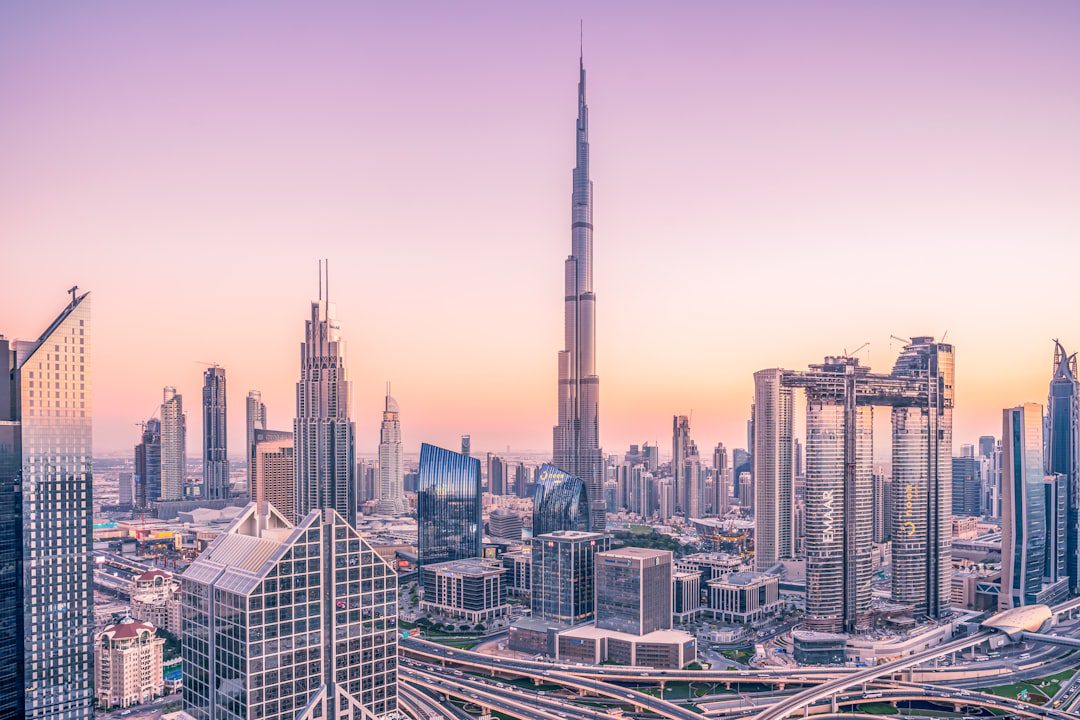
Over 17 million travellers reach Dubai each year — most never step inside a single gallery.
A Dubai Cultural Tour is a privately guided route through the emirate’s galleries, design districts and contemporary architecture. However, it blends Alserkal Avenue’s warehouses, Al Fahidi’s wind towers and Dubai Design District’s studios into one narrative. In fact, unlike a standard heritage walk, it tracks how the city builds culture today. Art-focused travellers choose it for depth, not souvenirs.
- Location: Alserkal Avenue (Al Quoz), Al Fahidi Historical Neighbourhood, Dubai Design District, Dubai Creek
- Best Time to Visit: November–March, departures between 8:30am and 9:00am
- Duration: Half-day (about 4 hours) or full-day (7–9 hours)
- Highlights: Commercial galleries, restored wind-tower courtyards, Jameel Arts Centre, Museum of the Future exterior
- Ideal For: Art collectors, architects, design students, photographers and culturally curious families
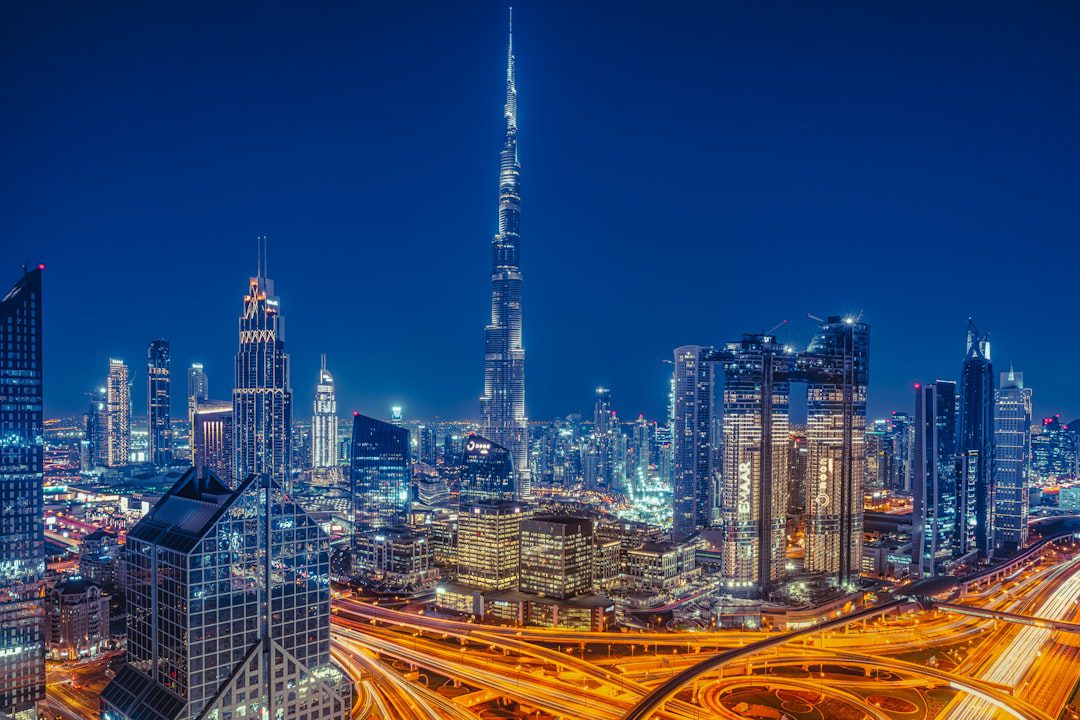
Dubai receives more than 17 million international visitors each year, yet most leave without seeing a single gallery. The emirate now hosts more than 50 commercial art spaces, clustered in a handful of walkable districts. However, the sheer scale makes independent exploring difficult. The creative map spreads from Al Quoz in the south to Al Fahidi and Dubai Creek in the north. Additionally, gallery opening hours shift constantly, and several studios work strictly by appointment. Culture here is not a museum circuit — it is a working industry.
Consequently, a Dubai Cultural Tour led by a resident guide changes what you actually see. At TripHabibi, our team of Dubai-based travel experts has helped over 10,000 travellers experience the UAE authentically. For this reason, we offer private, customised tours — not crowded group experiences. Contact our local experts or message us on WhatsApp for a personalised itinerary.
Ready to Experience Dubai’s Art Scene with a Private Guide?
Skip the crowds. Private tours, flexible timing, expert local guides.
Browse Private Tours →Popular Tours & Activities
.jpg)
Understanding the Dubai Cultural Tour
What Makes a Dubai Cultural Tour Unique in the UAE?
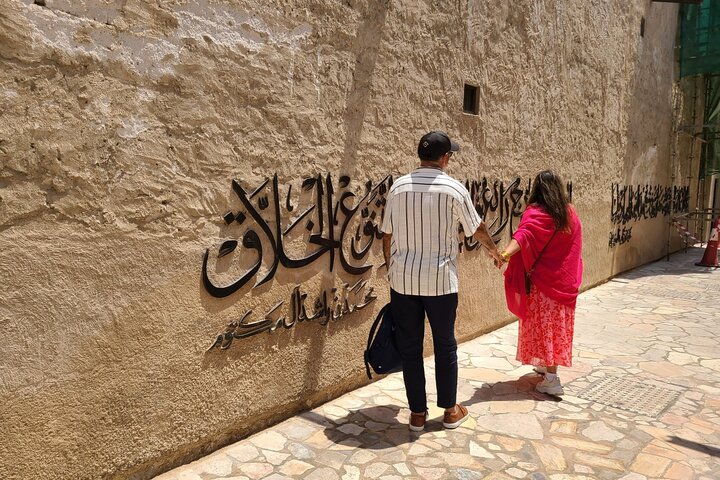
Dubai is the only Gulf city where you can walk from a restored 1890s wind-tower lane to a parametric skyscraper in twenty minutes. Notably, the Dubai Cultural Tour exploits that contrast deliberately. Al Fahidi Historical Neighbourhood dates to the 1890s and was carefully restored from 2000 onwards. However, the route does not stop at heritage. It continues into Alserkal Avenue, a former marble and steel yard in Al Quoz converted into galleries from 2007. Consequently, the day reads as one continuous story rather than a list of stops.
How Does It Compare to a Heritage Walk?
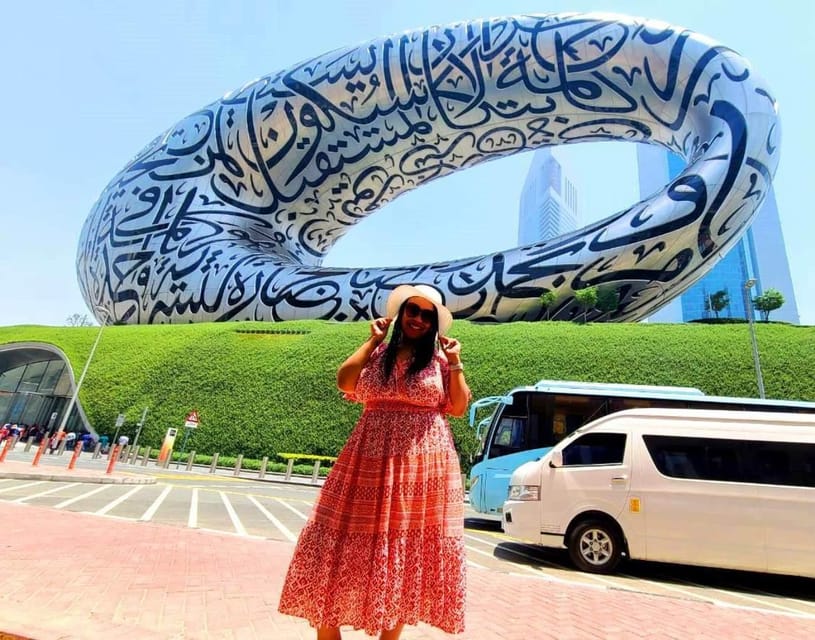
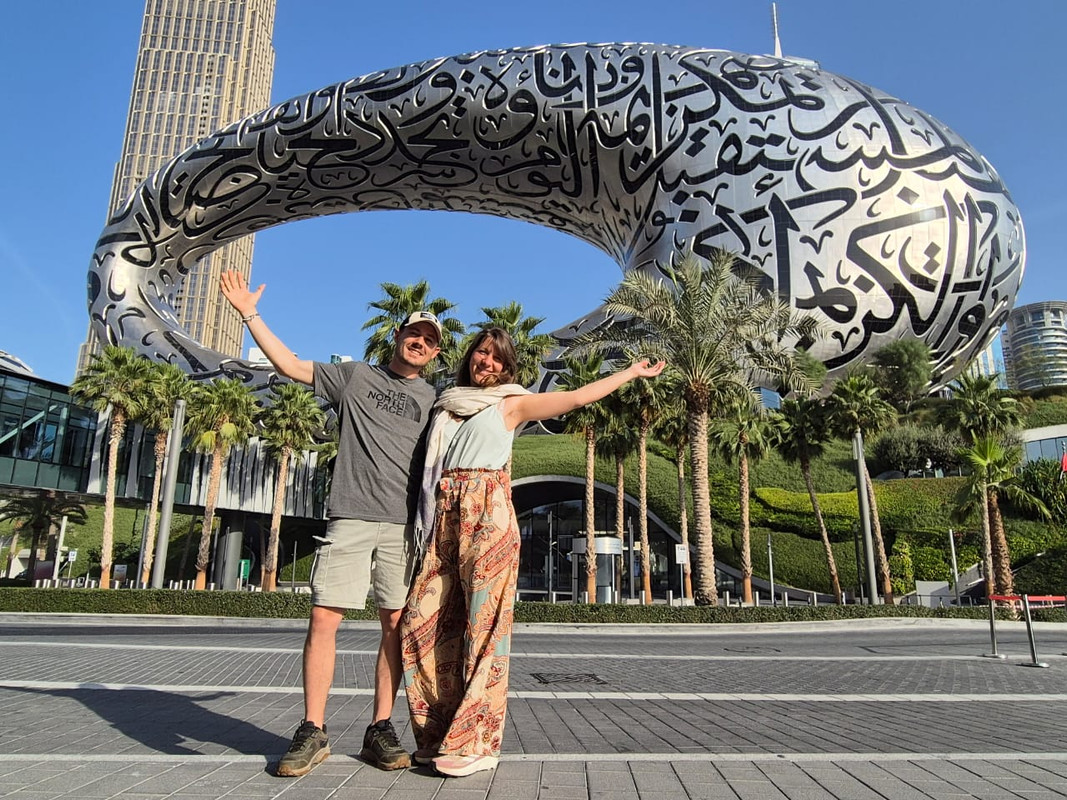
A traditional heritage walk stays inside Al Fahidi and the gold and spice souks. A cultural route pushes further south and east, into working studios and design campuses. Furthermore, it treats architecture as living form — the Museum of the Future’s silver torus, Zaha Hadid’s Opus tower in Business Bay, the Jameel Arts Centre on Dubai Creek. For this reason, travellers with an art or design background find it far more rewarding. In particular, it suits photographers who want buildings in soft light.
Why Choose This Experience
Who Is This Experience Best For?
Collectors, architects, design students and curious families all book this route. Children aged eight and above engage well, especially at Alserkal’s hands-on studios. Besides, the pacing belongs to you — a private car means nobody waits for a group to reassemble. Furthermore, guides can pitch commentary at professional or beginner level without offending either. Most importantly, the experience rewards travellers who have already seen the Burj Khalifa and want something with more substance.
Top Reasons to Book
Six advantages convince most guests to choose private over coach tours:
- A dedicated vehicle and guide for your group across the entire day.
- Meanwhile, Studio and gallery visits arranged in advance, including appointment-only spaces.
- Departure times that flex around prayer times, traffic and jet lag.
- Commentary from guides trained in art history, urbanism and Emirati heritage.
- Photography stops timed for soft morning and late-afternoon light.
- No queuing — every venue on the route is confirmed before you arrive.
Dubai Cultural Tour Experience
What to Expect During Your Visit
Your guide collects you from your hotel between 8:30am and 9:00am. The first stop is usually Alserkal Avenue, where the air smells of roasting coffee and workshop dust. Indeed, galleries including Ayyam and Leila Heller open their doors before the coach groups arrive. The route then moves to Al Fahidi for wind-tower courtyards, the Coffee Museum and a traditional abra crossing. According to Visit Dubai, the emirate’s cultural calendar now spans hundreds of events annually. Finally, a creek-side architecture stop closes the day.
Insider Details Most Guides Skip
Most operators rush Alserkal in ninety minutes. Ours allocates three hours, because conversations with gallerists are the real value. Additionally, several studios open by appointment only, and our guides secure these slots days ahead. The shaded courtyards and clean restrooms sit behind the main avenue, not on it. Moreover, Friday opening hours differ sharply from weekdays across Al Quoz. Dubai city tours with flexible timing handle those shifts effortlessly.
Details, Features & Options
Comparing Your Visit Options
Three formats suit different appetites for art and architecture:
You May Also Like

What Is and Is Not Included
Inclusions cover a private air-conditioned vehicle, an English-speaking guide, hotel pickup and confirmed access to every gallery on the route. Complimentary water and Arabic coffee are served on board. Notably, any ticketed venue admissions are arranged in advance by TripHabibi on your behalf. Not included are personal purchases, artworks or meals beyond the scheduled coffee stop. Therefore, carry a payment card if you intend to buy prints or design objects.
Questions? Our Local Experts Are Standing By
Get instant answers from our Dubai-based team — free, no obligation.
💬 Chat on WhatsApp →Planning Your Visit
When Is the Best Time to Visit?
April and October are shoulder months with thinner crowds and similar conditions. However, summer afternoons above 40°C make outdoor architecture walks genuinely uncomfortable. Therefore, most private routes shift to indoor venues and evening departures between June and September. In particular, mornings before 9:00am avoid both the heat and the largest tour groups.
Practical Tips Before You Go
Wear lightweight clothing that covers shoulders and knees — Al Fahidi and any mosque stop enforce this politely. Comfortable flat shoes matter, because Alserkal’s polished concrete floors are unforgiving. Additionally, carry a refillable bottle and a light scarf for air-conditioned galleries. Plan for 20–30 minutes of walking between venues, with short drives in between. Furthermore, if you want a longer circuit, pair the route with day trips from Dubai across the wider emirate.
Dubai Cultural Tour: Cultural Significance
What Does This Reveal About UAE Culture?
The route reveals a nation building culture quickly and deliberately. Dubai’s leadership has funded museums, biennials and design free zones as part of a long-term economic diversification plan. However, the deeper story is Emirati hospitality — majlis seating, cardamom coffee rituals and genuinely open doors. Consequently, visitors leave understanding how tradition and innovation coexist rather than compete. Indeed, for a fuller picture of the emirate, pair the experience with other things to do in Dubai.
Historical Context Every Visitor Should Know
Dubai’s contemporary art scene is barely two decades old. Specifically, Alserkal Avenue opened in 2007 on a former industrial yard, and Dubai Design District followed in 2013. Moreover, before that, the city’s creative energy lived inside Deira’s trading houses and Creek warehouses. Meanwhile, neighbouring Abu Dhabi is building its own cultural quarter on Saadiyat Island, home to Louvre Abu Dhabi. According to Visit Abu Dhabi, that district anchors the capital’s museum ambitions. So the two cities now form one cultural corridor.
Common Visitor Mistakes
What Most Tourists Get Wrong
Six recurring errors undermine otherwise excellent cultural visits:
- Treating Al Fahidi as the whole story and skipping Al Quoz entirely.
- Booking a coach tour that allows 45 minutes inside a district worth half a day.
- Arriving at galleries on Fridays without checking special opening hours.
- Wearing shorts and vests into heritage courtyards and cultural houses.
- Photographing people, artworks or private homes without asking permission.
- Leaving no buffer time, then rushing the final two stops of the route.
Ask your guide to schedule Alserkal Avenue last, not first. Galleries there often host evening openings, and staying later gives you the chance to meet curators once the daytime crowds have gone.
How to Avoid These Errors
Choose private over group travel and set your own pace through each district. Additionally, verify visa and entry requirements before departure — the UAE immigration authority publishes current rules in English. Confirm gallery opening days by phone on the morning of your visit. Furthermore, dress modestly and always ask before photographing people or artwork. Above all, build slack into the schedule so the last stop never feels rushed.
Expert Recommendations
How to Get the Most from Your Visit
Start early, stay curious and ask your guide to introduce you to gallerists by name. Private groups consistently gain better access than coach parties, simply because conversation becomes possible. Additionally, request a route outline the night before so you can flag your priorities. Most importantly, tell your guide what you collect, study or photograph — the itinerary reshapes around that answer within minutes.
What to Combine It With
Combine the cultural route with Abu Dhabi day trips from Dubai to see Saadiyat’s museums and the Louvre. That said, shorter stays pair naturally with Dubai layover tours that compress the highlights into a few hours. Furthermore, an evening desert safari balances a day spent largely indoors. For families, a theme park morning the following day adds the contrast children need.
How long does a Dubai Cultural Tour take?
A full private route runs seven to nine hours, including hotel pickup, a coffee stop and transfers between districts. Half-day versions take roughly four hours and cover Alserkal Avenue and Dubai Design District. Additionally, our team can tailor the experience to your schedule.
What should I wear for this art and architecture route?
Lightweight clothing that covers shoulders and knees is ideal, plus comfortable flat shoes for gallery floors and heritage lanes. Bring a light scarf for heavily air-conditioned spaces. However, our guide will remind you in advance of anything venue-specific.
Is this cultural route suitable for families with young children?
Yes, generally from around age eight upward. Children particularly enjoy the wind towers, the abra crossing on Dubai Creek and hands-on studio visits. June to September is punishing outdoors, so routes shift indoors or to evenings. In particular, morning visits before 9:00am avoid the largest tour groups.
Do I need to book the experience in advance?
Yes — private guides and appointment-only studios fill quickly between November and March. Most travellers book one to two weeks ahead during peak season. Therefore, TripHabibi recommends booking at least 48 hours ahead for private tours.
Can I combine it with other UAE attractions?
Absolutely. Saadiyat Island, Sharjah’s museum district and the Al Fahidi creek area all connect naturally to an art-focused itinerary. Our Abu Dhabi city tours extend the route across the emirate border. Additionally, TripHabibi designs full-day private itineraries combining multiple stops.
Final Thoughts on Dubai Cultural Tour
Ultimately, a Dubai Cultural Tour answers a question most visitors never think to ask: what does this city actually make? In particular, the wind towers at Al Fahidi, the studios of Alserkal Avenue and the low-rise campuses of Dubai Design District tell that story better than any skyline photograph. Furthermore, having a guide who knows the gallerists by name turns a walk into a conversation. Book it before the itinerary fills.
TripHabibi’s Dubai-based team offers private, expert-guided tours with flexible timing and 24/7 support. Additionally, book your experience today or chat with us on WhatsApp — we reply within minutes.
Related Tours
Ready to Explore Dubai? Let’s Make It Happen! 🌆
💬 Chat with Our Tour Experts on WhatsAppRelated Posts