
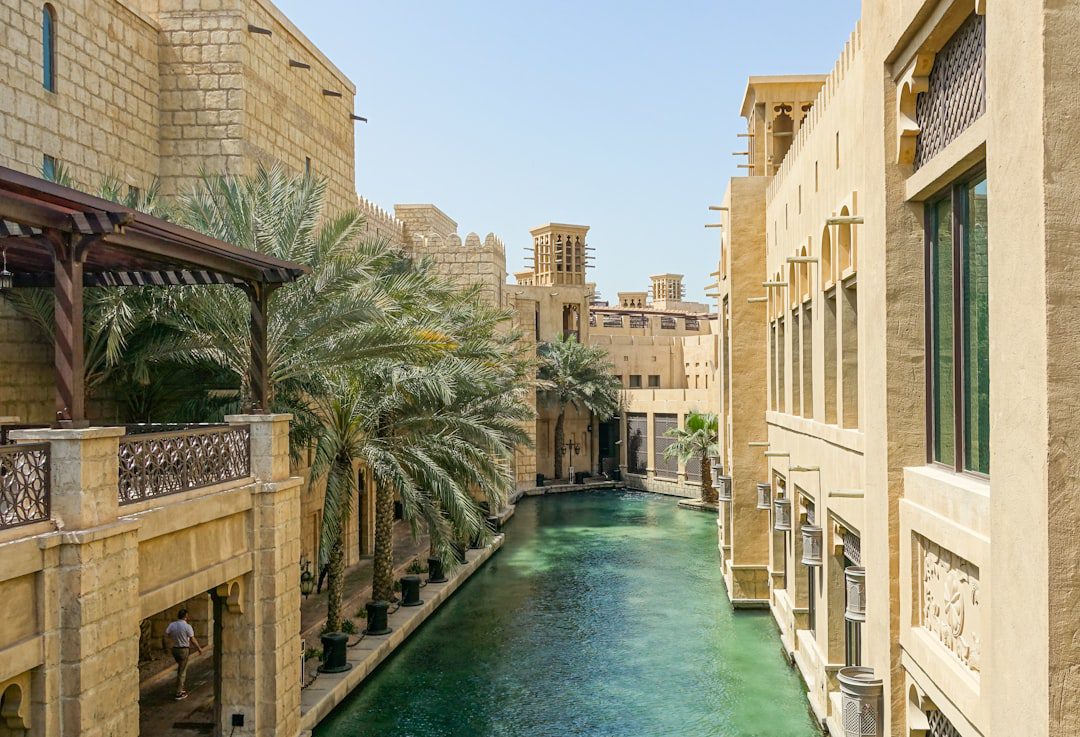
No visit to the emirate is complete without Old Dubai. Here’s exactly how to enjoy it with children — minus the crowds.
A Dubai Heritage Tour is a guided walk through the city’s oldest neighbourhoods — Al Fahidi Historical District, the Al Seef waterfront and the trading lanes of Deira. Additionally, these quarters date to the 1890s, when pearl divers and spice merchants shaped the emirate’s identity. Furthermore, families seek this experience because it delivers authentic Emirati culture without the crowds.
- Location: Al Fahidi Historical Neighbourhood, Bur Dubai, beside Dubai Creek
- Best Time to Visit: October to March, mornings between 8am and 10am
- Duration: Two to three hours for a comfortable family pace
- Highlights: Wind-tower houses, Al Fahidi Fort, an abra ride across the Creek
- Ideal For: Families with children aged 5 and above, curious teens, cultured couples

Old Dubai moves at a slower pace than the glass towers of Downtown. However, here, wind-tower houses, spice souks and wooden abras tell a story stretching back more than a century. However, most visitors rush through it in a single afternoon and miss the details that make Al Fahidi remarkable. A private walk solves that problem entirely. Additionally, children stay engaged when the storytelling is aimed at them rather than at a mixed group of strangers. Narrow lanes become a treasure hunt, and every courtyard hides a lesson about Emirati family life.
Families who book private experiences tell us the same thing again and again: pacing matters more than sightseeing volume. Therefore, we build every itinerary around nap times, snack breaks and genuine curiosity. At TripHabibi, our team of Dubai-based travel experts has helped over 10,000 travellers experience the UAE authentically. For this reason, we offer private, customised tours — not crowded group experiences. Contact our local experts or message us on WhatsApp for a personalised itinerary.
Ready to Experience Old Dubai with a Private Guide?
Skip the crowds. Private tours, flexible timing, expert local guides.
Browse Private Tours →Popular Tours & Activities

.jpg)
Understanding the Dubai Heritage Tour
What Makes Al Fahidi Unique in the UAE?
Al Fahidi Historical Neighbourhood took shape in the late 1890s and remains the emirate’s best-preserved traditional quarter. In fact, its coral-stone houses, narrow sikkas and 50-metre wind towers once cooled entire families without electricity. Additionally, the district sits beside Dubai Creek, where wooden abras have ferried passengers since the 1960s. Roughly 50 restored houses now form a quiet, walkable open-air museum that feels nothing like a theme park.
How Does It Compare to Similar Experiences?
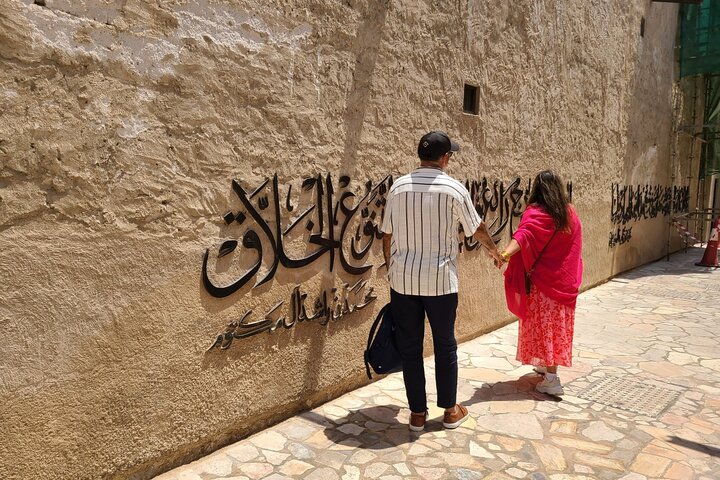
Compared with the heritage villages of Abu Dhabi, Al Fahidi feels lived-in rather than reconstructed. That difference matters enormously to families seeking genuine context. Consequently, children see how real people actually lived instead of viewing a stage set. The nearby Al Fahidi Fort, built in 1787, is the oldest surviving structure in the city. Notably, the district’s cultural centre still hosts Arabic calligraphy and diwan-style storytelling sessions for visitors.
Why Choose a Private Family Walk
Who Is This Experience Best For?
This experience suits affluent families who want culture without queueing behind a flag-waving group. Notably, parents travelling with children aged five to fifteen gain the most, because guides can adapt language and pacing on the spot. Teenagers respond well to the trading stories and Creek crossings. Grandparents also manage comfortably, since the route is flat, shaded and pauses frequently.
Top Reasons to Book
- Flexible pacing — stop for a snack, a nappy change or a photo whenever you wish.
- Child-focused storytelling — history told through treasure hunts, spices and wind towers.
- Zero crowd exposure — private routes avoid the large group convoys.
- Direct guide access — ask anything, from prayer customs to pearl-diving economics.
- Photography freedom — pause in courtyards for family portraits without holding up strangers.
- Comfortable transport — air-conditioned pick-up and drop-off across the city.
Dubai Heritage Tour Experience
What to Expect During Your Visit
Your guide meets you at your hotel or at the Al Fahidi entrance, whichever suits your family. Specifically, the route begins with the wind-tower alleys, where the smell of sandalwood drifts from a small perfume workshop. Afterward, you wander past the coffee museum and into the courtyard of the cultural centre. Expect roughly two to three hours of gentle walking. Then a short abra crossing takes you to the spice and gold souks in Deira.
Insider Details Most Guides Skip
Most walking groups hurry past the narrowest lane in Al Fahidi — the one with the wooden door carved in geometric star patterns. Our local guides pause there deliberately, because it reveals how ventilation, privacy and faith shaped Emirati architecture. Furthermore, the district’s mosque holds one of the oldest surviving minarets in Bur Dubai. According to Visit Dubai, the emirate welcomed over 17 million international visitors in 2024, yet this quarter stays calm on weekday mornings.
Details, Features & Options
Comparing Your Visit Options
Families typically weigh three approaches: a private guided walk, a standard group tour, or exploring independently. Moreover, each delivers a different level of attention and comfort. That said, the table below shows how they differ in practice.
You May Also Like


What Is and Is Not Included
A private booking covers your dedicated guide, hotel pick-up and drop-off, and a bottled water supply for the family. In particular, Complimentary Arabic coffee and dates are typically offered at the cultural centre. However, personal shopping in the souks and meals at independent restaurants fall outside the arrangement. Souvenir budgeting is best handled privately, and our team will happily advise on what to expect.
Questions? Our Local Experts Are Standing By
Get instant answers from our Dubai-based team — free, no obligation.
💬 Chat on WhatsApp →Planning Your Visit
When Is the Best Time to Visit?
October through March brings the most comfortable walking weather, with daytime temperatures between 20°C and 30°C. Meanwhile, summer months push past 40°C, so families should shift to early mornings or late afternoons. In particular, arriving before 9am avoids both the heat and the largest tour convoys. Friday mornings stay quieter than weekends, since many venues open later.
Practical Tips Before You Go
Wear light, loose clothing that covers shoulders and knees, and bring hats for the children. Above all, comfortable sandals work better than new shoes on the uneven lanes. In addition, carry a refillable water bottle, since several courtyards offer complimentary refills. Before travelling, check entry requirements through the UAE immigration authority, and browse our Dubai city tours for route ideas.
Dubai Heritage Tour Cultural Significance
What Does This Reveal About UAE Culture?
Al Fahidi shows how Emirati families lived before oil reshaped the nation. Indeed, houses were built around courtyards so women could move freely in privacy, while wind towers funnelled cool air indoors. Moreover, the majlis — a dedicated sitting room — reveals the centrality of hospitality in Gulf life. Every architectural choice here answered a practical or social need rather than a decorative one.
Historical Context Every Visitor Should Know
Before the 1960s, the Creek economy relied on pearl diving, fishing and trade with Persia and India. Nevertheless, roughly 300,000 people lived across the Trucial States in the 1950s, compared with more than 10 million residents in the UAE today. That contrast helps children grasp how rapidly the nation transformed. Indeed, the UAE Ministry of Foreign Affairs notes that cultural preservation sits at the heart of national identity.
Common Visitor Mistakes
What Most Tourists Get Wrong
- Arriving at midday — heat and crowds peak between 11am and 3pm.
- Wearing beachwear — modest dress is expected in heritage districts.
- Rushing the route — Al Fahidi rewards slow, curious walking.
- Skipping the abra — the one-dirham-style Creek crossing is the highlight for most children.
- Ignoring the souks — Deira’s spice lanes sit ten minutes from the district.
- Booking group tours with toddlers — fixed schedules rarely survive nap time.
Ask your guide to time the walk so you reach the Creek at golden hour. The light on the wind towers is unforgettable, and the abras run until late evening — perfect for families who prefer a relaxed afternoon start.
How to Avoid These Errors
Simple preparation removes almost every frustration. Also, start your walk early, dress modestly and let the children set the tempo. Guides who work with families build in shaded rest stops automatically. Above all, treat the district as a neighbourhood rather than a checklist, and the experience becomes genuinely memorable.
Expert Recommendations
How to Get the Most from Your Visit
Give your guide your children’s ages and interests before arrival, and the itinerary will be shaped around them. Additionally, ask for the storytelling version of the pearl-diving history, which lands far better with younger audiences. Meanwhile, parents who enjoy architecture should request extra time at the wind-tower houses and the coffee museum.
What to Combine It With
A morning walk pairs beautifully with an afternoon at the Dubai Frame or a Creek-side lunch in Al Seef. Furthermore, for a full day, consider extending into our day trips from Dubai or adding an Abu Dhabi cultural stop the following morning. However, private tours remain the better choice for families, since group departures rarely accommodate strollers, naps or spontaneous detours.
How long does Dubai Heritage Tour take?
Most family walks run between two and three hours, including the abra crossing and souk lanes. Pacing, rest stops and your children’s energy levels influence the total. Additionally, our team can tailor the experience to your schedule.
What should I wear for a heritage walk in Old Dubai?
Light, loose clothing covering shoulders and knees works best for everyone, adults and children alike. Comfortable walking shoes and sun hats are essential. However, our guide will remind you in advance so nothing is forgotten on the day.
Is the Old Dubai experience suitable for families with young children?
Yes — children aged five and above typically enjoy it most, thanks to the treasure-hunt format and the abra ride. Toddlers manage fine in a stroller on the flat lanes. Furthermore, TripHabibi offers private family tours with flexible pacing.
What is the best time of year to visit Al Fahidi?
October to March offers the most comfortable temperatures, hovering between 20°C and 30°C. Summer visits are best scheduled at dawn or after 5pm. In particular, morning visits before 9am avoid the largest tour groups.
Do I need to book a private cultural walk in advance?
Yes, especially during peak season from November to February. Private guides are limited, and good ones fill their diaries quickly. Therefore, TripHabibi recommends booking at least 48 hours ahead for private tours.
Can I combine the heritage district with other UAE attractions?
Absolutely — Al Fahidi sits close to the Dubai Frame, Al Seef and the Deira souks, all easy to add on the same day. Many families also pair it with our things to do in Dubai suggestions. Additionally, TripHabibi designs full-day private itineraries combining multiple stops.
Final Thoughts on Dubai Heritage Tour
Ultimately, Old Dubai rewards families who slow down. In fact, a Dubai Heritage Tour turns coral walls, wind towers and spice lanes into a living classroom where children ask real questions and parents genuinely relax. Furthermore, the absence of crowds means your memories stay yours — unhurried, unhassled and impossible to replicate on a group coach.
TripHabibi’s Dubai-based team offers private, expert-guided tours with flexible timing and 24/7 support. Additionally, book your experience today or chat with us on WhatsApp — we reply within minutes.
Related Tours
Ready to Explore Dubai? Let’s Make It Happen! 🌆
💬 Chat with Our Tour Experts on WhatsAppRelated Posts