At TripHabibi, your trusted travel companion, we provide comprehensive destination guides and authentic travel experiences across the UAE. Our platform helps thousands of travelers discover the best of Dubai and Abu Dhabi. Contact us or reach us on WhatsApp for personalized recommendations.
Ready to Explore Dubai?
Understanding UAE Ramadan Tourism
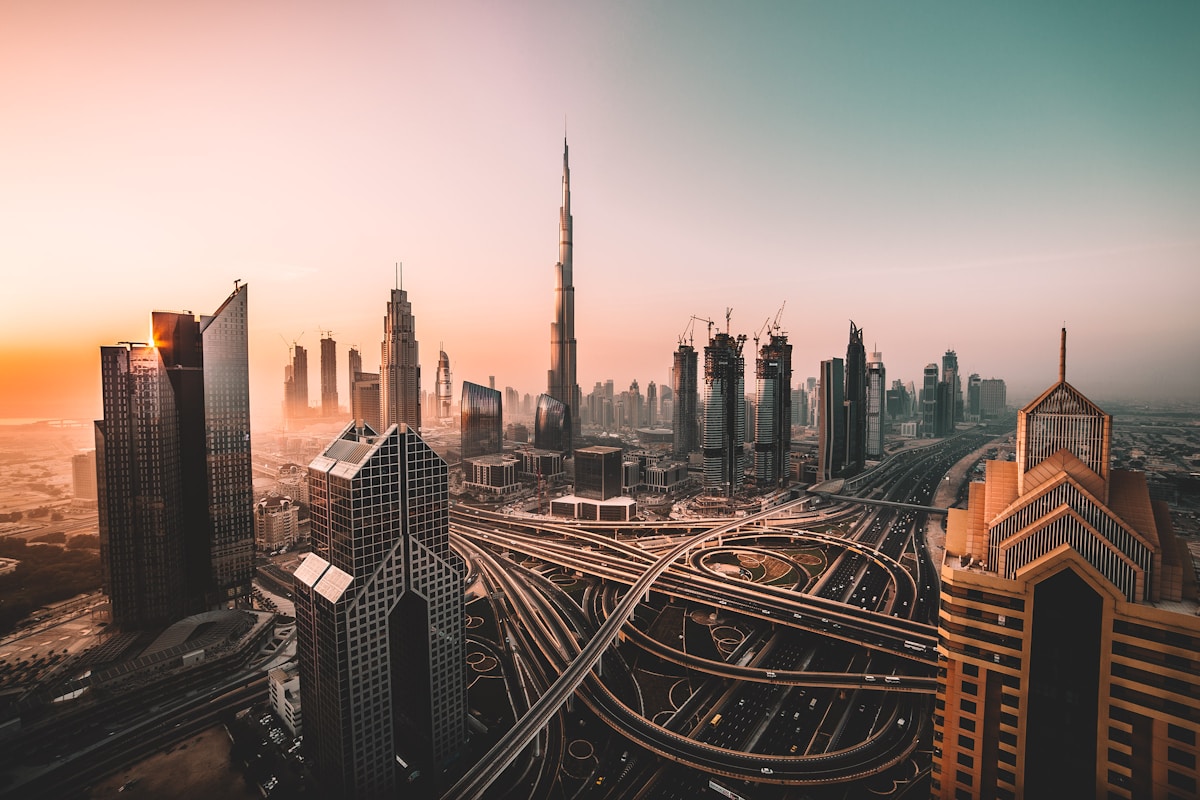
The UAE is absolutely open for tourism during Ramadan. In fact, it’s a fantastic time to visit for culturally curious travelers. The pace of life shifts to accommodate fasting hours, but major infrastructure and attractions continue to operate. Importantly, the myth of a “shutdown” is completely false. Malls, beaches, and landmarks like the Burj Khalifa welcome visitors, albeit with adjusted timings. The key for tourists is understanding and respecting the spiritual significance of the month while adapting to the new daily schedule.
Furthermore, you’ll find a more relaxed atmosphere with fewer crowds at popular sites. Additionally, evenings come alive with special cultural events, festive decorations, and the unique energy of Iftar gatherings. Therefore, with a little planning, your UAE Ramadan visit can be incredibly rewarding. You’ll experience the destination in a way few other tourists do, gaining deeper insight into local life and hospitality.
Why Choose a Ramadan Visit?
Visiting the UAE during Ramadan offers distinct advantages. Firstly, you’ll encounter shorter lines and less congestion at major attractions and theme parks. This means more efficient sightseeing and a more pleasant experience overall. Secondly, the cultural immersion is unparalleled. You have the opportunity to witness and even participate in traditional Iftar and Suhoor meals, which are beautiful expressions of community and generosity.
Moreover, many hotels and tour operators offer special Ramadan packages and promotions. These often include lavish Iftar buffets, cultural performances, and unique evening tours. The weather is also typically still pleasant, especially in the earlier part of the holy month. Finally, experiencing the rhythm of life during this sacred time provides a meaningful perspective that goes beyond standard tourism, fostering a genuine connection with Emirati culture.
UAE Ramadan Tourism Experience
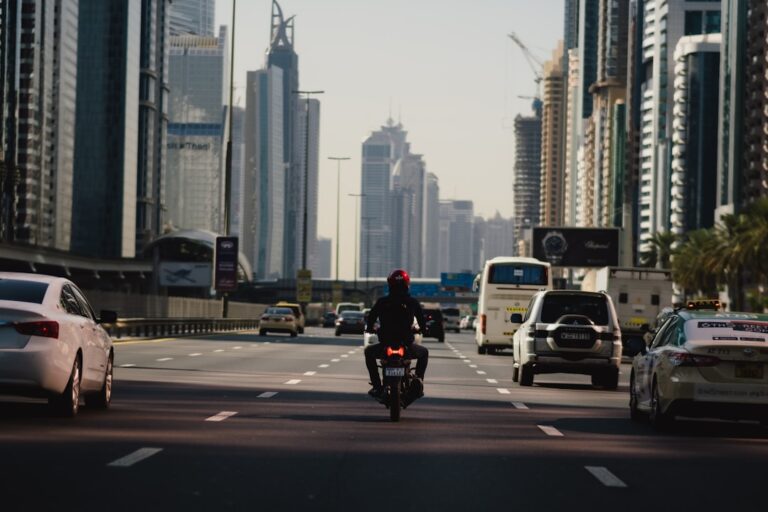
The core UAE Ramadan tourism experience revolves around adjusted hours and vibrant evenings. Major tourist sites generally open later in the morning, around 10 or 11 am, and close later in the evening, often past midnight. For instance, shopping malls extend their hours well into the night. Daytime is quieter, perfect for indoor activities like visiting the Louvre Abu Dhabi or the Museum of the Future. As sunset approaches, the city transforms.
Furthermore, the period after Iftar is a hive of social activity. Streets fill with people, cafes buzz with conversation, and special night markets often pop up. Many families enjoy evening strolls and shopping. Consequently, planning your days to start a bit later and your evenings to extend longer is the optimal strategy. This rhythm allows you to fully engage with the unique daily cycle that defines Ramadan in the Emirates.
Dining and Attraction Details
Dining during daylight hours requires awareness. While fasting Muslims abstain from food and drink from sunrise to sunset, non-fasting residents and tourists are not required to fast. However, out of respect, it is expected that you do not eat, drink, or smoke in public spaces during fasting hours. Most restaurants and cafes will be closed for dine-in service until Iftar. Importantly, many hotels operate screened or partitioned dining areas where food and drink are served to guests throughout the day.
Additionally, food courts in major malls often have designated, discreet dining zones open for tourists. Delivery services like Deliveroo and Talabat operate normally. Once the Maghrib call to prayer signals sunset, an incredible array of dining options becomes available. From extravagant hotel Iftar buffets to traditional street food, the choices are endless and festive. For activities, most attractions like the Dubai desert safari tours run on schedule, often with evening departures being particularly popular.
Need Travel Advice?
Daily Planning and Tips
Successful daily planning hinges on timing. Schedule outdoor activities, beach visits, or Dubai city tours for the morning before the peak afternoon heat. Alternatively, plan them for the cooler evening hours after 8 PM. For indoor activities like museums, galleries, and mall shopping, the afternoon is perfect. Always check specific attraction websites for confirmed Ramadan timings, as they can change annually. Booking tickets online in advance is also highly recommended.
Moreover, dress more conservatively than usual out of respect for the holy month. Clothing should cover shoulders and knees in public areas. Public behavior should be generally subdued; loud music and rowdiness are frowned upon. Carry a bottle of water, but be discreet if you need to drink—find a private corner or use your vehicle. Finally, embrace the spirit of generosity; saying “Ramadan Kareem” is a warm and appreciated greeting.
UAE Ramadan Tourism Cultural Significance
Understanding the cultural significance of UAE Ramadan tourism enriches your visit immensely. Ramadan is a month of fasting, prayer, reflection, and community for Muslims. The altered pace is not an inconvenience but a profound spiritual practice. As a tourist, your respectful observance is a form of cultural appreciation. Participating in an Iftar meal, for example, is more than just dining; it’s sharing in a ritual of gratitude and breaking bread together.
Furthermore, many cultural institutions host special exhibitions, lectures, and night markets themed around Ramadan traditions and heritage. Visiting a mosque for a guided tour, such as the magnificent Sheikh Zayed Grand Mosque, offers deeper insight. This context transforms your trip from a simple holiday into a meaningful cross-cultural experience. You become a considerate observer and participant in a cherished annual tradition.
Common Tourist Mistakes
Avoiding common mistakes ensures a smooth and respectful trip. First, never assume you can freely eat or drink in plain sight during fasting hours. Always seek a designated, screened area. Second, do not get frustrated with slower service or adjusted hours; patience is a virtue greatly appreciated during this time. Third, refrain from playing loud music in public or from your car windows. The general ambiance is one of tranquility.
Additionally, don’t limit your evening plans. Many tourists make the error of returning to their hotel early, missing the vibrant post-Iftar atmosphere. Similarly, don’t skip the opportunity to try a traditional Iftar, even if just once. Finally, avoid scheduling important meetings or transactions right before Iftar, as businesses will be winding down for the breaking of the fast. Planning around this natural daily pause is crucial.
Expert Evening Recommendations
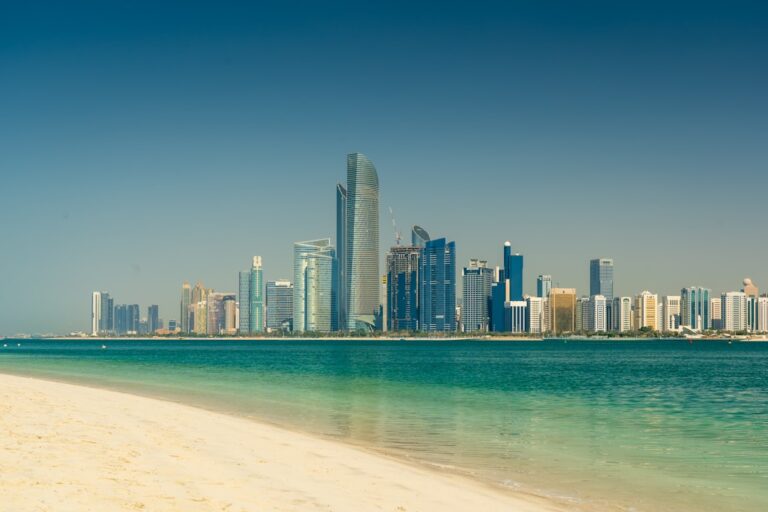
Expert recommendations focus on maximizing the magical Ramadan evenings. Prioritize attending a grand Iftar buffet at a luxury hotel; it’s a feast for the senses with incredible variety. Explore Ramadan-specific night markets (like Ramadan Night Market or Dubai Ramadan District) for unique souvenirs, crafts, and street food. Consider a special evening tour, such as a Abu Dhabi city tour to see mosques and monuments beautifully illuminated.
Moreover, visit popular attractions like the Dubai Frame in the evening when they are less crowded and the city lights provide a stunning backdrop. Enjoy shisha and karak tea at a late-night café, soaking in the social atmosphere. For families, many malls host special entertainment and activities for children after Iftar. Ultimately, let your evenings be long, leisurely, and filled with exploration of the unique nocturnal culture that Ramadan fosters.
Frequently Asked Questions About UAE Ramadan Tourism
Can tourists drink water during Ramadan in UAE?
Yes, but discreetly. Drink in privacy, inside your hotel, car, or in designated screened areas in malls. Avoid drinking openly on the street.
Are all restaurants closed during the day?
No. Many hotel restaurants operate normally behind screens. Some mall food courts have designated dining zones. Delivery services are fully operational.
Do tourist attractions have different hours?
Yes, most operate on adjusted Ramadan timings, typically opening later (e.g., 10 AM) and closing later (e.g., 1 AM). Always verify online before visiting.
Is it appropriate to say “Ramadan Kareem”?
Absolutely. It is a common and respectful greeting meaning “Generous Ramadan.” It is warmly received by residents.
Can I wear normal vacation clothes?
Dress more conservatively. Cover shoulders and knees in public areas like malls and souks. Swimwear is fine at hotel pools and beaches.
Are nightclubs and bars open?
Most nightclubs close for the month. Bars in hotels usually open after sunset, but live music and dancing are often subdued or suspended.
Final Thoughts on UAE Ramadan Tourism
Furthermore, UAE Ramadan tourism offers exceptional cultural value. Moreover, it provides authentic insights into local heritage and daily life. Therefore, proper planning that respects the holy month’s rhythms enhances your experience significantly. Embrace the slower days and vibrant nights for a truly memorable trip.
TripHabibi provides expert guides, local knowledge, and 24/7 support. Additionally, contact our experts today to help plan your perfect Ramadan visit. Meanwhile, chat with us on WhatsApp for instant support and personalized recommendations for your journey..
Related Posts