
At TripHabibi, your trusted travel companion, we provide comprehensive destination guides and authentic travel experiences across the UAE. Our platform helps thousands of travelers discover the best of Dubai and Abu Dhabi. Contact us or reach us on WhatsApp for personalized recommendations.
Ready to Explore Abu Dhabi?
Understanding Sheikh Zayed Grand Mosque Ramadan
Ramadan, the ninth month of the Islamic lunar calendar, is a period of fasting, prayer, reflection, and community. Specifically, the Sheikh Zayed Grand Mosque Ramadan experience is characterized by extended prayer sessions, a heightened sense of tranquility, and special nightly Taraweeh prayers. Moreover, the mosque’s majestic white domes and minarets are illuminated earlier, creating an even more magical spectacle against the evening sky. Therefore, visiting during this time offers a rare glimpse into the heart of Islamic practice and Emirati culture.
The significance of the mosque as a place of worship is amplified. Consequently, while it remains open to tourists, certain areas and timings are adjusted to accommodate worshippers. Understanding this context is the first step toward a respectful visit. Additionally, the communal spirit of Iftar (the meal to break the fast) permeates the surroundings, offering a unique cultural moment. For a deeper dive into the mosque’s history, explore our dedicated guide to the Sheikh Zayed Grand Mosque.
Why Choose This Iconic Landmark
This architectural masterpiece is more than just a tourist attraction; it is a symbol of unity and peace. Furthermore, its design incorporates elements from various Islamic civilizations, making it a global cultural monument. During Ramadan, its role as a community hub comes to the forefront. Visitors can witness the gathering of thousands of faithful in prayer, a powerful and moving sight that underscores the mosque’s living purpose.
Choosing to visit this site during the holy month allows for a dual appreciation. First, you admire its physical grandeur—the world’s largest hand-knotted carpet, stunning chandeliers, and intricate marble inlay work. Second, you experience its spiritual heartbeat. The serene atmosphere is perfect for quiet contemplation. To complement your cultural journey, consider a Abu Dhabi city tour that includes other landmarks like the Louvre Abu Dhabi.
Sheikh Zayed Grand Mosque Ramadan Experience
The core visitor experience undergoes subtle but important shifts during Ramadan. Opening hours for tourists are typically reduced during the day and extended into the evening. Specifically, the most captivating time to visit is in the late afternoon, allowing you to see the mosque in daylight and witness its transformation at sunset. Moreover, the sound of the Adhan (call to prayer) echoing through the courtyards adds an unforgettable auditory layer to the visual splendor.
A highlight is observing the Iftar cannon tradition. Historically, a cannon blast signaled the time to break the fast. Today, this tradition continues at the mosque, offering a poignant cultural snapshot. Additionally, the mosque often hosts charitable Iftar gatherings, emphasizing the month’s spirit of generosity. For a different perspective on UAE heritage, you can also explore things to do in Al Ain, the nation’s garden city.
Essential Planning & Timings
Accurate planning is crucial for a smooth visit. Tourist visiting hours are usually from 9:00 AM to one hour before sunset, with the mosque closing completely to visitors for approximately two hours before the Maghrib (sunset) prayer for Iftar preparations. It then reopens in the evening, often until midnight. However, these times are subject to change annually based on moon sightings. Always verify the latest schedule on the official Abu Dhabi tourism website before your trip.
Weekends (Friday and Saturday) and the last ten nights of Ramadan (Laylat al-Qadr) are particularly busy with worshippers. Therefore, weekdays often provide a slightly less crowded experience for tourists. Remember, all visits are free of charge, but booking a guided tour slot online is mandatory and highly recommended to avoid disappointment. Consider pairing your visit with an Abu Dhabi day trip from Dubai for a comprehensive experience.
Need Travel Advice?
Dress Code and Behavioral Etiquette
The dress code is strictly enforced year-round but takes on added significance during the holy month. For women, this means a full-length, loose-fitting abaya (provided free at the entrance if needed) and a headscarf to cover the hair. Men must wear long trousers and avoid sleeveless shirts. Furthermore, all visitors should dress modestly even underneath the provided garments as a sign of respect.
Behavioral etiquette is paramount. Public displays of affection, loud conversations, and inappropriate photography are strictly prohibited. Moreover, eating, drinking, or chewing gum on the premises is forbidden during fasting hours. Visitors should move quietly, especially near prayer halls. Following these guidelines ensures you contribute to the serene environment. For more general tips, see our guide on things to do in Abu Dhabi.
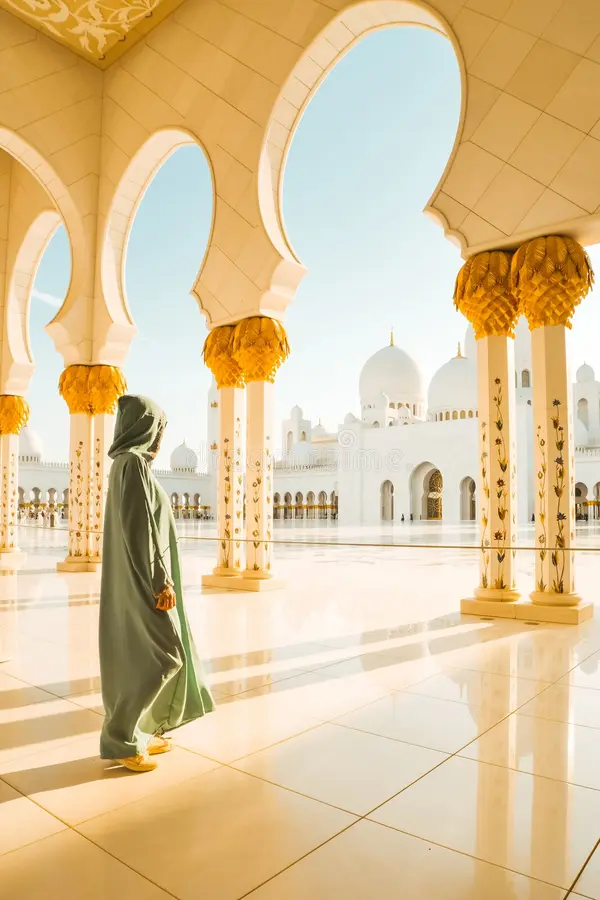
Sheikh Zayed Grand Mosque Ramadan Cultural Significance
This landmark is the final resting place of the UAE’s founding father, Sheikh Zayed bin Sultan Al Nahyan. During Ramadan, his vision of the mosque as a place of cross-cultural dialogue and Islamic learning shines brightly. The nightly Taraweeh prayers, where the entire Quran is recited over the month, represent a profound spiritual journey for Muslims. Witnessing this, even from a respectful distance, is to witness a pillar of Islamic faith.
The mosque’s architecture itself reflects themes central to Ramadan: purity, reflection, and light. The white marble symbolizes purity, while the reflective pools encourage contemplation. The intricate floral designs represent the natural world created by God. Experiencing this space during its most spiritually active period offers a deeper understanding of Emirati identity. Similarly, the Qasr Al Watan palace offers insights into the nation’s governance and heritage.
Common Visitor Mistakes to Avoid
A common mistake is arriving without checking the specific Ramadan timings, leading to a wasted trip during closure periods. Another error is assuming the dress code is more relaxed; it is not. Additionally, visitors sometimes forget that navigation within the mosque is restricted during prayer times. Tourists must remain in designated areas and not walk in front of or disturb those who are praying.
Photography mistakes are frequent. While taking photos of the architecture is encouraged, never photograph worshippers without explicit permission. It is a serious breach of privacy. Furthermore, using flash or tripods may be restricted. Finally, failing to book your free ticket online in advance can result in long waits or denied entry, especially during peak evening hours. For a seamless adventure beyond the city, consider an Abu Dhabi desert safari.
Expert Recommendations for Tourists
Firstly, plan your visit for late afternoon. This allows you to experience the mosque in soft daylight, witness the Iftar preparations and cannon firing (if timed correctly), and see the stunning evening illumination. Secondly, book the official free guided tour. The guides provide invaluable context about Islamic traditions and the mosque’s architecture, enhancing your understanding significantly during Ramadan.
Stay hydrated before your visit, as you cannot drink water on site during fasting hours. Wear comfortable shoes suitable for extensive walking on marble floors. Moreover, after your visit, consider experiencing a community Iftar at a local hotel or charity tent to complete your cultural immersion. For travel formalities, always check the latest international travel requirements. If you’re short on time, an Abu Dhabi layover tour can be expertly arranged.
Frequently Asked Questions About Sheikh Zayed Grand Mosque Ramadan
How long does Sheikh Zayed Grand Mosque Ramadan visit take?
A thorough visit typically takes 1.5 to 2.5 hours. This allows time for the guided tour, personal reflection, and photography. Evening visits during Ramadan may take longer due to crowds. Plan your visit with adequate time.
Can non-Muslims visit during prayer times?
Yes, but access is restricted. Tourists must stay in designated areas and avoid crossing prayer halls. Movement is paused during the actual call to prayer and its commencement as a sign of respect.
Is there a charge for the abaya or headscarf?
No, the mosque provides modest attire (abayas for women, kanduras for men if needed) free of charge at the visitor center. These are hygienically cleaned and must be returned after your visit.
What is the Iftar cannon timing?
The cannon is fired precisely at Maghrib (sunset) prayer time, which changes daily. Check the daily prayer time schedule for Abu Dhabi. Arrive at least 30 minutes prior to secure a good viewing spot.
Are children allowed to visit during Ramadan?
Yes, children are welcome. They must adhere to the dress code (modest clothing) and be supervised closely to maintain the quiet, respectful atmosphere of the mosque during this holy period.
Is photography allowed inside the prayer halls?
Photography of the architecture inside the main prayer hall is permitted for tourists. However, you must never photograph worshippers. Flash photography and tripods are usually prohibited to maintain the sanctity of the space.
Final Thoughts on Sheikh Zayed Grand Mosque Ramadan
Furthermore, the Sheikh Zayed Grand Mosque Ramadan experience offers exceptional cultural and spiritual value. Moreover, it provides authentic insights into the heart of Emirati heritage and Islamic tradition. Therefore, proper planning and respectful conduct enhance your visit significantly, creating memories that extend far beyond typical tourism.
TripHabibi provides expert guides, local knowledge, and 24/7 support for your UAE journey. Additionally, contact our experts today to tailor your Abu Dhabi itinerary. Meanwhile, chat with us on WhatsApp for instant support and booking assistance for tours like a Dubai desert safari or a visit to the Museum of the Future..
Related Posts