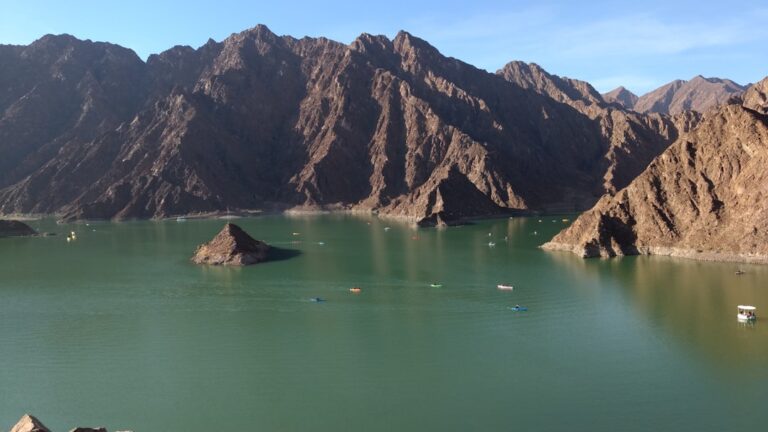
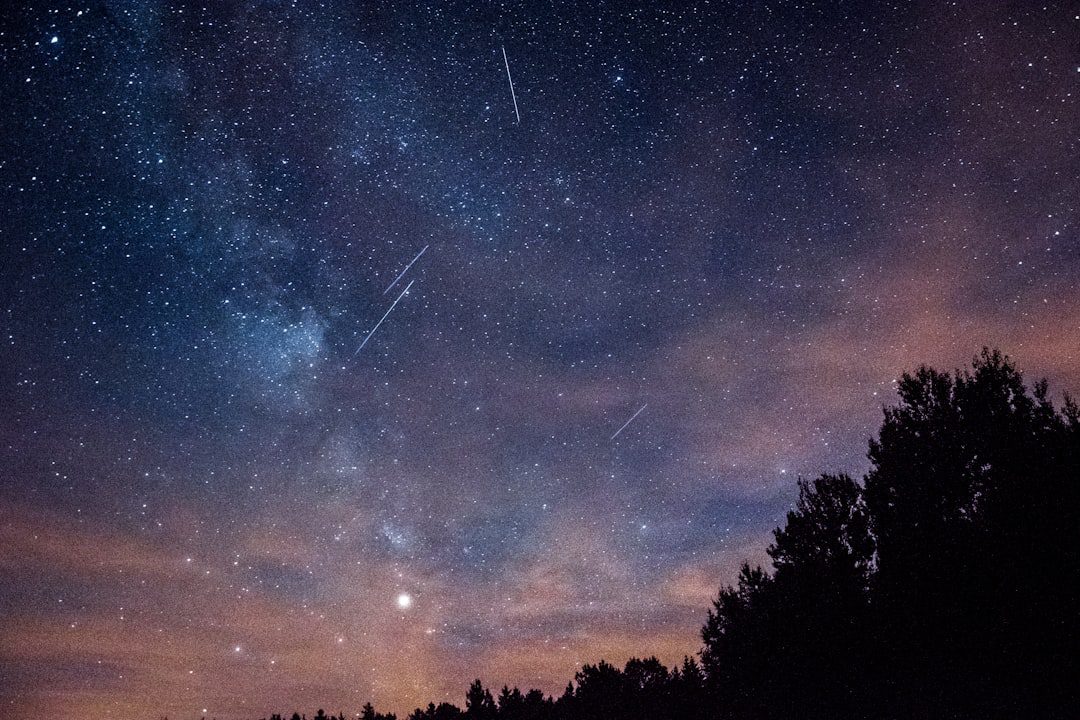
Perseids Meteor Shower UAE is the August night-sky spectacle named after the constellation Perseus, visible across the Northern Emirates and the desert interior. However, every year, Earth crosses debris from Comet Swift-Tuttle, igniting fast, bright meteors. In fact, because the UAE offers vast, cloud-free desert skies, it has become a top stargazing destination.
- Location: Al Qudra, Liwa, Al Quaa, Jebel Hafeet, Mleiha
- Best Time to Visit: 1:00am–4:30am, August 11–13, 2026
- Duration: 4–5 hours for a complete viewing session
- Highlights: Up to 100 meteors per hour, fireballs, desert camping
- Ideal For: Families, couples, astrophotographers
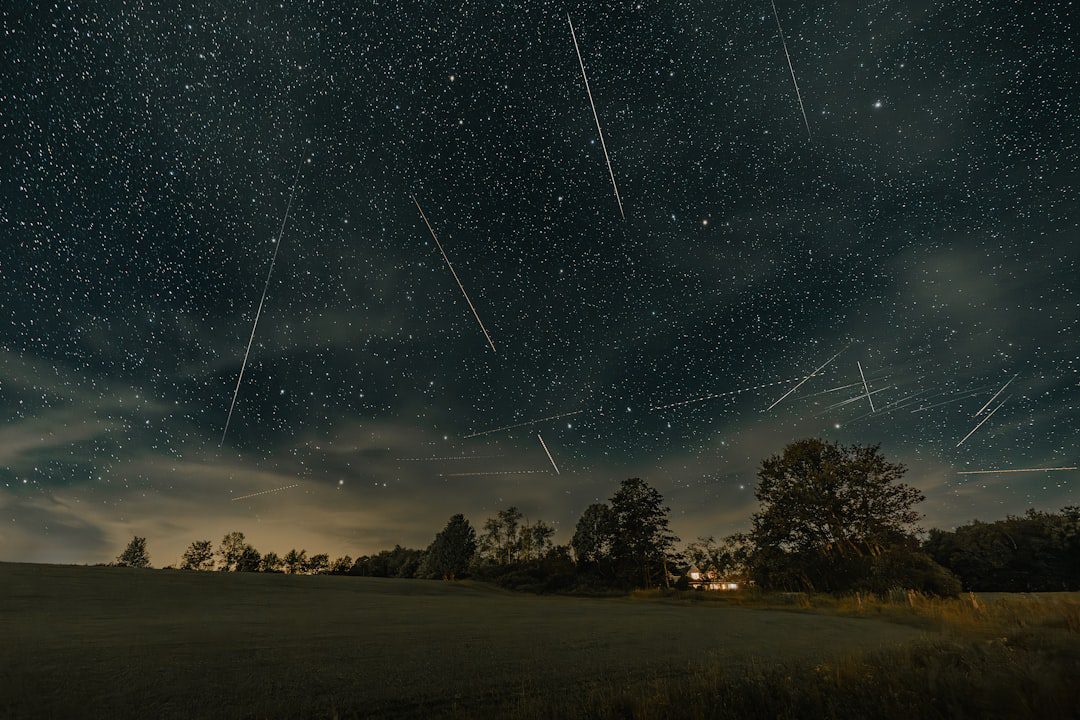
The Perseids return like clockwork every summer, yet each year UAE residents and visitors ask the same question: where can I actually see them? Notably, city lights obscure all but the brightest streaks. The answer lies in the desert — but not every desert spot is equal. A successful meteor night requires dark horizons, clear weather, and a comfortable setup.
At TripHabibi, our team of Dubai-based travel experts has helped over 10,000 travellers experience the UAE authentically. For this reason, we offer private, customised tours — not crowded group experiences. Contact our local experts or message us on WhatsApp for a personalised itinerary.
Ready to Experience the Perseids with a Private Guide?
Skip the crowds. Private tours, flexible timing, expert local guides.
Browse Private Tours →Popular Tours & Activities
.jpg)
Understanding Perseids Meteor Shower UAE
What Makes the Perseids Unique in the UAE?
The Perseids are one of the most reliable meteor showers of the year, peaking each August when Earth passes through debris left by Comet Swift-Tuttle. In the UAE, the show arrives at the end of summer humidity, when inland desert nights are clear and the 2026 Moon will be a thin crescent. However, city lights in Dubai and Abu Dhabi wash out fainter meteors. That said, the desert’s open horizons allow watchers to see up to 100 meteors per hour.
How Does It Compare to Similar Experiences?
Compared to the Geminids in December or the Leonids in November, the Perseids produce more fireballs and persistent trails. The summer temperatures also make overnight viewing far more comfortable than winter showers in the open desert. In particular, the Perseids arrive during school holidays, so families across the Emirates routinely plan desert camping trips. For this reason, UAE tourism boards often list the Perseids as the year’s premier celestial event.
Why Choose This Experience
Who Is This Experience Best For?
This experience suits adventurous families, couples, and photographers who want to escape light pollution. Children over six often remember a meteor shower for years, especially when coupled with a camel ride and a desert campfire. Additionally, solo travellers who join a private night tour benefit from a guide who knows the darkest viewing coordinates. Most importantly, anyone with a smartphone camera can capture the show with just a tripod.
Top Reasons to Book
Booking a private night tour removes uncertainty. Specifically, your guide handles transport, seating, stargazing equipment, and refreshments while you focus on the sky. Moreover, here are five reasons travellers choose TripHabibi for the Perseids:
- Expert local guides select dark-sky sites away from highway glare.
- In fact, Flexible departure times match the meteor peak after midnight.
- Desert convenience includes traditional majlis seating and hot drinks.
- Photography setup assistance for phones and DSLR cameras.
- Private booking means no crowds, no noise, no rushed schedule.
Perseids Meteor Shower UAE Experience
What to Expect During Your Visit
A typical private tour departs in the late evening and reaches the desert within 45 to 90 minutes. That said, after a short welcome with Arabic coffee, your guide sets up reclining loungers facing northeast, where the Perseid radiant rises. In particular, as midnight approaches, the sky slowly fills with streaks of light. The air smells of dry sand and desert herbs, and the only sound is the crackle of a small campfire. By 2am, you may see a meteor every few minutes.
Insider Details Most Guides Skip
Most visitors look straight up, but the brightest Perseids actually appear about halfway up the sky, not at the radiant. Use a reclining chair and keep your eyes on a broad patch of sky. Furthermore, your eyes take 20 minutes to fully adapt to darkness, so avoid glancing at phone screens. In fact, TripHabibi guides use red-light torches to protect your night vision.
Details, Features & Options
Comparing Your Visit Options
You can view the Perseids on your own from a public site, join a group event, or book a private tour. Meanwhile, each option differs by travel time, comfort, and guidance. Above all, below is a quick comparison.
You May Also Like
What Is and Is Not Included
Private tours typically include round-trip transfers from your Dubai or Abu Dhabi accommodation, desert entry, seating, soft drinks, and a guide’s astronomy briefing. However, overnight camping requires an additional arrangement. Meanwhile, meals are not part of a standard shooting-star excursion unless you request them, as hot food tends to distract from the sky.
Questions? Our Local Experts Are Standing By
Get instant answers from our Dubai-based team — free, no obligation.
💬 Chat on WhatsApp →Planning Your Visit
When Is the Best Time to Visit?
In 2026, the Perseids peak on the nights of August 11–13, with maximum activity after midnight and before dawn. In addition, the Moon will be near new, leaving a dark sky for fainter meteors. For this reason, travellers schedule a late-night tour rather than an evening dinner.
Practical Tips Before You Go
Wear long sleeves and trousers, since desert nights cool down sharply despite summer heat. Indeed, bring a torch with a red setting, a folding chair, and a refillable water bottle. Additionally, let someone know your location if you drive independently. According to Visit Dubai, desert areas near Al Qudra are popular, but you need a full tank of fuel and a spare tyre.
Perseids Meteor Shower UAE Cultural Significance
What Does This Reveal About UAE Culture?
Stargazing is woven into Emirati history, as the desert served as an open-air guide for navigation, seasons, and poetry. Nevertheless, bedouin communities used star positions to move caravans safely between oases. Moreover, the Perseids arrival in summer marks a time when families in the Emirates gather outdoors after dusk. This creates a living connection between ancient tradition and modern tourism.
Historical Context Every Visitor Should Know
The meteor shower was recorded in Chinese annals over 2,000 years ago, but its link to Comet Swift-Tuttle was only confirmed in 1862. Also, in the UAE, desert observatories and councils now host public programs under the night sky. For instance, the Al Quaa area near Al Ain has become one of the Emirates’ first dark-sky sites. According to the UAE Ministry of Foreign Affairs, cultural storytelling remains central to desert tourism. Our local guides often begin tours with a short Bedouin star-lore tale.
Common Visitor Mistakes
What Most Tourists Get Wrong
Many visitors arrive late, then leave just as the show begins. Additionally, others try to photograph meteors with an unfixed camera or phone. Additionally, some underestimate how bright a waxing moon can be, or they choose a spot too close to Dubai’s glow. Below are the most common mistakes we see on Perseids night:
- Arriving after 1am and missing the gradual build-up of activity.
- Looking at your phone just before a meteor streak.
- Standing up instead of reclining, which strains the neck.
- Choosing a city park over a true dark-sky desert site.
- Leaving before 3am, when meteor rates often surge.
- Planning a long day beforehand, then falling asleep during the peak.
How to Avoid These Errors
Book a private tour so someone else handles the route and timing. Keep your eyes fully dark-adapted by checking your camera only with a red light. Furthermore, choose a site with no buildings, trees, or road lights on the horizon. Most importantly, stay for at least one full hour; meteor activity comes in bursts, so patience pays.
Ask your guide to position the seating with a clear view of the northeast horizon. The Perseids radiant climbs higher after 2am, but some of the most dramatic fireballs appear low in that direction.
Expert Recommendations
How to Get the Most from Your Visit
Combine the meteor shower with an overnight desert camp at Al Qudra or the Liwa Oasis for a complete experience. Furthermore, arrive before sunset to watch the sky shift from orange to purple to black. Additionally, schedule for the peak night if possible, and use a wide-angle lens at f/2.8 or wider for photography. According to Visit Abu Dhabi, the Al Dhafra region offers some of the darkest skies in the emirate.
What to Combine It With
A private stargazing tour pairs well with a daytime visit to the Sheikh Zayed Grand Mosque, followed by an evening drive to the desert. On the Dubai side, combine the shower with a sunset camel ride at Al Qudra and a barbecue dinner. TripHabibi can also design a full itinerary that includes day trips from Dubai and things to do in Abu Dhabi. However, we suggest leaving the night free for the stars.
How long does Perseids Meteor Shower UAE take?
A guided viewing lasts about four hours, from 10pm to 2am or midnight to 4am. The most intense peak, however, appears after 1am. Additionally, our team can tailor the experience to your schedule.
What should I wear for the meteor-viewing experience?
Wear long trousers, closed shoes, and layers despite the summer heat. Desert nights cool quickly once the wind drops. However, our guides provide blankets only on request, so pack accordingly.
Is the meteor-viewing experience suitable for families with young children?
Yes, but we recommend children over six because the show happens after their usual bedtime. Kids enjoy spotting fireballs and counting streaks. Furthermore, TripHabibi offers private family tours with flexible pacing.
What is the best time of year to visit the UAE for a meteor shower?
August is the best month because the Perseids offer consistency and warmth. Avoid winter showers if you prefer comfortable desert nights. In particular, the 2026 peak occurs under near-moonless skies.
Do I need to book the private stargazing experience in advance?
Yes, absolutely, because the Perseids are one of the UAE’s most requested night tours. Peak nights often fill quickly. Therefore, TripHabibi recommends booking at least 48 hours in advance.
Can I combine the stargazing experience with other UAE attractions?
Yes, many visitors pair it with the Sheikh Zayed Grand Mosque, a desert safari, or a Hatta mountain drive. TripHabibi designs full-day private itineraries combining multiple stops. Additionally, our Abu Dhabi day trips from Dubai make this easy.
Final Thoughts on Perseids Meteor Shower UAE
Ultimately, the Perseids Meteor Shower UAE is the year’s most accessible celestial event for residents and visitors alike. However, desert darkness, warm nights, and a near-new moon in 2026 create ideal conditions. Furthermore, a private tour turns a simple meteor watch into an authentic Bedouin-inspired desert memory. The stars have been guiding this landscape for millennia — now they are waiting for you.
TripHabibi’s Dubai-based team offers private, expert-guided tours with flexible timing and 24/7 support. Additionally, book your experience today or chat with us on WhatsApp — we reply within minutes.
Related Tours
Ready to Explore Dubai? Let’s Make It Happen! 🌆
💬 Chat with Our Tour Experts on WhatsAppRelated Posts