
Introduction
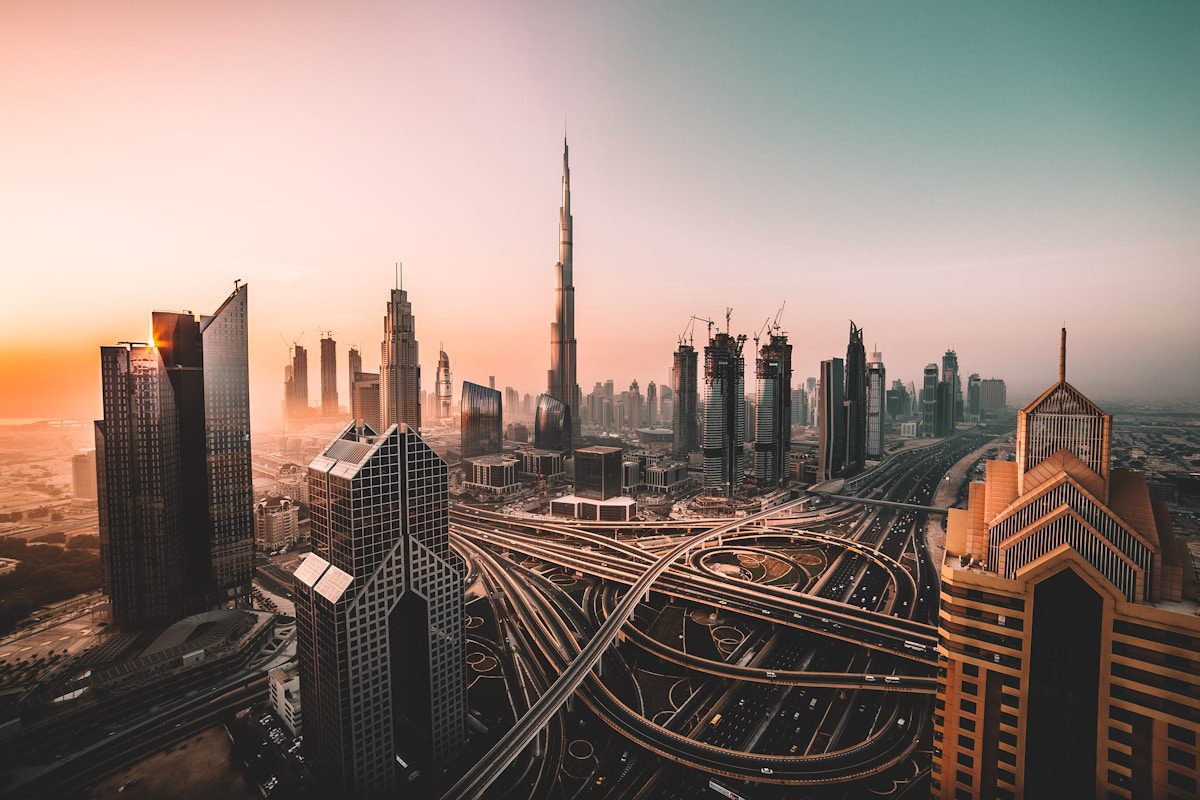
Imagine walking along a pristine beach in January, the sun warm but gentle on your skin, with a vibrant city skyline as your backdrop. Picture yourself an hour later, browsing through a bustling souk filled with the scent of spices and the glitter of gold. This seamless blend of modern luxury and timeless tradition, outdoor adventure and indoor opulence, is what makes planning your journey so special. This is the essence of Seasonal UAE Travel: Best Time to Visit—understanding how the rhythm of the year shapes the perfect Emirati experience, allowing you to align your dreams with the ideal conditions.
The United Arab Emirates is a year-round destination, but each season paints it with a dramatically different brush. From the cool, sunny days perfect for desert exploration to the vibrant energy of summer sales and indoor wonderlands, timing is your most valuable travel companion. Knowing the seasonal nuances transforms a good holiday into an unforgettable one, helping you avoid extreme heat, catch world-class events, and discover the UAE at its most authentic.
At TripHabibi, your trusted travel companion, we provide comprehensive destination guides and authentic travel experiences across the UAE. Contact us or reach us on WhatsApp for personalized recommendations.
Ready to Explore Dubai?
Understanding Seasonal UAE Travel: Best Time to Visit
The concept of Seasonal UAE Travel: Best Time to Visit goes beyond simply checking a weather app. It’s a strategic approach to travel planning that balances three core pillars: climatic comfort, cultural calendar, and cost-effectiveness. The UAE experiences three primary seasons: a pleasant winter (November to March), a warm shoulder season (April-May and October), and a hot summer (June to September). Each phase offers a distinct vibe and set of opportunities.
Winter is peak season for a reason, with daytime temperatures ranging from a perfect 24°C to 28°C (75°F to 82°F). This is the window for outdoor everything—desert safaris, beach days, and al-fresco dining. The shoulder months see temperatures climb to the low 30s°C (high 80s°F), but with thinner crowds and often lower prices. Summer is characterized by intense heat, often exceeding 40°C (104°F), pushing activities indoors but unveiling incredible hotel deals and air-conditioned attractions. Your personal tolerance for heat, interest in festivals, and budget will dictate your perfect window.
Why Choose Your Timing Carefully?
Selecting the right season is the single most important factor in crafting your UAE itinerary. It directly impacts your daily comfort, available activities, and overall expenditure. Getting it right means you spend your time enjoying the sights, not fleeing from the sun.
The main advantages of strategic timing include:
- Optimal Comfort: Enjoying outdoor attractions like the desert, beaches, and historical sites without physical discomfort.
- Festival & Event Access: Aligning your trip with major events like the Dubai Shopping Festival, Abu Dhabi Grand Prix, or cultural celebrations like Eid.
- Financial Savings: Hotel rates can fluctuate by 40-60% between peak winter and mid-summer. Flight prices often follow suit.
- Crowd Management: Visiting popular sites like the Burj Khalifa or Louvre Abu Dhabi during quieter periods means shorter queues and a more intimate experience.
Whether you’re a family seeking theme park fun, an adventurer craving desert dunes, or a culture enthusiast exploring museums, the season dictates what’s possible and pleasant. For instance, our Dubai city tours are best enjoyed from October to April for maximum walking comfort.
The Seasonal UAE Travel: Best Time to Visit Experience
What does it actually feel like to visit in each season? Let’s break it down. A winter visit feels energetic and bustling. Your days are long and full: a morning desert safari, an afternoon exploring old souks, and an evening watching the Dubai Fountain. The air is crisp in the evening, requiring a light sweater. A summer visit, in contrast, has a different rhythm. Your adventure might start later, with days spent navigating the incredible indoor worlds of the Dubai Mall (home to the aquarium and VR park) or the thrilling rides at Ferrari World Abu Dhabi. Evenings come alive as locals and tourists emerge for shopping, dining, and night-time beach walks.
The shoulder season offers a delightful middle ground. You can still enjoy a pool day without the scorching heat, and the sea is warm enough for swimming. It’s an ideal time for a combined city-and-desert trip, taking advantage of the comfortable mornings and late afternoons for outdoor pursuits while planning indoor activities for the midday warmth. This balanced experience is what savvy travelers seek when planning their Seasonal UAE Travel: Best Time to Visit.
Popular Seasonal Routes & Itineraries
Your itinerary should flow with the season. A classic 5-day winter route might include: Day 1: Dubai modern marvels (Burj Khalifa, Dubai Mall). Day 2: Dubai heritage & creek crossing. Day 3: A full-day desert safari with dinner. Day 4: A day trip from Dubai to Abu Dhabi for the Louvre and Sheikh Zayed Grand Mosque. Day 5: Beach relaxation and last-minute shopping at the Marina.
A summer 5-day itinerary pivots indoors: Day 1: Indoor attractions (Dubai Aquarium, VR experiences, Mall of the Emirates skiing). Day 2: Morning at the Louvre Abu Dhabi, afternoon at the air-conditioned Warner Bros. World. Day 3: Spa morning, evening at Dubai Miracle Garden (if open) or La Mer beachfront. Day 4: Explore the cultural halls of the Etihad Museum and Dubai Opera tour. Day 5: Evening dhow cruise on the Creek. This approach to seasonal UAE travel ensures you’re always in the right place at the right time.
Top Attractions Covered by Season
Sheikh Zayed Grand Mosque, Abu Dhabi: Visit year-round, but aim for early morning or late afternoon in summer. Winter allows for comfortable daytime photography. Pro Tip: Winter weekends (Fri-Sat) are very busy; visit on a weekday morning.
Desert Safaris: The quintessential outdoor activity is best from October to April. Summer safaris are typically shorter, occurring later in the day, and focus more on evening camps. Pro Tip: For the best experience, book a premium safari that includes winter activities like sunrise camel treks.
Burj Khalifa & Dubai Fountain: Perfect any time, as they’re primarily indoor/evening attractions. However, the surrounding outdoor areas (Burj Park) are most enjoyable in the cooler months. Pro Tip: Book “At the Top” tickets for just before sunset to see the city in daylight and twinkling night lights.
Theme Parks (Dubai Parks & Resorts, Ferrari World): Most have indoor and outdoor sections. Summer visits mean utilizing indoor rides during peak heat. Many parks have special summer passes. Pro Tip: Check for “cooling zones” and misting fans throughout the parks in summer.
Customization Options for Every Traveler
The beauty of understanding the seasons is tailoring your trip. Families with young children might prioritize the cool months for extensive outdoor time at parks and beaches. Photographers may seek the “golden hours” of winter for perfect desert shots or the dramatic summer clouds over the city skyline. Shoppers can plan around the Dubai Shopping Festival (December-January) or the Dubai Summer Surprises (July-August) for the best deals.
Adventure seekers can customize an Abu Dhabi desert safari to include early morning dune driving in the comfortable winter coolness. Cultural travelers might align their visit with Ramadan to experience the unique atmosphere of evening Iftar feasts, though with adjusted daytime plans. The season is a framework you customize based on your personal travel style.
What’s Included & Not Included in Your Planning
When planning your seasonal trip, certain costs and considerations are fixed, while others are variable.
Typically Variable (Season-Dependent):
- Hotel Accommodation (Highest in winter, lowest in summer).
- Flight Costs (Often peak around New Year and major festivals).
- Availability of certain outdoor activities (e.g., some desert camps close in peak summer).
- Peak Surcharges for attractions during holidays.
Generally Fixed:
- Attraction entry fees (for major museums and indoor sites).
- Cost of local transportation (metro, taxis).
- Basic food costs from supermarkets and local eateries.
Always budget for “extras” like special dining experiences, premium tour upgrades, and shopping, which can be more tempting during festival seasons.
Need Travel Advice?
Seasonal UAE Travel: Best Time to Visit Best Practices
To master your trip, follow these seasonal best practices.

Before You Book:
- Check the calendar for major Islamic holidays (Eid al-Fitr, Eid al-Adha) and national events, as these affect crowds and prices.
- Research average temperatures and rainfall for your specific travel month.
- Book flights and iconic hotels (e.g., Burj Al Arab, Atlantis) 3-6 months in advance for winter travel.
What to Pack:
- Winter: Light layers, a jacket for evenings, sunglasses, sunscreen.
- Summer: Light, loose, breathable clothing (cotton/linen), a high-SPF sunscreen, a wide-brimmed hat, and a reusable water bottle is essential.
- Year-Round: Modest clothing for mosques (women: headscarf, long sleeves; men: long trousers), comfortable walking shoes, and a power adapter.
Adhering to these best practices for seasonal UAE travel ensures a smooth and respectful journey.
Booking & Planning Tips
For winter visits, especially December and January, secure everything as early as possible. For summer trips, you can often find last-minute deals, but planning ahead still ensures you get your preferred choices for indoor attractions and restaurants. When booking tours, ask providers specific seasonal questions: “Is this desert safari schedule adjusted for summer heat?” or “What is the cancellation policy if outdoor activities are weather-affected?”
Use reputable local operators who understand the on-ground realities of each season. At TripHabibi, we adjust our recommendations and partner offerings based on the time of year, ensuring you get an experience tailored to the conditions. Always verify visa requirements through official channels like the UAE immigration website.
Cultural Etiquette & Seasonal Tips
Cultural respect is constant, but some nuances change with the season. During the holy month of Ramadan, which shifts annually, eating, drinking, or smoking in public during daylight hours is prohibited by law. Restaurants are closed until Iftar (sunset meal). This is a profound cultural period, and visiting requires adjusted schedules and heightened sensitivity.
Dress modestly year-round, but in summer heat, it’s especially important to choose light, loose-fitting clothes that cover shoulders and knees in public areas. At beaches and resort pools, swimwear is acceptable. When visiting mosques, women will be required to wear an abaya (often provided) and cover their hair. Always ask before photographing people, particularly locals.
Common Seasonal Mistakes to Avoid
Avoid these pitfalls to ensure your trip isn’t compromised:
- Underestimating the Heat (Summer): Scheduling too many outdoor activities between 11 am and 4 pm can lead to exhaustion or heatstroke.
- Overpacking for Winter: It’s a “desert winter.” You won’t need heavy coats, just light layers for the occasional cool breeze.
- Not Booking in Advance (Peak Season): Assuming you can walk up to the Burj Khalifa or a popular desert camp in December often leads to disappointment.
- Ignoring Ramadan Timings: Not researching the dates and rules of Ramadan can disrupt your dining and activity plans.
- Sticking Only to Outdoors in Summer: Failing to research the incredible array of indoor attractions, from Dubai theme parks to museum districts, means missing out on half the fun.
Expert Seasonal Recommendations
For First-Time Visitors: Target November or March. You’ll get excellent weather for all iconic experiences without the absolute peak crowds and prices of December-February.
For Families with Kids: The cool months (Nov-Mar) are unbeatable for mixing theme parks, beaches, and outdoor explorations comfortably. If visiting in summer, choose a hotel with a fantastic kids’ club and easy access to indoor play centers.
For Return Visitors & Adventurers: Consider the shoulder months of April or October. It’s perfect for more active pursuits like hiking in Hatta, kayaking in the mangroves, or longer desert expeditions, with temperatures that are challenging but manageable for the prepared.
For Budget-Conscious Travelers: Mid-summer (July-August) offers unparalleled value on luxury hotels and flights. Embrace an indoor/nocturnal schedule, enjoying malls, museums, and late-night adventures. This strategic approach is a key part of our expert recommendations for Seasonal UAE Travel: Best Time to Visit.
Related Seasonal UAE Travel Guides
Dive deeper into specific seasons, activities, and planning considerations to choose the perfect time for your UAE journey:
The Four Seasons in UAE
- UAE Winter Travel Guide: Nov-Mar Perfect Weather – Peak season with ideal 15-25°C temperatures, outdoor activities, and perfect conditions for exploring
- UAE Spring Activities Guide: Mar-May Pleasant Weather – Comfortable temperatures warming to 25-35°C with excellent outdoor conditions before summer heat
- UAE Summer Travel Guide: Jun-Aug Survival Tips – Navigate 35-45°C heat with indoor attractions, budget savings, and smart travel strategies
- UAE Autumn Activities Guide: Sep-Nov Perfect Season – Cooling temperatures from 30-25°C with improving weather and moderate pricing
Cultural Events & Special Timing
- UAE Public Holidays Guide: Travel Impact Planning – Navigate national celebrations, crowd patterns, and booking strategies around UAE holidays
- UAE Ramadan Travel Guide: Tourist Etiquette & Timing – Essential cultural knowledge, timing changes, and respectful travel during Ramadan month
- UAE Seasonal Events Guide: Festival Calendar – Complete guide to Dubai Shopping Festival, Food Festival, and year-round cultural celebrations
- Seasonal Cultural Experiences UAE: Festival Guide – Traditional celebrations, heritage festivals, and cultural events throughout the year
Seasonal Activities & Experiences
- Seasonal Desert Safari Guide: Best Times – Optimal desert temperatures, comfortable safari months, and weather-based desert planning
- Seasonal Beach Activities UAE: Swimming Season – Best months for beach visits, water sports timing, and comfortable coastal temperatures
- Seasonal Cruise & Yacht Tours: Weather Considerations – Best sailing months, maritime weather conditions, and comfortable boat tour timing
- Seasonal Wildlife & Nature Tours: Migration & Blooms – Bird migration patterns, blooming seasons, and optimal nature viewing times
- Seasonal Adventure Activities UAE: Weather Suitable – Safe temperature ranges for outdoor thrills and weather-appropriate adventure timing
- Seasonal Family Activities UAE: Year-Round Fun – Weather-appropriate family experiences, kid-friendly seasonal options, and comfort considerations
Practical Planning & Logistics
- First-Time Visitor Seasons UAE: Best Planning – Ideal months for first visit, recommended seasons, and optimal timing for new travelers
- Seasonal Pricing Guide UAE: When to Save – Hotel discounts, tour pricing patterns, and budget-friendly booking windows throughout the year
- UAE Weather Packing Guide: What to Bring When – Season-specific clothing recommendations, essential items by month, and smart packing strategies
- Seasonal Dining Options UAE: Outdoor vs Indoor – Best months for rooftop dining, beachfront restaurants, and weather-based culinary experiences
- UAE Seasonal Shopping Guide: Sales & Events – Dubai Shopping Festival timing, summer surprises, and festival sale calendar
- Seasonal Photography Spots UAE: Best Light Times – Optimal golden hour seasons, weather for photography, and best lighting conditions by month
Each guide provides detailed weather information, temperature ranges, pricing considerations, and practical advice to help you plan your UAE visit during the perfect season for your preferences and budget.
Frequently Asked Questions About Seasonal UAE Travel: Best Time to Visit
What is the absolute best time to visit the UAE for perfect weather?
The period from late October to mid-April is widely considered ideal. Specifically, November and March often offer the best balance: daytime temperatures are a comfortable 25-30°C (77-86°F), humidity is lower than in peak winter, and the tourist crowds are slightly thinner than in December and January. This window is perfect for all outdoor activities, from desert safaris to city walking tours.
Is it a bad idea to visit the UAE in the summer?
Not at all, if you plan correctly. Summer (June-September) is extremely hot outdoors, but it comes with major advantages: luxury hotels at a fraction of their winter price, incredible shopping festivals like Dubai Summer Surprises, and empty attractions. The key is to adopt a Mediterranean-style schedule—enjoy indoor wonders (museums, aquariums, mega-malls) by day and explore outdoors in the evenings and early mornings.
What should I pack for a winter trip to Dubai?
Pack for a mild, sunny climate with cool evenings. Essentials include light trousers, t-shirts, a light sweater or jacket for evenings and air-conditioned spaces, comfortable walking shoes, sunglasses, and sunscreen. Don’t forget modest clothing for mosque visits (long sleeves, scarves, full-length skirts/trousers). Swimwear is essential for hotel pools and beaches, which remain popular in the winter sun.
Are desert safaris available year-round?
Yes, but the experience differs. From October to April, safaris run throughout the day, including magical morning and sunset options. In peak summer, most operators only run late afternoon/evening safaris to avoid the midday heat. The camp activities remain similar, but the duration of dune driving may be shorter. Always confirm the exact itinerary with your operator when booking a summer safari.
How does Ramadan affect my travel plans for the best time to visit?
Ramadan, a month of fasting, is a beautiful but distinct time to visit. It requires adjustments: no eating, drinking, or smoking in public during daylight hours; many restaurants close until sunset; and business hours shorten. However, nights come alive with special meals (Iftar) and festivities. It’s a culturally rich period, but if your priority is seamless daytime dining and drinking, you may prefer to visit outside of Ramadan dates. Check the Islamic calendar as dates change yearly.
When is the cheapest time for Seasonal UAE Travel?
The most affordable period is typically during the hottest months, from mid-June through August. During this time, you can find flights and 5-star hotel accommodations at discounts of 40-60% compared to winter rates. The shoulder months (May, September, and early October) also offer good value with more moderate temperatures. For the ultimate budget-friendly luxury trip, target the summer and plan an indoor-focused itinerary.
Can I still go to the beach in December or January?
Absolutely. The sea temperature in winter rarely drops below 22°C (72°F), which is pleasant for swimming. The air temperature during the day is usually a warm 24-28°C (75-82°F), perfect for sunbathing. Early mornings and evenings will feel cooler, so having a towel or cover-up handy is wise. Beach days are a staple of a winter UAE holiday.
What major festivals should I plan my trip around?
Key events include the Dubai Shopping Festival (late Dec-late Jan), with epic sales and fireworks; the Dubai Food Festival (Feb-Mar); the Abu Dhabi Grand Prix (usually Nov/Dec); and the cultural celebrations of Eid al-Fitr and Eid al-Adha (dates vary each year). For shopping and excitement, target the winter festivals. For more official event info, you can check the Dubai tourism official portal.
Is October a good month for a first-time visit?
October is an excellent choice, especially the second half. It marks the beginning of the tourist season. The intense summer heat has passed, with average highs around 35°C (95°F) that drop to more comfortable levels by late afternoon. Hotel prices are still rising from summer lows but are not at peak winter rates yet. It’s a fantastic time for a balanced experience of indoor and outdoor activities.
How far in advance should I book my trip for a winter visit?
For travel between November and March, especially around Christmas, New Year, and Eid holidays, book as far in advance as possible. Aim for 4-6 months ahead for the best selection of flights and hotels. Iconic experiences like afternoon tea at the Burj Al Arab or a premium desert safari can also sell out weeks in advance during this busy period. Early planning is crucial for a stress-free peak-season holiday.
Final Thoughts on Seasonal UAE Travel: Best Time to Visit
Choosing the best time to visit the UAE is less about finding a single “perfect” month and more about matching the season to your personal travel style, interests, and budget. Whether you crave the lively, outdoor energy of a desert winter, the value-packed indoor adventures of a Gulf summer, or the balanced calm of the shoulder seasons, the Emirates has a compelling offer for you.
At TripHabibi, we leverage our Expert Curation, Local Knowledge, and 24/7 Support to help you navigate these seasonal choices. We ensure your itinerary maximizes comfort and enjoyment, no matter when you choose to travel. From selecting the right desert safari season to booking those hard-to-get attraction tickets, we handle the details so you can focus on the experience.
Start planning your personalized Emirati adventure today. Let the seasons guide you to your perfect trip. For tailored advice and seamless bookings, chat with us on WhatsApp or explore our curated tours. Your ideal Seasonal UAE Travel experience awaits.