Introduction
Looking for skyline photography Dubai information? This city offers an iconic canvas. Its futuristic towers and golden hour light create magic. Consequently, photographers worldwide flock here for epic shots. Moreover, capturing its essence requires specific knowledge and planning. This guide provides that essential expertise.
Dubai’s skyline blends modern ambition with desert beauty. Therefore, every angle tells a compelling visual story. From the Burj Khalifa’s spire to the twisting Cayan Tower, subjects abound. Additionally, understanding light and location is crucial for success. This guide will navigate those complexities for you.
We cover professional techniques, essential gear, and secret vantage points. Furthermore, we detail the perfect shooting times for social media glory. At TripHabibi, your trusted travel companion, we provide comprehensive destination guides and authentic travel experiences across the UAE. Our platform helps thousands of travelers discover the best of Dubai and Abu Dhabi. Contact us or reach us on WhatsApp for personalized recommendations.
Ready to Explore Dubai?
Understanding Skyline Photography Dubai
Skyline photography Dubai is about capturing urban grandeur. It requires a blend of technical skill and artistic vision. Specifically, the goal is to showcase the city’s architectural drama. Moreover, the unique desert light adds a special quality. Therefore, preparation separates amateur snaps from professional portraits.
This photographic discipline involves several key elements. First, composition must lead the viewer’s eye through the scene. Second, exposure must balance bright lights and dark shadows. Third, timing must align with perfect atmospheric conditions. Consequently, each shot becomes a carefully crafted image.
The city’s rapid growth offers ever-changing subjects. For instance, new landmarks constantly reshape the horizon. Furthermore, different districts provide varied architectural styles and moods. From the historic Creek to futuristic Downtown, diversity is vast. Thus, a systematic approach to locations yields the best portfolio.
Essential considerations for this craft include:
- Perspective: Finding elevated or unique angles.
- Scale: Incorporating human or natural elements for contrast.
- Light: Harnessing golden, blue, and twilight hours.
- Weather: Using fog or mist to add mystery.
Mastering skyline photography Dubai transforms your travel album. It creates lasting memories of an extraordinary metropolis. Additionally, it hones your overall photographic skills significantly.
Why Choose Dubai for Cityscapes
Dubai stands as a premier global destination for urban photography. Its architectural ambition is literally sky-high. Furthermore, the city’s design prioritizes visual impact and innovation. Therefore, photographers find endless inspiration along its avenues.
The variety of textures and forms is unparalleled. Glass skyscrapers reflect ancient desert sands. Meanwhile, Islamic geometric patterns meet cutting-edge futurism. This contrast creates deeply compelling compositions. Moreover, the city is meticulously maintained and visually clean.
Accessibility is another major advantage. Many stunning viewpoints are public and free. For example, the Dubai Frame experience offers a unique perspective. Additionally, the city’s safety allows for early morning or late night shoots. Consequently, you can capture every phase of light securely.
Cultural elements add narrative depth to your images. Traditional abras sail past towering hotels. Similarly, minarets share the skyline with corporate spires. This blend tells a story of rapid transformation. Thus, your photos gain layers of meaning beyond mere aesthetics.
Finally, the professional community here is supportive. Workshops and photo walks occur regularly. Furthermore, social media opportunities are immense due to Dubai’s popularity. Therefore, investing time in this location offers both artistic and potential commercial rewards.
Skyline Photography Dubai Experience
The actual skyline photography Dubai experience is thrilling. It involves scouting, waiting, and reacting to conditions. First, you must arrive at your chosen location early. This allows time to set up and compose thoughtfully. Moreover, the best spots can get crowded quickly.
Patience is your most important tool. Light changes rapidly during golden hour. Therefore, taking a series of shots over time is wise. Additionally, weather can shift from clear to hazy in moments. Consequently, adaptable photographers capture the most unique images.
Engaging with the environment enhances your work. Notice how the light hits different buildings. Observe the movement of clouds and water. Furthermore, include foreground interest like palm trees or classic cars. These elements add scale and context to the vast skyline.
Practical execution involves technical checks:
- Use a tripod for sharp, long-exposure shots.
- Employ a remote shutter or timer to avoid camera shake.
- Bracket exposures to capture full highlight and shadow detail.
- Shoot in RAW format for maximum editing flexibility.
Ultimately, the experience is both meditative and exciting. It connects you deeply with the city’s rhythm. Moreover, it results in stunning visual trophies for your portfolio.
Essential Gear and Equipment Details
Correct equipment is fundamental for successful cityscape shots. Your gear choices directly impact image quality. Therefore, a thoughtful checklist prevents missed opportunities. Moreover, Dubai’s environment demands specific protective measures for your equipment.
A capable camera body is the first requirement. A full-frame sensor excels in low-light conditions. However, modern APS-C cameras also perform admirably. Additionally, ensure your camera has manual exposure controls. Consequently, you maintain complete creative command.
Lenses are arguably more critical than the camera body. A reliable zoom lens offers versatility. For example, a 24-70mm f/2.8 is an ideal workhorse. Furthermore, a wide-angle lens (16-35mm) captures expansive vistas. Therefore, these two lenses cover most skyline scenarios.
Support and stability gear are non-negotiable:
- Sturdy Tripod: Essential for sharp images at dawn, dusk, and night.
- Ball Head: Allows quick and precise composition adjustments.
- Neutral Density (ND) Filter: Enables long exposures for smooth water and clouds.
- Graduated ND Filter: Balances bright skies with darker foregrounds.
- Lens Cleaning Kit: Dubai’s dust and humidity require frequent cleaning.
Finally, pack practical items like a headlamp, water, and power banks. Comfort lets you focus on creativity. Furthermore, protecting your gear from sand and sun is crucial. Thus, a well-prepared photographer is a successful one.
Best Locations and Planning Tips
Selecting the right vantage point defines your image. Dubai offers countless perspectives, each with unique character. Therefore, research and planning are invaluable first steps. Moreover, considering the sun’s position is critical for lighting.
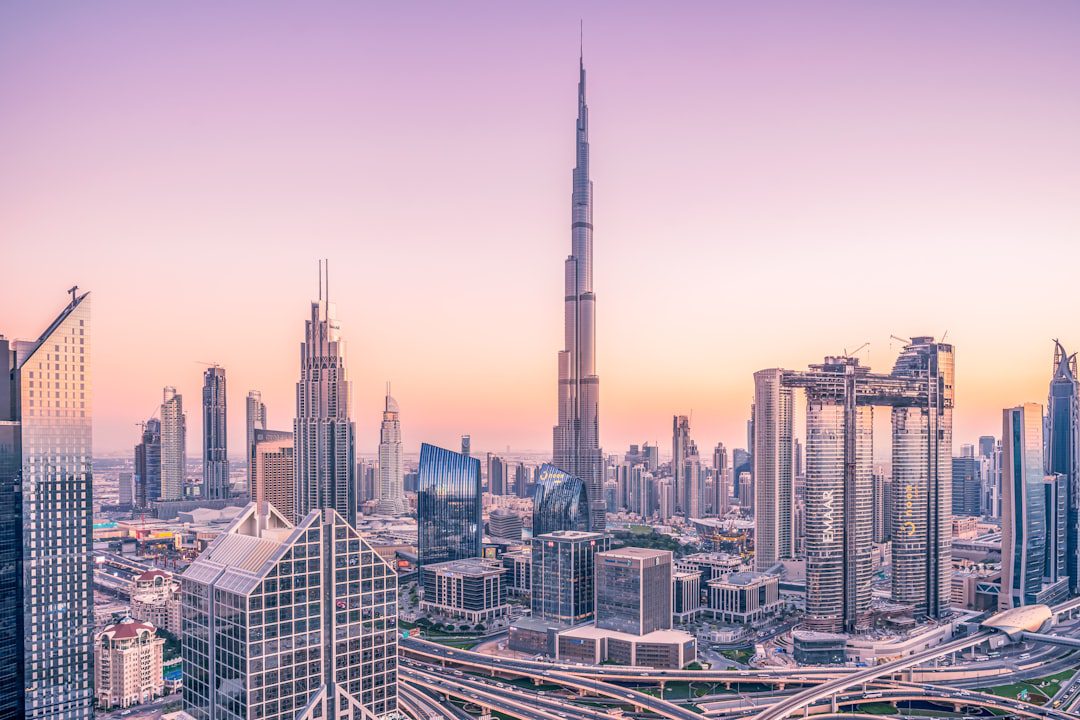
Downtown Dubai provides the classic view. The area around Burj Park or the Palace Hotel is perfect. Furthermore, shooting across the Burj Khalifa lake adds reflection. Alternatively, the visit Burj Khalifa observation decks offer a breathtaking downward view. Consequently, you gain a truly immersive urban perspective.
For a different angle, cross the creek to Deira. The waterfront near the Old Souq captures the modern skyline behind traditional boats. Similarly, the Al Seef district offers this contrasting view. Additionally, the explore Dubai city tours often include these photogenic routes.
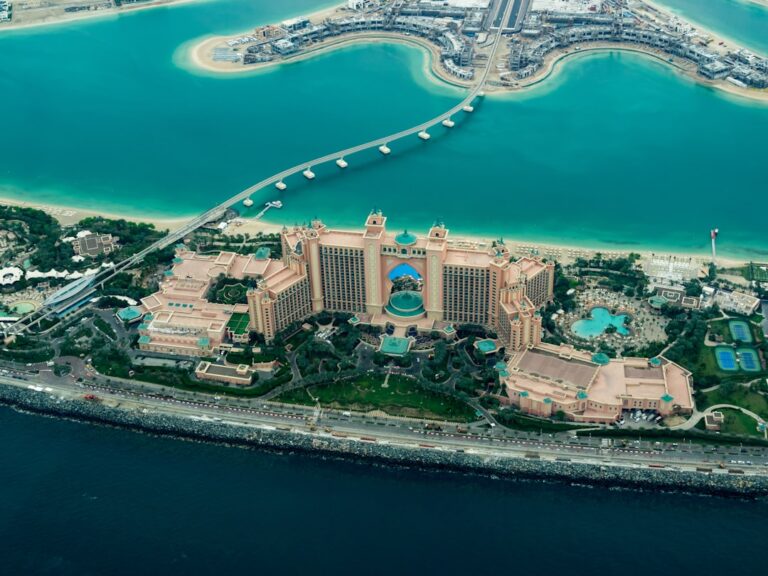
Bluewaters Island and the Palm Jumeirah offer distant panoramas. Here, you can frame the entire downtown cluster. Moreover, the Marina skyline is best captured from the Palm’s crescent or the Marina walk. Therefore, a day trip from Dubai to nearby vantage points can be rewarding.
Key planning tips include:
- Use apps like PhotoPills or Sun Surveyor to plan sun/moon positions.
- Check official Dubai tourism sites for any area restrictions.
- Visit locations in daylight first to scout compositions safely.
- Always have a backup location in case of access issues.
Skyline Photography Dubai Cultural Significance
Skyline photography Dubai does more than document buildings. It captures a nation’s visionary leap onto the world stage. Each image tells a story of ambition and transformation. Moreover, it freezes a moment in the city’s relentless evolution.
The skyline itself is a cultural artifact. It represents a blend of global influences and local identity. Therefore, photographing it is an act of cultural interpretation. Furthermore, the contrast between old and new highlights societal values. Preservation and progress coexist in the frame.
These images often symbolize human achievement against natural odds. Building in a desert requires immense innovation. Consequently, your photos celebrate engineering and environmental adaptation. Additionally, they showcase the multicultural community that built this metropolis.
Sharing these images carries responsibility. They shape global perceptions of the UAE. Hence, aiming for respectful and authentic representation is important. Avoid clichés and seek fresh, insightful compositions. Moreover, including elements of daily life adds genuine context.
Ultimately, your photography contributes to the visual history of this region. It is a record for future generations. Therefore, approach skyline photography Dubai with both artistic and documentary intent. Your work gains deeper meaning and lasting value this way.
Common Photographic Mistakes to Avoid
Several frequent errors can undermine your cityscape efforts. Awareness prevents these pitfalls. First, neglecting the foreground creates empty, boring images. Always include a leading line or interesting element. Moreover, this technique adds depth and draws the viewer in.
Poor timing is another major mistake. Arriving just for sunset misses the blue hour. The period after sunset offers rich, deep blue skies. Furthermore, building lights become more prominent and balanced. Therefore, plan to shoot for at least a full hour.
Technical oversights ruin otherwise great shots. Camera shake from hand-holding at slow shutter speeds is common. Similarly, dusty or smudged lenses create soft, hazy images. Consequently, meticulous gear maintenance and use of a tripod are essential. Check travel requirements for carrying professional gear if flying.
Ignoring the rule of thirds often leads to weak composition. Placing the horizon in the dead center splits the image awkwardly. Instead, place it on the upper or lower third line. Additionally, use prominent buildings on the intersecting points. Thus, your composition feels intentional and dynamic.
Finally, over-editing is a common digital era error. Excessive saturation, contrast, or HDR effects look unnatural. Aim for a realistic representation that enhances the existing beauty. Remember, subtlety usually produces more powerful and professional results.
Expert Shooting Time Recommendations
Timing is the most critical variable in landscape photography. Dubai’s light has distinct qualities throughout the day. Understanding these phases maximizes your success. Furthermore, each season offers different sun angles and atmospheric conditions.
The “golden hour” begins roughly one hour before sunset. Light becomes warm, soft, and directional. This is prime time for capturing glowing building facades. Moreover, shadows add shape and texture to the urban form. Therefore, this window is non-negotiable for planning.
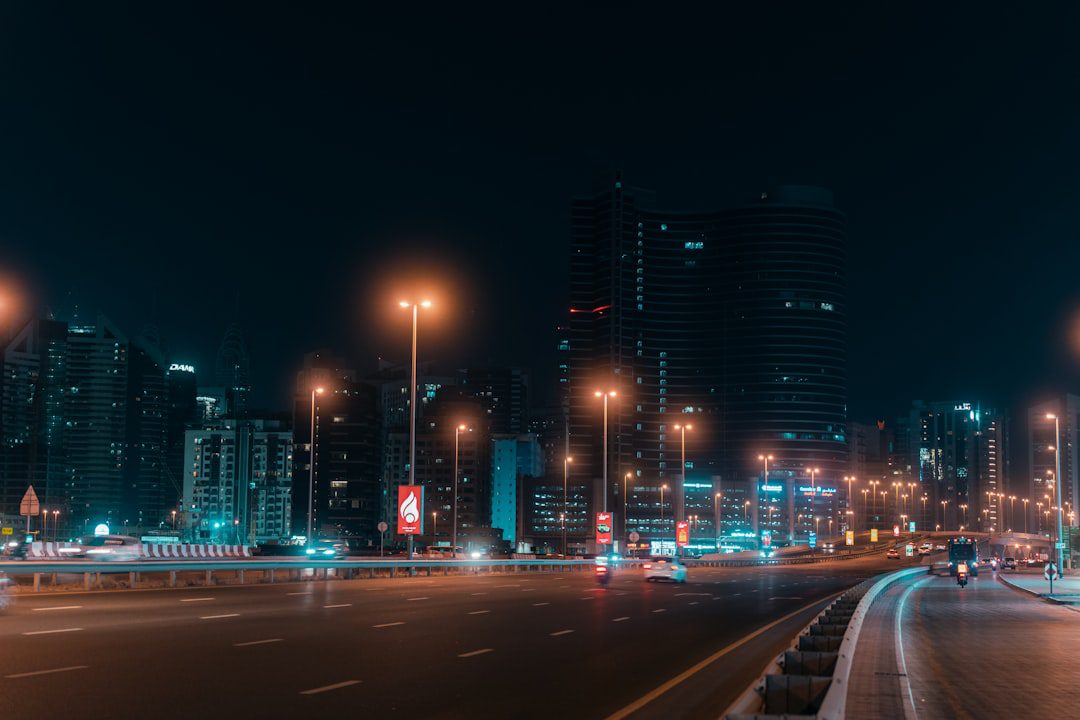
Blue hour occurs just after sunset, before full darkness. The sky turns a deep, vivid blue. City lights shine brightly, creating perfect exposure balance. Additionally, this light is beautifully even and flattering. Consequently, it is ideal for capturing clean, colorful cityscapes.
Sunrise offers similar golden light but with quieter atmospheres. The city is less hazy in the early morning. Furthermore, popular spots are significantly less crowded. However, accessing certain locations might be harder before official opening hours. Always verify public access times.
Seasonal considerations are also vital. Winter months (October to April) provide clearer skies and pleasant temperatures. Conversely, summer often has intense haze and humidity. Nevertheless, summer sunrises can be spectacular due to atmospheric moisture. Thus, adapt your techniques and expectations to the season. For more varied adventures, consider Dubai desert safari tours for different scenic opportunities.
Frequently Asked Questions About Skyline Photography Dubai
Do I need a permit for skyline photography Dubai?
Generally, no permit is needed for public areas. However, private property or commercial shoots may require permission. Always check signage and respect local regulations.
What is the best lens for cityscapes?
A wide-angle zoom (16-35mm) is most versatile. It captures expansive views. Additionally, a standard zoom (24-70mm) is excellent for tighter compositions.
How do I manage high-contrast lighting?
Use exposure bracketing. Take multiple shots at different exposures. Then, blend them in post-processing. Alternatively, use a graduated neutral density filter.
When is the worst time to shoot?
Midday, especially in summer. The sun is harsh overhead, creating flat, contrasty light. Shadows are minimal and unflattering for architecture.
Can I use a smartphone effectively?
Yes, modern smartphones are capable. Use their native HDR modes. Furthermore, attach a mobile tripod for stability. However, a dedicated camera offers more control.
Related Posts