Consequently, exploring Dubai’s tea culture is to explore its soul. It is an intimate glimpse into the customs of its people and the flavors that define its neighborhoods. This guide will navigate you through the authentic tea houses and contemporary interpretations that make Dubai a premier destination for tea connoisseurs and curious travelers alike. At TripHabibi, your trusted travel companion, we provide comprehensive destination guides and authentic travel experiences across the UAE. Our platform helps thousands of travelers discover the best of Dubai and Abu Dhabi. Contact us or reach us on WhatsApp for personalized recommendations.
Ready to Explore Dubai?
Understanding Tea Houses Traditional Tea Culture
The concept of Tea Houses Traditional Tea Culture Dubai is a fascinating tapestry woven from the city’s role as a global crossroads. Historically, the Arabian Peninsula was a critical hub on the ancient spice and incense routes. This legacy naturally evolved to include tea, which became a cornerstone of Emirati and broader Gulf hospitality, known as ‘ghahwa’. Today, Dubai’s tea scene magnificently reflects its expatriate-majority population, creating distinct cultural enclaves where specific tea rituals thrive.
Furthermore, each tradition offers a unique lens on social interaction, aesthetics, and taste. Persian tea houses focus on community and poetic reflection, while Indian chai spots provide energetic, everyday fuel. Meanwhile, British afternoon tea embodies elegance and occasion. Simultaneously, Japanese ceremonies offer mindfulness and artistic appreciation. Therefore, to understand Dubai is to sip from each of these cups, appreciating how they coexist and define the city’s modern identity alongside its other attractions like the Museum of the Future.
Why Choose Dubai for Tea Exploration?
Dubai is uniquely positioned as a one-stop destination for a global tea education. Where else can you experience such a concentrated variety of authentic, diasporic tea cultures within a few miles? The city’s openness and infrastructure allow these traditions to be practiced with remarkable authenticity. You can find tea masters who have preserved methods passed down for generations, operating alongside innovative cafes that fuse traditions with modern mixology.
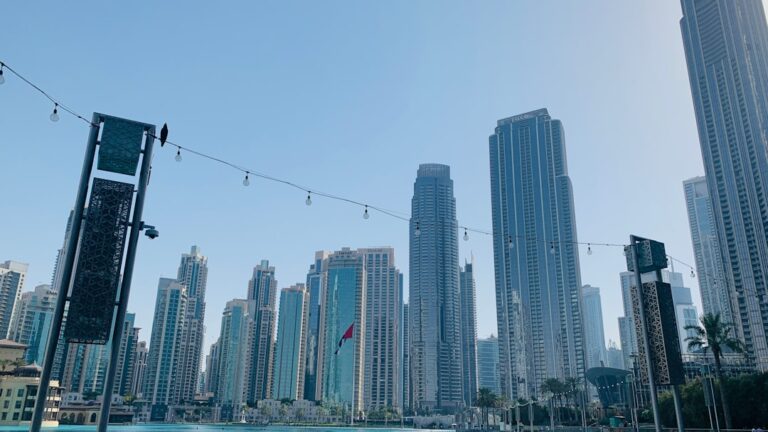
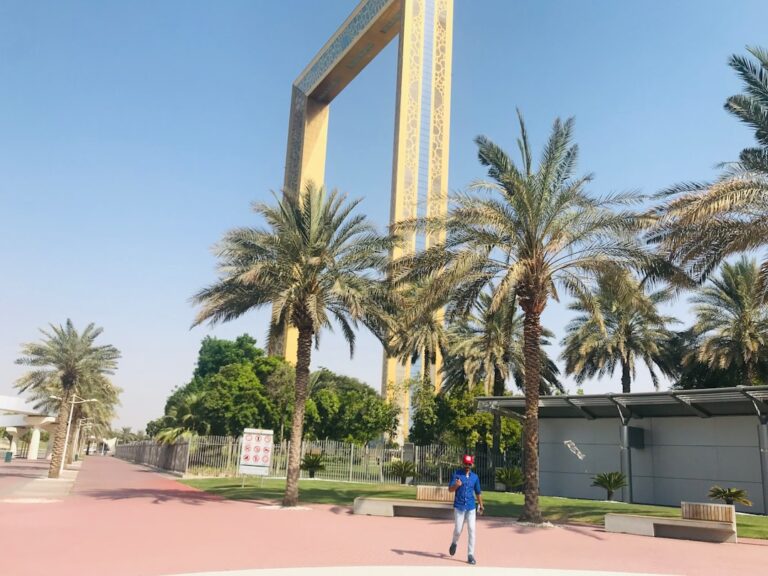
Moreover, the setting itself enhances the experience. You can enjoy traditional karak chai from a humble roadside van with the glittering skyline as a backdrop. Alternatively, you can partake in a high-tea service in a luxurious hotel overlooking the Palm Jumeirah. This striking contrast between the deeply traditional and the ultra-modern is a quintessential Dubai experience, similar to the perspective shift offered by the Dubai Frame. The Dubai tourism official authority often highlights this cultural diversity as a key visitor attraction.
Tea Houses Traditional Tea Culture Experience
Embarking on a Tea Houses Traditional Tea Culture Dubai journey is a multi-sensory adventure. Start in the older districts like Deira or Bur Dubai, where the air is perfumed with cardamom and simmering tea. Here, you will find traditional Persian cafes, or ‘chaikhanehs’, often adorned with intricate carpets and low seating. The experience is communal and unhurried, centered around strong black tea served in delicate glassware, accompanied by rock sugar (‘nabat’) and perhaps a water pipe.
Additionally, venture into neighborhoods like Al Karama or Meena Bazaar for the quintessential Indian ‘chai’ experience. Observe the rhythmic pouring of spiced, milky tea between pots to create the perfect frothy ‘dhaba’ style. Conversely, for a serene counterpoint, seek out venues offering Japanese ‘chanoyu’ (tea ceremony), where every movement is deliberate and the matcha is whisked into a vibrant green elixir of calm. Each venue provides a complete cultural immersion, far beyond a simple beverage.
Global Tea Traditions and Their Dubai Homes
Dubai’s landscape is dotted with specific venues catering to distinct global tea traditions. Persian tea houses, such as those in the historic Al Fahidi district, are bastions of ‘chai’. They typically serve Ceylon or Iranian black tea, brewed strong in samovars. The tea is clear and amber-colored, drunk through a sugar cube held delicately between the teeth—a practice known as ‘shekaran’. This ritual encourages slow sipping and conversation, embodying the Persian art of ‘taarof’ (polite etiquette).
Meanwhile, for British afternoon tea, the luxury hotels along Sheikh Zayed Road or at the Madinat Jumeirah are unparalleled. These services feature tiered stands of finger sandwiches, scones with clotted cream, and pastries, paired with a selection of fine loose-leaf teas from classic Earl Grey to exotic blends. On the other end of the spectrum, the beloved ‘karak chai’—a potent brew of tea, milk, sugar, and cardamom—is a democratic staple. It is found everywhere from dedicated cafeterias to roadside stalls, often enjoyed after a thrilling Dubai desert safari tour.
Need Travel Advice?
Planning Your Dubai Tea Journey
To fully appreciate Dubai’s tea culture, strategic planning is beneficial. First, allocate time to explore different geographical areas. Dedicate a morning to the historic creek-side areas for Persian and Emirati tea. Subsequently, spend an afternoon in the commercial districts for Indian chai and street-side snacks. Finally, reserve an evening for a lavish afternoon tea or a contemporary tea-tasting session in Dubai Marina or DIFC. This geographic approach structures your tasting journey thematically.
Moreover, consider the timing of your visits. Traditional Persian and Indian spots are often most vibrant in the morning and evening. Conversely, British afternoon tea is typically served between 2 PM and 5 PM. For Japanese ceremonies, booking a private session in advance is almost always required. Remember to dress respectfully, especially when visiting cultural centers or high-end hotels. Comfortable walking shoes are essential for exploring the older quarters, much like when planning Abu Dhabi day trips from Dubai.

Tea Houses Traditional Tea Cultural Significance
The deep cultural significance of Tea Houses Traditional Tea Culture Dubai cannot be overstated. In the Emirati context, serving Arabic coffee (‘gahwa’) and tea is a fundamental gesture of welcome, governed by strict etiquette. The continuous refilling of the guest’s cup symbolizes generosity and a desire for them to stay. This bedrock of local hospitality forms the foundation upon which other traditions have been graciously layered. The tea house, in all its global forms, remains a vital social space for discussion, business, and relaxation.
Furthermore, these venues act as cultural anchors for the city’s diverse communities. For instance, a Persian tea house provides a nostalgic touchstone for the Iranian diaspora. Similarly, a South Asian cafeteria serves as a crucial meeting point for workers and families. Consequently, by frequenting these spots, visitors engage directly with the living, breathing social fabric of Dubai. They participate in rituals that maintain cultural identity far from home, a theme also explored at institutions like the Louvre Abu Dhabi.
Common Tea Experience Mistakes to Avoid
Several common missteps can detract from your tea exploration. First, do not rush the experience. The essence of tea culture, whether in a bustling chai shop or a tranquil ceremony, is mindful slowness. Secondly, avoid assuming all tea is the same. The preparation, spices, serving vessels, and accompanying etiquette vary dramatically between traditions. For example, slurping Japanese matcha is acceptable, while doing so during a British high tea is not. Similarly, adding milk to Persian tea is uncommon.
Another mistake is overlooking the local ‘karak chai’ as too simple. This humble drink is a cultural icon and a daily ritual for millions. Additionally, do not forget to explore beyond the hotel lounges. While they offer impeccable service, the most authentic character often lies in the unassuming cafes of older neighborhoods. Finally, always check visa and entry requirements before your trip by consulting the UAE immigration portal to ensure smooth travel.
Expert Recommendations for Authentic Sips
For an authoritative tea tour, seek out specific iconic venues. In Deira, explore the winding lanes around the Spice Souk for traditional Emirati and Persian cafes where tea is brewed over coals. In Bur Dubai, visit the charming Iranian cafes near the textile souk. For the best karak chai, follow the locals to spots like ‘Karak House’ or the unnamed vans with long queues. Alserkal Avenue, Dubai’s contemporary arts hub, now hosts avant-garde cafes that reimagine tea through a modern, artistic lens.
Furthermore, for a truly elevated experience, consider booking a specialized food or cultural tour that includes tea tastings. These guided experiences provide historical context and access to hidden gems. To complement your urban tea journey, consider a day trip from Dubai to the oasis city of Al Ain to experience a more traditional Gulf setting. For all travel logistics, from tours to transfers, the experts at TripHabibi are ready to assist you in crafting the perfect itinerary.
Frequently Asked Questions About Tea Houses Traditional Tea Culture
How long does a tea culture exploration take?
A comprehensive Tea Houses Traditional Tea Culture Dubai exploration can span 2-3 days if visiting multiple venues across the city. However, a focused half-day tour in districts like Bur Dubai or Deira can provide a rich introductory experience. Plan your visit with our experts.
What is the dress code for traditional tea houses?
Modest, respectful attire is recommended, especially in older districts and cultural centers. Shoulders and knees should be covered. For luxury hotel afternoon tea, smart casual wear is typically expected.
What is the average cost of a tea experience?
Costs vary widely. Street karak chai costs as little as AED 2. Traditional Persian or Indian cafe tea ranges AED 10-25. British afternoon tea in a luxury hotel can cost AED 200-400 per person.
When is the best time to visit tea houses?
Mornings and evenings are ideal for traditional cafes. Afternoon tea services are typically between 2-5 PM. Evenings are pleasant for outdoor seating in winter months (November to March).
Is it customary to tip at tea venues?
Tipping is appreciated but not mandatory. In cafes, rounding up the bill or leaving small change is common. In hotel settings, a 10-15% tip for good service is standard practice.
Are these experiences suitable for children?
Yes, many are family-friendly. Casual cafes welcome children. Luxury afternoon teas often have special child-friendly packages. However, formal Japanese tea ceremonies may require quiet decorum.
Final Thoughts on Tea Houses Traditional Tea Culture
Furthermore, the journey through Tea Houses Traditional Tea Culture Dubai offers exceptional cultural and sensory value. Moreover, it provides an authentic, human-scale counterpoint to the city’s monumental attractions. Therefore, engaging with this aromatic world will undoubtedly deepen your understanding of Dubai’s complex, welcoming soul. From the first sip of fragrant karak to the final bite of a scone, each experience tells a story of migration, tradition, and shared hospitality.
TripHabibi provides expert guides, local knowledge, and 24/7 support for your UAE adventures. Additionally, contact our travel experts today to weave a perfect tea-tasting itinerary into your Dubai holiday. Meanwhile, chat with us on WhatsApp for instant support and to book unforgettable experiences like a Abu Dhabi city tour or a desert safari..
Related Posts