At TripHabibi, your trusted travel companion, we provide comprehensive destination guides and authentic travel experiences across the UAE. Our platform helps thousands of travelers discover the best of Dubai and Abu Dhabi. For personalized recommendations to include a Traditional Arabic Coffee Dubai experience in your itinerary, contact us or reach us on WhatsApp.
Ready to Explore Dubai?
Understanding Traditional Arabic Coffee Dubai
Traditional Arabic coffee, or gahwa, is fundamentally different from Western coffee. It is a lightly roasted, unadulterated bean, typically from Yemen or Ethiopia. The beans are ground to a fine powder and brewed with cardamom and sometimes saffron or cloves. The result is a pale, fragrant, and unsweetened drink served in a small handleless cup called a finjan. This preparation is central to the Traditional Arabic Coffee Dubai identity. It is not consumed for caffeine alone but as an act of social bonding and respect.
Moreover, the coffee’s role extends beyond the cup into a complex language of etiquette. The server, or “muqahwi,” holds the dallah (traditional pot) in the left hand. They pour with the right, offering the finjan to each guest in order of seniority or honor. Guests accept with their right hand as a sign of appreciation. Understanding these subtle gestures is key to appreciating the full cultural depth of this tradition. It transforms a simple drink into a meaningful exchange.
Why Choose an Authentic Gahwa Ceremony?
Participating in a genuine gahwa ceremony offers unparalleled cultural immersion. First, it provides direct insight into the Bedouin roots of Emirati society. In the harsh desert environment, offering coffee to a traveler was a sacred duty. This act of survival and generosity evolved into a formalized ritual of welcome. Today, experiencing this ceremony connects you to centuries of Arabian history. It is a living tradition practiced in homes, majlis (gathering spaces), and official meetings across the emirate.
Furthermore, an authentic ceremony engages all your senses. You will smell the distinctive aroma of cardamom and lightly roasted beans. You will see the elegant pour from the ornate dallah. You will feel the warmth of the finjan in your hand. Finally, you will taste the unique, delicate flavor. This multisensory experience creates lasting memories far beyond a typical café visit. It is a moment of quiet reflection and human connection in Dubai’s fast-paced environment.
Traditional Arabic Coffee Dubai Experience
A complete Traditional Arabic Coffee Dubai experience involves several key components. The ceremony begins with the preparation, often visible to guests. The host roasts, grinds, and brews the coffee with deliberate care. Subsequently, the serving follows a strict protocol. The muqahwi pours a small amount into the finjan, ensuring it is just a few sips. This encourages the guest to request more, indicating enjoyment, without overstaying their welcome. The guest drinks slowly, savoring the flavor and showing respect for the host’s effort.
Additionally, the experience is deeply tied to location. You can enjoy it in a modern hotel lounge, a heritage village, or a traditional majlis. Each setting offers a different nuance. A heritage setting, like the Al Fahidi Historical Neighbourhood, provides historical context. Meanwhile, a luxury desert camp after a Dubai desert safari tour combines the ritual with a stunning natural backdrop. The core elements of hospitality, however, remain beautifully consistent across all venues.
Coffee & Dates Tradition Details
The inseparable pairing of gahwa with dates is a cornerstone of the tradition. This combination is both practical and symbolic. Historically, dates provided essential energy and nutrients in the desert diet. The slight bitterness of the unsweetened coffee perfectly complements the natural sweetness of the date. Symbolically, the pairing represents Arabian hospitality at its most fundamental—offering sustenance and welcome. Therefore, you will always be served dates, usually placed on a central platter, alongside your finjan of coffee.
Furthermore, there is an etiquette to consuming this pairing. Typically, you take a bite of a date first. This prepares your palate for the coffee. Then, you sip the gahwa, allowing the flavors to meld. Different date varieties, such as Khalas, Lulu, or Dabbas, offer unique taste experiences. Your host may explain the origins of the dates, often sourced from Al Ain or other UAE oases. To explore the garden city where many dates are cultivated, consider our guide on things to do in Al Ain.
Need Travel Advice?
Heritage Coffee Houses Planning & Tips
Dubai boasts several iconic venues where you can experience heritage coffee culture. The Arabian Tea House in Al Fahadi is a famous, picturesque spot. Similarly, the Sheikh Mohammed Centre for Cultural Understanding (SMCCU) offers formal coffee experiences with cultural Q&A sessions. For a more local feel, explore the older districts of Deira or Bur Dubai. Here, you’ll find traditional cafés frequented by Emirati elders. Planning a visit to these spots is best done during cooler morning or late afternoon hours.
Moreover, dressing modestly out of respect is recommended, though not always strictly enforced in tourist areas. When visiting, be patient and observant. Allow the ceremony to unfold at its traditional pace. Do not rush your coffee. If you have finished, subtly shake your finjan from side to side when the server approaches. This is the polite signal that you require no more. Combining this experience with other cultural sites, like a Dubai city tour, provides a well-rounded understanding of the emirate’s evolution.
Traditional Arabic Coffee Dubai Cultural Significance
The cultural significance of Traditional Arabic Coffee Dubai cannot be overstated. It is listed on UNESCO’s Representative List of the Intangible Cultural Heritage of Humanity. This recognition underscores its importance as a social ritual that promotes dialogue and community. The coffee pot, or dallah, is a national symbol featured on the UAE’s 1-dirham coin. It represents generosity and is a centerpiece in Emirati homes during Ramadan, Eid, and weddings. Thus, the coffee is a thread woven into every major life event and celebration.
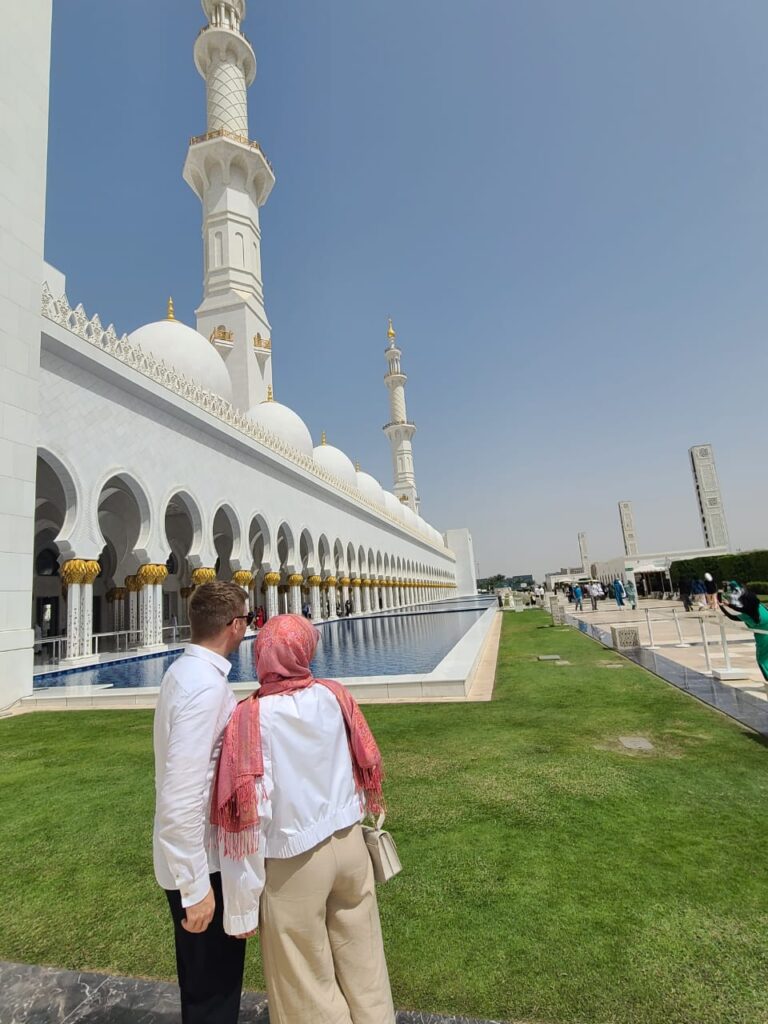
Additionally, its role in modern business and diplomacy remains vital. Offering gahwa at the start of a meeting establishes a tone of mutual respect and open dialogue. It breaks down formal barriers and fosters a collaborative atmosphere. For visitors, accepting an invitation for coffee is an honor. It signifies you are welcomed as a guest, not just a tourist. This deep cultural layer makes seeking out an authentic experience truly rewarding. Similarly, understanding protocol at other landmarks, like the Sheikh Zayed Grand Mosque, enriches your overall UAE visit.
Common Coffee Ceremony Mistakes
Several common mistakes can unintentionally disrupt the harmony of a coffee ceremony. First, refusing the initial offer of coffee is considered rude. Even if you do not drink coffee normally, accept the finjan and take at least a few polite sips. Second, using your left hand to receive or hold the cup is frowned upon, as the left hand is traditionally considered unclean. Always use your right hand. Third, do not fill your own cup or ask for sugar or milk. Gahwa is consumed as prepared, honoring the host’s recipe.
Furthermore, avoid placing the finjan on the floor or handling it carelessly. It should be held with appreciation. Do not drink it quickly or in one gulp; instead, sip slowly. Finally, engaging in loud conversation or being dismissive during the ceremony shows disrespect. The atmosphere should be one of calm and respect. By avoiding these pitfalls, you show cultural sensitivity. This ensures a positive experience for you and respect for your host’s traditions. For more on UAE customs, you can refer to the Dubai tourism official website.
Expert Cultural Experience Recommendations
For the most authentic experiences, experts recommend seeking out curated cultural programs. The SMCCU, mentioned earlier, is highly recommended for its educational approach. Many heritage hotels, like Al Seef Heritage Hotel or XVA Art Hotel, also offer private ceremonies. For a majestic setting, consider a coffee experience at the Qasr Al Watan palace in Abu Dhabi. Additionally, during the Dubai Shopping Festival or Ramadan, pop-up cultural hubs often feature master muqahwis demonstrating the art.
Meanwhile, complement your coffee journey with other immersive activities. Consider a dhow cruise in Dubai Creek, where coffee might be served. Alternatively, pair it with a visit to the Dubai Frame for a perspective on the city’s past and future. Always book experiences through reputable providers to ensure authenticity. Our team at TripHabibi can help tailor an itinerary that seamlessly integrates a Traditional Arabic Coffee Dubai encounter with other must-see attractions and day trips from Dubai.
Frequently Asked Questions About Traditional Arabic Coffee Dubai
How long does a Traditional Arabic Coffee Dubai ceremony take?
A formal ceremony can last 30-60 minutes. It includes preparation, serving, and conversation. However, enjoying coffee in a café may take just 15 minutes. Plan your visit according to your schedule.
What is the dress code for a heritage coffee house?
Modest, conservative dress is recommended as a sign of respect. Shoulders and knees should be covered, especially in cultural centers or older districts.
Is Arabic coffee very strong and caffeinated?
Surprisingly, no. Traditional gahwa is light in color and caffeine. The flavor is subtle and spiced, not bitter or intense like espresso.
What if I don’t like the taste of the coffee?
It is polite to accept at least one finjan. Sip it slowly alongside a date. You can then politely decline refills by gently shaking the cup.
Are children welcome at coffee ceremonies?
Yes, children are often welcome. It’s a family-friendly tradition that teaches young ones about hospitality. They may be offered alternative drinks.
Should I tip after a coffee experience?
Tipping is not part of the traditional ritual. In commercial venues like cafés, a 10-15% tip is appreciated for service, similar to other dining.
Final Thoughts on Traditional Arabic Coffee Dubai
Furthermore, the Traditional Arabic Coffee Dubai experience offers exceptional cultural value. Moreover, it provides an authentic, human-scale insight into Emirati heritage that contrasts with the city’s modern marvels. Therefore, seeking out this ritual is a highly recommended part of any visit. It transforms your understanding of local customs and creates a moment of genuine connection.
TripHabibi provides expert guides, local knowledge, and 24/7 support to help you plan such immersive experiences. Additionally, contact our experts today to craft a personalized itinerary. Meanwhile, chat with us on WhatsApp for instant support and to book your authentic cultural encounters in the UAE..
Related Posts